

Bold moves in the coffee industry are reshaping consumer choices, with more than 60 percent of American millennials preferring brands committed to sustainability. Eco-conscious drinkers now seek flavored coffee that is ethically sourced and environmentally friendly, going beyond taste to consider fair labor and minimal ecological impact. This article brings clarity to what truly makes flavored coffee sustainable, helping you connect your daily ritual to global responsibility and authentic ethical practices.
Table of Contents
- What Makes Flavored Coffee Sustainable
- Types of Flavored Coffee and Their Sources
- Environmental Impact of Flavor Additives and Packaging
- Social Responsibility in Sourcing and Production
- Common Sustainability Pitfalls and How to Avoid Them
Key Takeaways
| Point | Details |
|---|---|
| Sustainability in Coffee Production | Flavored coffee sustainability involves environmental, social, and economic considerations that protect ecosystems and support local communities. |
| Natural vs. Artificial Flavoring | Natural flavoring techniques support biodiversity and lower chemical use, whereas artificial flavors often have a higher environmental impact. |
| Social Responsibility | Ethical sourcing through certifications like Fair Trade ensures fair wages and safe working conditions for coffee farmers. |
| Sustainability Challenges | Monoculture practices and chemical dependence are significant pitfalls; adopting diverse and regenerative approaches can enhance sustainability. |
What Makes Flavored Coffee Sustainable
Sustainability in flavored coffee goes beyond simply brewing a delicious beverage. It encompasses a holistic approach that considers environmental impact, social responsibility, and economic fairness throughout the entire coffee production process. Sustainable coffee standards require comprehensive practices that protect ecosystems, support local communities, and minimize ecological harm.
At its core, sustainable flavored coffee involves several critical elements. These include organic farming techniques that reduce chemical pesticide and fertilizer usage, protecting both biodiversity and human health. Farmers practicing sustainable methods work to preserve natural habitats, maintain soil quality, and minimize water consumption. They often integrate shade-grown coffee cultivation, which helps protect native wildlife and maintains forest ecosystems while producing high-quality beans with complex flavor profiles.
The social dimensions of sustainable flavored coffee are equally important. This means ensuring fair wages and safe working conditions for coffee farmers, many of whom are located in developing countries. Certification programs like Fair Trade and Rainforest Alliance help guarantee that coffee producers receive equitable compensation and work in dignified environments. These programs also invest in community development, providing resources for education, healthcare, and infrastructure improvements that create long-term economic opportunities.
Pro tip: When selecting flavored coffee, look for third-party sustainability certifications that validate environmental and social responsibility standards, ensuring your morning brew supports positive global practices.
Types of Flavored Coffee and Their Sources
Flavored coffee encompasses a rich and diverse world of taste experiences, with sources ranging from natural botanical extracts to innovative culinary techniques. Flavor sources include herbs, spices, fruits, and specialized processing methods that transform traditional coffee into extraordinary sensory journeys. These flavoring approaches can be categorized into natural and artificial methods, each with unique sustainability implications and flavor profiles.
Natural flavoring techniques leverage ingredients like vanilla beans, cinnamon, hazelnut, and exotic spices sourced from sustainable agricultural practices. Farmers practicing agroforestry and circular economy approaches integrate diverse plant species and organic waste reuse to create complex flavor profiles. These methods not only produce exceptional taste experiences but also contribute to environmental conservation by supporting biodiversity and reducing agricultural waste.
Artificial flavor sources involve carefully synthesized chemical compounds that mimic natural taste profiles. While these methods can create consistent and intense flavor experiences, they often raise more significant sustainability questions regarding chemical production, environmental impact, and long-term ecological consequences. Responsible coffee producers are increasingly focusing on natural and organic flavoring techniques that minimize synthetic interventions and support regenerative agricultural practices.
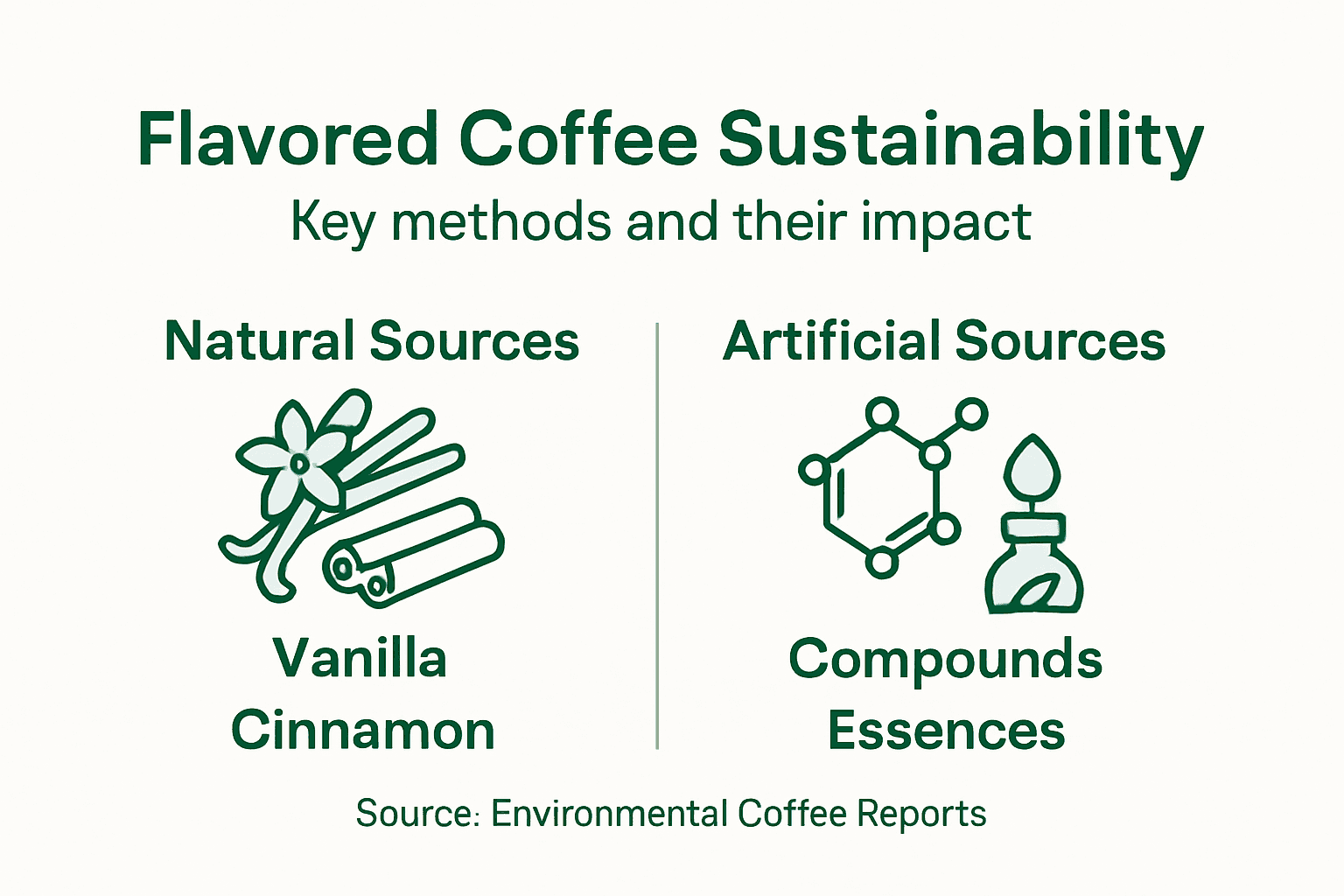
Here’s a comparison of natural and artificial coffee flavoring methods and their sustainability impact:
| Flavoring Method | Typical Sources | Sustainability Impact | Flavor Profile |
|---|---|---|---|
| Natural | Vanilla, spices, nuts, fruits | Supports biodiversity, lower chemical use | Complex, subtle flavors |
| Artificial | Synthesized compounds | Higher environmental footprint, chemical waste | Intense, consistent taste |
Pro tip: Choose flavored coffee with transparent sourcing information and certifications that demonstrate commitment to sustainable flavor development and ethical ingredient procurement.
Environmental Impact of Flavor Additives and Packaging
The production and disposal of flavor additives and coffee packaging represent significant environmental challenges that demand innovative sustainable solutions. Flavor additive production can contribute substantially to pollution and waste, creating complex ecological challenges that extend far beyond simple consumer consumption. Traditional manufacturing processes often involve chemical extraction methods that generate considerable environmental contamination through chemical runoff and industrial waste.
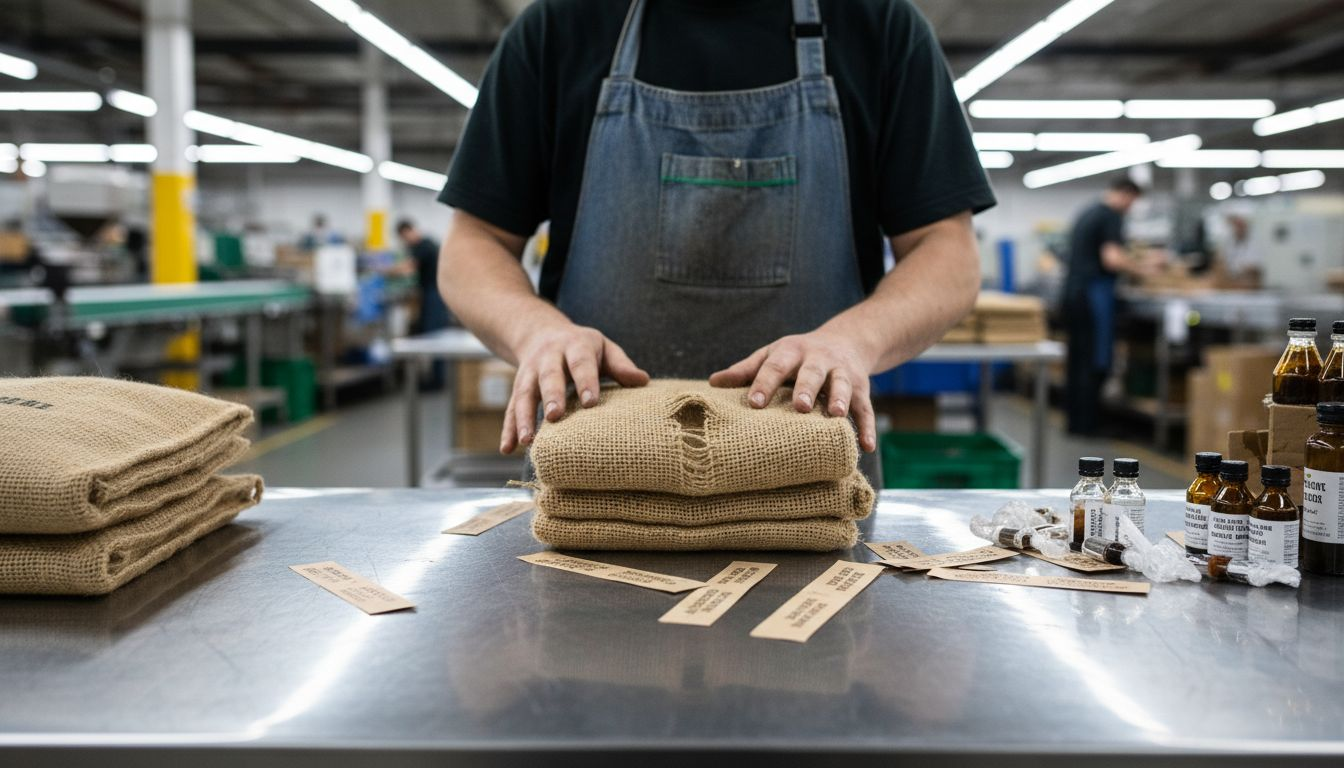
Innovative approaches are emerging to address these environmental concerns. Lab-grown coffee and cellular agriculture technologies are revolutionizing flavor development by minimizing traditional agricultural impacts like deforestation and excessive chemical use. These cutting-edge techniques aim to reduce the carbon footprint associated with flavor compound production, offering a more sustainable alternative to conventional flavor extraction methods that historically have been environmentally destructive.
Packaging represents another critical area of environmental impact for flavored coffee products. Sustainable packaging solutions are increasingly focusing on biodegradable materials, recyclable components, and circular economy principles. By implementing strategies that prioritize reduced material consumption, companies can significantly decrease waste generation and minimize the long-term ecological consequences of coffee packaging. Advanced packaging technologies now incorporate materials derived from renewable sources, creating innovative solutions that balance product preservation with environmental responsibility.
Pro tip: Carefully examine coffee packaging labels for recycling symbols and sustainability certifications to make more environmentally conscious purchasing decisions.
Social Responsibility in Sourcing and Production
Social responsibility in flavored coffee production goes far beyond simple transactional relationships, representing a comprehensive approach to ethical global commerce. Fair Trade certification promotes transparency and worker protection by ensuring that coffee producers receive equitable compensation and work in safe, dignified conditions. This framework addresses fundamental human rights concerns while creating sustainable economic opportunities for farming communities worldwide.
The coffee industry is increasingly recognizing the importance of inclusive growth and community empowerment. The Sustainable Coffee Challenge unites industry stakeholders to address critical social goals like improving farmer incomes, promoting gender equality, and engaging younger generations in agricultural sustainability. These collaborative efforts aim to transform traditional supply chains by prioritizing human dignity and economic justice alongside product quality and environmental stewardship.
Comprehensive social responsibility extends to multiple dimensions of production, including worker safety, community development, and economic opportunity. Responsible coffee producers now implement programs that provide educational resources, healthcare support, and skill development training for farming communities. By investing in human capital and creating pathways for economic advancement, these initiatives demonstrate that ethical sourcing is not just a marketing strategy but a genuine commitment to global social progress.
Pro tip: Look for certifications and transparent sourcing information when purchasing flavored coffee to support brands actively investing in social responsibility and community development.
Here’s a quick reference for major sustainability certifications in flavored coffee:
| Certification | Focus | Benefits for Farmers | Consumer Impact |
|---|---|---|---|
| Fair Trade | Social/economic fairness | Fair wages, safer conditions | Ethical purchasing confidence |
| Rainforest Alliance | Environmental & social | Supports habitat, community development | Validates eco-responsibility |
| Organic | Chemical-free farming | Reduces pesticide exposure | Assures healthier product |
Common Sustainability Pitfalls and How to Avoid Them
Coffee production sustainability faces numerous complex challenges that require strategic intervention and innovative solutions. Global coffee conservation strategies highlight critical environmental risks, including genetic diversity loss, inefficient waste management, and agricultural practices that systematically degrade ecosystem health. These interconnected challenges demand a holistic approach to sustainable coffee production that goes beyond traditional farming methodologies.
One of the most significant pitfalls in coffee production involves monoculture farming and excessive chemical dependency. Climate-smart agriculture offers transformative approaches that integrate dynamic agroforestry techniques, circular economy principles, and youth-driven innovation. By diversifying crop systems, reducing chemical inputs, and implementing regenerative agricultural practices, producers can create more resilient and environmentally responsible coffee production models that protect biodiversity and soil health.
Addressing sustainability challenges requires multifaceted strategies that balance environmental protection with economic viability. This means developing comprehensive approaches that include genetic resource conservation, responsible water management, and community-centered agricultural practices. Successful sustainability efforts must simultaneously tackle ecological preservation, social equity, and economic development, recognizing that these dimensions are fundamentally interconnected and mutually reinforcing.
Pro tip: Research coffee brands that transparently demonstrate their sustainability practices and invest in comprehensive environmental and social responsibility programs.
Embrace Sustainable Flavored Coffee with EcoVibe Roast
The challenge of making flavored coffee truly sustainable touches every step from farming to packaging. As the article highlights, avoiding environmental harm, supporting fair wages through certifications like Fair Trade, and choosing natural flavoring methods are key steps toward preserving our planet and communities. If you want a coffee experience that respects biodiversity and uplifts coffee-growing families you have a choice to make.
At EcoVibe Roast, we share your commitment to these values. Every product we offer is carefully sourced to support organic farming and social responsibility. Plus, with every purchase, you join us in planting mangrove trees and removing ocean-bound plastics. This is real action that makes your morning brew part of positive global change.
Discover our full range of sustainably sourced coffee and teas designed for conscious consumers like you.

Choose flavored coffee that does more than taste great. Support ethical sourcing, environmental stewardship, and community empowerment today by visiting EcoVibe Roast. Make your coffee ritual a statement of sustainability and care.
Frequently Asked Questions
What are the key elements of sustainable flavored coffee?
Sustainable flavored coffee involves organic farming techniques, fair wages for farmers, and practices that support biodiversity while minimizing ecological harm.
How do natural and artificial flavoring methods differ in sustainability?
Natural flavoring methods use ingredients like spices and fruits sourced sustainably, which support biodiversity, while artificial methods often involve synthesized compounds that can have a higher environmental impact.
What role do certifications like Fair Trade and Rainforest Alliance play in flavored coffee?
These certifications ensure that coffee producers receive fair compensation and safe working conditions while promoting environmental sustainability, community development, and ethical sourcing practices.
What are some common pitfalls in coffee production sustainability?
Common pitfalls include monoculture farming and excessive chemical use that degrade ecosystems. Implementing climate-smart agriculture and regenerative practices can mitigate these issues.


