

Over half of American coffee drinkers now consider sustainability when choosing their morning cup. As environmental awareness grows, millennials and Gen Z are questioning where their beans come from and how communities are supported. Understanding responsible sourcing, eco-labels, and verified ethical standards helps you move beyond the basics to make truly impactful choices that benefit both people and the planet.
Table of Contents
- Step 1: Research Sourcing Certifications And Eco-Labels
- Step 2: Compare Origins And Farming Practices
- Step 3: Evaluate Brand Commitments To Sustainability
- Step 4: Verify Third-Party Environmental And Social Impact
- Step 5: Test Quality And Taste With Responsible Choices
Quick Summary
| Key Insight | Explanation |
|---|---|
| 1. Understand key coffee certifications | Familiarize yourself with certifications like Fair Trade and Organic that ensure sustainability in coffee sourcing and ethical production practices. |
| 2. Compare coffee species and origins | Analyze the differences between Arabica and Robusta beans regarding taste, climate needs, and farming methods to select responsible options. |
| 3. Assess brand sustainability commitments | Look beyond marketing claims; examine brands’ transparency and track record in sustainability to identify those genuinely committed to ethical practices. |
| 4. Verify third-party certifications | Ensure certifications are backed by third-party audits that assess compliance with sustainability standards and report real impacts on communities and environment. |
| 5. Engage in thorough coffee tasting | Conduct detailed coffee cupping sessions to appreciate how responsible sourcing influences flavor profiles while learning about the farming practices behind them. |
Step 1: Research sourcing certifications and eco-labels
Navigating the world of responsible coffee sourcing starts with understanding the complex landscape of sustainability certifications. Coffee is a global commodity with significant environmental and social implications, and sustainability governance schemes play a critical role in ensuring ethical production practices.
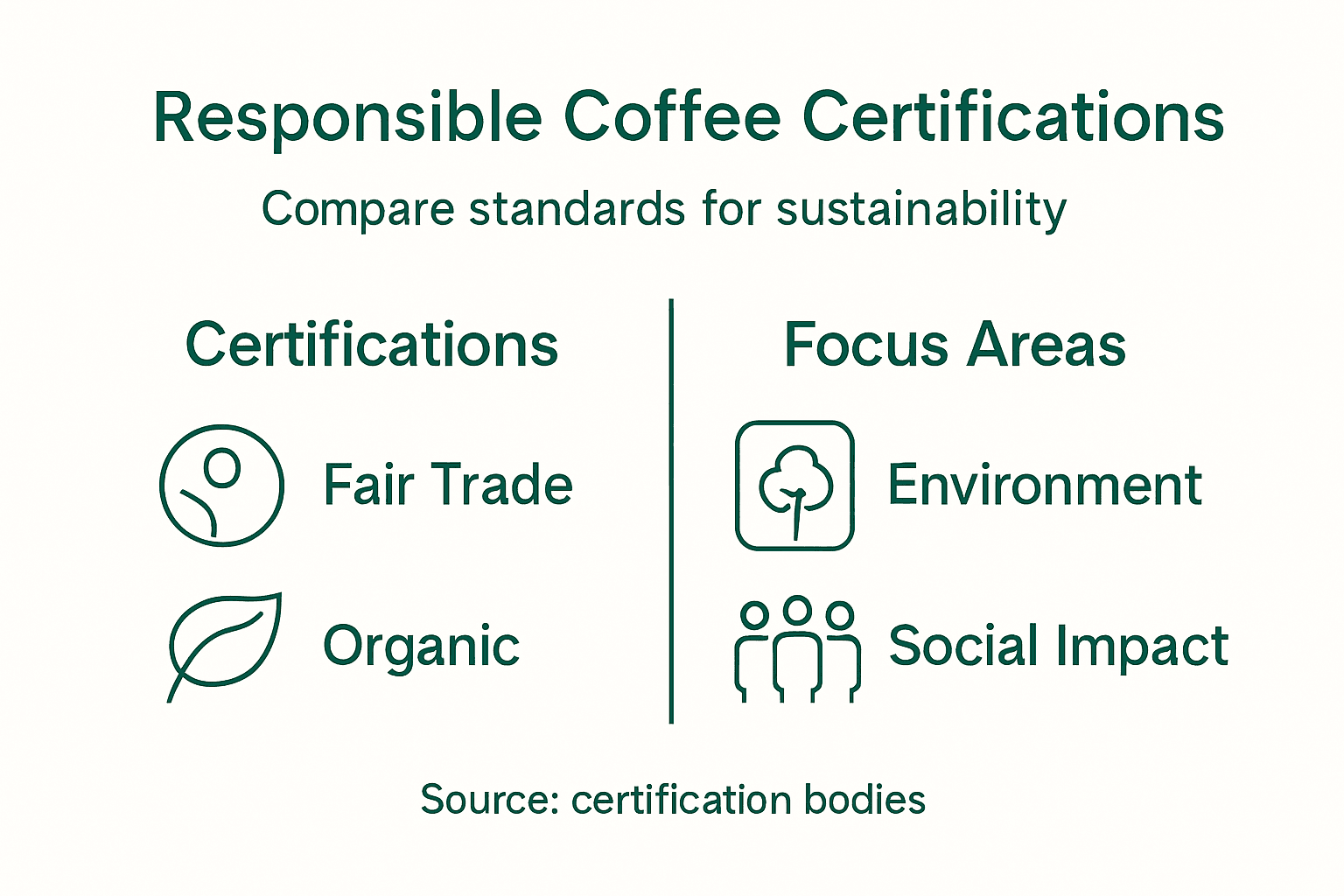
When researching certifications, focus on eco-labels that verify three key dimensions: environmental protection, social equity, and economic fairness. Look for internationally recognized certifications like Fair Trade, Rainforest Alliance, and Organic, which establish rigorous traceability and compliance standards. These certifications help consumers identify responsibly sourced beans by ensuring producers meet specific sustainability criteria.
Pay special attention to local community-led initiatives, which often provide the most meaningful impact. These certifications tend to be more nuanced, addressing specific environmental and cultural contexts of coffee-producing regions. Check certification websites, read detailed requirements, and look for transparent reporting on their social and ecological outcomes.
This summary highlights the focus of leading coffee certifications:
| Certification | Main Focus Areas | Traceability Strength |
|---|---|---|
| Fair Trade | Social equity, worker welfare | High |
| Rainforest Alliance | Biodiversity, ecosystem protection | Medium |
| Organic | Chemical-free farming, soil health | High |
| UTZ Certified | Efficient farming, transparency | Medium |
Pro tip: Create a simple spreadsheet to track different certifications and their specific standards to make comparison easier and more systematic.
Step 2: Compare origins and farming practices
Understanding the nuances of coffee origins and farming practices is crucial for selecting truly responsible beans. Coffee production varies dramatically across global regions, with each origin presenting unique environmental and socio-economic characteristics that impact overall sustainability.
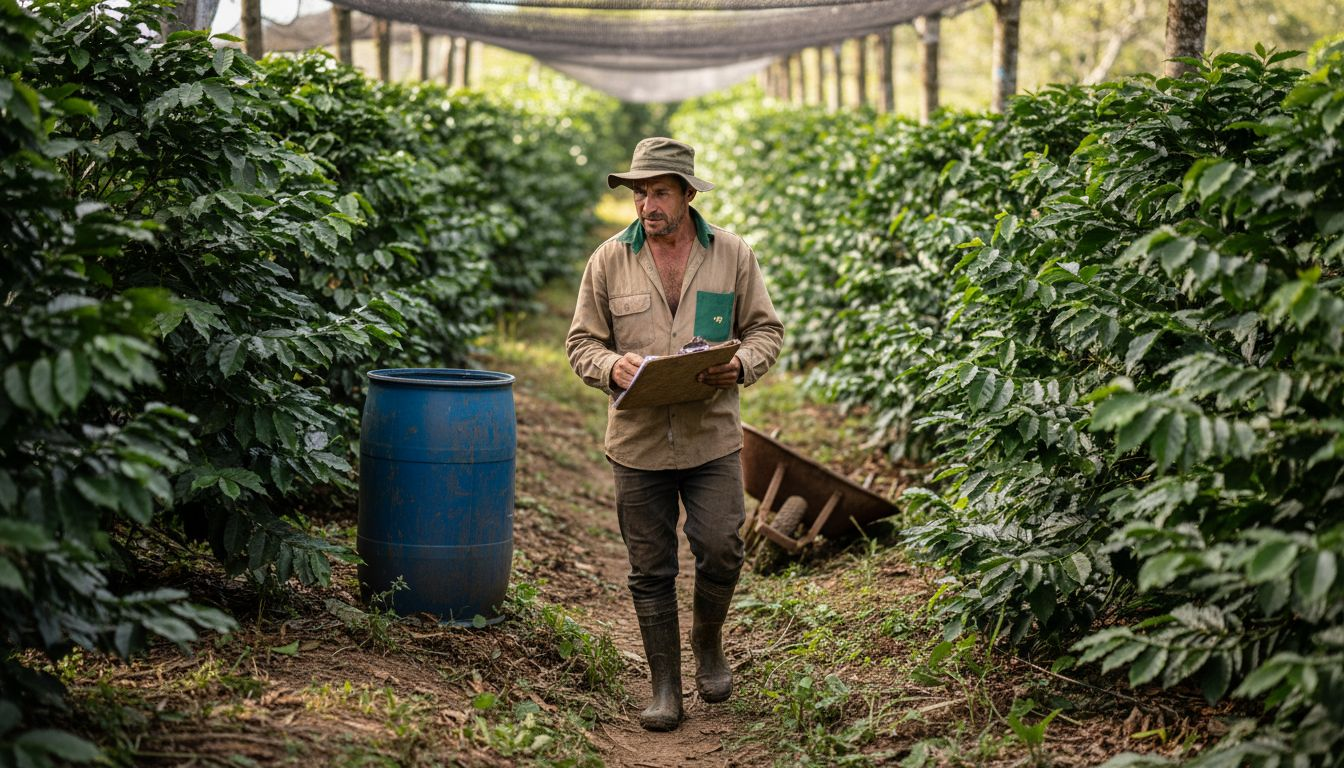
Focus on comparing two primary coffee species: Arabica and Robusta. Arabica beans, typically grown at higher altitudes, offer superior taste but are more vulnerable to climate challenges. Robusta varieties demonstrate greater resilience and higher yields, thriving in lower elevation regions. Consider the specific growing conditions of beans from key producing countries like Brazil, Colombia, Ethiopia, and Vietnam, examining their environmental practices, worker conditions, and ecological impact.
Here is a quick comparison of the two main coffee species:
| Aspect | Arabica | Robusta |
|---|---|---|
| Altitude | High elevations | Low to mid elevations |
| Flavor | Milder, nuanced notes | Strong, earthy bitterness |
| Climate Need | Cooler, more rainfall | Hotter, less rainfall |
| Disease Risk | Higher susceptibility | Greater resistance |
| Yield Level | Moderate yields | Higher yields |
Key comparison points should include altitude, shade coverage, pest management strategies, water usage, soil health practices, and community support initiatives. Look beyond simply the origin stamp and dig into the specific farming approaches that demonstrate genuine commitment to sustainable agriculture and social responsibility.
Pro tip: Create a comparative matrix tracking sustainability metrics for different coffee origins to help visualize and understand the nuanced differences in farming practices.
Step 3: Evaluate brand commitments to sustainability
Sustainability isn’t just a buzzword brand marketing teams toss around. Brand commitments reflect complex governance frameworks that directly impact coffee producers and ecosystems worldwide. When evaluating a brand’s sustainability credentials, look beyond surface level marketing claims and dig into their actual practices and demonstrated impact.
Start by examining the brand’s transparency and reporting on key sustainability metrics. Coffee brands increasingly invest in traceability and community development programs, but the depth of their commitment varies widely. Check for detailed annual sustainability reports, third-party audits, and specific metrics about worker wages, environmental protection, carbon footprint reduction, and community reinvestment. Pay special attention to brands that demonstrate long-term, systemic approaches rather than short-term publicity stunts.
Look for concrete evidence of sustainable practices such as direct trade relationships, investments in farmer education, water conservation techniques, biodiversity protection, and transparent supply chain management. Brands truly committed to sustainability will have verifiable data, ongoing community partnerships, and measurable environmental impact reduction strategies.
Pro tip: Create a simple scorecard with key sustainability indicators to consistently and objectively compare different coffee brands’ commitment levels.
Step 4: Verify third-party environmental and social impact
Verifying third-party certification goes beyond simply checking a label. Third-party verification provides critical sustainability insights that help you make truly informed purchasing decisions about responsible coffee sourcing.
Independent auditors assess compliance with sustainability standards across farming and processing levels. Look for comprehensive certifications that evaluate multiple dimensions including worker conditions, environmental practices, community impact, and supply chain transparency. Key organizations to research include Fairtrade International, Rainforest Alliance, UTZ Certified, and organic certification bodies that conduct rigorous independent assessments.
Dig deeper by examining the specific audit methodologies, frequency of inspections, and concrete outcomes of these third-party verifications. Authentic certifications will provide detailed reports showing measurable improvements in farmer incomes, ecosystem protection, and social welfare. Pay attention to certifications that support small producers and demonstrate ongoing commitment to systemic change rather than superficial compliance.
Pro tip: Cross reference multiple certification sources and look for overlapping standards to build a more comprehensive understanding of a coffee brand’s true sustainability commitment.
Step 5: Test quality and taste with responsible choices
Sustainable farming practices directly influence coffee flavor profiles, transforming your tasting experience from a simple beverage into a meaningful connection with global agricultural ecosystems. Understanding how responsible sourcing impacts taste requires more than just a quick sip.
Coffee quality testing involves comprehensive sensory evaluation that goes beyond basic taste preferences. Learn to conduct a professional coffee cupping session by examining key characteristics such as aroma, body, acidity, and aftertaste. Pay attention to how sustainable farming techniques like shade growing and biodiversity conservation contribute to nuanced flavor development. Look for beans that showcase complex taste notes reflecting their specific origin and responsible growing practices.
Approach coffee tasting as an educational experience. Sample beans from different sustainable sources, noting how factors like altitude, soil composition, and farming methods create unique flavor profiles. Engage with local roasters or specialty coffee shops that provide detailed information about bean origins and sustainability practices. Remember that choosing a responsible coffee is about balancing ethical considerations with an exceptional taste experience.
Pro tip: Keep a tasting journal to track flavor notes, sustainability details, and your personal preferences to develop a more intentional coffee selection process.
Make Responsible Coffee Choices with EcoVibe Roast Today
Choosing truly responsible coffee beans can feel overwhelming when faced with complex sustainability certifications and varying farming practices. The challenge is finding a trusted source that delivers not only high-quality flavor but also authentic social and environmental impact. That is exactly where EcoVibe Roast comes in. Our carefully curated selection reflects deep commitment to third-party verified certifications like Fair Trade and Organic. We prioritize transparency, environmental stewardship, and community support with every bean.

Discover your perfect sustainable roast at EcoVibe Roast. By choosing from our responsibly sourced coffee beans and single-serve pods, you join a community dedicated to ethical farming and restoring nature—including planting mangrove trees and removing ocean-bound plastics. Don’t wait to elevate your coffee experience while making a real difference. Start exploring our range now and enjoy flavorful coffee that truly respects people and planet.
Frequently Asked Questions
What sustainability certifications should I look for when choosing responsible coffee beans?
Look for certifications like Fair Trade, Rainforest Alliance, and Organic, which verify environmental protection, social equity, and economic fairness. Research these certifications to understand their specific criteria and ensure you are selecting ethically sourced beans.
How can I compare coffee origins and their farming practices?
Investigate the growing conditions and farming methods used in different coffee-producing regions. Create a comparative matrix to evaluate key factors like altitude, pest management, and community support initiatives, focusing on how these factors impact sustainability and the flavor profile of the beans.
What should I evaluate in a coffee brand’s sustainability commitments?
Examine the brand’s transparency regarding sustainability metrics and their actual practices. Look for detailed reports on worker wages, environmental protection efforts, and community development initiatives to validate their commitment to sustainability.
How can I verify third-party certifications for coffee brands?
Check for independent audits that assess compliance with sustainability standards. Review the specific audit methodologies and outcomes to understand the effectiveness and impact of these certifications on environmental and social aspects.
What steps should I take to test the quality and flavor of responsible coffee?
Conduct a professional coffee cupping session to evaluate the aroma, body, acidity, and aftertaste of different beans. Sample coffee from various sustainable sources and keep a tasting journal to track flavor notes and sustainability details, helping you make informed choices.
Recommended
- How Coffee Is Grown: A Complete Guide for Beginners – EcoVibe Roast
- Five Eco Friendly Coffee Hacks for a Greener Cup Guide – EcoVibe Roast
- Organic Coffee Blends: A Smart Guide to Flavor Profiles and Choices – EcoVibe Roast
- Transform Your Morning Routine: The Eco-Friendly Coffee Showdown – EcoVibe Roast


