

Sourcing sustainably produced coffee and tea that meaningfully supports environmental or community projects often reveals limited transparency or vague claims at checkout. Many popular options either restrict international shipping, attach environmental promises that are hard to verify, or price subscription plans to reflect marketing more than measurable impact. This comparison shows how four leading vendors handle sourcing, shipping, traceability, and mission alignment so you can pick a provider whose social and environmental commitments match your priorities.
Table of Contents
- Eco Vibe Roast
- Tiny Footprint Coffee
- Kahawa 1893
- Cafe Monteverde
- Selecting Sustainable Coffee Options Supporting Environmental and Ethical Practices
Eco Vibe Roast
At a Glance
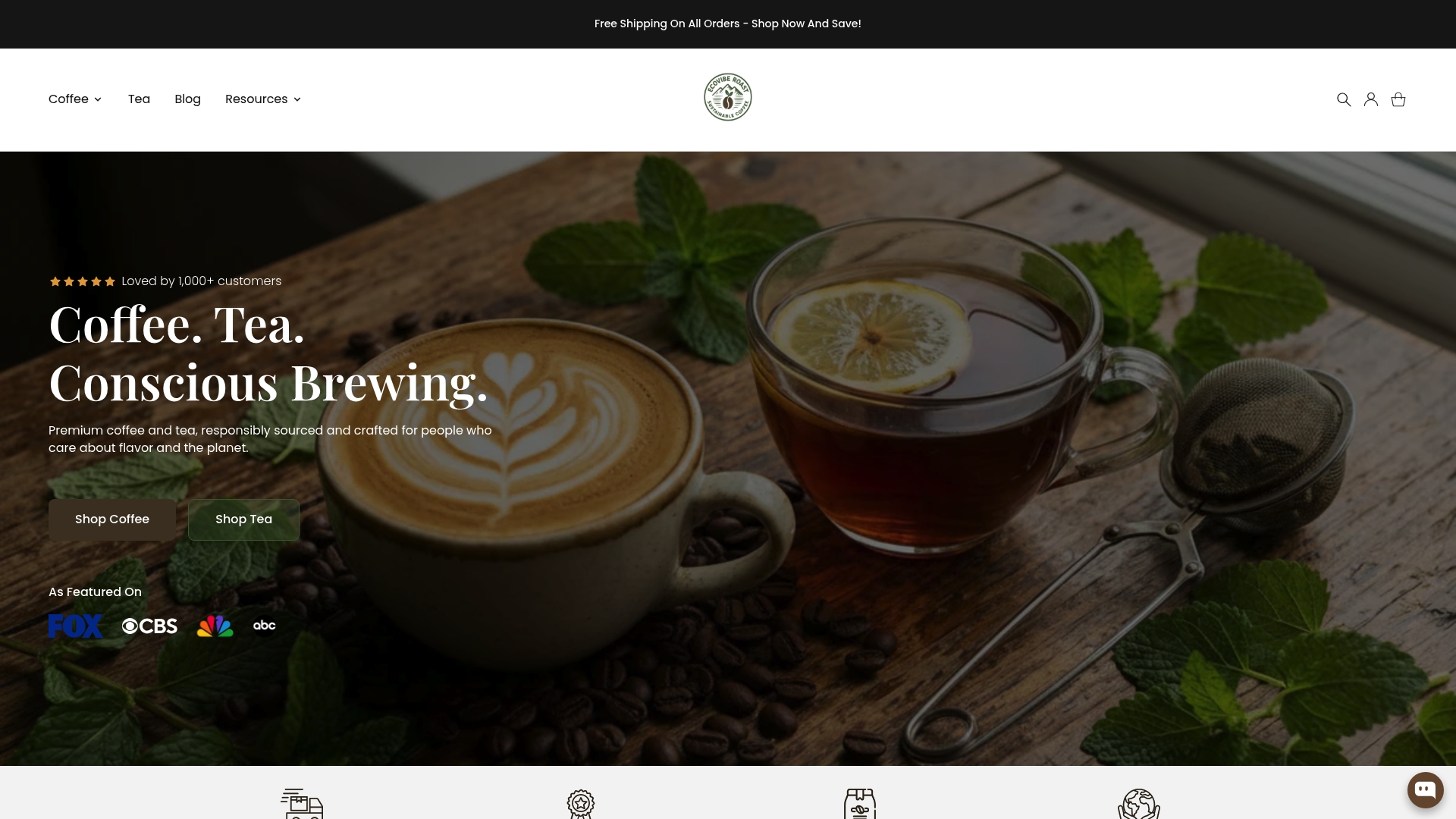
Every purchase supports planting mangrove trees and removing ocean bound plastic bottles, a concrete environmental promise tied to each order. The shop operates only within the United States and pairs that impact focus with small batch roasting for fresher flavor.
Core Features
- Responsibly sourced coffee and tea from small growers, with clear sourcing details by region.
- Small batch roasting to preserve peak aroma and tasting notes for single origin and blend offerings.
- A broad catalog that includes single origin beans, blends, flavored options, herbal teas, and sample collections.
- Subscription options for recurring deliveries and free shipping on all orders to simplify reorders.
Key Differentiator
Eco Vibe Roast embeds environmental projects directly into its sales model by pairing each purchase with mangrove planting and ocean bound plastic removal. That explicit link between product purchase and measurable ecological activity is the operational core that separates it from commodity roasters.
Pros
- Strong sustainability focus that clearly ties purchases to environmental actions, which appeals to consumers who want their spending to have measurable impact.
- Wide product selection spanning single origin, blends, flavored coffee, and herbal teas so you can explore different profiles without switching vendors.
- Freshness oriented approach with small batch roasting, which makes a tangible difference for home brewers chasing clean, bright cups.
- Transparent sourcing information on the site, helping you trace beans back to regions and farming practices before you buy.
- Easy online ordering with subscription support and free shipping inside the United States, reducing friction for repeat buyers.
Cons
- Limited to customers inside the United States which prevents international shipping and rules out overseas gift recipients.
Who It’s For
Eco-aware coffee and tea lovers who prioritize ethically sourced products and want their purchases to support environmental projects. This fits home enthusiasts, gift shoppers seeking responsibly made options, and small cafes that prefer small batch supply.
Unique Value Proposition
Free shipping on every order combined with subscription convenience makes regular support of environmental initiatives economically straightforward. For someone who wants to remove barriers to repeat giving, this pricing detail keeps the environmental contribution from becoming an extra cost decision.
Real World Use Case
A customer signs up for a weekly single origin subscription and receives consistently fresh beans roasted in small batches. They try sample packs to rotate tasting profiles while knowing each shipment funds mangrove planting and ocean plastic removal.
Pricing
Packages for coffee and tea generally start in the low twenties for small sizes, with many 3 ounce options listed between $22.99 and $23.99. The site advertises sample collections and pod packs, subscriptions for regular delivery, and free shipping on all domestic orders.
Website: https://ecoviberoast.com
Tiny Footprint Coffee
At a Glance
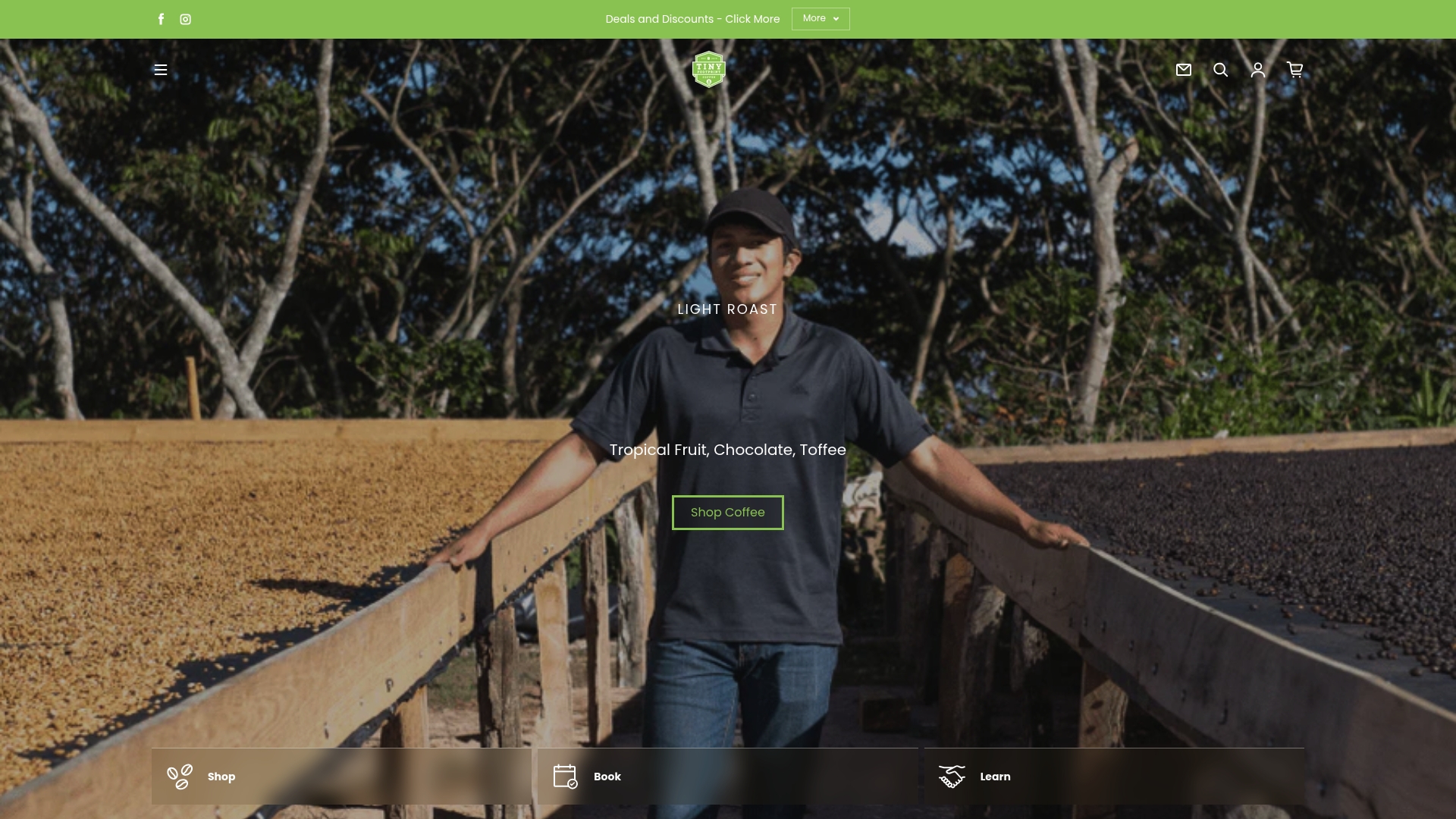
The company advertises carbon negative operations and active reforestation projects that specifically fund support for women coffee producers. That environmental and social mission sits alongside a retail and wholesale catalog of single origins, blends, decaf, and cold brew.
Core Features
Tiny Footprint sells organic and fair trade beans sourced from Nicaragua, Ethiopia, Honduras, Papua New Guinea, and Sumatra. The catalog covers single origin roasts, blends, decaffeinated options, and ready-to-drink cold brew.
They run a subscription service with discounts and offer barista training, coffee gear, wholesale accounts, and catering services for events and offices. The brand reports investments in reforestation and community development tied to sales.
Key Differentiator
That carbon negative claim above ties product purchases to reforestation funding and social programs for women producers, not just offset purchases after the fact. For buyers who want to link what they drink to on-the-ground environmental projects, Tiny Footprint makes that connection explicit.
Pros
-
High quality sourcing. Organic, fair trade beans are the base of the lineup, which matters if you prioritize traceable, audited supply chains.
-
Meaningful sustainability promise. The commitment above gives purchases a clear environmental angle rather than vague marketing language.
-
Subscription convenience. Regular delivery with a 10% subscription discount reduces friction for home enthusiasts who want fresh beans on a schedule.
-
Wholesale and training support. Small cafes and shops can buy in volume and use the companys barista resources and gear to lift drink quality.
-
Community focus. The brand emphasizes programs that support women producers, which some customers will value as a direct social impact.
Cons
-
Premium pricing reflects organic and social investments; casual drinkers used to commodity coffee may find options expensive.
-
Limited brick and mortar presence makes sampling harder; most buying and discovery happen online.
-
International shipping is limited and can be costly, so availability outside the United States is constrained.
When It May Not Fit
If your priority is the lowest possible price per pound or quick local pickup, this is not the best match. If you need broad global shipping or dozens of mainstream flavored blends, the specialty focus and regional shipping limits will frustrate you.
Who It’s For
Eco-conscious home brewers and small cafes that prioritize organic, fair trade beans and want purchases to fund environmental and social work. Buyers willing to pay a premium for traceability, training resources, and a subscription model will get the most value.
Real World Use Case
A home brewer subscribes to single origin beans every month, uses the included brewing guides and training videos to refine pour over technique, and gifts a subscription to colleagues who care about climate action. Orders arrive fresh and the customer tracks the brands reforestation updates.
Pricing
Most coffee products run between $17.95 and $20.95 per pound, with volume discounts and a 10% discount on subscription orders. The vendor advertises free shipping on orders over $50.
Website: https://tinyfootprintcoffee.com
Kahawa 1893
At a Glance
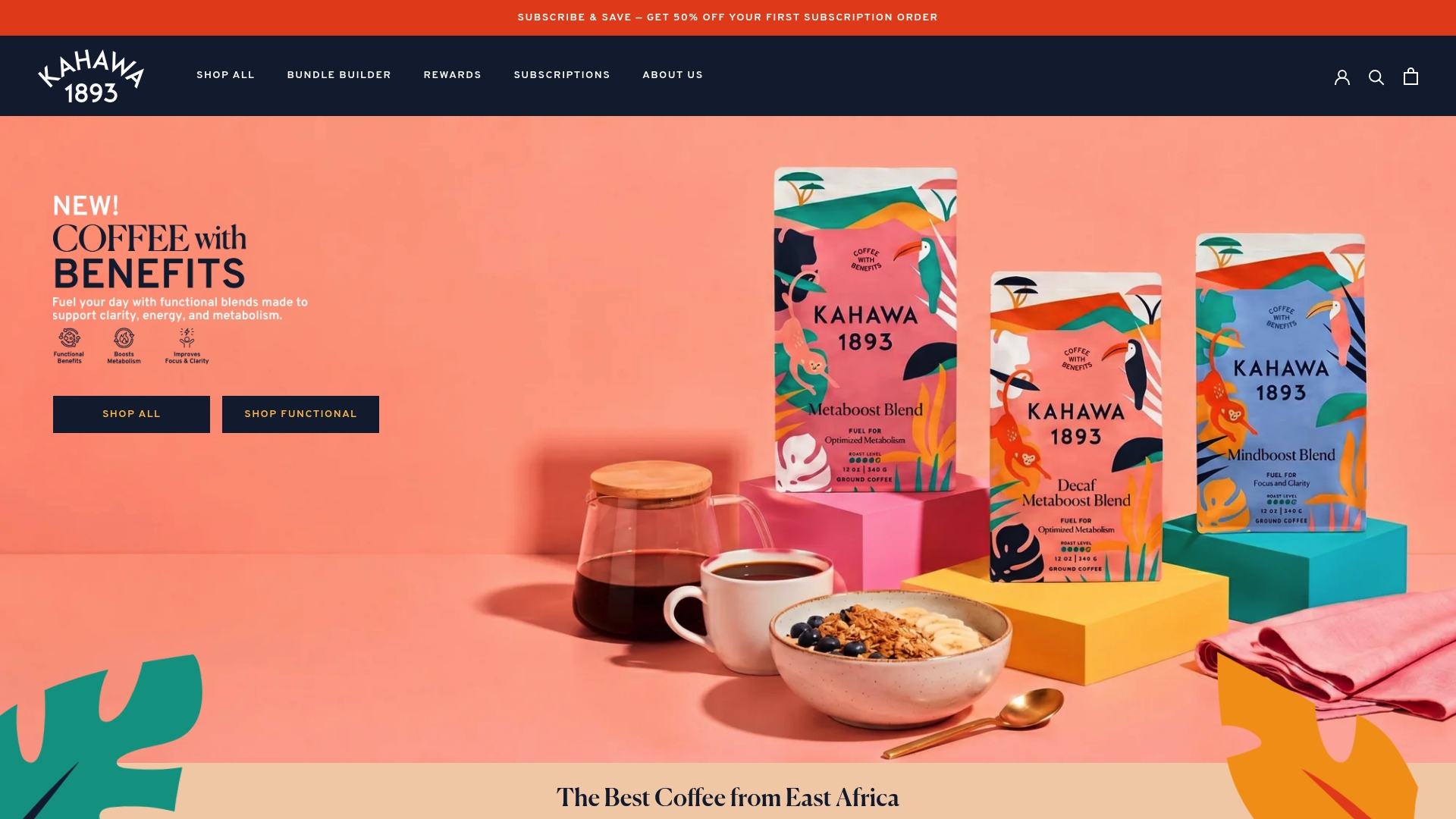
Kahawa 1893’s marketing states consumer tips are matched dollar-for-dollar to support women farmers, a tangible loyalty mechanism that funnels purchases into direct social impact. The company pairs that program with specialty-grade East African coffees sourced from Kenya, Rwanda, and Congo.
Core Features
Kahawa 1893 focuses on traceable, ethically sourced coffee and flexible buying options.
- Direct trade sourcing from African women farmers and transparent supply chains that emphasize fair wages.
- Single-origin whole beans, ground coffee, K-Cup® pods, flavored varieties, and curated gift sets for gifting and retail.
- Subscription service with discounts and flexible delivery cadence, plus an online bundle builder for customized boxes.
- On-pack QR codes that surface farm-level stories, provenance, and community updates.
- Engagement features like tipping that link purchases directly to farmer support.
Key Differentiator
The brand pairs specialty African origins with a purpose-driven funding loop that asks customers to tip and then matches those tips. That matching program above is the clearest mechanism that converts routine purchases into a measurable contribution for women farmers while keeping provenance front and center.
Pros
- High-altitude, specialty-grade beans give a noticeably bright, complex cup for filter and espresso brewing, appealing to home baristas who care about origin.
- Strong social mission emphasizing direct trade and support for women farmers, which customers can trace via on-pack QR codes and reporting.
- Product breadth covers daily needs and gifting: whole beans, pods, flavored options, and gift sets make the brand usable for different buyers.
- Subscription discounts reduce price friction; the vendor advertises 20–50% off for subscribers, making regular purchases easier to justify.
- Clear storytelling and transparency reduce guesswork: you can see where the coffee came from and how your tip is intended to be used.
Cons
- Premium pricing means bags typically start higher than mass-market brands, which limits appeal for budget shoppers.
- International shipping details are sparse, and availability is primarily North America focused, so overseas buyers may face barriers.
- The product mix favors coffee over brewing gear; customers seeking a one-stop shop for grinders or espresso machines will need another vendor.
- Subscription options and the bundle builder can feel complex for shoppers who prefer a single SKUs and straightforward checkout.
When It May Not Fit
If your priority is the lowest possible per-cup cost, this will not feel economical compared with commodity brands. If you need worldwide distribution or predictable EU shipping rates, the limited international specs are a practical barrier. Also, shops that want packaged equipment alongside beans will find the catalog light.
Who It’s For
Socially conscious coffee lovers who want African-origin, specialty coffee and like the idea of direct economic support for women farmers. Ideal for home brewers, gift buyers, and small cafés that value provenance and community impact over bargain pricing.
Real World Use Case
A customer builds a monthly subscription with a mix of Kenyan and Rwandan beans, applies the 20–50% subscriber discount, and opts to tip at checkout. They scan the QR code on each bag to read farmer notes, share tasting notes on social channels, and give the gift set to friends during holidays.
Pricing
Standard bags typically run from $18.99 to $39.99 depending on weight and roast; gift sets start around $50. The vendor advertises subscription discounts between 20% and 50 percent, and larger bulk or wholesale pricing is available for cafés.
Website: https://kahawa1893.com
Cafe Monteverde
At a Glance
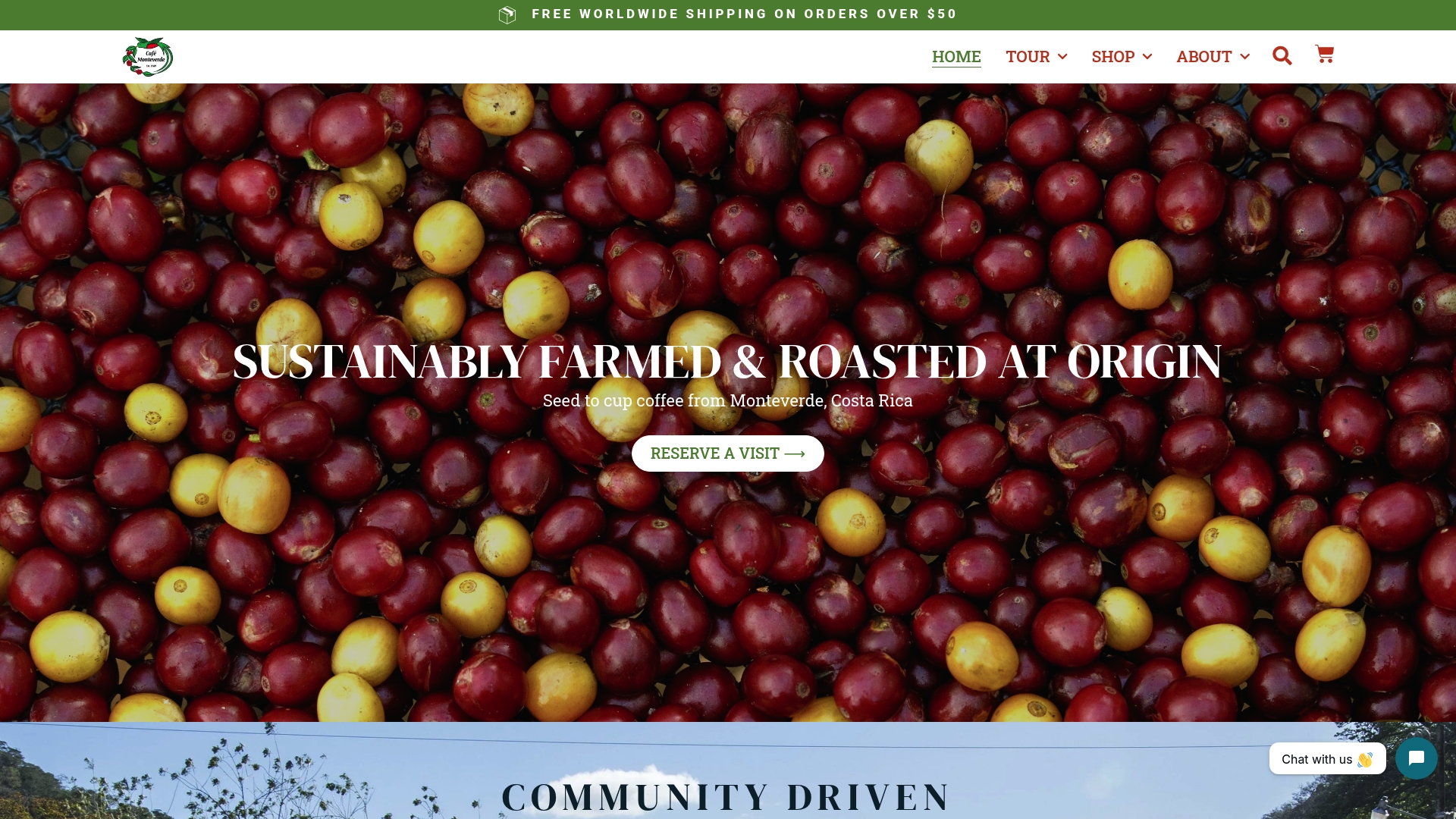
A collective of 21 families with roots back to the 1930s run the farm and roastery in Monteverde, Costa Rica. Their model pairs seed-to-cup traceability with eco-tours and educational programming so buyers connect directly to origin and process.
Core Features
- Sustainably farmed and roasted at origin in Monteverde, Costa Rica, with emphasis on organic practices and agroforestry.
- A wide selection of processing methods and roast levels across multiple packaging sizes to suit filter, espresso, and home brew preferences.
- On-site eco-friendly farm and roastery tours plus educational programs that explain cultivation, processing, and circular farming practices.
- Direct seed-to-cup transparency for traceability and quality control from farm plots to packaged bags.
- Handmade crafts and branded coffee accessories sold alongside beans to support community artisans.
Key Differentiator
Cafe Monteverde centers community ownership. The operation is not a brand sourcing beans from many countries. It is a locally run, family collective that integrates farming, processing, retail, and visitor education on the same property, creating a tangible farm-to-consumer relationship few specialty roasters replicate.
Pros
- Deep local commitment. The family collective model supports community development and channels revenue back into conservation and agroforestry projects.
- Broad sensory options. Multiple processing methods and roast profiles let you choose beans for bright filter cups or denser espresso shots.
- Educational tourism ties the product to place. Tours and tastings turn a purchase into a learning experience and strengthen provenance claims.
- Transparent supply chain. Seed-to-cup traceability reduces guesswork about where beans were grown and how they were processed.
- Free worldwide shipping on orders over $50 eases international ordering and reduces friction for buyers outside Costa Rica.
Cons
- Single-origin focus. If you want a global sampler that spans Africa, Asia, and Central America, this Costa Rica–centric offering may feel narrow.
- Limited wholesale options. The brand primarily targets direct consumers and visitors, so large B2B buyers may find quantity and program support constrained.
- Premium pricing. Quality and sustainable farming show up in price points that may be higher than commodity or mass-market options.
When It May Not Fit
If you are building a large café chain that needs multi-origin rotation and standardized supply contracts, this family-run, experience-first supplier may not match scale needs. Also, buyers uninterested in provenance or travel experiences will miss the primary value proposition.
Who It’s For
Environmentally conscious coffee lovers who value transparency, origin storytelling, and supporting smallholder communities. Travelers seeking an immersive farm visit and small retailers wanting a high-quality Costa Rican single-origin offering will get the most from Cafe Monteverde.
Real World Use Case
A visitor books a farm tour, tastes processed lots side by side, and later subscribes to receive seasonal single-origin bags. They buy gift sets for friends and recommend the roastery to their specialty coffee club, keeping purchases tied to education and conservation outcomes.
Pricing
Most coffee options range from $18 to $125 depending on weight and processing method. Gift sets and merchandise are available, and the vendor offers free worldwide shipping on orders over $50.
Website: https://cafedemonteverde.com
Selecting Sustainable Coffee Options Supporting Environmental and Ethical Practices
When choosing a sustainable coffee provider, consumers often balance several factors such as environmental impact, community support, product quality, and price. This comparison explores the essential features of Eco Vibe Roast, Tiny Footprint Coffee, Kahawa 1893, and Cafe Monteverde, presenting how each aligns with consumer priorities.
Emphasis on Sustainability and Social Impact
Among these brands, each demonstrates a commitment to sustainability and ethical impact through unique initiatives. Eco Vibe Roast connects every purchase to mangrove planting and ocean clean-up, whereas Tiny Footprint Coffee invests in carbon-negative operations and supports women coffee producers. Kahawa 1893 focuses on East African women-owned farms by matching consumer tips with farmer support. Cafe Monteverde emphasizes origin transparency and ecological tourism, showcasing a strong community-oriented model.
Product Offerings and Audience Alignment
Product offerings across all brands cater to distinct consumer preferences. Eco Vibe Roast provides varied options, from single-origin roasts to flavored coffees and teas, paired with convenient subscription services. Conversely, Kahawa 1893 specializes in single-origin African coffees with a highlight on high-altitude flavors and farmer storytelling. Tiny Footprint Coffee extends its portfolio to include cold brews and provides training services, appealing to small cafes aiming to upskill their baristas. Cafe Monteverde, uniquely focused on Costa Rican origins, blends coffee excellence with experiential learning through educational tours.
Best Fit by Consumer Preferences
- For eco-conscious individuals prioritizing dual environmental and ease-of-use, Eco Vibe Roast supports global environmental projects and offers diverse flavorful selections.
- If directly supporting women farmers alongside enjoying distinctive African coffee is appealing, constituting a connection to origin, Kahawa 1893 is the choice.
- Seeking barista-level domestic service or wholesale provisions rewards choosing Tiny Footprint Coffee, which emphasizes educational inclusivity.
- For those who value field-to-cup transparency and local community backup, Cafe Monteverde delivers through its Costa Rican focused model.
Our Pick: Eco Vibe Roast
Eco Vibe Roast excels by integrating measurable ecological efforts into each transaction and presenting a broad, accessible product range. Considering its automatic shipping subscription service, complimentary domestic shipping, plus transparent sourcing, it emerges as an excellent fit for U.S.-based consumers who wish their purchases to consistently benefit environmental projects. However, for international buyers, other options may extend global delivery-specific accommodations.
Sustainable Coffee and Tea Options Comparison
Identify the best sustainably sourced coffee and tea supplier that aligns with your ethical values and product preferences.
| Product | Key Differentiator | Best For | Pricing | Notable Limitation |
|---|---|---|---|---|
| Ecoviberoast | Environmental projects tied to purchases | Eco-aware coffee and tea lovers | $22.99 to $23.99 | Shipping limited to the United States |
| Tiny Footprint | Carbon negative operations | Buyers prioritizing organic and fair trade | $17.95 to $20.95 per pound | Limited physical locations for sampling |
| Kahawa 1893 | Direct trade with women farmers | Socially conscious coffee lovers | $18.99 to $39.99 standard bags | Focus on coffee; less diversity in products |
| Cafe Monteverde | Family-owned with seed-to-cup traceability and eco tours | Environmentally conscious buyers visiting | $18 to $125 depending on product | Solely Costa Rican coffee selection |
Choose EcoVibe Roast as a Top Alternative for RainforestCoffeeCo.com
Finding a coffee brand that shares your values about sustainability and social impact can feel overwhelming. If you are searching for alternatives to RainforestCoffeeCo.com that offer transparent sourcing and ecological action with every purchase, EcoVibe Roast delivers on that promise through small batch roasting and a strong environmental commitment.

Explore EcoVibe Roast Blends Collection or indulge in their uniquely crafted Flavored Coffee Collection to enjoy fresh, ethically sourced beverages. Each order supports planting mangrove trees and removing ocean-bound plastics so you contribute to real ecological progress. Visit EcoVibe Roast now and sign up for subscription options that make sustainable coffee effortless and delicious. Experience flavorful coffee that aligns with your values and take part in meaningful conservation efforts with your very next cup.
Frequently Asked Questions
How do the subscription options at Ecoviberoast benefit regular coffee drinkers?
Ecoviberoast offers subscription options for recurring deliveries, making it easier for regular coffee drinkers to maintain their supply. The service includes free shipping on all orders within the United States, simplifying the reorder process. Consider starting a subscription to enjoy consistently fresh, small-batch coffee without having to remember to reorder each time.
What is the difference between Ecoviberoast and Tiny Footprint Coffee regarding sourcing?
Tiny Footprint Coffee emphasizes organic and fair trade beans sourced from specific countries like Nicaragua and Ethiopia, appealing to those interested in high-quality origins. In contrast, Ecoviberoast focuses on sustainably sourced coffee and tea from small growers, providing clear sourcing details by region. If you prefer a broader range of sustainably sourced products, exploring Ecoviberoast might suit your needs better.
What features make Ecoviberoast stand out for environmentally conscious buyers?
Ecoviberoast stands out for its commitment to pairing every purchase with tangible environmental actions, such as planting mangrove trees and removing ocean-bound plastic. This operational model aligns with eco-conscious consumers looking to support sustainability with their purchases. You can directly contribute to environmental initiatives with each order, making your coffee choice more impactful.
Can I use Ecoviberoast if I am located outside the United States?
Ecoviberoast currently operates only within the United States, limiting availability for international customers. For those outside the country looking for similar sustainable options, you may need to consider other alternatives. If you’re within the United States, it’s worth checking out Ecoviberoast for their commitment to sustainability and freshness.
What types of products does Ecoviberoast offer besides coffee?
Ecoviberoast provides a wide catalog that includes not only coffee but also flavored options, herbal teas, and sample collections. This diverse selection appeals to consumers exploring different beverage profiles. If you’re interested in variety alongside your coffee, Ecoviberoast can meet those needs through its expansive product range.


