

TL;DR:
- Single origin coffee comes exclusively from one farm, region, or country, showcasing unique environmental flavors. It offers transparency, stronger terroir expression, and responds more dynamically to roasting and brewing methods than blends. Exploring regional variety, processing techniques, and freshness enhances appreciation and supports sustainable coffee practices.
Single origin coffee is defined as beans sourced exclusively from one specific farm, region, or country, delivering a unique flavor profile that reflects its exact growing environment. That distinction matters more than most casual drinkers realize. When you sip a cup of Ethiopian Yirgacheffe or Colombian Huila, you are tasting the soil, altitude, rainfall, and care of one specific place. Single origin coffee exploration is the practice of discovering those regional stories, one cup at a time. It is a warm, aromatic adventure that connects you directly to the farmers and landscapes behind every brew.
What makes single origin coffee exploration different from drinking blends
Single origin coffee showcases terroir-specific flavors that blends simply cannot replicate. A blend is engineered for consistency, mixing beans from Brazil, Vietnam, and Honduras to hit a predictable flavor target every single time. A single origin bean, by contrast, is allowed to be itself. That variability is the whole point.
Think of it this way: a blend is like a greatest hits album, while a single origin is a live concert recording. Both are enjoyable, but only one captures the raw energy of a specific moment and place.
Here is what makes the sensory experience genuinely different:
- Flavor transparency. Single origins reveal notes that blends mask, such as the bright citrus of a Kenyan AA or the dark chocolate depth of a Sumatran Mandheling.
- Roast sensitivity. Single origins respond more dramatically to roast level. A light roast on an Ethiopian natural process will taste almost like a fruit tea, while a medium roast on the same bean shifts toward caramel and cocoa.
- Brewing method impact. Pour-over and AeroPress methods are especially effective at pulling out the nuanced flavors of single origin coffees, because they give you precise control over water temperature and extraction time.
- Traceability and story. You can often trace a single origin bag back to a specific farm or cooperative, which adds a layer of meaning to every sip.
Pro Tip: If you are new to single origin coffees, start with a washed Ethiopian or Colombian bean on a pour-over setup. These origins are forgiving, expressive, and widely available, making them perfect entry points.
What flavor profiles do major coffee regions produce?
Regional factors like altitude, soil, and climate are the primary architects of a coffee’s flavor. High-altitude farms produce denser beans with brighter acidity, while low-altitude farms in humid climates tend toward heavier, earthier cups. Understanding this regional map is the backbone of any serious coffee exploration.
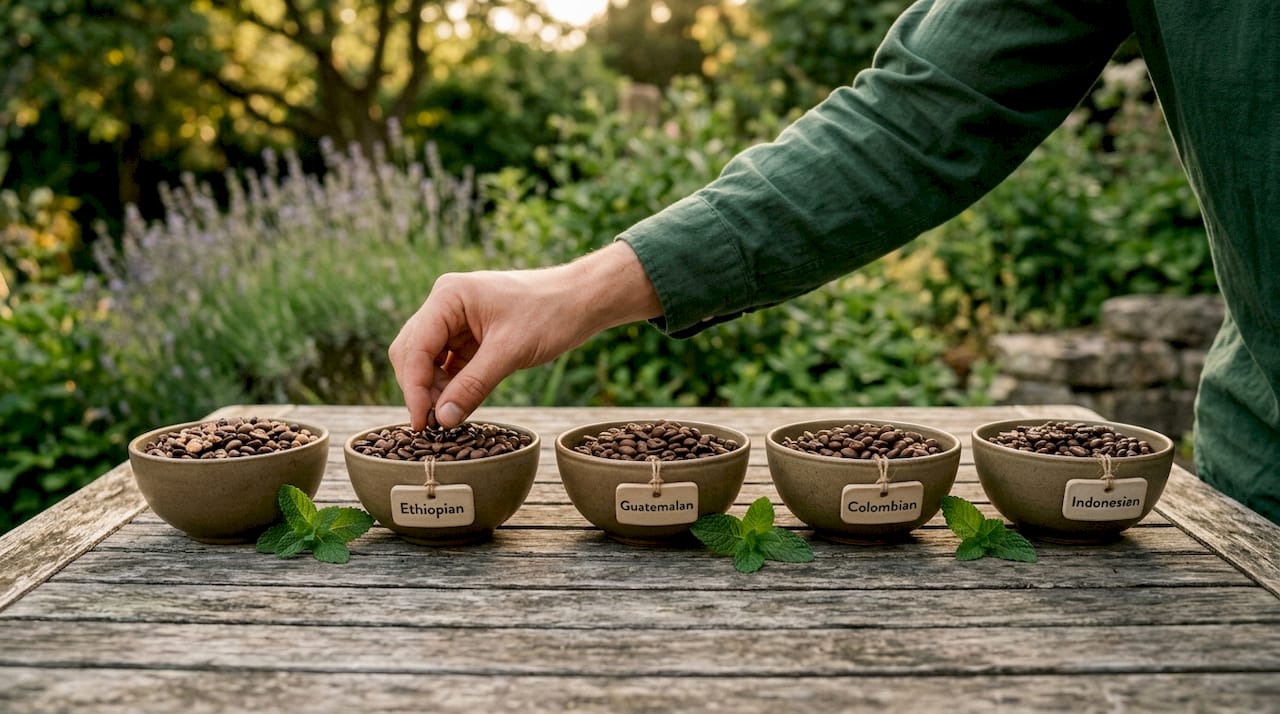
Here is a practical flavor guide to the world’s most celebrated single origin regions:
| Region | Altitude Range | Typical Flavor Notes | Processing Style |
|---|---|---|---|
| Ethiopia (Yirgacheffe) | 1,700–2,200m | Floral, blueberry, jasmine, bright acidity | Natural or washed |
| Colombia (Huila, Nariño) | 1,500–2,000m | Balanced acidity, caramel, red fruit, milk chocolate | Washed |
| Indonesia (Java, Ijen Plateau) | 900–1,500m | Clean, structured, mild earthiness, cocoa | Fully washed |
| Guatemala (Antigua, Huehuetenango) | 1,500–2,000m | Brown sugar, almond, mild spice, medium body | Washed |
| Kenya (Nyeri, Kirinyaga) | 1,400–2,000m | Blackcurrant, tomato, wine-like acidity, full body | Washed |
Ethiopia consistently produces some of the most aromatic and complex single origin coffees in the world, largely because it is the genetic birthplace of Arabica. Colombian coffees are beloved for their approachable balance, making them a reliable choice for drinkers transitioning from blends. Java’s Ijen Plateau and Preanger Highlands produce a cup profile that surprises most people expecting the typical Indonesian earthiness. Instead, you get a clean, structured cup closer in character to a Central American coffee, thanks to Java’s fully washed processing method.
Guatemala’s Antigua region benefits from volcanic soil and consistent dry seasons, which concentrate sugars in the bean and produce that distinctive brown sugar sweetness. Kenya’s double-washed SL28 and SL34 varieties are famous for their wine-like intensity, a flavor that can genuinely stop you mid-sip.
How do processing methods shape single origin coffee taste?
Processing is the step between harvesting the coffee cherry and delivering the green bean to the roaster, and it has an enormous impact on what ends up in your cup. The same bean from the same farm can taste completely different depending on how it was processed.
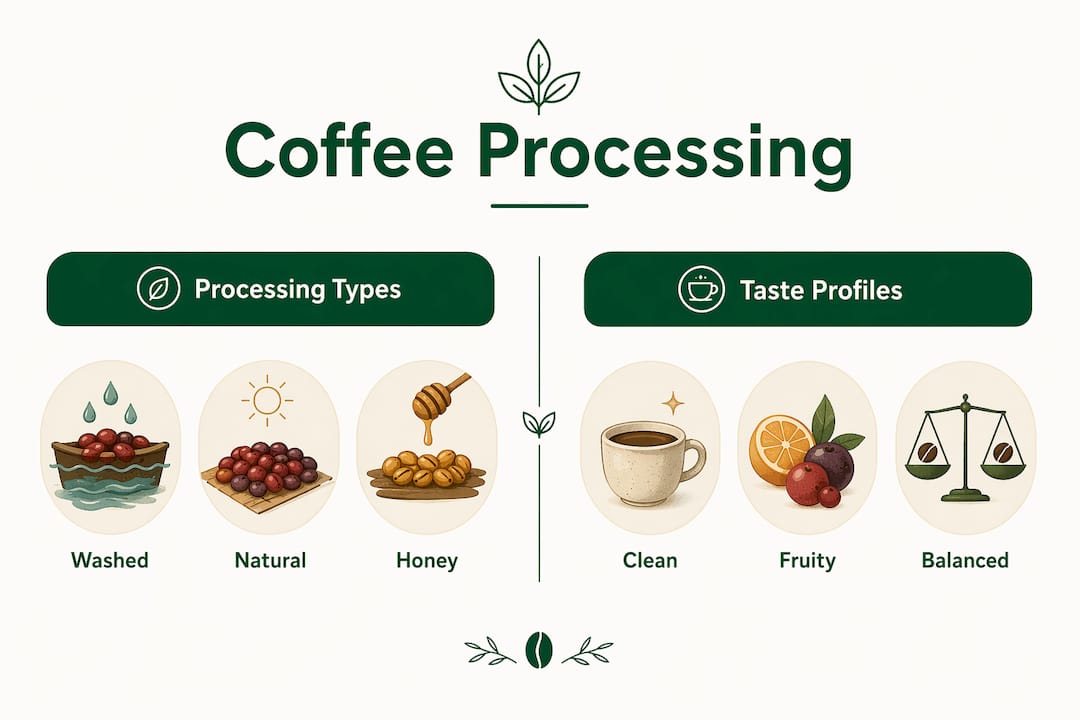
The four main methods are washed, natural, honey, and wet-hulled. Here is how they compare:
| Processing Method | Flavor Impact | Body | Clarity | Common Regions |
|---|---|---|---|---|
| Washed | Clean, bright, terroir-forward | Light to medium | High | Ethiopia, Colombia, Kenya, Java |
| Natural | Fruity, wine-like, fermented sweetness | Full | Lower | Ethiopia, Brazil, Yemen |
| Honey | Sweet, balanced, stone fruit notes | Medium | Medium | Costa Rica, El Salvador |
| Wet-hulled (Giling Basah) | Earthy, herbal, heavy body | Very full | Low | Sumatra, Sulawesi |
Washed Java Arabica is a textbook example of how processing transforms expectation. Most Indonesian coffees use wet-hulling, which strips the parchment while the bean is still moist, producing that signature earthy, low-acid profile. Java’s fully washed beans go through complete fermentation and washing before drying, yielding a cleaner and more structured cup that reads more like a Colombian than a Sumatran.
Natural processing, on the other hand, dries the whole coffee cherry intact. The fruit sugars ferment directly into the bean over weeks, which is why naturally processed Ethiopians taste almost like blueberry jam. This method amplifies sweetness but reduces clarity, meaning the terroir signal is softer and the fruit character dominates.
Pro Tip: When buying single origin coffee, look for the processing method on the bag. If it is not listed, ask the roaster. That single detail will tell you more about what to expect in the cup than the origin name alone.
Honey processing sits between washed and natural. The skin is removed but varying amounts of the sticky mucilage layer are left on the bean during drying. A red honey process leaves more mucilage, producing a sweeter, fuller cup. A yellow honey process removes more, resulting in something closer to a washed profile. Sustainably sourced coffee often highlights processing transparency as part of its ethical commitment to farmers and buyers alike.
How to select, brew, and enjoy single origin coffee at home
Getting the most out of single origin coffee requires a few deliberate choices at every stage, from the bag you pick off the shelf to the water temperature you pour over your grounds. Here is a practical sequence to follow:
-
Check the roast date, not the expiration date. Fresh beans with a clear roast date are the foundation of a great cup. Aim to brew within two to four weeks of the roast date for peak flavor. Fresh beans with clear origin info consistently yield the best tasting experiences.
-
Read the label for origin specifics. A bag that lists only “Ethiopia” is less informative than one that says “Ethiopia, Yirgacheffe, Kochere Cooperative, washed, 2025 harvest.” The more detail, the more the roaster values traceability and quality.
-
Match your brew method to the origin. Pour-over methods like the Hario V60 or Chemex work beautifully with washed African coffees because they preserve brightness and floral notes. A French press suits heavier Indonesian or Brazilian naturals, where body and richness are the main event. Pour-over and AeroPress are the two methods most recommended for unlocking nuanced single origin flavors.
-
Grind fresh, grind right. Burr grinders like the Baratza Encore or Fellow Ode produce a consistent grind size that extraction depends on. Pre-ground coffee loses volatile aromatics within 15 to 30 minutes of grinding, which is a significant loss for a bean you paid a premium for.
-
Use filtered water at the right temperature. Water between 195°F and 205°F (90°C to 96°C) extracts the full range of flavors without scorching delicate floral or fruit notes. Hard tap water with high mineral content can flatten a bright Ethiopian into something dull and muddy.
-
Taste without milk first. Single origin coffees are designed to be tasted black, at least initially. Adding milk immediately masks the origin characteristics you paid to experience. Try the first few sips black, then add what you like.
Exploring specialty grade beans from traceable sources is one of the most rewarding ways to deepen your coffee knowledge, and it directly supports the farmers who grow with care.
Key takeaways
Single origin coffee exploration rewards you most when you understand the connection between region, processing method, and brewing technique.
| Point | Details |
|---|---|
| Definition matters | Single origin means one farm, region, or country, not a blend of multiple sources. |
| Region shapes flavor | Altitude, soil, and climate determine whether a coffee tastes floral, fruity, earthy, or balanced. |
| Processing is decisive | Washed, natural, honey, and wet-hulled methods produce dramatically different cups from the same origin. |
| Brew method amplifies origin | Pour-over and AeroPress highlight clarity and nuance; French press suits heavier, earthier profiles. |
| Freshness is non-negotiable | Beans brewed within two to four weeks of the roast date deliver the most expressive single origin flavors. |
What years of tasting single origins taught me about coffee and place
I have tasted hundreds of single origin coffees over the years, and the one thing that still surprises me is how dramatically a single farm can shift from one harvest to the next. Most coffee writing treats origin flavor profiles as fixed facts. “Ethiopian coffees taste like blueberries.” “Colombians are balanced and sweet.” Those generalizations are useful starting points, but they can also become a trap.
The most memorable cup I ever had was a washed Guatemalan from a small farm in Huehuetenango that tasted nothing like the “brown sugar and almond” description on the bag. It was bright, almost savory, with a green grape note I had never encountered before. That experience taught me that the best single origin exploration is not about confirming what you expect. It is about staying curious when the cup surprises you.
I also think the coffee community undervalues processing knowledge relative to origin knowledge. Most casual drinkers can name three or four coffee-growing countries, but far fewer can explain the difference between a red honey and a yellow honey process. That gap is where the real flavor education lives. If you want to genuinely deepen your appreciation, spend a month drinking only washed coffees, then switch to naturals. The contrast will teach you more than any tasting note ever could.
The traceability and impact of where your coffee comes from is not just an ethical consideration. It is a flavor consideration. Farms that invest in careful processing and sustainable practices consistently produce more expressive, higher-quality beans. Your curiosity and your values can point in exactly the same direction.
— LaSaundra
Explore single origin coffees from Ecoviberoast
If this guide has you ready to taste the difference for yourself, Ecoviberoast makes it genuinely easy to start. Every coffee in the Ecoviberoast collection is sustainably sourced, with transparent origin information so you know exactly where your beans come from and how they were processed.

The single serve coffee pods are a particularly smart way to explore different origins without committing to a full bag of each. You get a consistent, convenient brew every time, and every purchase supports Ecoviberoast’s commitment to planting mangrove trees and removing ocean-bound plastics. Explore the full single serve collection and find the origin that speaks to you. Good coffee and a healthier planet really do go hand in hand.
FAQ
What is single origin coffee?
Single origin coffee refers to beans sourced from one specific farm, region, or country rather than blended from multiple origins. This sourcing method enhances flavor uniqueness and traceability compared to multi-origin blends.
How does single origin coffee taste different from a blend?
Single origin coffees express terroir-specific flavors like floral, fruity, or earthy notes that reflect their exact growing environment. Blends are designed for consistency and balance, which smooths out those distinctive regional characteristics.
Which coffee regions are best for beginners to explore?
Ethiopia and Colombia are the most accessible starting points for single origin exploration. Ethiopian coffees offer bright floral and fruit notes, while Colombian coffees deliver a balanced, approachable sweetness that transitions well from blends.
Does the processing method really change the flavor that much?
Yes, processing method is one of the most significant flavor variables in single origin coffee. A washed Java Arabica produces a clean, structured cup, while a naturally processed Ethiopian from the same altitude can taste intensely fruity and wine-like.
How do I know if a single origin coffee is fresh and high quality?
Look for a roast date on the bag and aim to brew within two to four weeks of that date. Bags that list the specific farm, harvest year, variety, and processing method signal a roaster who prioritizes quality and traceability.


