

Choosing coffee that matches both your values and taste can be challenging, especially with so many labels claiming to be ‘specialty.’ For eco-conscious millennials and Gen Z drinkers looking to make a difference, understanding what truly defines specialty grade beans is key. Specialty grade beans stand apart not just for their flavor but for rigorous standards and transparent sourcing. This guide will cut through common myths and reveal how real specialty coffee supports global sustainability from farm to cup.
Table of Contents
- Defining Specialty Grade Beans And Common Myths
- Scoring Standards And Certification Processes
- Production Methods: From Farm To Roaster
- Key Flavor Profiles And Origin Differences
- Ethical Sourcing And Sustainability Impact
- Choosing Specialty Beans For Your Values
Key Takeaways
| Point | Details |
|---|---|
| Specialty Grade Beans | Specialty grade beans are defined by strict quality criteria, including minimal defects and exceptional flavor profiles, representing the top 5% of global coffee production. |
| Grading Process | The evaluation process involves rigorous sensory and physical assessments conducted by trained experts to ensure consistent quality and transparency. |
| Sustainable Practices | Ethical sourcing and sustainable farming practices play a crucial role in the production of specialty coffee, supporting environmental conservation and fair labor. |
| Consumer Choices | Conscious consumers can drive positive change by selecting specialty beans that align with their values, focusing on transparency, fair compensation, and sustainability. |
Defining Specialty Grade Beans and Common Myths
The world of specialty coffee goes far beyond simply brewing a morning cup - it represents a commitment to exceptional quality, sustainability, and precision. Specialty grade beans represent the pinnacle of coffee craftsmanship, meticulously evaluated through rigorous standards that distinguish them from commercial-grade alternatives.
According to industry research, specialty coffee is defined by extraordinarily strict criteria. Digital imaging and machine learning technologies now enable precise bean classification, with specialty grade representing approximately 37% of global coffee production. The key characteristics that define these premium beans include:
- Absence of primary defects
- Maximum of five secondary defects per 300g sample
- Manually or technologically assessed quality standards
- Exceptional cup quality and flavor profile
Common myths about specialty coffee often misrepresent its true nature. Many consumers mistakenly believe that specialty grade is simply about price or branding, when in reality, it represents a complex evaluation process. Specialty grade certification requires comprehensive assessment of physical characteristics and sensory experiences.
The grading process involves multiple critical evaluation stages. Coffee experts examine beans for:
- Physical integrity and uniformity
- Color and appearance consistency
- Defect identification
- Flavor complexity
- Aroma characteristics
These meticulous standards ensure that only the most exceptional beans receive specialty grade designation. Objective grading technologies have revolutionized this process, providing more accurate and repeatable quality assessments compared to traditional manual methods.
Here is a comparison of specialty coffee grading versus commercial coffee grading:
| Criterion | Specialty Grade Coffee | Commercial Grade Coffee |
|---|---|---|
| Defect Allowance | Minimal defects allowed | More defects tolerated |
| Evaluation Process | Expert sensory and physical tests | Automated or basic manual checks |
| Flavor Requirements | Distinct, high complexity | Basic, consistent but simple taste |
| Traceability | Detailed origin and processing | Often blended, limited traceability |
Pro tip: When searching for true specialty grade beans, look for detailed sourcing information and certifications from recognized coffee associations, not just marketing claims.
Scoring Standards and Certification Processes
Understanding specialty coffee certification requires deep insight into the intricate evaluation systems that separate exceptional beans from ordinary ones. Coffee scoring standards represent a sophisticated approach to quality assessment, ensuring only the most remarkable beans receive specialty grade recognition.
Specialty Coffee Association (SCA) standards provide the most comprehensive framework for coffee evaluation. Their rigorous 100-point scoring system assesses multiple critical attributes, with trained professionals conducting meticulous examinations. Key evaluation criteria include:
- Aroma complexity
- Flavor intensity
- Acidity balance
- Body characteristics
- Overall taste experience
- Physical bean integrity
- Defect identification
To qualify as specialty grade, coffees must achieve a minimum score of 80 points, representing approximately the top 5% of global coffee production. This stringent process involves professional Q-Graders who conduct blind tastings under controlled conditions, ensuring objective and consistent evaluations.
The certification process involves multiple sophisticated stages:
- Initial visual bean inspection
- Green bean defect assessment
- Roasting preparation
- Cupping and sensory evaluation
- Comprehensive scoring
Systematic grading protocols support transparency and maintain high industry standards. These protocols help consumers understand the precise quality metrics behind their favorite specialty coffee selections, transforming coffee appreciation from a casual experience to a nuanced exploration of flavor and craftsmanship.
Pro tip: Request detailed scoring information from coffee suppliers to truly understand the quality and characteristics of your specialty beans.
Production Methods: From Farm to Roaster
Specialty coffee production is a sophisticated journey that transforms humble coffee cherries into extraordinary beverages, requiring meticulous attention at every stage. Sustainable farming practices form the critical foundation of exceptional coffee, where environmental stewardship meets agricultural expertise.
Advanced production techniques have revolutionized how coffee moves from farm to roaster, integrating traditional knowledge with cutting-edge technologies. The production process involves several intricate stages:
- Selective cherry harvesting
- Controlled fermentation methods
- Precision drying techniques
- Careful bean sorting
- Sustainable processing protocols
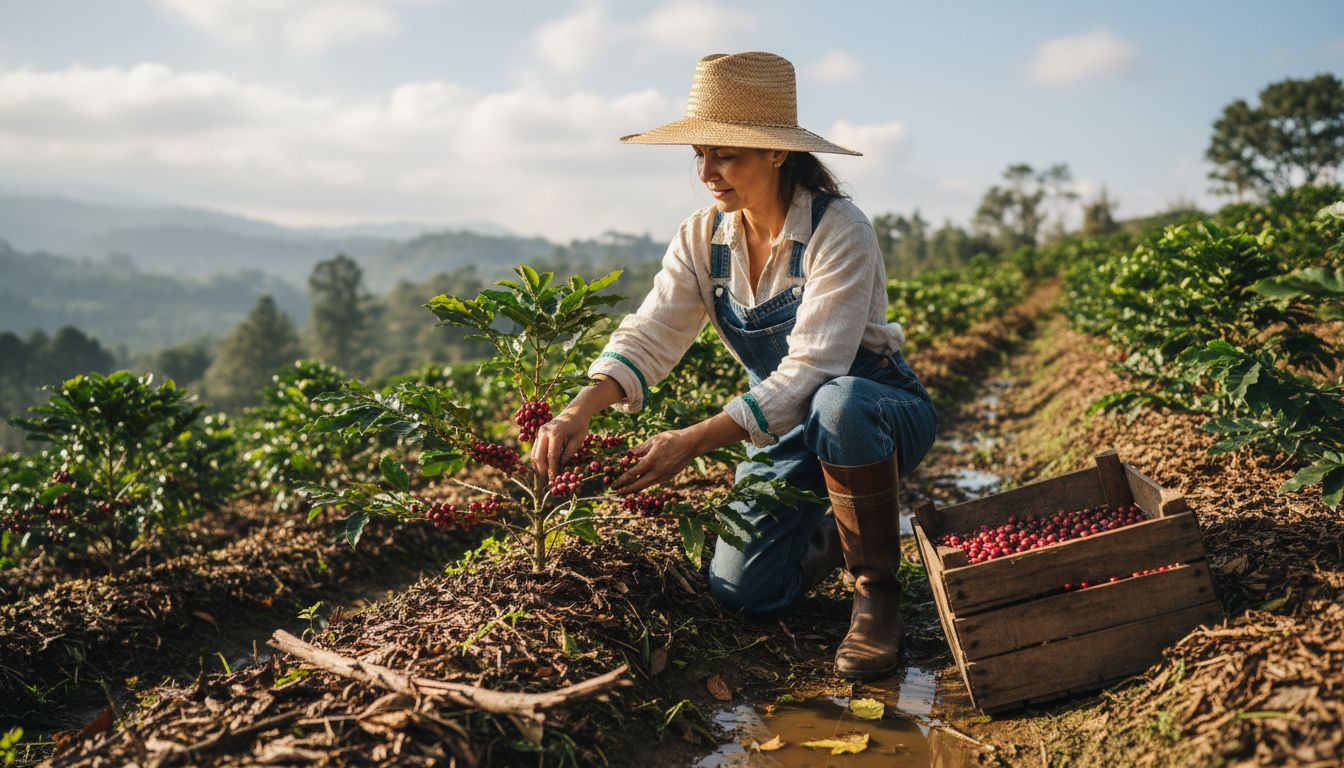
Each stage presents unique challenges and opportunities for quality enhancement. Farmers and processors must navigate complex environmental conditions while maintaining the delicate flavor profiles that distinguish specialty beans. Selective harvesting plays a crucial role, with workers carefully picking only the ripest cherries to ensure optimal taste and quality.
The postharvest processing represents another critical phase in coffee production. Techniques can dramatically influence final flavor, with methods including:
- Traditional sun-drying approaches
- Controlled fermentation experiments
- Innovative enzymatic treatments
- Precise moisture content management
- Careful storage and transportation
Novel technologies in coffee production continue to emerge, addressing challenges like climate change and maintaining consistent quality. These innovations help preserve the unique characteristics that make each specialty coffee exceptional, supporting both environmental sustainability and flavor complexity.
Pro tip: Ask your coffee supplier about their specific production methods to truly understand the journey behind each extraordinary bean.
Key Flavor Profiles and Origin Differences
Specialty coffee is a sensory journey that celebrates the unique characteristics of different global regions, transforming each cup into a complex narrative of flavor, culture, and environmental context. Geographic origin plays a pivotal role in determining the intricate taste profiles that coffee enthusiasts cherish and explore.
Molecular analysis of coffee varieties reveals the profound impact of terroir on flavor development. Different coffee-producing regions offer distinctive taste experiences:
- South American beans: Balanced, nutty, chocolatey notes
- African coffees: Bright, fruity, floral characteristics
- Asian coffees: Earthy, spicy flavor profiles
- Central American coffees: Clean, mild, with subtle citrus undertones
Understanding these regional variations requires appreciating the intricate factors that influence bean development. Altitude, soil composition, and microclimate interact to create unique flavor signatures that make each coffee origin distinctive.
The two primary coffee species offer dramatically different flavor experiences:
- Arabica: Sweeter, more nuanced flavors
- Robusta: Bolder, earthier taste profile
- Hybrid varieties: Complex intermediate characteristics
Chemical and biological analysis continues to deepen our understanding of how specific environmental conditions shape coffee’s sensory attributes. These scientific insights help coffee lovers appreciate the intricate journey from cherry to cup, transforming each brewing experience into a celebration of global agricultural diversity.
The following table summarizes how geographic origin influences specialty coffee flavor:
| Region | Typical Flavor Notes | Influencing Factors |
|---|---|---|
| South America | Nutty, chocolate, balanced | Altitude, rich volcanic soil |
| Africa | Fruity, floral, bright | Diverse microclimates, old soil |
| Asia | Earthy, spicy, bold | Monsoon, low acidity soil |
| Central America | Mild, citrus, clean | High elevation, volcanic soil |
Pro tip: Sample single-origin coffees side by side to develop a nuanced understanding of regional flavor variations.
Ethical Sourcing and Sustainability Impact
The world of specialty coffee extends far beyond taste, representing a powerful mechanism for global environmental and social transformation. Sustainable sourcing has emerged as a critical framework that connects conscious consumers with meaningful agricultural practices that support both ecological balance and human communities.
Local sustainability governance has revolutionized coffee production by empowering communities to create holistic approaches that balance economic needs with environmental preservation. The multidimensional impact of ethical sourcing encompasses several critical areas:
- Economic empowerment for farming communities
- Biodiversity conservation
- Reduced carbon footprint
- Fair labor practices
- Transparent supply chain management
Ethical coffee sourcing requires complex collaboration between multiple stakeholders, including multinational corporations, local governments, and nonprofit organizations. Fair compensation stands as a fundamental principle, ensuring that farmers receive appropriate financial recognition for their labor and environmental stewardship.
The sustainability journey involves multiple interconnected strategies:
- Implementing transparent pricing models
- Supporting regenerative agricultural practices
- Investing in community infrastructure
- Protecting indigenous farming knowledge
- Creating long-term economic opportunities
Specialty Coffee Association’s sustainability framework continues to drive innovative approaches that transform traditional coffee production models. By integrating economic, social, and environmental considerations, the specialty coffee sector demonstrates how agricultural industries can become powerful agents of positive global change.
Pro tip: When purchasing coffee, prioritize brands that provide detailed information about their sourcing practices and community support initiatives.
Choosing Specialty Beans for Your Values
Conscious coffee consumers understand that every purchase represents more than just a morning ritual - it’s a powerful statement of personal values and global impact. Ethical bean selection transcends taste, becoming a meaningful way to support sustainable agricultural practices and community empowerment.
Sustainable coffee innovations have transformed how consumers approach their coffee choices, emphasizing transparency and social responsibility. Key considerations for value-driven bean selection include:
- Direct trade relationships
- Transparent supply chain documentation
- Fair compensation for farmers
- Environmental conservation practices
- Community development initiatives
- Organic and regenerative farming methods
Evaluating specialty beans requires a holistic approach that goes beyond simple flavor profiles. Certification credentials serve as critical indicators of a coffee’s broader social and environmental impact, helping consumers make informed decisions that align with their personal ethics.
Consumers can navigate ethical bean selection through strategic evaluation methods:
- Research brand sustainability reports
- Verify third-party certifications
- Understand origin-specific farming practices
- Assess supply chain transparency
- Consider long-term producer partnerships
The journey of selecting specialty beans becomes a powerful form of global citizenship, where individual choices collectively drive meaningful change in agricultural systems and community development.
Pro tip: Request detailed sourcing information from coffee providers, and don’t hesitate to ask about their specific environmental and social impact initiatives.
Elevate Your Coffee Experience with Truly Sustainable Specialty Beans
For eco-conscious coffee lovers, the challenge lies in finding specialty grade beans that deliver exceptional flavor while supporting ethical sourcing and environmental sustainability. The article highlights key concerns such as rigorous grading standards, transparent supply chains, and sustainable farming practices. At EcoVibe Roast, we understand your passion for coffee that not only tastes remarkable but also makes a positive impact on the planet and farming communities.
Discover our collection of carefully curated Coffee and Tea example products that reflect these values. Each purchase supports initiatives like planting mangrove trees and removing ocean-bound plastics, enabling you to enjoy a premium brew while fostering global environmental stewardship.

Explore our Best Sellers – EcoVibe Roast for specialty beans meeting the highest quality and ethical standards. Act now to join a community of conscious consumers who transform their daily ritual into a powerful statement of sustainability. Visit https://ecoviberoast.com and take the next step toward savoring coffee that aligns with your values and uplifts our planet.
Frequently Asked Questions
What are specialty grade beans?
Specialty grade beans are the highest quality coffee beans that have undergone rigorous evaluation to meet strict criteria, including minimal defects, exceptional flavor, and detailed traceability of their origins.
How is the quality of specialty coffee assessed?
Specialty coffee quality is assessed through a comprehensive grading process that includes physical inspections, defect identification, and sensory evaluations by trained professionals using a scoring system that typically requires at least 80 points to qualify.
What are the benefits of choosing specialty coffee for eco-conscious consumers?
Choosing specialty coffee supports sustainable farming practices, promotes fair compensation for farmers, and encourages environmentally friendly methods, allowing consumers to make ethical choices that positively impact the environment and communities.
How can I identify ethically sourced specialty beans?
Look for brands that provide detailed information about their sourcing practices, such as direct trade relationships and third-party certifications. Evaluating sustainability reports and understanding farming practices can also help in identifying ethically sourced specialty beans.


