

Choosing what goes into your coffee cup means more than just picking your favorite roast or origin. For many, coffee is a daily habit that can either support or harm the planet’s delicate ecosystems. Understanding what makes coffee beans organic helps you align your choices with your commitment to both environmental protection and personal well-being. Discover the essential qualities that set organic coffee apart in terms of health, sustainability, and social responsibility.
Table of Contents
- What Makes Coffee Beans Organic?
- Types of Organic Certifications and Labels
- Health Benefits of Organic Coffee Beans
- Environmental Impact of Organic Coffee Farming
- How Organic Coffee Supports Farmers and Communities
- Comparing Organic Vs. Conventional Coffee Beans
Key Takeaways
| Point | Details |
|---|---|
| Organic Coffee Emphasizes Sustainability | Organic coffee farming prioritizes environmental stewardship through practices that enhance biodiversity and soil health. |
| Certifications Ensure Ethical Standards | Various certifications like USDA Organic and Fairtrade validate sustainable and responsible farming practices, ensuring both quality and fair treatment of farmers. |
| Health Benefits Over Conventional Coffee | Organic coffee contains beneficial compounds without harmful pesticides, promoting better health and potentially reducing chronic disease risks. |
| Support for Farming Communities | Organic and Fairtrade practices provide economic justice for farmers, enhancing community resilience and fostering social development through transparent trading systems. |
What Makes Coffee Beans Organic?
Organic coffee represents a holistic approach to agricultural production that goes far beyond simply avoiding synthetic chemicals. At its core, organic coffee production is a comprehensive system focused on environmental stewardship, sustainable farming practices, and protecting both human and ecological health. Organic certification standards require coffee to be grown on land free from artificial chemicals for at least three years, ensuring a clean agricultural foundation.
The key characteristics that define organic coffee beans involve multiple critical dimensions. Farmers must completely eliminate synthetic pesticides, herbicides, and fertilizers, instead relying on natural pest management and soil enhancement techniques. These methods include crop rotation, companion planting, and using organic fertilizers like compost and natural amendments. By avoiding toxic chemical interventions, organic coffee production protects water quality and supports biodiversity, creating a more balanced ecosystem on coffee farms.
Beyond environmental considerations, organic certification also encompasses social responsibility. Farmers practicing organic agriculture typically prioritize worker safety by reducing chemical exposure and implementing more holistic labor practices. This approach supports healthier working conditions and promotes long-term sustainability for coffee-growing communities. Many organic coffee producers are small-scale farmers who view their land as a living system, integrating traditional agricultural knowledge with modern sustainable practices.
Pro tip: When selecting organic coffee beans, look for certifications from recognized organizations and prioritize single-origin beans that provide transparent information about their farming practices.
Types of Organic Certifications and Labels
The world of organic coffee certifications is complex and nuanced, with multiple organizations establishing rigorous standards to validate sustainable and ethical production practices. Coffee certifications worldwide include several key designations that address different aspects of environmental and social responsibility. The United States Department of Agriculture (USDA) Organic certification remains the most recognized standard, requiring coffee producers to demonstrate strict adherence to chemical-free agricultural practices and comprehensive land management protocols.
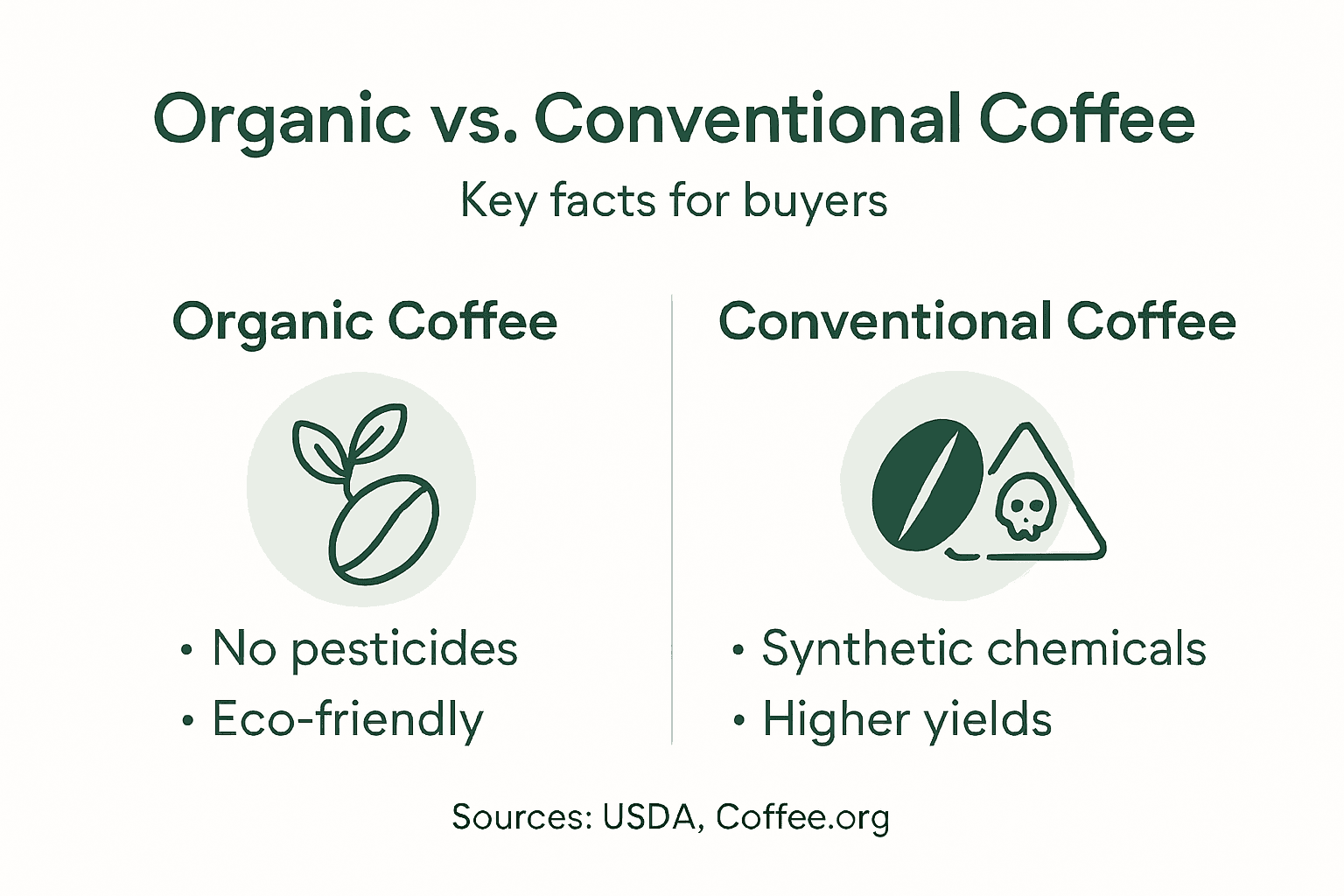
Beyond USDA standards, several important certifications provide additional layers of verification and support for coffee farmers. Fairtrade certification focuses on economic justice, ensuring farmers receive fair compensation and work under humane conditions. Rainforest Alliance certification emphasizes environmental protection, requiring producers to maintain biodiversity, protect wildlife habitats, and implement sustainable land management techniques. The Bird Friendly certification represents an especially rigorous standard, mandating that coffee be grown under a diverse forest canopy that supports migratory bird populations and complex ecosystem interactions.
Each certification system offers unique benefits and priorities. International coffee standards demonstrate a collective commitment to integrating environmental stewardship, social equity, and economic sustainability. Some certifications like Regenerative Organic Certification go beyond traditional organic standards by addressing soil health, animal welfare, and farmworker fairness. These comprehensive approaches reflect a growing understanding that truly sustainable coffee production requires holistic consideration of ecological and human systems.
Here is a concise overview of major organic coffee certifications and what makes each unique:
| Certification Type | Primary Focus | Key Requirement | Typical Label Symbol |
|---|---|---|---|
| USDA Organic | Chemical-free farming | No synthetic chemicals, 3+ years | USDA Organic seal |
| Fairtrade | Economic justice | Fair prices and worker rights | Fairtrade mark |
| Rainforest Alliance | Environmental impact | Biodiversity and wildlife protection | Green frog label |
| Bird Friendly | Ecosystem diversity | Shade-grown, supports bird habitat | Smithsonian bird-friendly seal |
| Regenerative Organic | Holistic sustainability | Soil health and farmworker fairness | Regenerative Organic Certified |
Pro tip: When purchasing organic coffee, compare multiple certification labels and look for beans that carry multiple endorsements to ensure the most comprehensive approach to sustainability.
Health Benefits of Organic Coffee Beans
Organic coffee offers a powerful combination of health-promoting compounds that set it apart from conventionally grown alternatives. Beneficial plant compounds in organic coffee include potent antioxidants and natural caffeine that can enhance mental alertness, support cognitive function, and potentially provide protection against certain chronic diseases. The absence of synthetic pesticides means these beneficial compounds are delivered without the additional risk of chemical contaminants that can be present in conventionally produced coffee.
The health advantages of organic coffee extend beyond its nutritional profile. By eliminating exposure to synthetic pesticides and fertilizers, organic coffee production reduces the potential for harmful chemical residues in your daily brew. Research suggests that these chemical-free growing practices may contribute to lower long-term health risks. Antioxidants like chlorogenic acid and polyphenols found in organic coffee have been linked to potential benefits including reduced inflammation, improved metabolic health, and even potential protective effects against neurodegenerative conditions.
While the direct health benefits continue to be studied, organic food research indicates that choosing organic can minimize exposure to potentially harmful agricultural chemicals. The holistic approach of organic farming not only supports individual health but also contributes to broader environmental wellness. The cultivation methods prioritize soil health, biodiversity, and sustainable agricultural practices, which indirectly support human health through more balanced and resilient ecosystems.
Pro tip: Look for single-origin organic coffee beans and brew them freshly ground to maximize the potential health benefits and enjoy the most robust flavor profile.
Environmental Impact of Organic Coffee Farming
Organic coffee farming represents a transformative approach to agricultural production that goes far beyond simply avoiding synthetic chemicals. Sustainable coffee farming techniques prioritize ecological balance through innovative practices like shade-grown cultivation, multi-cropping, and integrated land management. These methods create a comprehensive environmental strategy that supports biodiversity, reduces soil erosion, and builds agricultural resilience against climate change challenges.
The ecological benefits of organic coffee production are multifaceted and profound. By eliminating synthetic pesticides and fertilizers, organic farms protect critical ecosystem interactions. Shade-grown coffee plantations, for instance, create complex habitats that support diverse bird populations, insects, and plant species. This approach contrasts sharply with conventional full-sun monocropping systems that strip landscapes of their natural biodiversity and create vulnerable agricultural environments. The intricate root systems of shade trees help prevent soil erosion, improve water retention, and contribute to carbon sequestration, making organic coffee farms powerful allies in environmental conservation.
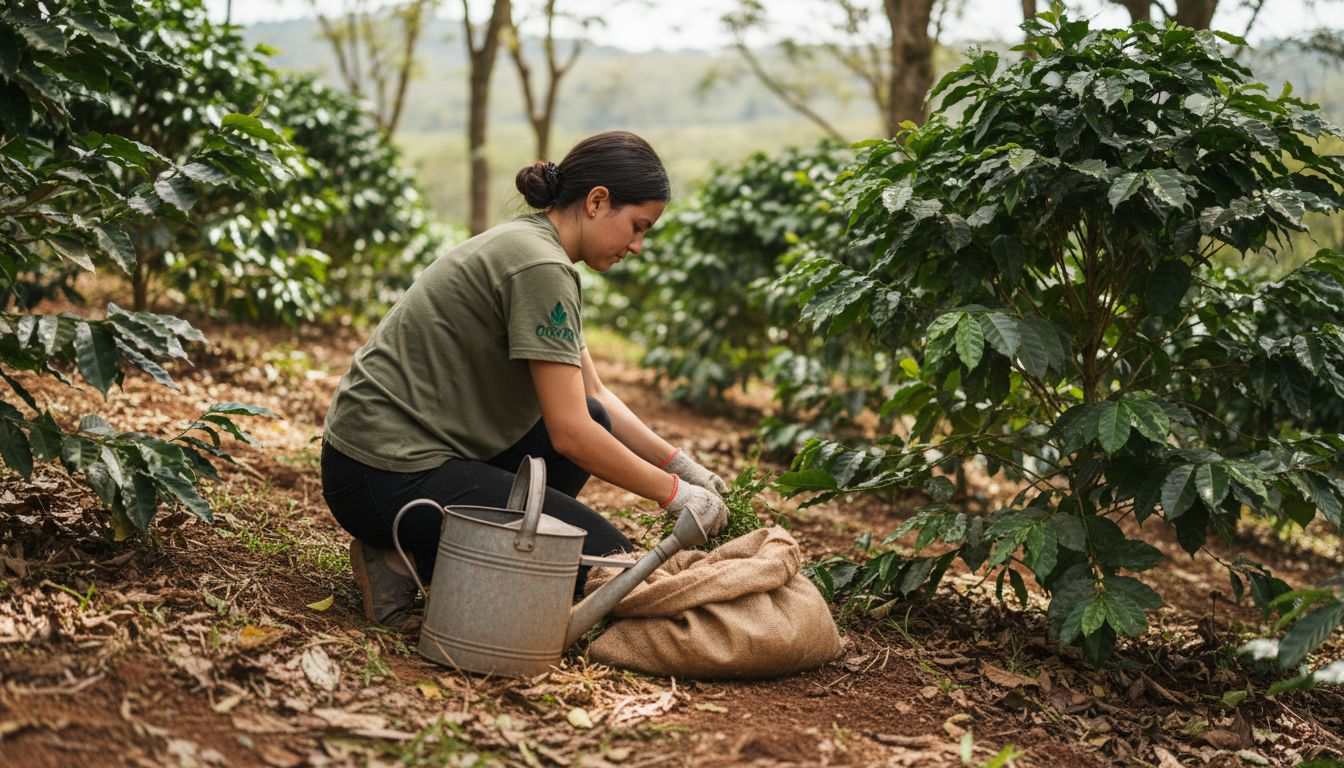
Beyond direct ecological impacts, organic coffee farming supports broader environmental sustainability goals. The agricultural practices reduce water pollution, minimize carbon emissions, and create more resilient farming ecosystems. By working with natural agricultural cycles rather than against them, organic coffee producers demonstrate how food production can be both environmentally responsible and economically viable. These holistic approaches represent a critical model for sustainable agriculture, showing that environmental stewardship and food production can successfully coexist.
The following table highlights how organic coffee farming methods impact the environment compared to conventional practices:
| Farming Method | Organic Coffee Impact | Conventional Coffee Impact |
|---|---|---|
| Pesticide Use | Natural pest management | Synthetic pesticide application |
| Land Management | Crop rotation, shade trees | Monoculture, full-sun planting |
| Biodiversity | High, supports wildlife | Low, disrupts natural habitats |
| Soil and Water Quality | Enhanced, fewer pollutants | Degraded, chemical runoff risk |
| Carbon Footprint | Lower, promotes sequestration | Higher, less carbon storage |
Pro tip: Choose coffee brands that provide detailed information about their farming practices and environmental commitments to support truly sustainable agricultural systems.
How Organic Coffee Supports Farmers and Communities
Fair Trade certification represents a transformative approach to supporting coffee farming communities by ensuring economic justice and sustainable development. Unlike conventional trading models, this system guarantees fair pricing and wages for smallholder farmers, creating a more equitable global coffee supply chain. These economic protections help stabilize rural communities, providing farmers with reliable income streams that extend far beyond simple commodity transactions.
The impact of organic and Fair Trade practices goes well beyond immediate financial benefits. International initiatives focus on empowering coffee-growing communities through targeted social investments. Premiums from organic coffee sales frequently fund critical community infrastructure projects, including healthcare facilities, educational programs, and local economic development initiatives. These investments create sustainable pathways for rural communities to build long-term economic resilience, breaking cycles of poverty and dependency.
International coffee organizations emphasize the critical role of sustainable coffee production in supporting approximately 12.5 million farming families worldwide. By prioritizing organic farming practices, these communities gain access to international markets with higher value standards, encouraging more sustainable and environmentally conscious agricultural techniques. The holistic approach integrates economic opportunity with ecological stewardship, demonstrating how conscious consumer choices can drive meaningful social and environmental change.
Pro tip: When purchasing coffee, look for brands that provide transparent information about their farmer support programs and community investment strategies.
Comparing Organic vs. Conventional Coffee Beans
Organic coffee production fundamentally differs from conventional methods in its approach to agricultural practices, environmental stewardship, and product quality. While conventional coffee farming prioritizes maximum yield through synthetic chemical interventions, organic coffee cultivation focuses on holistic ecosystem health, natural pest management, and sustainable land use. This critical distinction impacts not just the coffee beans themselves, but the entire agricultural landscape in which they are grown.
The key differences between organic and conventional coffee beans extend far beyond farming techniques. Conventional coffee production typically involves synthetic pesticides, chemical fertilizers, and intensive farming methods that can compromise soil health and biodiversity. Organic coffee beans, by contrast, are cultivated using natural fertilizers, crop rotation, and biological pest control methods that support complex ecological interactions. These practices result in coffee beans with potentially different flavor profiles, nutritional characteristics, and environmental footprints.
Economic and health considerations further distinguish organic from conventional coffee. Organic coffee often commands premium prices due to more labor-intensive production methods and certification requirements. Consumers choosing organic coffee are not just purchasing a beverage, but investing in a more sustainable agricultural model that prioritizes worker safety, ecosystem preservation, and long-term environmental resilience. While organic coffee may have slightly lower yields, its comprehensive approach to production offers substantial benefits that extend well beyond the individual cup of coffee.
Pro tip: When comparing coffee beans, look beyond price and investigate the farming practices, certifications, and environmental commitments of different coffee producers.
Choose Organic Coffee Beans That Truly Make a Difference
If you want to enjoy coffee that not only tastes rich and pure but also supports your health and the planet, choosing organic coffee beans is essential. This article highlights key challenges like avoiding synthetic chemicals, supporting biodiversity, and fostering fair farming practices. At EcoVibe Roast, we understand these goals and offer a carefully curated selection of organic coffees that align with your values. Our commitment to environmental stewardship includes planting mangrove trees and removing ocean-bound plastics with every purchase, ensuring your daily cup also nurtures the earth.

Ready to savor organic coffee that delivers on health, taste, and impact? Explore our Best Sellers – EcoVibe Roast for top-rated organic options or browse all our Coffee and Tea example products – EcoVibe Roast to find the perfect match for your lifestyle. Visit EcoVibe Roast today and take a meaningful step toward a healthier you and a more sustainable world.
Frequently Asked Questions
What makes coffee beans organic?
Organic coffee beans are grown without synthetic pesticides, herbicides, or fertilizers, emphasizing natural pest management and soil enhancement techniques that promote environmental health.
What are the health benefits of organic coffee?
Organic coffee contains beneficial antioxidants and natural caffeine, with reduced exposure to harmful chemical residues, potentially supporting cognitive function and lowering long-term health risks.
How does organic coffee farming impact the environment?
Organic coffee farming practices prioritize biodiversity, reduce soil erosion, and promote carbon sequestration, contributing to a healthier ecosystem compared to conventional farming methods.
What certifications should I look for when buying organic coffee?
Look for recognized certifications such as USDA Organic, Fairtrade, Rainforest Alliance, and Bird Friendly, as these indicate adherence to strict environmental and social responsibility standards.


