

Opening your favorite single-serve coffee pod can feel like a small luxury until you realize the plastic and aluminum often outlive the morning’s buzz. For eco-conscious millennials and Gen Z coffee fans, the search for a truly green solution matters more than ever. Compostable coffee pods break down in industrial composting facilities, achieving full circularity and turning both pod and grounds into valuable compost instead of landfill waste. Discover how these pods redefine sustainability without sacrificing flavor or convenience.
Table of Contents
- What Compostable Coffee Pods Really Are
- Major Types And Their Key Differences
- Composting Process And Certification Standards
- Real-World Benefits For The Environment
- Common Pitfalls And Disposal Mistakes
Key Takeaways
| Point | Details |
|---|---|
| Compostable Pods Offer Sustainability | Compostable coffee pods biodegrade and can turn into nutrient-rich compost, unlike traditional plastic pods that linger in landfills for centuries. |
| Importance of Local Infrastructure | The environmental benefits of compostable pods depend on access to industrial composting facilities, so verify local capabilities before switching. |
| Certification Matters | Look for certified compostable pods to ensure proper biodegradation and avoid misleading products that may break down improperly. |
| Proper Disposal is Crucial | Misplacing compostable pods in regular waste or recycling bins undermines their potential environmental impact, so confirm disposal guidelines in your area. |
What Compostable Coffee Pods Really Are
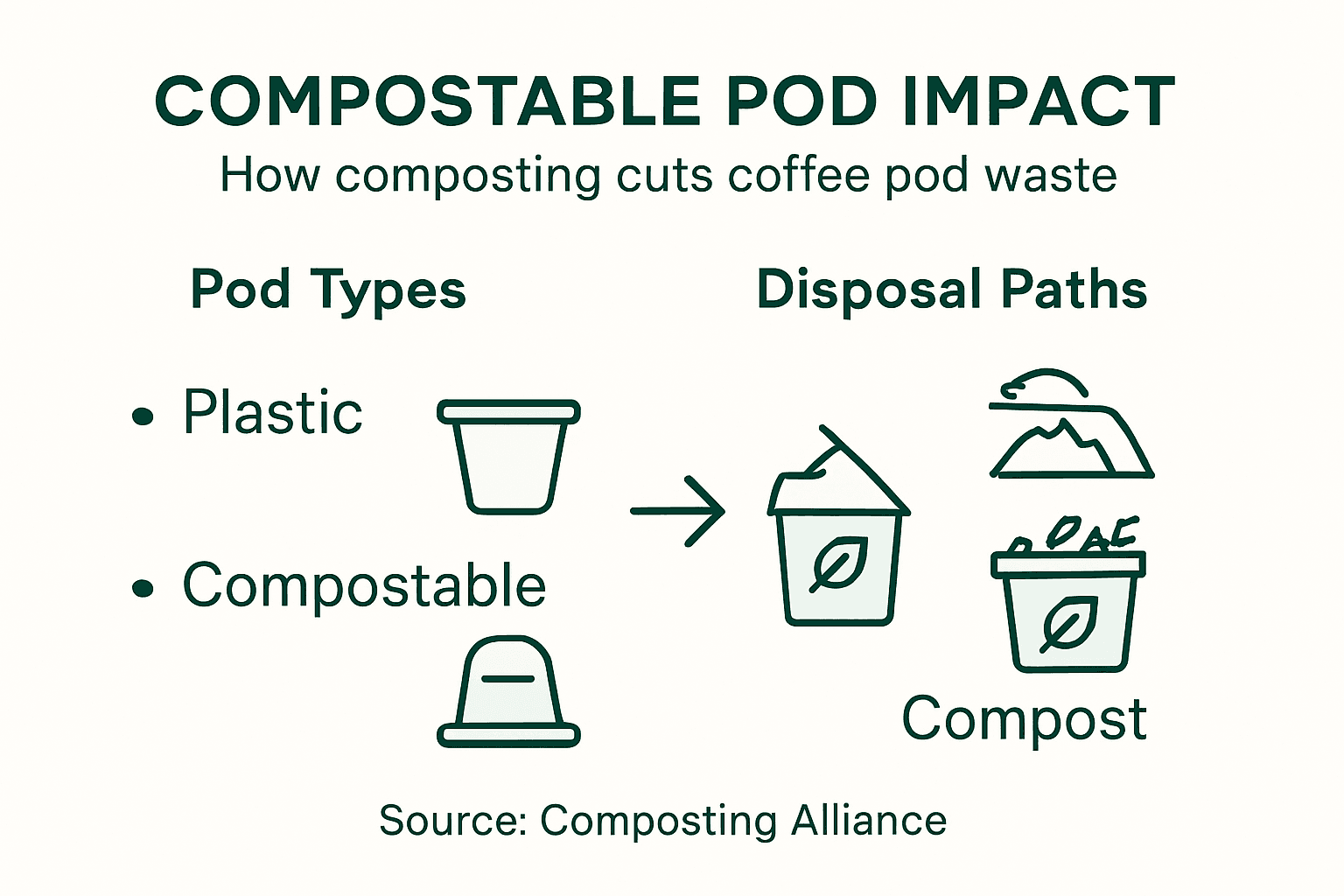
Compostable coffee pods represent a significant shift from traditional single-serve capsules. Unlike the plastic and aluminum pods cluttering landfills, these pods are engineered from bio-based, biodegradable materials designed to break down in industrial composting facilities. Think of them as the coffee industry’s answer to the mounting waste crisis that’s defined single-serve brewing for decades.
The key difference lies in how they function at end-of-life. Compostable pods achieve full circularity when composted properly, transforming both the capsule material and coffee grounds into nutrient-rich compost. Research from Wageningen University & Research demonstrates this complete recyclability, whereas conventional pods simply persist in landfills for decades. What makes this particularly compelling is that these pods work toward sustainability even if disposal isn’t perfect.
These pods address what’s become an undeniable problem. Standard single-serve capsules generate tons of plastic waste annually while your morning brew should feel good, not guilt-inducing. Compostable pods are designed to biodegrade in industrial composting facilities, aligning with genuine sustainability goals by eliminating plastic pollution and enabling organic recycling of coffee waste alongside pod materials.
The materials used make all the difference. Most compostable pods use plant-based bioplastics or materials like polybutylene adipate terephthalate (PBAT), which decompose naturally under the right conditions. They maintain the convenience you expect from pod brewing while eliminating the environmental guilt. When you choose these pods, you’re not sacrificing performance for ethics. When understanding sustainability in single-serve coffee pods, you’ll see that compostable options deliver comparable taste and ease without the lasting damage.
One important reality: these pods only deliver their environmental promise when they reach actual composting facilities. Municipal composting infrastructure varies widely, which is why choosing quality compostable pods from brands committed to sustainability matters. You want pods that meet certification standards like BPI or OK Compost, ensuring they’ll genuinely break down rather than sitting in landfills anyway.
Pro tip: Check whether your local composting facilities accept certified compostable pods before switching, since infrastructure differs by region. Calling ahead takes two minutes and ensures your choice makes actual environmental impact.
Major Types and Their Key Differences
Coffee pods come down to three primary categories, and the material choice makes an enormous difference in environmental impact. The three main contenders are compostable bioplastics, aluminum, and conventional plastics. Each has distinct advantages and drawbacks that directly affect what happens to your pod after you brew your morning coffee.
Compostable bioplastic pods represent the sustainability leader of the bunch. These pods achieve full circularity when properly composted, meaning both the pod material and coffee grounds transform into usable compost together. The Material Circularity Indicator (MCI) reaches 100 percent for compostable options, a metric that essentially means zero waste at end-of-life. Your morning brew becomes tomorrow’s garden soil.
Aluminum pods occupy the middle ground. They rank second in sustainability when collected separately for recycling, allowing the metal to return to production cycles while coffee grounds get composted independently. The catch is that separate collection infrastructure must exist in your area. Without proper recycling programs, aluminum pods end up in landfills where they persist for centuries, negating their recyclability advantage entirely.
Conventional plastic pods finish last by a considerable margin. These pods struggle with recyclability since the coffee residue contaminates the plastic, making both components difficult to process separately. Conventional plastics generally fail to recycle either component effectively, trapping plastic and organic waste together where neither can be properly recovered. They contribute directly to the landfill crisis that sparked the pod market’s sustainability crisis in the first place.
Here’s what matters most: compostable pods work within existing waste streams where industrial composting facilities accept them. You don’t need separate collection infrastructure or special sorting. Aluminum requires that commitment from your community. Conventional plastic? It’s essentially a one-way trip to landfills. For eco-conscious coffee drinkers, the material choice determines whether your convenience habit actually reduces environmental harm or simply perpetuates it.
Here’s a quick overview of how each coffee pod material compares in terms of sustainability and end-of-life outcomes:
| Pod Type | End-of-Life Path | Recycling/Composting Need | Long-Term Environmental Impact |
|---|---|---|---|
| Compostable Bioplastic | Fully biodegrades in 12 weeks | Industrial composting required | Zero landfill waste with proper use |
| Aluminum | Recyclable if collected separately | Community recycling infrastructure | Potential landfill persistence |
| Conventional Plastic | Does not biodegrade | Difficult to recycle with grounds | Centuries of landfill pollution |
Pro tip: Research what your local waste facilities accept before choosing a pod type; compostable pods only deliver their promise if your area has industrial composting infrastructure, making community infrastructure the real deciding factor.
Composting Process and Certification Standards
Compostable coffee pods only deliver their environmental promise when they reach the right facility. Industrial composting is fundamentally different from backyard composting or curbside collection. These facilities maintain precise temperature and humidity levels that trigger the biological breakdown process, transforming your pod into usable compost within weeks rather than years.
The composting environment operates like a controlled ecosystem. Industrial composting systems maintain conditions specifically engineered for organic waste biodegradation, with temperatures typically reaching 135 to 158 degrees Fahrenheit and carefully balanced moisture levels. These conditions accelerate decomposition dramatically compared to landfills, where pods would sit unchanged for centuries. The process breaks down both the pod material and coffee grounds simultaneously, returning nutrients to soil within roughly 12 weeks.
Not all compostable claims are created equal. This is where certification standards become absolutely critical. Standards like EN 13432 and ASTM D6400 establish rigorous testing requirements that verify pods genuinely biodegrade without leaving toxic residues. EN 13432 applies in Europe while ASTM D6400 governs the United States. Without these certifications, a pod labeled compostable might simply break into microplastics rather than truly decompose.
These certification standards test three critical factors. First, they measure biodegradability to ensure the material actually breaks down biologically. Second, they verify disintegration, confirming the pod physically disappears into compost rather than fragmenting into plastic particles. Third, they assess ecotoxicity to guarantee no harmful chemicals leach into the finished compost. A certified pod has passed rigorous third-party testing that verifies each of these components.
Your role is straightforward but essential. When selecting compostable pods, look for certification logos from accredited organizations. Without certification, you are essentially guessing whether your pod choice actually reduces environmental harm or simply perpetuates waste. Understanding compostable coffee packaging impact helps you make informed choices that align your values with actual environmental outcomes.
Here’s a summary of key coffee pod composting certification standards and what they guarantee:
| Certification Standard | Coverage Region | Key Tested Criteria | User Benefit |
|---|---|---|---|
| EN 13432 | Europe | Biodegradability, ecotoxicity | Ensures safe, full decomposition |
| ASTM D6400 | United States | Disintegration, compost quality | Verified breakdown without residue |
| BPI Certified | North America | Compliance with ASTM D6400 | Recognizable symbol for facility sorting |
Pro tip: Before purchasing compostable pods, verify your local industrial composting facility accepts certified compostable materials; many facilities specify which certifications they recognize, and this step ensures your pods actually reach appropriate processing.
Real-World Benefits for the Environment
Choosing compostable coffee pods creates tangible environmental wins that extend far beyond your morning ritual. Every pod you switch represents a small but meaningful contribution toward breaking the single-serve waste cycle that has defined coffee culture for decades. The numbers matter, and they compound quickly across millions of consumers making the same choice.
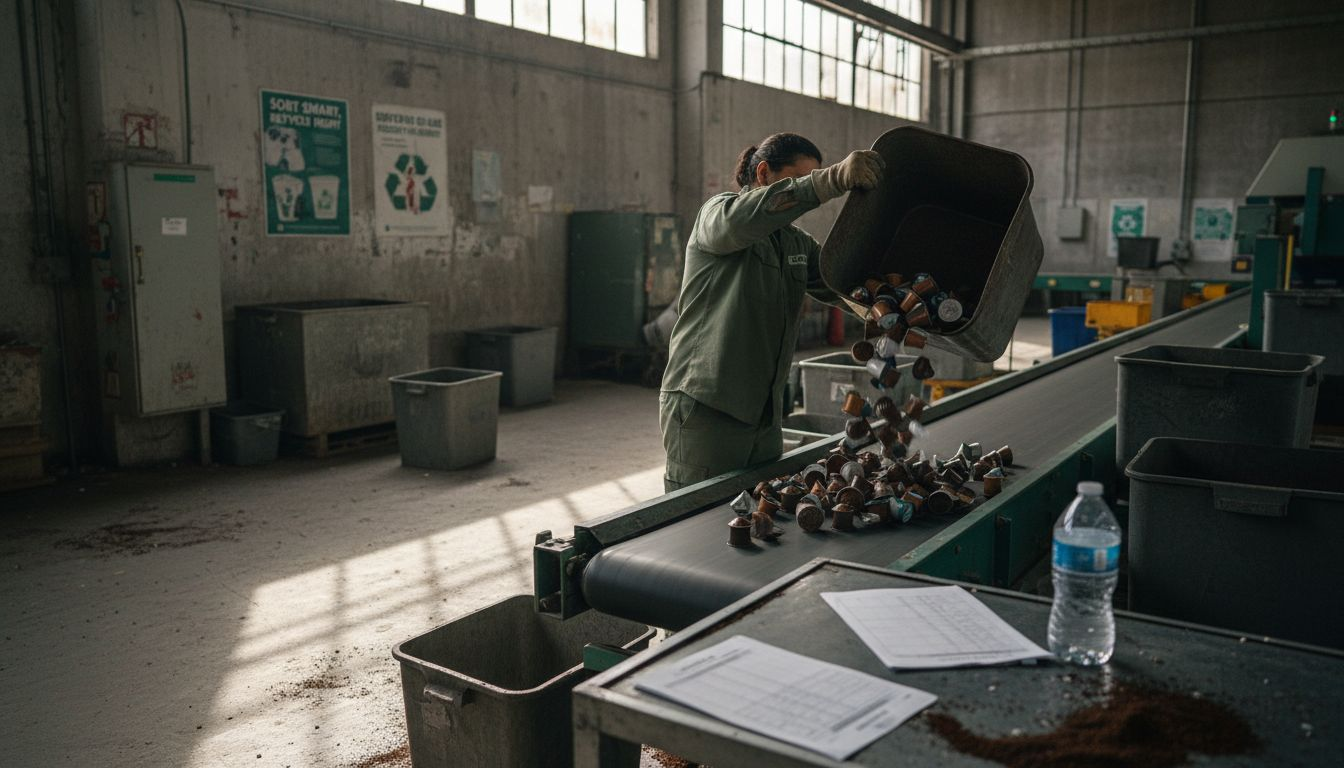
Landfill reduction forms the foundation of compostable pods’ environmental impact. Traditional plastic pods persist for centuries while aluminum sits unchanged for eternity. Compostable pods eliminate this persistence entirely. When processed correctly, compostable coffee pods achieve full material circularity, transforming both the pod and coffee grounds into soil amendments. Nothing lingers in landfills degrading for generations.
Carbon footprint reduction represents another critical benefit. Compostable pods use renewable plant-based materials that require significantly less energy to produce compared to fossil-fuel-based plastics or energy-intensive aluminum recycling. This advantage emerges before you even brew your first cup. The carbon savings compound when you consider millions of pods manufactured annually across global markets.
Greenhouse gas emissions decrease substantially when compostable pods replace conventional options. These pods eliminate persistent plastic waste through organic recycling rather than perpetuating the extraction and processing cycles that fuel climate change. Industrial composting captures methane that would otherwise escape from landfills, converting waste streams into valuable resources.
Soil health gains real attention when billions of pods cycle through composting facilities. Finished compost from properly processed pods returns organic matter to agricultural systems, reducing reliance on synthetic fertilizers and supporting circular economy principles. Your coffee ritual literally feeds the earth rather than harming it. Understanding why eco-conscious coffee matters connects your daily beverage choice to systemic environmental recovery.
Pro tip: Track your annual pod consumption and calculate the environmental savings by switching to certified compostable options; knowing the actual impact of your choices reinforces commitment and motivates others to follow your lead.
Common Pitfalls and Disposal Mistakes
You’ve made the switch to compostable pods. You feel good about your choice. Then you toss that empty pod in the wrong bin, and suddenly all your environmental effort vanishes. This happens constantly, and it represents the biggest threat to compostable pods’ actual impact.
The confusion starts at home. Most people still think about pods like traditional recycling, instinctively throwing them in curbside bins alongside plastic bottles and aluminum cans. This single mistake sends certified compostable pods directly to landfills or incinerators where they provide zero environmental benefit. Disposal mistakes include throwing compostable pods in regular waste or recycling bins, which negates all the biodegradability advantages that make these pods worth buying in the first place.
Infrastructure inconsistency creates the real problem. Some municipalities accept compostable pods in organic waste collections while others explicitly reject them due to contamination concerns. Your neighbor in the next city might have access to industrial composting while you do not. Consumer confusion about where to dispose of compostable pods leads to placement in regular trash or mixed recycling streams, which prevents proper composting and undermines the entire circular economy concept.
Labeling creates additional confusion. Some pods display confusing symbols that resemble traditional recycling logos, leading consumers to assume they belong in standard recycling. Others lack clear disposal instructions entirely. You cannot assume the right bin exists in your area without verification. Many regions still lack industrial composting infrastructure that accepts certified materials.
The stakes matter here. A single misplaced pod might seem insignificant, but multiply that across millions of consumers and you see how disposal mistakes completely undermine the environmental promise of compostable technology. The pods themselves work perfectly. The problem exists entirely in the human execution layer.
Pro tip: Contact your local waste management facility directly before purchasing compostable pods and ask which certifications they accept; most facilities have specific requirements, and this one phone call ensures your pods actually reach composting rather than landfills.
Make Every Cup Count With Truly Compostable Coffee Pods
The challenge with traditional single-serve coffee pods is clear: tons of plastic waste harming the environment for generations. If you want to be part of the solution, shifting to certified compostable coffee pods ensures your daily brew helps reduce landfill waste and supports nutrient-rich compost creation. These pods align perfectly with your goal to enjoy coffee without the guilt of contributing to persistent pollution or confusing recycling efforts.
Discover how EcoVibe Roast offers a curated selection of high-quality, compostable pods and responsibly sourced coffee that reflects your values. Each purchase supports sustainability initiatives like planting mangroves and removing ocean-bound plastics, multiplying your positive environmental impact. Explore our Coffee and Tea example products for options that bring convenience and care together.

Ready to make a real difference while savoring the flavor you love? Visit EcoVibe Roast today and check out our Best Sellers to find compostable coffee pods crafted for eco-conscious drinkers like you. Join a community dedicated to reducing waste and fostering a healthier planet with every cup you brew.
Frequently Asked Questions
What are compostable coffee pods made of?
Compostable coffee pods are typically made from bio-based, biodegradable materials such as plant-based bioplastics or polybutylene adipate terephthalate (PBAT). These materials are designed to break down in industrial composting facilities.
How do I dispose of compostable coffee pods properly?
To ensure compostable coffee pods deliver their environmental benefits, they must be disposed of in an industrial composting facility that accepts them. It’s important to check with your local facilities to confirm that they process certified compostable products.
What are the environmental benefits of using compostable coffee pods?
Compostable coffee pods significantly reduce plastic waste in landfills, achieve full material circularity by transforming into nutrient-rich compost, and lower greenhouse gas emissions compared to traditional plastic and aluminum pods.
Why is certification important for compostable coffee pods?
Certification, such as BPI or EN 13432, ensures that the pods have been rigorously tested to confirm they will biodegrade without leaving toxic residues. Choosing certified products guarantees that they will break down properly in composting facilities.


