

Finding sustainably sourced coffee and tea that combines ethical origins, environmental impact, and fresh taste can be too restrictive with just one brand. Many sellers limit shipping, focus on one region, or keep pricing high, so buyers get stuck without options for accessible, repeat orders. This comparison covers pricing, ethical sourcing, environmental programs, and product variety across five alternatives so you can choose the best match for your values and budget.
Table of Contents
Eco Vibe Roast
At a Glance
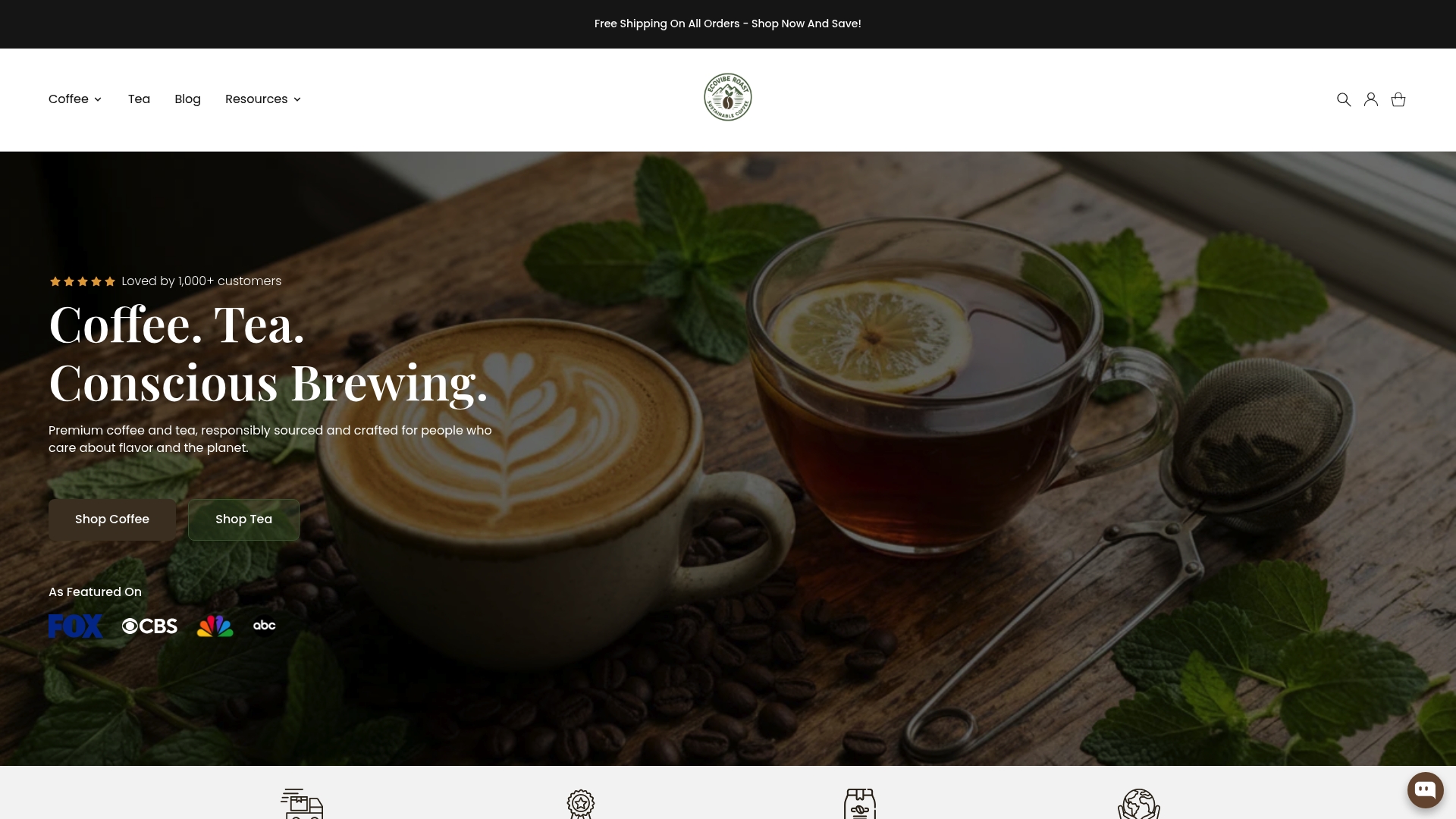
Each purchase supports planting mangrove trees and removing ocean bound plastics. The brand pairs that environmental commitment with freshly roasted coffee and curated herbal teas. Shipping is primarily within the United States, making it a local focused option for American buyers.
Core Features
Eco Vibe Roast sells small batch roasted coffee, single origin beans, sample packs, and herbal teas. The catalog includes single serve coffee pods alongside whole beans and curated blends for exploration. Products ship in eco friendly packaging and the site highlights environmental impact programs tied to purchases.
Key Differentiator
The clearest distinction is the combined focus on sustainable sourcing, small batch freshness, and active environmental programs. That mix shifts purchases toward both taste and impact. For shoppers this means you get fresher flavor while supporting fair labor practices and ecological initiatives.
Pros
Sourcing centers on farms that prioritize sustainability and fair labor, which supports traceable supply chains and clearer provenance. The roasting schedule favors freshness and flavor, and sampler packs help you find single origin profiles without committing to large bags. The site also offers practical brewing tips and transparent product pages, which helps you brew consistently better coffee at home.
Cons
- Limited international shipping. Orders ship only within the United States.
Who It’s For
You if you care about ethically sourced beans and want a premium home cup. You also value environmental impact tied to purchases and are comfortable paying a bit more for quality. This fits buyers who like exploring single origin variety and seasonal releases.
Unique Value Proposition
Small batch roasting combined with visible environmental actions makes each order both a taste upgrade and a charitable act. You receive fresher beans and sample driven discovery while supporting mangrove planting and ocean plastic removal programs. That model turns routine coffee purchases into repeat support for farms and restoration projects.
Real World Use Case
A subscriber picks a sampler to explore light and medium roasts, then chooses a regular two bag order for monthly delivery. They use the site brewing guide to dial in grind and time, and they share tasting notes with friends. The regular deliveries keep beans fresh while contributing to the brand’s environmental programs.
Pricing
Most coffee and tea products generally range from $22.99 to $23.99. Sampler packs and bulk options run from $28.99 to $59.99. The vendor advertises free shipping on orders over a certain threshold.
Website: https://ecoviberoast.com
Tiny Footprint Coffee
At a Glance
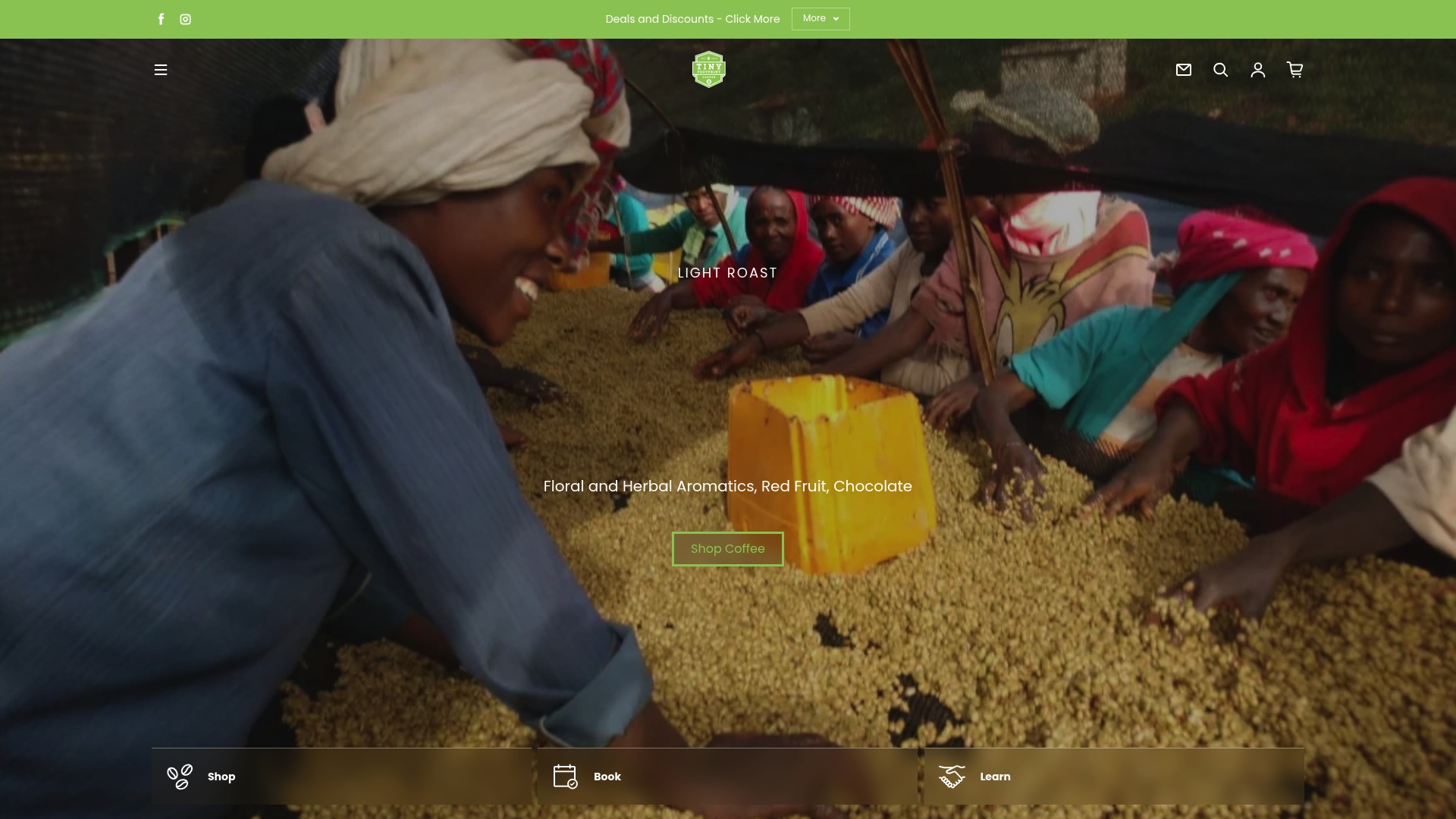
Plants a tree with every purchase and pairs that action with sourcing from women producers worldwide. Tiny Footprint Coffee focuses on organic, fair trade beans and transparent origin stories. The brand blends craft roasting with education and community support to tie quality to social impact.
Core Features
Tiny Footprint Coffee curates single origin and blended coffees across light, medium, and dark roasts, plus decaffeinated options. The store sells brewing gear and offers barista training courses and coffee education for home brewers and pros. The operation emphasizes sustainability through a carbon negative pledge coupled with tree planting and fair trade funds.
Key Differentiator
Tiny Footprint Coffee positions itself around a combined promise of carbon negative operations and direct sourcing from women producers worldwide. That commitment ties every purchase to reforestation and producer support, creating a clear link between what you sip and where the benefits go. This focus narrows the brand to buyers who want measurable social and environmental returns with their coffee.
Pros
The company shows a strong commitment to environmental sustainability and social justice that reads through product pages and sourcing notes. Transparent origin stories highlight individual women producers and describe farm practices, which helps you choose beans by story as well as taste. Educational offerings and barista courses add value for home baristas and small cafés looking to raise brewing skills. Support for community development through Fair Trade funds gives purchases a direct social angle.
Cons
- Primarily an online operation with limited physical retail presence, so you cannot easily sample in person.
- Emphasis on organic and fair trade narrows some roast and flavor options compared with mass market sellers.
- Pricing trends higher to reflect quality and sustainability commitments, which may put bulk buyers off.
When It May Not Fit
If you need in person retail pickup and frequent sampling, this online focus will feel limiting. International shoppers should check shipping destinations because the vendor lists geographical shipping limitations. If you buy coffee in very large volumes or need the lowest possible per pound price, the premium cost and product mix may not match your budget.
Who It’s For
This brand suits eco conscious coffee lovers who prioritize fair trade sourcing, women producer support, and measurable climate action. Home baristas who value educational courses and curated gear will get direct benefits from the offerings. Small cafés that want ethically sourced beans and a clear supplier story will also find this a compatible partner.
Real World Use Case
A sustainability minded customer signs up for a subscription to receive regular bags from women producers. They use the online barista course to refine brewing technique and serve better espresso at home. Each delivery contributes to tree planting and Fair Trade funds, linking daily coffee routines to long term environmental and community gains.
Pricing
Most coffee bags range from $17.95 to $20.99 USD. Discounts apply for subscriptions and for orders over $50, and the company offers free shipping on orders above $50. Pricing reflects organic certification and the brand’s sustainability investments.
Website: https://tinyfootprintcoffee.com
kahawa1893.com
At a Glance
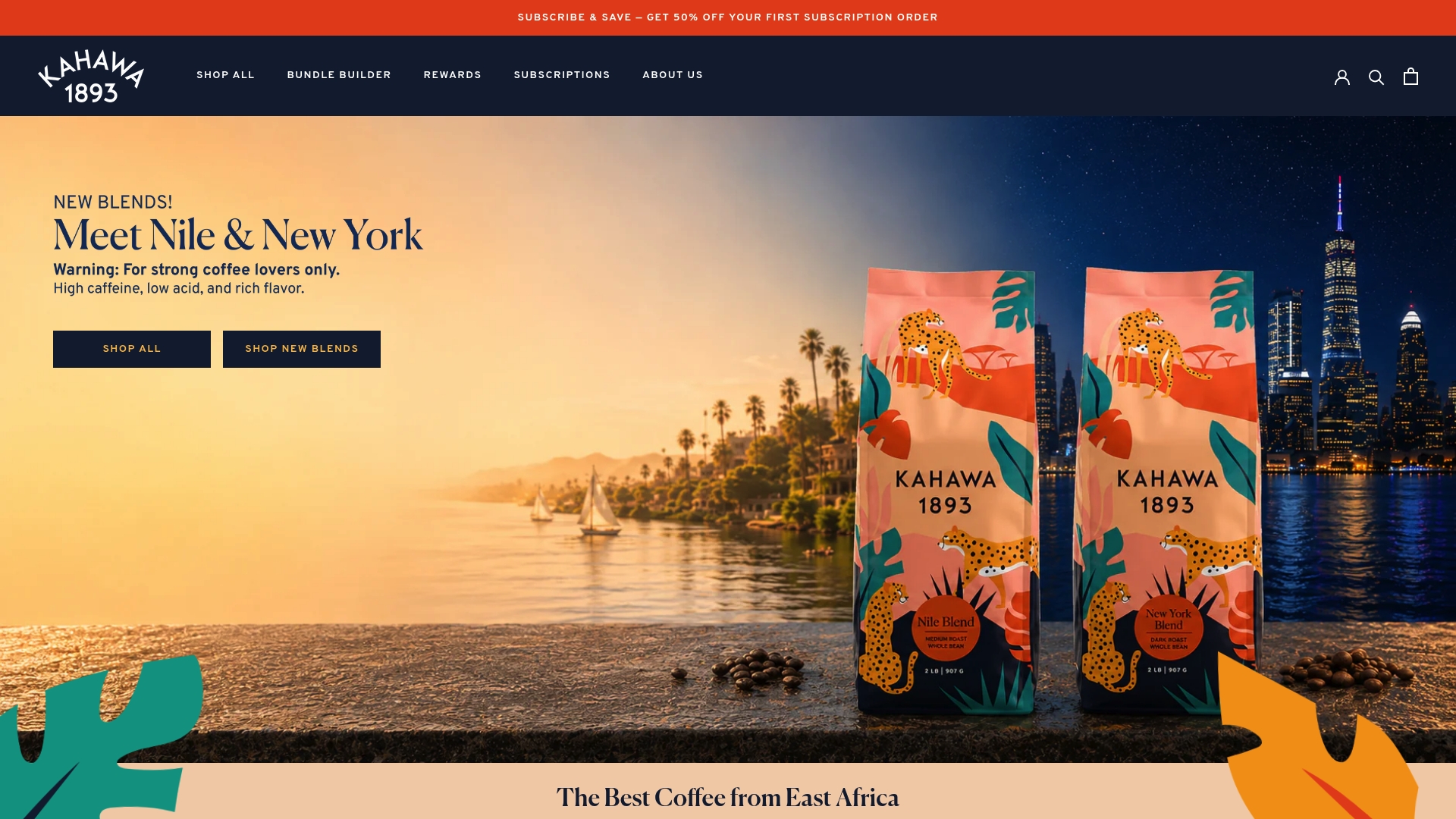
Subscriptions offer 20–50% discounts and free shipping on orders above $50, a generous incentive for repeat buyers. Kahawa 1893 sources coffee directly from African farms and prioritizes fair wages for women farmers. Small batch roasting at high altitude aims to develop complex, naturally sweet flavor while avoiding artificial flavors.
Core Features
Kahawa 1893 centers its supply chain on direct trade sourcing that supports women farmers and promotes transparency. The roastery uses small batch roasting at high altitude to emphasize nuanced flavor and natural sweetness, and the lineup covers whole bean, ground, single serve packs, Keurig® pods, and curated gift sets. The company also lists third-party testing for purity and a subscription service for discounted regular delivery.
Key Differentiator
The defining feature is a focused commitment to African coffee farms that are women supported, paired with supply chain transparency. That focus shapes product choices and marketing, so you encounter mostly single origin African coffees and stories tied to producer communities. Buyers who want traceable impact from purchase to farmer will find this emphasis central to the brand.
Pros
The brand delivers ethically sourced beans while highlighting women farmers and fair wages, which appeals if you prize social impact in your coffee purchase decisions. Flavor quality receives attention through specialty grade, high altitude roasting that leans into natural sweetness and complex tasting notes, and the product range fits different brewers and gifting needs. Ongoing customer engagement through reviews, recipes, and community stories keeps buyers connected to origin stories and farming practices.
Cons
- Limited international shipping beyond certain regions makes this a poor fit for many overseas buyers.
- Premium pricing reflects ethical sourcing and quality, which may push budget buyers away.
- The catalog focuses primarily on African origins, so buyers who want beans from Latin America or Asia will find less variety.
- No free samples or trial options are available, so new customers must commit to full purchases or subscriptions.
When It May Not Fit
If you want a global selection that includes Latin American or Asian single origins, this brand may feel narrow. Buyers on tight budgets will likely find the higher price points prohibitive. If you prefer to try small samples before committing, the lack of trial options makes initial testing harder. International customers outside the carrier regions should check shipping availability before ordering.
Who It’s For
Kahawa 1893 suits socially conscious coffee lovers who prioritize traceability and community impact. Gift buyers who want an ethically framed present will appreciate curated boxes that highlight producer stories. Specialty coffee drinkers seeking high altitude, single origin African profiles and willing to pay a premium will get the most from this brand.
Real World Use Case
A buyer orders a curated gift box for the holidays that contains multiple single origin African coffees and shares tasting notes with friends. The recipient brews beans by pour over and French press, enjoys distinct acidity and natural sweetness, and reads the brand stories that credit women farmers. The purchaser then enrolls in a subscription to receive regular deliveries and take advantage of the discount.
Pricing
Most products cost $18.99–$84.99 depending on roast and pack size. Gift boxes start at $50. Subscriptions offer 20–50% discounts, and free shipping applies to orders above $50.
Website: https://kahawa1893.com
Skylark Coffee
At a Glance
Skylark Coffee’s marketing materials state it is the world’s only fully nonprofit specialty coffee brand that commits all profits to charitable causes. That claim frames every product decision and price point. The brand sources single origins from Ethiopia, Colombia, Kenya, and Indonesia and reinvests revenue into farmer support and conservation. You get rare lots and clear financial transparency alongside your cup.
Core Features
Skylark pairs direct farmer relationships with a transparent nonprofit accounting model and charity funded projects that support environmental and social work. The shop sells single origin beans, blends, green coffee for home roasting, and coffee equipment while offering flexible subscriptions. Shipping and catalogue choices emphasize ethically traced lots and experimental processing.
Key Differentiator
That nonprofit model ties product quality directly to social impact, so buying coffee funds projects rather than investor returns. The brand publishes open financials and channels profits into farmer premiums and conservation work. For people who want a clear link between what they drink and what gets funded, that approach is the defining feature.
Pros
Skylark provides exceptional traceability, with farm level sourcing that supports small producers and rare varietals. The nonprofit structure means profits go to community and environmental projects, and you can review financial transparency to see how funds flow. Product range covers fresh single origins, experimental lots, green beans for home roasting, and equipment, so home baristas can experiment while backing fair pay.
Cons
-
Limited commercial bulk discounts for cafés and wholesale buyers. This reduces value for high volume buyers.
-
Higher retail prices because the nonprofit model pays premium prices to growers. Expect to pay more than commodity blends.
-
Limited physical retail presence, primarily online, which complicates local pickup. Some customers prefer in-person tasting.
When It May Not Fit
Skylark may not suit buyers outside the UK without reliable international shipping options. Large cafés seeking deep wholesale discounts will find better pricing elsewhere. If you need local retail pickup or fast replenishment, this online-first model can feel slow.
Who It’s For
This brand fits eco conscious coffee lovers who want both exceptional beans and transparent impact. It also suits coffee connoisseurs chasing rare varietals and home roasters who enjoy experimenting. Choose Skylark if you are willing to pay a premium to support farm communities and conservation.
Real World Use Case
A subscriber receives a monthly curated bag of single origin beans and reads detailed farm reports on the brand blog. They roast a small batch of green coffee at home to test a processing method and track project updates funded by their purchase. The experience blends tasting notes with tangible social and environmental outcomes.
Pricing
Most roasted coffees sell for $16–$32 per 250g bag, and green coffee starts at $29 per kg. Equipment begins around $57 and the site offers free shipping on orders over £24. Higher prices reflect premium sourcing and the nonprofit funding model.
Website: https://skylark.coffee
driftaway.coffee
At a Glance
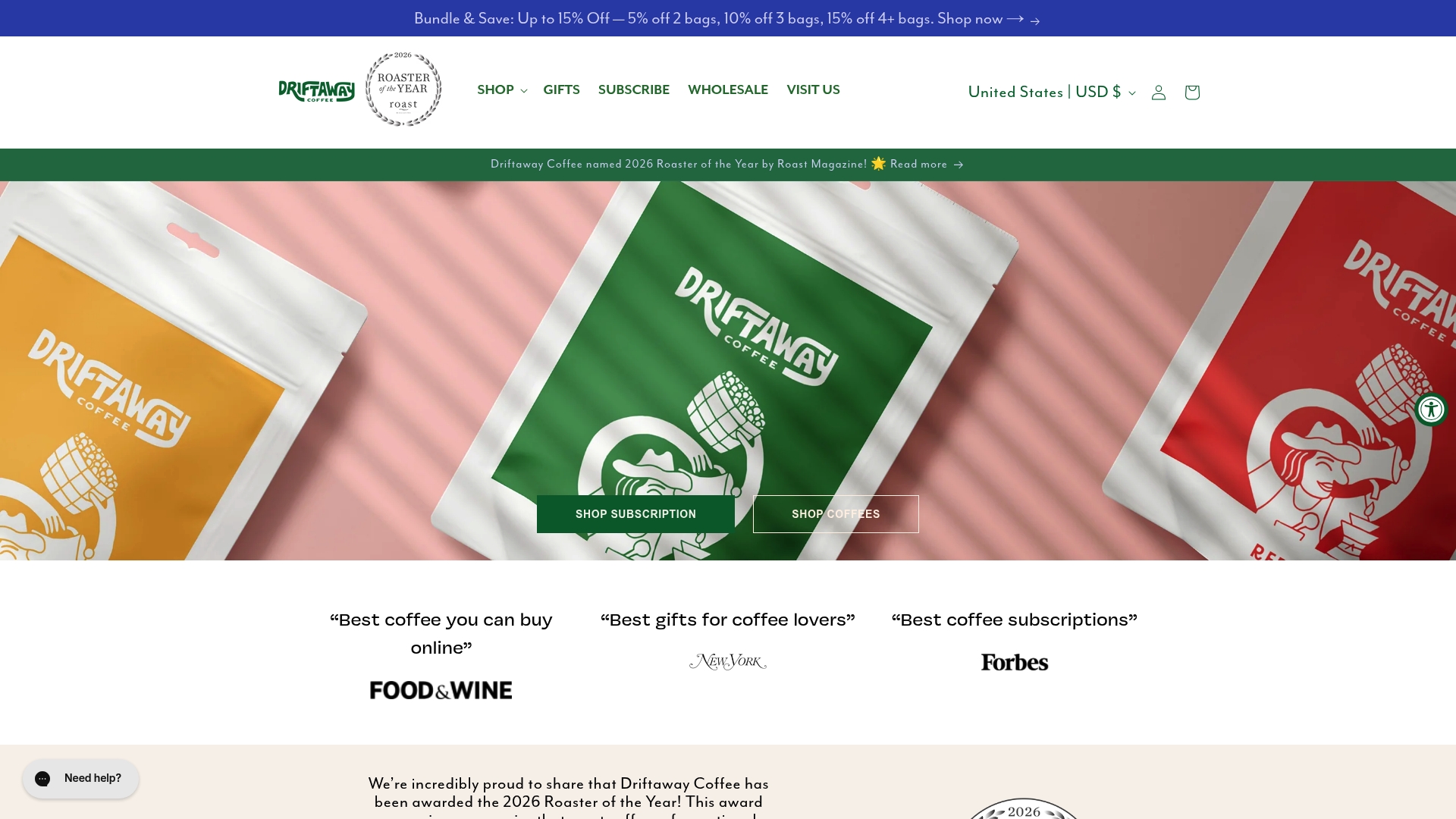
BIPOC woman led, small batch roastery in Brooklyn that highlights fair pay and compostable bags. Driftaway pairs single origin coffees with virtual tastings and educational content to build customer knowledge. That combination makes each order feel like a thoughtful discovery rather than a routine purchase.
Core Features
Driftaway runs a personalized subscription that matches roast profiles to your taste and rotates single origin coffees. The company uses compostable packaging and reports carbon neutral operations while sharing transparent farmer stories and above market pricing. Virtual tastings and learning resources support people who want to improve brewing skills and tasting vocabulary.
Key Differentiator
Driftaway’s defining angle is its focus on sourcing from women owned and minority farms while teaching customers about origin and flavor. That blend of social impact and education shapes product selection and subscription pacing. It appeals to drinkers who want the provenance story as much as the cup.
Pros
The brand shows a clear social commitment through transparent sourcing and claims of fair pay to growers, which strengthens trust for conscious buyers. Freshly roasted, single origin coffees arrive with tasting notes and origin stories, so you can learn while you taste. Flexible subscriptions and virtual tastings make it easy to sample different regions or send a personalized gift.
Cons
- Limited product breadth: the catalog focuses mainly on coffee and a few accessories.
- Geographic limits: primarily available in the United States, so international customers will face barriers.
- Price point: most bags sit at a premium, which may not work for budget shoppers.
- Narrow retail presence: you will not find broad lifestyle or grocery offerings here.
When It May Not Fit
If you need global shipping or steady access outside the United States, this service will feel restrictive. If your priority is bargain pricing over sourcing transparency, the higher costs will not match your needs. If you want a one stop shop for many food and drink items, the focused coffee assortment may feel too narrow.
Who It’s For
People who prioritize ethical sourcing, traceability, and fresh roast dates will find Driftaway appealing. Home baristas who enjoy improving tasting skills and joining virtual tastings will get the most value. Gift buyers looking for a curated, story rich present also fit this profile.
Real World Use Case
A subscriber completes a taste profile, receives a curated bag, and attends a scheduled virtual tasting to compare notes with other attendees. They learn brewing adjustments and save favorite origins to reorder through the subscription. The experience turns weekly coffee into a shared ritual with clear ties to farming partners.
Pricing
Most coffee bags range from $15–$25, and subscription orders receive discounts for multiple bags. The vendor advertises free shipping on orders over $25, which lowers the entry cost for first time buyers. Bulk or corporate orders for virtual tastings are available through the site.
Website: https://driftaway.coffee
Comparison of Sustainably Sourced Coffee and Tea Brands
For buyers seeking a meaningful connection between high-quality beverages and environmental or social impact, the following brands present compelling options.
| Brand | Key Differentiator | Best For | Pricing | Notable Limitation |
|---|---|---|---|---|
| Ecoviberoast | Sustainable sourcing with environmental programs | U.S. buyers supporting ecological action | $22.99–$59.99 | Limited to U.S. shipping |
| Tiny Footprint Coffee | Carbon-negative model with women producer focus | Eco-conscious buyers valuing impact | $17.95–$20.99 | Limited physical retail presence |
| Kahawa 1893 | Direct trade with African women farmers | Specialty coffee enthusiasts | $18.99–$84.99 | Limited coffee origins beyond Africa |
| Skylark Coffee | Nonprofit structure funding social and environmental causes | Buyers supporting charity-focused brands | $16–$32 per 250g bag | Higher retail prices due to nonprofit model |
| Driftaway Coffee | Personalized subscription with virtual tastings | U.S.-based learning-oriented drinkers | $15–$25 | Limited shipping outside the United States |
Finding a Sustainable Coffee Option That Truly Aligns With Your Values
Choosing an ecodelightcoffee.com alternative means looking for ethically sourced beans with strong environmental impact. Ecoviberoast offers freshly roasted, small batch coffee and herbal teas shipped within the United States. Every purchase supports planting mangrove trees and removing ocean-bound plastics, making your coffee choice a positive action for nature. Whether you prefer exploring single origins or sampler packs, Ecoviberoast delivers quality and commitment.
Key reasons to consider Ecoviberoast:
- Responsibly sourced beans with fair labor practices
- Eco-friendly packaging and community-focused initiatives
- A variety of options, from Light & Medium Roast Coffee to Sample Packs designed for discovery
Explore Premium Coffee Collection for Coffee Lovers | Shop Now

Make your next coffee purchase count by supporting sustainable farms and vital conservation efforts. Visit https://ecoviberoast.com and find the perfect blend that tastes great and helps the planet thrive.
FAQ
How does Ecoviberoast compare in sustainability to Tiny Footprint Coffee?
Ecoviberoast emphasizes environmentally friendly practices alongside its coffee and tea offerings. The brand supports planting mangrove trees and removing ocean-bound plastics, showcasing a commitment to sustainability. Both brands focus on ethical sourcing, but Tiny Footprint Coffee specifically plants a tree with every purchase, creating a direct environmental impact metric. Choose Ecoviberoast if you value a multi-faceted sustainability approach tied to your coffee purchase.
What is the difference between Ecoviberoast and Kahawa 1893 in terms of product offerings?
Kahawa 1893 sources coffee primarily from African farms, emphasizing fair wages for women farmers and direct trade practices. In contrast, Ecoviberoast offers a diverse selection of sustainably sourced coffee and curated herbal teas. If you prioritize supporting women farmers and specific regional sourcing, Kahawa 1893 may be the right choice.
Does Skylark Coffee provide similar educational content as Ecoviberoast?
Skylark Coffee stands out for its transparency in financials and commitment to social projects, which can offer insights into coffee sourcing. Ecoviberoast focuses on practical brewing tips and offers sustainably sourced coffee and tea. If hands-on brewing education is essential to your experience, consider exploring both brands to see which aligns more with your learning goals.
Can I find unique flavors with the sample packs from Ecoviberoast?
Ecoviberoast provides sampler packs that allow you to explore a range of single origin coffee profiles without committing to large quantities. This feature allows you to discover fresh flavor options while supporting sustainability efforts. If you are adventurous with your coffee choices, these sampler packs will help you find your favorites easily.
How does the pricing of Ecoviberoast compare to other premium coffee brands?
Ecoviberoast’s coffee products generally range from $22.99 to $23.99. While this reflects its commitment to sustainable sourcing and freshness, it might be slightly higher than some competitors. For budget-conscious buyers, comparing specific offerings across brands like Tiny Footprint Coffee or Driftaway Coffee will help find the best fit for your needs.


