

TL;DR:
- Ethical coffee roasters prioritize sustainable farming, fair pay, and transparent supply chains to benefit people and the planet. Some leading examples include Pact Coffee, Volcano Coffee Works, and Fulcrum Coffee, each demonstrating measurable responsible practices. Consumers can support these roasters by verifying farm partnerships, avoiding greenwashing, and choosing direct trade options.
Ethical coffee roasters are defined as companies that combine sustainable farming partnerships, fair compensation for growers, and transparent supply chains to ensure their coffee benefits people and the planet equally. The best examples of ethical coffee roasters in 2026 include Pact Coffee, Volcano Coffee Works, and Fulcrum Coffee, each setting a measurable standard for what responsible coffee sourcing looks like in practice. This guide breaks down what separates genuine ethical roasters from the rest, and shows you exactly how to find coffee that feels as good as it tastes.
What makes a coffee roaster ethical in 2026?
Ethical coffee roasting goes well beyond slapping a “sustainable” label on a bag. The industry term for this broader commitment is responsible sourcing, and it covers everything from how beans are grown to how farmers are paid.
Here are the core criteria that define a truly ethical roaster today:
- Sustainable farming practices: Organic, shade-grown, and regenerative agriculture methods protect soil health and biodiversity. La Cumplida farm in Nicaragua, for example, reduced pesticide use by 60% after shifting to regenerative farming. That kind of measurable change shows what responsible land stewardship actually looks like.
- Fair trade and direct trade models: Fair Trade certification sets a price floor for farmers. Direct trade goes further by cutting out middlemen entirely, so more money reaches the grower.
- Gender equity and community investment: Leading roasters actively source from women-led cooperatives and fund healthcare, education, and infrastructure in farming communities.
- Supply chain transparency: Brands like Pact Coffee and Volcano Coffee Works maintain “we know them, they know us” relationships with farmers, making traceability a core business practice rather than a marketing claim.
- Human Rights Due Diligence (HRDD): The most forward-thinking roasters now adopt HRDD frameworks. Projects like FAIR COFFEE in Brazil use public-private partnerships to address forced labor and child labor at the structural level, going far beyond what certifications alone can achieve.
Certifications like Fair Trade, Rainforest Alliance, and organic labels are a solid starting point. They signal a baseline commitment. The roasters worth your loyalty, though, are those who go beyond the certificate and build long-term, equitable relationships with the farmers they buy from.
Pro Tip: When evaluating a roaster, look for named farm partnerships and published sourcing reports rather than vague sustainability language. Specificity is the clearest sign of genuine commitment.
Top ethical coffee roasters and what sets them apart
The following roasters represent some of the strongest examples of ethical coffee partnerships, environmental stewardship, and social impact in the industry today.
1. Pact Coffee
Pact Coffee is the clearest example of gender equity in responsible coffee sourcing. The brand committed to sourcing at least 50% of its core range from women or gender-equity groups in 2025, and achieved 100% of its core range from those sources by march 2026. That is not a target. That is a result.
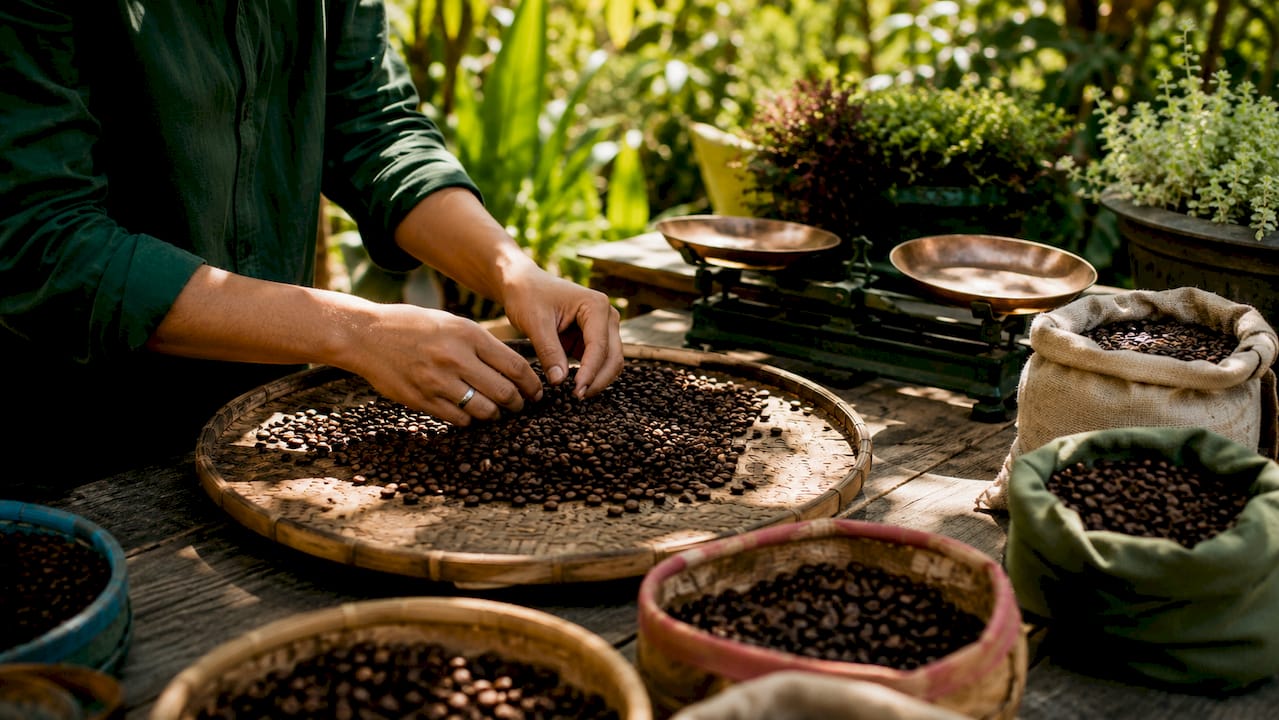
Pact’s partnership with Waitrose on a Colombia Single Origin medium roast directly funds the Mirtayu Women’s Group cooperative. Sales of that coffee help recruit more women members and expand cooperative operations in Colombia. You get a rich, aromatic cup, and a farming community gets a stronger future. That is what ethical coffee partnerships look like at their best.
2. Volcano Coffee Works
Volcano Coffee Works built its Rise Up Blend around a single, powerful mission. The brand supports over 15,000 women producers in Congo through above-fair-trade pricing and long-term investments in healthcare, education, and infrastructure. That scale of impact from a single coffee product is remarkable.
Their partnership with WeWork UK channels workplace coffee procurement directly into social change. Every office coffee order becomes a contribution to a women’s cooperative in one of the world’s most challenging farming regions. This is one of the most compelling examples of ethical coffee partnerships in the current market.
3. Fulcrum Coffee
Fulcrum Coffee takes a holistic approach that covers both the financial and environmental sides of ethical sourcing. Farmers who supply Fulcrum retain over 80% of the purchase price, and the company secures those relationships through multi-year contracts. That financial stability lets farmers invest in better growing practices without fear of losing their buyer.
On the environmental side, Fulcrum uses 75% renewable energy and is actively working toward carbon neutrality. The company also prioritizes climate-resilient, organic crop varieties. If you want a roaster that treats sustainability as a complete system rather than a single talking point, Fulcrum is the model to study.
4. Grounds for Change
Grounds for Change is a Washington-based roaster with certified organic and Fair Trade credentials across its entire product line. The brand sources from smallholder farmer cooperatives and publishes detailed information about each origin. For consumers who want the reassurance of third-party certification combined with genuine transparency, Grounds for Change delivers both.
5. Counter Culture Coffee
Counter Culture Coffee, based in Durham, North Carolina, is known for its long-standing direct trade relationships and annual transparency reports. The company publishes the prices it pays farmers, which is rare in the industry. That level of openness sets a standard that many larger roasters have yet to match.
6. Intelligentsia Coffee
Intelligentsia Coffee pioneered the direct trade model in the United States and continues to maintain deep, multi-year relationships with farms across Ethiopia, Colombia, and Guatemala. The brand’s sourcing trips are documented and shared publicly, giving you a clear window into where your coffee comes from and who grew it.
7. Equal Exchange
Equal Exchange operates as a worker-owned cooperative, which means its ethical commitments are built into its ownership structure. The brand sources exclusively from small farmer cooperatives and has done so since 1986. Equal Exchange also offers examples of ethical tea partnerships, sourcing fairly traded teas from India and Sri Lanka alongside its coffee range.
How ethical roasters compare: social and environmental impact
Here is a side-by-side look at how leading sustainable coffee brands stack up across key impact areas.
| Roaster | Women-led sourcing | Environmental practice | Trade model | Community investment |
|---|---|---|---|---|
| Pact Coffee | 100% core range by March 2026 | Shade-grown, traceable origins | Direct trade | Cooperative expansion in Colombia |
| Volcano Coffee Works | 15,000+ women producers in Congo | Above-fair-trade pricing | Partnership model | Healthcare, education, infrastructure |
| Fulcrum Coffee | Equity-focused contracts | 75% renewable energy, carbon neutral path | Multi-year direct contracts | Financial stability for farming families |
| Grounds for Change | Smallholder cooperatives | Certified organic, full range | Fair Trade certified | Cooperative support programs |
| Counter Culture Coffee | Documented farm partnerships | Published transparency reports | Direct trade | Annual impact reporting |
| Equal Exchange | Worker-owned cooperative | Organic options available | Fair Trade, cooperative only | Small farmer cooperative funding |
The table makes one thing clear: the most impactful ethical roasters combine social equity with environmental practice. Roasters that focus on only one dimension tend to leave gaps that matter.
How to support ethical coffee roasters effectively
Choosing ethical coffee is more than picking a bag with a green logo. Here is how to make sure your money actually reaches the people and places it should.
- Verify certifications with context. Fair Trade, Rainforest Alliance, and organic labels are meaningful, but they are a floor, not a ceiling. Look for roasters who explain what they do beyond the certification.
- Watch for greenwashing. Vague claims like “sustainably sourced” without named farms or published data are a red flag. Learning to spot greenwashing in coffee is one of the most useful skills you can develop as a conscious consumer.
- Support women-led cooperatives. Brands like Pact Coffee and Volcano Coffee Works show that supporting women in coffee production creates ripple effects across entire communities. When you buy from these roasters, you are funding education and healthcare, not just coffee.
- Choose direct trade when possible. Direct trade relationships mean farmers receive a larger share of the price you pay. Brands that publish their farm-level pricing, like Counter Culture Coffee, give you the clearest picture of where your money goes.
- Reduce waste at home. Ethical coffee does not stop at the roaster. Compostable packaging, reusable filters, and eco-friendly brewing habits extend the positive impact of your purchase.
Pro Tip: Ask your roaster directly: “Can you name the farm this came from and tell me what you paid for it?” A roaster with nothing to hide will answer that question without hesitation.
The impact of ethical coffee compounds over time. Every purchase you make sends a signal to the market about what you value. Enough of those signals, and the whole industry shifts.
Key takeaways
The most effective ethical coffee roasters combine gender equity, environmental stewardship, and supply chain transparency to create measurable, lasting impact for farming communities.
| Point | Details |
|---|---|
| Ethical sourcing is defined by specifics | Named farms, published pricing, and third-party certifications signal genuine commitment. |
| Women-led sourcing drives community change | Pact Coffee and Volcano Coffee Works show that gender equity in sourcing funds healthcare and education. |
| Direct trade beats certification alone | Roasters like Fulcrum Coffee and Counter Culture Coffee pay farmers above market rates through multi-year contracts. |
| Greenwashing is common | Verify claims with transparency reports and third-party data before trusting a sustainability label. |
| Your buying decisions shape the industry | Consumer demand for responsible sourcing pushes more roasters to adopt ethical practices at scale. |
My honest read on where ethical coffee is heading
I have spent years watching the ethical coffee space evolve, and the shift happening right now is genuinely exciting. When I first started paying attention to responsible sourcing, “ethical coffee” mostly meant a Fair Trade sticker and a vague promise. Today, brands like Fulcrum Coffee are publishing renewable energy percentages, and Pact Coffee is hitting 100% women-led sourcing across its core range. That is a different conversation entirely.
What I find most encouraging is the move toward Human Rights Due Diligence as a standard practice. Certifications are useful, but they are snapshots. HRDD is an ongoing process that forces roasters to look at structural labor risks year after year. The FAIR COFFEE project in Brazil is an early example of what that looks like in practice, and I expect more roasters to adopt similar frameworks before 2030.
The one thing I would push back on is the idea that certifications are enough. I have seen beautifully certified coffees come from supply chains with serious transparency gaps. The roasters I trust most are the ones who can tell me a farmer’s name, not just a country of origin.
If you are building your coffee routine around ethical values, look at the 2026 sustainability trends shaping the industry. The brands leading that conversation are the ones worth your loyalty and your money.
— LaSaundra
Bring ethical coffee into your daily routine with Ecoviberoast
You have done the research. Now comes the best part: actually drinking great coffee that aligns with your values.

Ecoviberoast makes responsible sourcing convenient without asking you to compromise on flavor. Every purchase plants mangrove trees and removes ocean-bound plastics, so your morning cup becomes a warm hug for both you and Mother Earth. If you want a no-fuss way to start, the 60-pack single-serve pods deliver rich, aromatic coffee with zero ethical shortcuts. Prefer to start smaller? The 12-pack original roast is a perfect first step. Browse the full single-serve collection and find your new favorite ethical brew today.
FAQ
What are the best examples of ethical coffee roasters in 2026?
Pact Coffee, Volcano Coffee Works, Fulcrum Coffee, Counter Culture Coffee, and Equal Exchange are among the strongest examples of ethical coffee roasters in 2026, each combining fair trade or direct trade models with measurable social and environmental commitments.
How do I know if a coffee roaster is truly ethical?
Look for named farm partnerships, published sourcing prices, and third-party certifications like Fair Trade or Rainforest Alliance. Roasters who verify their sustainability claims with transparent data are far more trustworthy than those using vague marketing language.
What is the difference between fair trade and direct trade coffee?
Fair Trade sets a certified minimum price floor for farmers, while direct trade means the roaster buys directly from the farm, often at prices well above Fair Trade minimums. Direct trade typically offers greater transparency and stronger long-term relationships between roasters and growers.
Why does supporting women-led coffee cooperatives matter?
Women make up the majority of the coffee labor force globally but rarely control income or land. Brands like Pact Coffee, which sourced 100% of its core range from women or gender-equity groups by march 2026, show that directing purchasing power toward women-led cooperatives funds education, healthcare, and community infrastructure.
Are ethical coffee pods available for everyday use?
Yes. Brands like Ecoviberoast offer sustainably sourced coffee pods that combine ethical sourcing with the convenience of single-serve brewing, making it easy to maintain your values without changing your morning routine.


