

Yes, certain herbal teas can genuinely help you relax and sleep better when they become part of a steady bedtime routine. Think of chamomile, valerian, lavender, and passionflower as your go-to lineup for anxiety-driven sleeplessness. What herbal tea won’t do is fix a serious sleep disorder like chronic insomnia or sleep apnea. Those need a clinician, not a mug.
If you’re wondering whether herbal tea for sleep is worth adding to your nightstand routine, here are the top picks to try tonight:
- Chamomile for gentle, all-around calm
- Valerian root for stubborn trouble falling asleep
- Lavender for racing, anxious thoughts
- Passionflower for stress-driven wakefulness
- Lemon balm for mild jitteriness before bed
- Low-caffeine green tea for a lighter wind-down option
Key Takeaways
Herbal tea for sleep works best as a supportive bedtime ritual built around chamomile, valerian, lavender, or passionflower, not as a cure for chronic insomnia.
| Point | Details |
|---|---|
| Best starter herbs | Chamomile, lavender, and passionflower have the most promising evidence for easing anxiety-driven sleeplessness. |
| Timing matters | Drink your cup 60 to 90 minutes before bed and limit intake to one or two cups. |
| Mind the allergies | Skip chamomile if you’re allergic to ragweed or other Asteraceae-family plants. |
| Ritual counts | The act of brewing and sipping signals your brain to wind down, independent of the herb itself. |
| Choose sustainable options | Ecoviberoast’s whole-leaf, organically sourced herbal teas, like Hibiscus Berry and Jasmine, pair sleep-friendly ingredients with eco-conscious packaging. |
Table of Contents
- Which Herbal Teas Actually Help You Sleep?
- How Does Herbal Tea Actually Help You Sleep?
- When Should You Drink Bedtime Tea and How Long Should It Steep?
- What Are the Pros and Cons of Using Herbal Tea for Sleep?
- What Should You Look for When Buying Sleep Tea?
- Ready-Made Blends Worth Trying Tonight
- Frequently Asked Questions
- Sources
Which Herbal Teas Actually Help You Sleep?
Not every “sleepy time” blend on the shelf earns its reputation. Some herbs have real research behind them; others ride on tradition and marketing alone. Here’s the honest rundown of eight sleep-promoting herbs, what each one actually does, and how to brew them so they taste good enough to finish the cup.
Chamomile
Chamomile is the reigning champion of bedtime tea, and for good reason. It contains apigenin, a compound that appears to bind to receptors in the brain associated with calm and reduced anxiety, according to a clinical summary from Ubie Health.
- Best for: general relaxation and easing into sleep
- Evidence strength: modest but consistent across clinical guides
- Taste: soft, apple-like, faintly floral
- Brew it: 1 teaspoon dried flowers (or one tea bag) steeped in hot water for 5 to 10 minutes
- Watch for: avoid if you’re allergic to ragweed, daisies, or other Asteraceae-family plants, since cross-reactivity is common
Pro Tip: Steep chamomile a full 8 to 10 minutes instead of the standard 3 to 5. It tastes weak and grassy at a quick steep, but a longer soak pulls out the honeyed, apple-forward notes that make people actually crave this tea.
Valerian root
Valerian is the heavy hitter for people who lie awake staring at the ceiling. Its root contains valerenic acids, compounds thought to interact with GABA pathways in the brain, the same calming system targeted by some prescription sleep aids.
- Best for: difficulty falling asleep, not just feeling anxious
- Evidence strength: promising, with some clinical backing noted by the Sleep Foundation
- Taste: earthy and a little musty, honestly an acquired taste
- Brew it: 1 to 2 teaspoons dried root steeped 5 to 10 minutes in just-off-boil water
- Watch for: can amplify sedatives, so skip it if you take benzodiazepines or other sleep medications
Lavender
Lavender works two ways at once, through scent and through what you drink. It may ease anxiety and depression symptoms and leave you feeling pleasantly fatigued by the end of the evening, according to Cleveland Clinic.
- Best for: racing thoughts and wound-up nerves before bed
- Evidence strength: promising for anxiety-linked sleep trouble
- Taste: perfumed and floral, a little soapy if oversteeped
- Brew it: 1 teaspoon dried buds, steeped 5 minutes, hot or iced
- Watch for: generally well tolerated, but start light since the floral flavor is intense
Passionflower
Passionflower carries flavonoids like chrysin, which may bind receptors tied to relaxation. Some older trials suggest a single cup can shorten the time it takes to fall asleep, an encouraging but not definitive finding from the Sleep Foundation.
- Best for: stress-driven wakefulness, especially racing minds
- Evidence strength: promising short-term results, limited long-term data
- Taste: mild, slightly grassy, easy to blend with other herbs
- Brew it: 1 teaspoon dried herb, steeped 5 to 7 minutes
- Watch for: can add to drowsiness from other sedatives
Lemon balm
Lemon balm brings a citrusy brightness to a bedtime blend while offering a gentler calming effect than valerian.
- Best for: mild evening jitteriness rather than severe insomnia
- Evidence strength: mixed, per Healthline’s rundown of common sleep herbs
- Taste: lemony, fresh, pairs well with chamomile
- Brew it: 1 to 2 teaspoons fresh or dried leaf, steeped 5 minutes
- Watch for: low risk profile, though it can interact with thyroid medication in high doses
Magnolia bark
Magnolia bark is less familiar to most tea drinkers but appears on the Sleep Foundation’s list of traditional sleep herbs.
- Best for: those seeking a less common option after other herbs haven’t clicked
- Evidence strength: limited human data, mostly traditional use
- Taste: notably bitter and woody
- Brew it: small amount, roughly half a teaspoon, steeped 10 minutes in hot water
- Watch for: combine with something naturally sweet, since the bitterness turns many people off on the first try
Pro Tip: Blend magnolia bark with a splash of chamomile or a thin slice of orange peel. The bitterness softens dramatically, and you still get the traditional herb without choking down a harsh cup.
Banana tea
Banana tea, made by boiling a banana peel (often with the fruit still inside) in water, has picked up a devoted following online for its mild, naturally sweet flavor and reputed magnesium content.
- Best for: a low-effort, caffeine-free wind-down drink
- Evidence strength: limited, mostly anecdotal and traditional
- Taste: subtly sweet, almost dessert-like
- Brew it: simmer a whole banana (peel on, ends trimmed) in water for 10 minutes, strain, and sip
- Watch for: essentially no known interactions, making it a safe experiment
Low-caffeine green tea
Green tea seems like an odd fit for a sleep list, but low-caffeine varieties bring L-theanine to the table, an amino acid tied to relaxation without sedation.
- Best for: a lighter bedtime ritual for people who dislike stronger herbal flavors
- Evidence strength: small trials report improved sleep metrics, per research on tea and herbal infusions
- Taste: grassy, light, refreshing
- Brew it: 1 teaspoon leaves, steeped 2 to 3 minutes in water just off the boil (never brewed too hot or too long)
- Watch for: even “low-caffeine” versions carry trace caffeine, so avoid this one if you’re highly caffeine-sensitive
How Does Herbal Tea Actually Help You Sleep?
The honest answer is a mix of chemistry and habit. Certain compounds have plausible mechanisms: apigenin in chamomile, valerenic acids in valerian, linalool in lavender, and L-theanine in green tea all interact with pathways connected to calm and reduced anxiety, according to peer-reviewed research on tea compounds. But a big part of the benefit also comes from the ritual itself. Warming water, steeping leaves, and sitting with a warm mug signals your brain that it’s time to slow down, a conditioned wind-down cue that Cleveland Clinic points to as a legitimate contributor to better sleep, not just a placebo footnote.
A 2024 systematic review of 33 publications, including 17 human trials, found that herbal infusions taken at low intakes of about 1 to 2 cups daily showed emerging promise for easing psychological stress and supporting relaxation, effects that indirectly benefit sleep.
That same review flagged German chamomile, lavender, rose, jasmine, and passionflower as the herbs with the strongest evidence. Everything else on this list, including magnolia bark and banana tea, leans more on tradition than clinical trials. That doesn’t make them useless. It just means you should treat them as a gentle nudge rather than a guaranteed fix.
When Should You Drink Bedtime Tea and How Long Should It Steep?
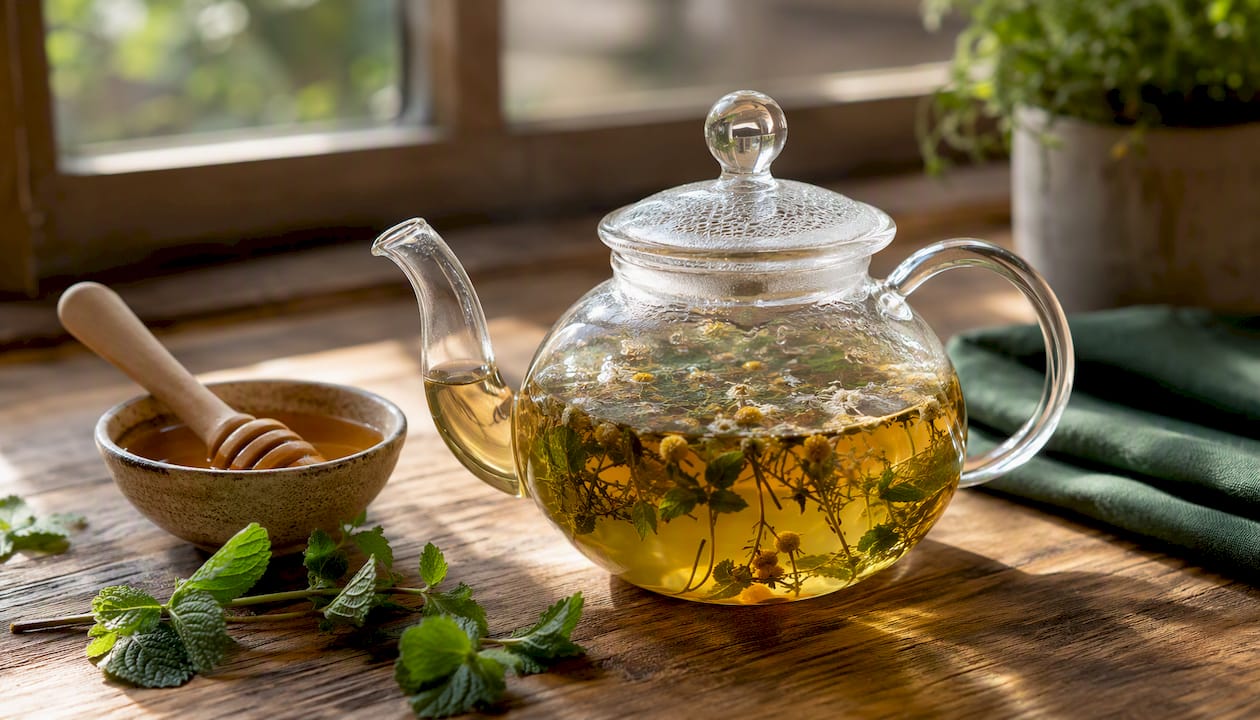
Brew your tea, then drink it roughly 60 to 90 minutes before you plan to turn off the lights. That window gives the ritual and any active compounds time to work while leaving enough runway to avoid a middle-of-the-night bathroom trip, a balance recommended by clinical guidance on sleep-supportive teas. Stick to one or two cups. More isn’t better here, and a full teapot right before bed just trades one sleep disruptor for another.
Here’s a simple brewing protocol you can follow tonight:
- Boil water and let it sit off heat for one to two minutes if you’re brewing a delicate herb like lavender or lemon balm.
- Measure one teaspoon of dried herb (or one tea bag) per 8-ounce cup.
- Pour water over the herb and cover the cup to trap the aromatic oils.
- Steep 5 to 10 minutes depending on the herb, longer for chamomile and magnolia bark, shorter for lavender and green tea.
- Strain, then sip slowly rather than gulping the whole cup at once.
A few easy blends worth trying:
- Classic calm: chamomile plus a thin slice of fresh ginger
- Anxious mind: lavender and lemon balm in equal parts
- Stubborn wakefulness: valerian root with a spoonful of honey to soften the earthy flavor
- Gentle nightcap: passionflower with a splash of warm milk
Pro Tip: A teaspoon of honey does more than sweeten. It masks bitterness in stronger herbs like valerian and magnolia bark without adding the jittery sugar spike you’d get from other sweeteners.
What Are the Pros and Cons of Using Herbal Tea for Sleep?
Herbal tea earns its popularity honestly. It’s nonpharmacologic, generally low-risk for most healthy adults, and the ritual of brewing a cup builds a wind-down habit that pays off well beyond just sleep. The flip side is real too: evidence is often limited or mixed, potency varies wildly between brands, and some herbs, especially valerian, can leave you groggy or prone to vivid dreams the next morning.
- Pros: low side-effect profile for most healthy adults, builds a calming nightly habit, caffeine-free options abound
- Cons: evidence quality varies by herb, potency isn’t standardized like a supplement, some people report next-day grogginess
Certain groups need extra caution. Pregnant or breastfeeding readers should check with a doctor before trying valerian or passionflower, since safety data during pregnancy is thin. Anyone with a ragweed or daisy allergy should skip chamomile entirely, given the cross-reactivity risk within the Asteraceae family. If you take blood thinners, sedatives, or sedating antihistamines, run any new herbal tea by your pharmacist first, since interactions with valerian and passionflower are documented. Children should stick to mild options like chamomile or banana tea, and only in small amounts.
If your sleeplessness persists for weeks, if you notice signs of sleep apnea like loud snoring or gasping, or if daytime impairment is severe, it’s time to talk to a clinician instead of reaching for another cup. A psychiatric perspective on sleep treatment options is a useful reminder that herbal tea supports rest, it doesn’t replace medical care for chronic conditions.
What Should You Look for When Buying Sleep Tea?
Choose organically grown, single-ingredient herbs or blends with a clearly listed ingredient panel, and skip anything vague about sourcing. A few checkpoints make a real difference in quality:
- Organic or fair-trade certification on the label
- A visible harvest date, since dried herbs lose potency over time
- Whole-leaf or whole-flower ingredients rather than dusty powders
- Packaging that’s compostable or recyclable, not layered plastic
Freshness and transparency matter more than flashy branding. A well-sourced, whole-leaf chamomile will always outperform a stale powdered blend, no matter how pretty the box looks.
Ecoviberoast’s approach to herbal teas and their environmental impact reflects exactly this standard: whole ingredients, honest sourcing, and packaging that doesn’t cost the planet.
A Note on Ritual and Realistic Expectations
A warm cup of tea before bed is one of the simplest, most sustainable rituals you can build into your evening, and the herbs with the best evidence, chamomile, lavender, and passionflower, deserve their reputation. Just keep the expectations honest: tea supports a good night’s sleep, it doesn’t cure a diagnosed sleep disorder. This perspective reflects editorial review with attention to current sleep research.
Ready-Made Blends Worth Trying Tonight
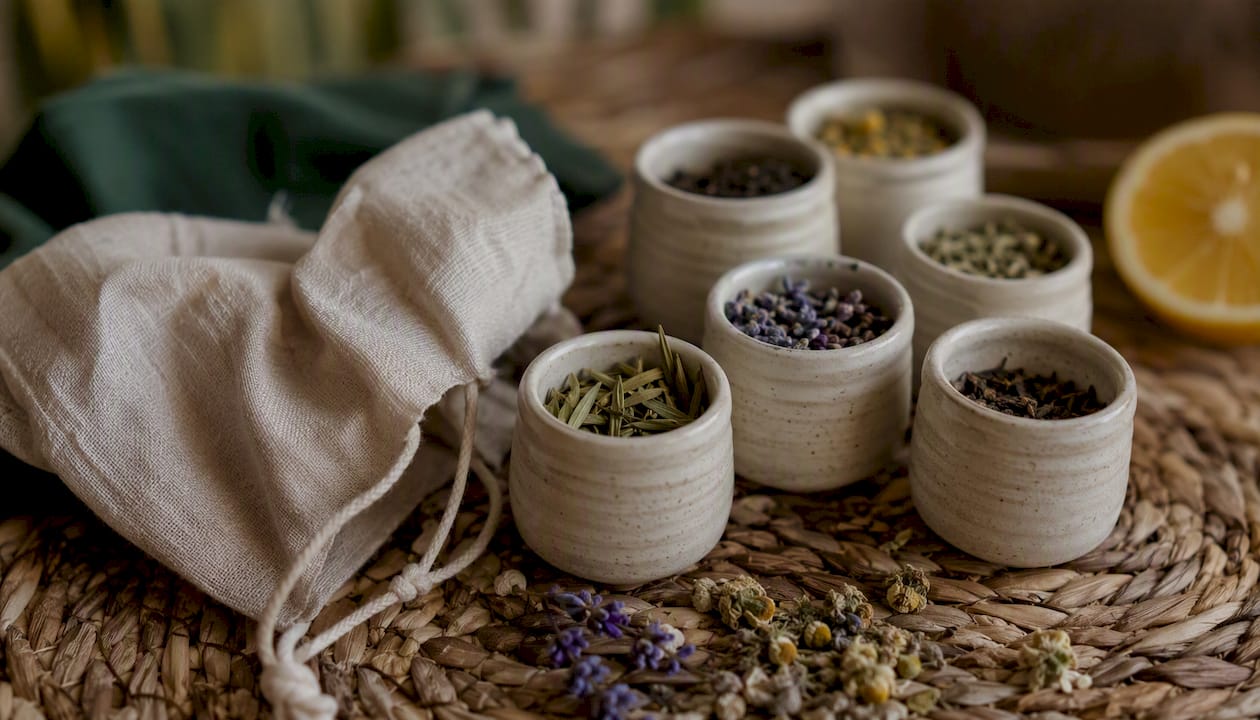
If brewing loose herbs from scratch feels like one more chore on a tired night, Ecoviberoast’s ready-made options take the guesswork out of it. The Hibiscus Berry Tea offers a caffeine-free, naturally tart option for evening sipping, while the Jasmine Tea delivers a light, floral wind-down for anyone easing off stronger black or green teas earlier in the day. Both are sustainably sourced, so every cup supports the same mangrove-planting and ocean-plastic-removal initiatives behind every Ecoviberoast order. If you’re not sure which flavor fits your palate yet, start with a sampler and build your own bedtime rotation from there.
Frequently Asked Questions
Is herbal tea good for sleep, or is it mostly hype? It’s genuinely helpful for many people, especially when anxiety or a racing mind is the main barrier to falling asleep. It’s not a fix for diagnosed sleep disorders like apnea or chronic insomnia.
What is the best herbal tea for insomnia? Valerian root has the most targeted evidence for trouble falling asleep, while chamomile and lavender work well for anxiety-driven wakefulness.
How long before bed should I drink sleep tea? Aim for 60 to 90 minutes before lights-out, giving the ritual time to work without triggering a middle-of-the-night bathroom trip.
Can I drink herbal tea for sleep every night? Most herbs like chamomile and lemon balm are fine nightly for healthy adults, though it’s worth rotating herbs occasionally and checking with a doctor if you’re on medication.
Are there natural sleep aids in herbal tea that work better than melatonin? Herbal teas and melatonin work through different pathways, so one isn’t universally better. Chamomile and valerian target relaxation and GABA activity, while melatonin regulates circadian timing directly.
Sources
- Tea and Herbal Infusions, Psychological Stress, Anxiety & Sleep Health: A Systematic Review of Human Trials & Mechanistic Studies
- Best Bedtime Teas for Sleep (Cleveland Clinic)
- The 7 Best Teas for Insomnia
- 6 Best Bedtime Teas That Help You Sleep (Healthline)
- Ncbi


