

Waking up to a cup of coffee that aligns with your values feels empowering and intentional. As eco-conscious coffee lovers seek ways to minimize their impact, the decision to choose brands and certifications supporting real environmental progress matters more than ever. This guide breaks down verified certifications, impactful brands, and practical steps so you can confidently select coffee that drives both ethical sourcing and measurable environmental benefits.
Table of Contents
- Step 1: Research Sustainable Coffee Brands And Certifications
- Step 2: Select Coffee Products That Fund Environmental Programs
- Step 3: Engage With Brands Prioritizing Eco-Friendly Packaging
- Step 4: Confirm Positive Impact Through Verified Initiatives
Quick Summary
| Key Point | Explanation |
|---|---|
| 1. Research sustainable coffee brands | Investigate certifications like Fair Trade and Rainforest Alliance to identify brands committed to ethical practices and sustainability. |
| 2. Choose products that fund environmental initiatives | Opt for coffee certified by organizations that demonstrate concrete commitments to environmental conservation and funding programs. |
| 3. Support eco-friendly packaging | Select brands using recyclable or biodegradable materials to reduce environmental impact and promote sustainable packaging innovation. |
| 4. Verify positive impact | Track the effectiveness of your sustainable choices by reviewing certification reports and measurable outcomes linked to the brands you support. |
Step 1: Research sustainable coffee brands and certifications
Uncovering sustainable coffee options requires strategic research and understanding of key certifications that genuinely support environmental and social responsibility. By examining credible certification programs and brands committed to ethical practices, you can make informed purchasing decisions that create meaningful impact.
Start your research by exploring established certification programs that verify sustainable coffee production. Sustainability initiatives in coffee supply chains have become increasingly sophisticated, addressing complex environmental and economic challenges faced by coffee farmers worldwide. Key certifications to investigate include:
- Fair Trade Certified: Ensures fair wages and safe working conditions
- Rainforest Alliance: Focuses on biodiversity conservation and worker welfare
- Organic Certification: Verifies pesticide-free and environmentally friendly farming
- Bird-Friendly Certification: Protects critical forest habitats during coffee cultivation
- UTZ Certified: Promotes sustainable agricultural practices and farmer training
When evaluating brands, look beyond surface-level marketing claims. Investigate their actual sourcing practices, transparency reports, and long-term commitments to sustainability. The Global Coffee Platform’s Sustainable Coffee Purchases Report provides comprehensive insights into how different roasters and retailers are advancing sustainable sourcing strategies.
Here’s how major coffee sustainability certifications differ in their approach and impact:
| Certification Name | Primary Focus | Unique Impact | Validation Method |
|---|---|---|---|
| Fair Trade Certified | Fair wages, safe work | Community development funding | Regular audits |
| Rainforest Alliance | Biodiversity, worker welfare | Habitat preservation | Independent verification |
| Organic Certification | Pesticide-free farming | Soil and ecosystem health | Farm inspections |
| Bird-Friendly Certification | Forest habitat protection | Direct support for bird species | Strict ecological benchmarks |
| UTZ Certified | Sustainable farming, training | Farmer education programs | Traceable supply chains |
Pro tip: Bookmark sustainability certification websites and follow their updated standards to stay informed about the most current and impactful coffee sourcing practices.
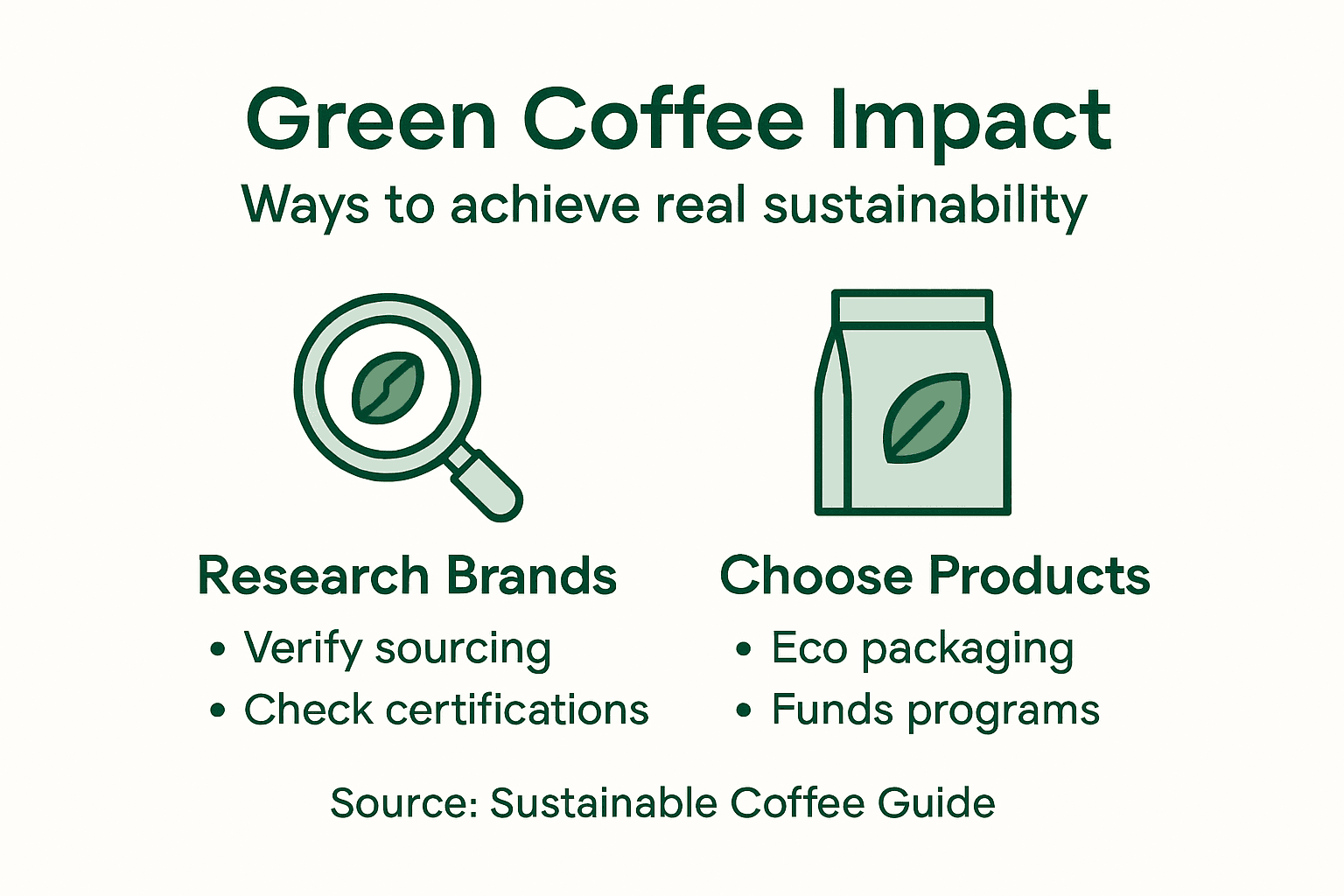
Step 2: Select coffee products that fund environmental programs
Choosing coffee products that actively contribute to environmental preservation requires strategic decision-making and understanding how certification programs translate consumer purchases into meaningful ecological support. Voluntary certification schemes play a crucial role in transforming your coffee purchase into a powerful tool for environmental conservation.
Focus on coffee brands and products associated with robust environmental funding mechanisms. Look for certifications that demonstrate concrete commitments to sustainability, such as:
- Fair Trade Certified products that allocate funds to community environmental projects
- Rainforest Alliance coffees supporting biodiversity conservation
- Organic Certified brands investing in sustainable agricultural practices
- Direct Trade coffee with transparent environmental investment strategies
- Carbon Neutral coffee brands committed to offsetting environmental impact
The most effective products go beyond marketing claims by providing clear documentation of their environmental investments. Smallholder farmer participation in certification programs creates direct pathways for funding ecological preservation, ensuring that your purchasing decisions generate tangible environmental benefits.
When you choose certified sustainable coffee, you’re not just buying a beverage - you’re investing in global environmental protection and farmer livelihoods.
Pro tip: Research brands that provide detailed annual sustainability reports and transparently showcase their environmental funding strategies to maximize your positive impact.
Step 3: Engage with brands prioritizing eco-friendly packaging
Supporting environmentally conscious coffee brands means actively seeking out and rewarding companies that prioritize sustainable packaging solutions. Sustainable packaging strategies are crucial in reducing the coffee industry’s ecological footprint and demonstrating genuine commitment to environmental preservation.
To effectively engage with eco-friendly brands, consider these strategic approaches:
- Research packaging materials: Look for brands using recyclable, compostable, or biodegradable packaging
- Follow brand sustainability communications: Monitor social media and websites for transparent environmental initiatives
- Ask direct questions about their packaging sourcing and waste reduction strategies
- Support brands with comprehensive sustainability reporting
- Provide feedback to companies about your packaging preferences
Sustainable coffee brands are increasingly innovative in their approach to packaging, utilizing materials that minimize environmental impact while maintaining product quality. By consciously choosing these brands, you create market demand for more sustainable practices.
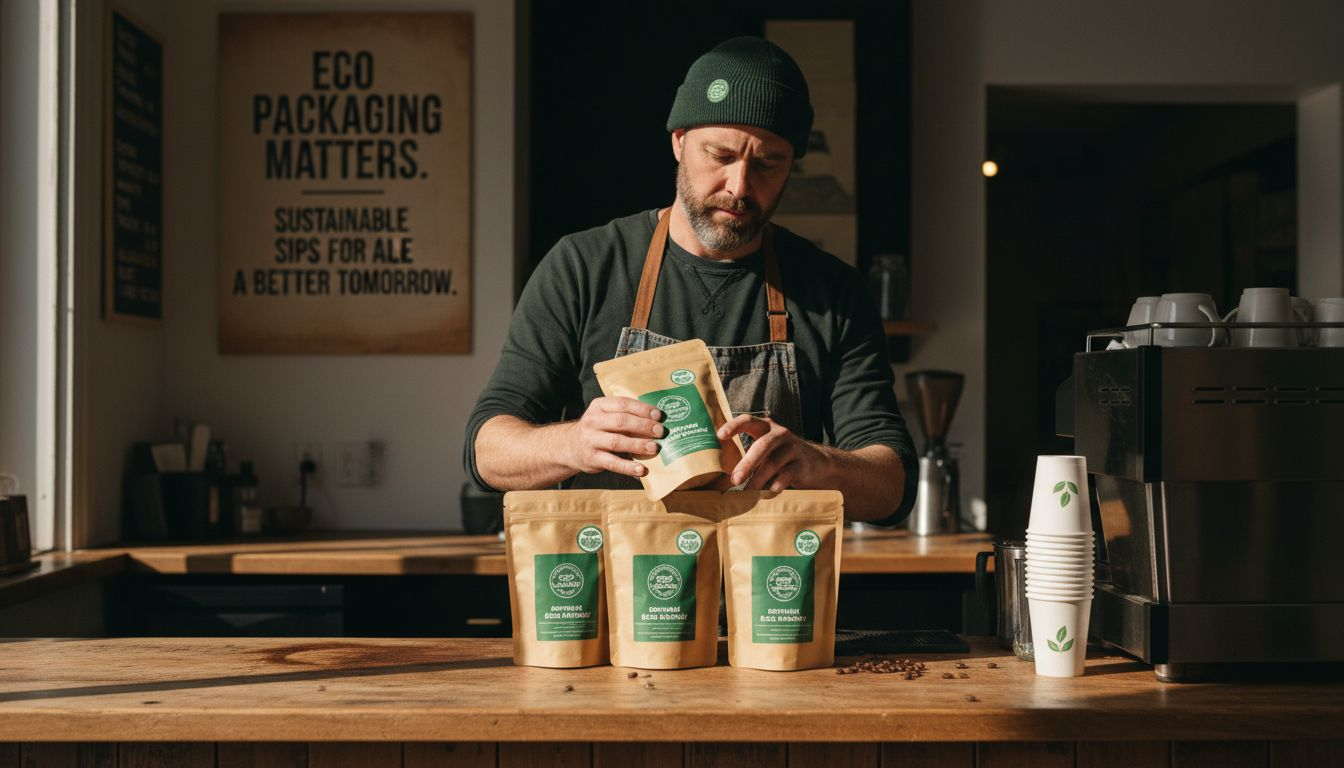
Summary of packaging innovations driving sustainability in coffee brands:
| Packaging Type | Environmental Benefit | Material Example | Consumer Impact |
|---|---|---|---|
| Recyclable | Reduces landfill waste | PET, polylaminates | Easy disposal |
| Compostable | Returns nutrients to soil | PLA, kraft paper | Eco-friendly process |
| Biodegradable | Breaks down naturally | Cellulose, plant-based plastic | Minimal lasting waste |
| Reusable | Limits single-use packaging | Tin cans, fabric bags | Promotes reuse culture |
Your purchasing power is a powerful tool for driving environmental change in the coffee industry.
Pro tip: Create a spreadsheet tracking brands based on their packaging sustainability to make more informed purchasing decisions over time.
Step 4: Confirm positive impact through verified initiatives
Validating the real-world impact of your sustainable coffee choices requires a strategic approach to understanding and tracking verifiable environmental and social outcomes. Sustainable coffee purchases report provides critical transparency into how consumer choices translate into meaningful change.
Effective verification involves multiple strategic approaches:
- Review certification reports: Examine annual sustainability documentation
- Track measurable outcomes: Look for specific environmental and social metrics
- Understand verification standards: Research how different certifications validate impact
- Compare independent assessments: Cross-reference multiple reporting sources
- Monitor long-term progress: Watch for sustained improvements over time
Voluntary certification verification ensures that sustainability claims are more than just marketing language. By carefully examining the evidence, you can confidently support initiatives creating genuine positive transformation in coffee-producing communities.
Real impact goes beyond promises - it requires transparent, measurable results that demonstrate meaningful change.
Pro tip: Create a digital portfolio tracking the specific environmental and social impacts of the coffee brands you support, updating it annually to see your collective contribution.
Make a Real Impact with Every Sip
If you care about supporting green coffee initiatives that deliver measurable environmental and social benefits, you need a partner who shares your values. The article highlights challenges in finding genuinely sustainable coffee brands and understanding their true impact. At EcoVibe Roast, we address these pain points by offering carefully selected products verified to fund environmental programs and prioritize eco-friendly packaging.
Browse our Coffee and Tea example products – EcoVibe Roast to discover high-quality, responsibly sourced beverages that contribute to planting mangrove trees and removing ocean-bound plastics.

Take control of your coffee experience and align your purchases with positive change. Visit EcoVibe Roast to explore our collections, including our Best Sellers – EcoVibe Roast. Act now to enjoy excellent coffee while supporting sustainable farming, community well-being, and environmental stewardship.
Frequently Asked Questions
How can I find sustainable coffee brands that make a real impact?
To find sustainable coffee brands, research key certifications like Fair Trade, Rainforest Alliance, and Organic Certification. Focus on brands that openly share their sourcing practices and annual sustainability reports to confirm their commitment.
What should I look for in coffee products that support environmental programs?
Select coffee products associated with certifications that indicate funding for environmental projects, such as Fair Trade and Rainforest Alliance. Verify that these products have documented evidence of their contributions towards sustainability initiatives, ensuring your purchase has a meaningful impact.
How can I support coffee brands that use eco-friendly packaging?
To support coffee brands prioritizing eco-friendly packaging, actively seek out those that use recyclable, compostable, or biodegradable materials. Engage with brands by asking them about their packaging practices and the sustainability of their materials.
What steps can I take to verify the positive impact of my coffee purchases?
To verify the impact of your coffee purchases, review annual sustainability reports and track specific metrics highlighted in certification documents. Research independent assessments and monitor the long-term improvements in social and environmental outcomes over time.
How do I stay updated on sustainability certification standards?
Stay updated on sustainability certification standards by bookmarking certification websites and reviewing them regularly for updates. Follow their communications to ensure you are aware of the latest practices and guidelines that promote green coffee initiatives.
Recommended
- Social Impact Coffee: Creating Positive Change With Every Cup – EcoVibe Roast
- Role of Social Impact in Coffee – Why It Matters – EcoVibe Roast
- How to Support Sustainable Coffee Farms Step-by-Step – EcoVibe Roast
- 7 Steps to Build Your Sustainable Coffee Checklist – EcoVibe Roast
- How to Market Eco Friendly Products for HoreCa Success – The Ocean Straw
- How to Use Bagasse Packaging for Sustainable Serving - Grab & Go Packaging


