

Light roast preserves the bright, origin-driven character of the bean — think floral, fruity, and tea-like. Dark roast trades that brightness for roast-derived richness: chocolate, caramel, and smoke with a fuller, heavier body. Neither is stronger in caffeine in any meaningful way; the difference is almost entirely about flavor. Quick picks: If you love black coffee through a pour-over or filter, start with a light roast. If you pull espresso shots, drink lattes, or want a low-acid cup, a dark roast is your friend. The sections below cover the roasting chemistry, the caffeine myth, and exactly how to brew each roast at its best.
Key Takeaways
Light roast and dark roast differ primarily in flavor character, not caffeine, and matching your roast to your brew method and taste preference is the single most practical decision you can make.
| Point | Details |
|---|---|
| Flavor drives the difference | Light roast highlights origin notes (fruit, floral); dark roast emphasizes roast-derived flavors (chocolate, smoke, caramel). |
| Caffeine myth | Caffeine differences between roast levels are typically under about 5–10%; brew ratio and method matter far more. |
| Match roast to brew method | Light roast suits pour-over and filter; dark roast suits espresso, French press, and milk-based drinks. |
| Adjust grind and temperature | Dark roasts extract faster; use coarser grind and cooler water (195–198°F) to avoid bitterness. |
| Ecoviberoast sampler option | Ecoviberoast’s single-serve pods let you compare roast profiles side by side with sustainably sourced coffee. |
Table of Contents
- How does roasting create light vs. dark roast differences?
- What does a light roast actually taste like?
- What does a dark roast actually taste like?
- How do light and dark roast compare side by side?
- What does science say about roast chemistry and health?
- How do you choose the right roast for your taste?
- Brewing and storage tips for each roast
- Why roast choice and sourcing are inseparable
- Ready to taste the difference for yourself?
- Sources
How does roasting create light vs. dark roast differences?
Development time and roast progression are the two levers every roaster uses to set flavor. The journey from green bean to finished coffee runs through a predictable sequence of physical and chemical changes, and where the roaster stops the sequence determines everything you taste.
- Green bean: Dense, grassy, high in moisture. No coffee flavor yet.
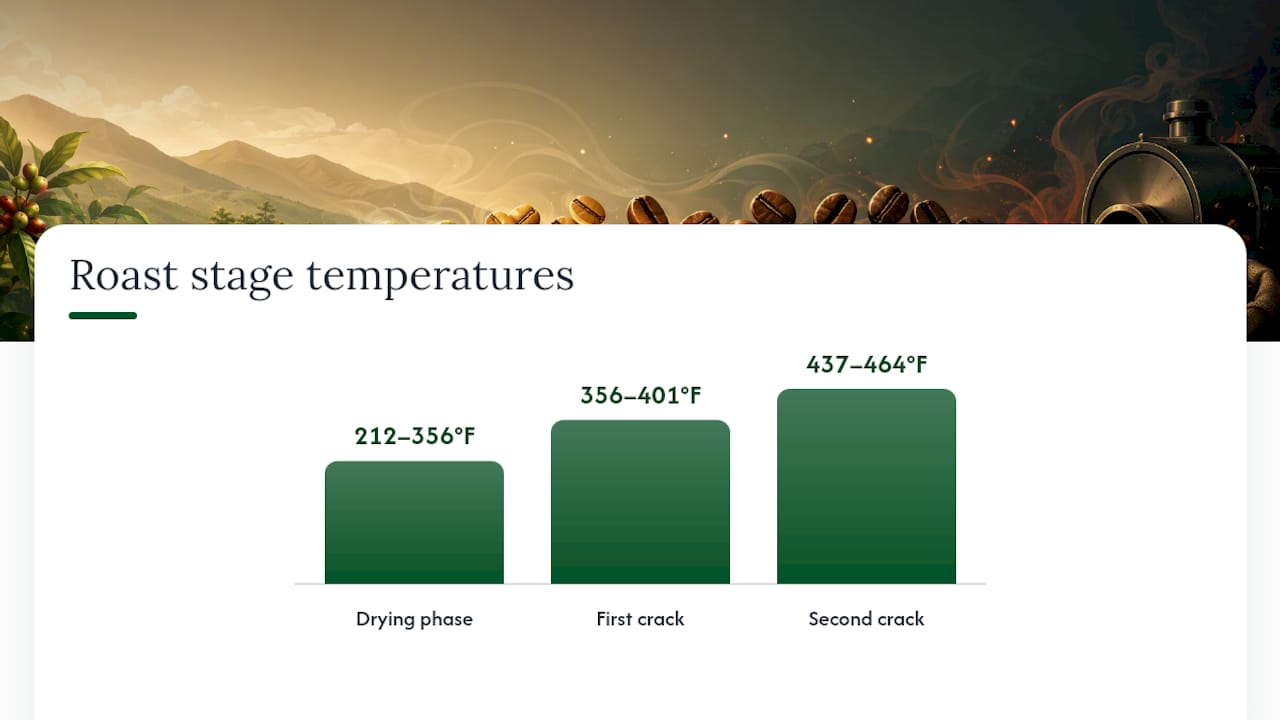
- Drying phase (roughly 212–356°F): Moisture evaporates; the bean turns yellow and smells like hay or toast.
- First crack (around 356–401°F): An audible pop signals rapid CO₂ release and cell wall expansion. The bean doubles in size and loses mass. Light roasts are dropped here or just after, preserving origin-forward acids and aromatics.
- Development phase: The window between first and second crack. Sugars caramelize, Maillard reactions build complexity, and acidity softens. Longer development = more roast character, less origin character.
- Second crack (around 437–464°F): A second, softer crackling sound. Cell walls fracture further; oils migrate to the surface. Dark roasts are carried to or past this point.
- Pyrolysis zone (above ~464°F): Continued roasting burns off nuanced aromatics and produces ashy, bitter compounds. This is where over-roasting lives.
Temperature alone does not tell the full story. A roaster can hit the same peak temperature with a fast or slow curve and get very different results. Development time percentage (the share of total roast time spent after first crack) is the more precise control. A longer development time at the same peak temperature softens acidity and builds sweetness without necessarily darkening the bean’s surface.
Pro Tip: If you ever visit a roastery, ask what their development time percentage is. A number much lower than that often means underdeveloped, grassy cups; much higher risks flat, baked flavors.
What does a light roast actually taste like?
A light roast is stopped near or just after first crack, which means the bean’s original character survives largely intact. The result in your cup is brightness: pronounced acidity, lighter body, and flavors that reflect where the coffee was grown.
Common names you’ll see on bags include Cinnamon Roast (the lightest, sometimes underdeveloped and grassy), New England, and Half City. These labels are not standardized across roasters, so treat them as directional rather than precise. A bag labeled “light” from one roaster might land where another calls “medium-light.” What matters more is the flavor description on the bag and the roast date.
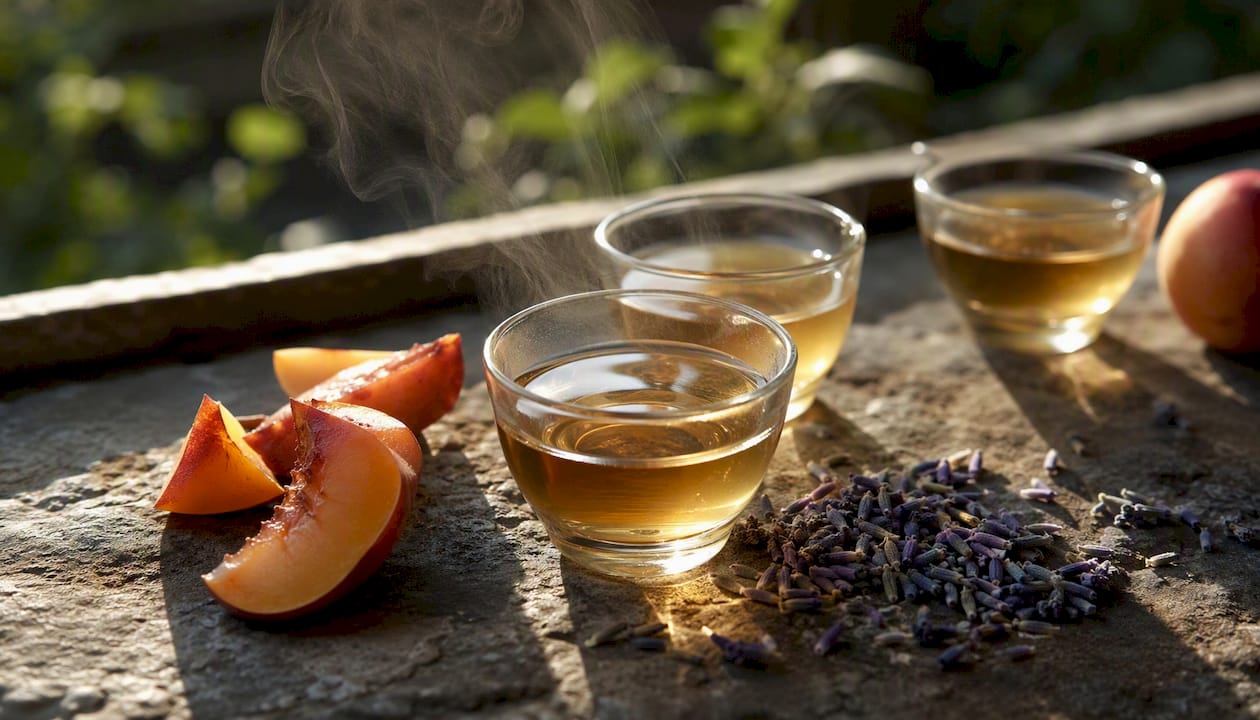
Sensory-wise, expect fruity, floral, and tea-like notes with a clean, almost delicate finish. Ethiopian light roasts often show jasmine and stone fruit; Colombian lights lean toward red apple and caramel brightness; Kenyan lights can hit blackcurrant and tomato-like savory notes. The acidity is the star, and it’s the kind that makes your mouth water rather than upset your stomach.
For brewing, light roasts shine in methods that give water time to extract gently and evenly: pour-over (V60, Chemex), drip filter, and Aeropress. Aim for water around 200–205°F because light roasts are denser and need that extra heat to fully extract. Grind slightly finer than you would for a medium roast to compensate for lower solubility. A 1:15 to 1:17 coffee-to-water ratio works well for most filter methods.
Pro Tip: To taste a light roast properly, start with the aroma before you sip — most of the floral and fruit notes are volatile and hit your nose first. Take your first sip and let it sit on the front of your tongue for the acidity. As it moves to the midpalate, look for sweetness. The finish tells you the terroir story: a clean, lingering fruit note is a sign of quality sourcing.
What does a dark roast actually taste like?
A dark roast is carried through second crack, sometimes well past it, which means roast-derived flavors take over from origin character. The bean’s natural sugars have caramelized deeply, cell walls have fractured, and oils have pushed to the surface. What you taste is the roast itself: chocolate, caramel, smoke, and a heavy, velvety body.
Common dark roast names include:
- Full City: Just at or slightly past second crack. Still some sweetness; the lightest of the “dark” family.
- Vienna: Moderate dark roast with bittersweet chocolate and light smoke. Surface oils beginning to appear.
- French Roast: Deep, smoky, and bold. Significant oil on the bean surface; acidity is nearly gone.
- Italian Roast: The darkest widely available commercial roast. Intense bitterness, heavy smoke, very oily beans.
Dark roasts produce lower perceived acidity and more roast-derived flavors, which is why they’re the default choice for espresso, French press, cold brew, and milk-based drinks. The heavier body holds up beautifully under steamed milk, and the bold roast notes cut through cream or sugar without disappearing. For a deeper dive into how dark and medium profiles compare on the palate, the dark roast versus medium roast breakdown on Ecoviberoast’s blog is worth a read.
Pro Tip: The biggest mistake with dark roasts is brewing them too hot and too fine. Because dark beans are more porous and extract faster, water above 200°F and a fine grind can push bitter, ashy compounds into the cup quickly. Drop your water temperature to 195–198°F and go one grind step coarser than you think you need. The result is rich and smooth, not harsh.
How do light and dark roast compare side by side?
The single biggest practical difference between the two is this: light roast lets the origin speak; dark roast lets the roast speak. Every other difference flows from that.
| Attribute | Light Roast | Dark Roast |
|---|---|---|
| Acidity | High, bright, mouth-watering | Low, muted |
| Body (mouthfeel) | Light to medium, tea-like | Full, heavy, velvety |
| Flavor notes | Fruit, floral, citrus, origin-specific | Chocolate, caramel, smoke, roasty |
| Bean appearance | Dry, matte, light brown | Oily, dark brown to near-black |
| Solubility/extraction | Lower solubility; needs finer grind, hotter water | Higher solubility; extracts faster, needs coarser grind |
| Best brew methods | Pour-over, drip filter, Aeropress | Espresso, French press, cold brew |
| Caffeine (by weight) | Marginally higher | Marginally lower |
| Caffeine (by volume/scoop) | Lower (denser beans = fewer per scoop) | Higher (lighter beans = more per scoop) |
The caffeine row deserves a moment. Caffeine differences between roast levels are typically under about 5–10% and are far smaller than the effects of dose and brew method. The “dark roast is stronger” idea comes from flavor perception, not chemistry. Dark roast tastes bolder, but bold is not the same as caffeinated.
Who should pick which roast?
- Filter or pour-over fan: Light roast, every time. You’ll taste the origin story in every cup.
- Espresso drinker: Dark or medium-dark. The body and crema behavior suit the method.
- Milk-drink lover (lattes, cappuccinos): Dark roast holds its flavor through steamed milk.
- Low-acid seeker: Dark roast’s lower titratable acidity is gentler on sensitive stomachs for most people.
What does science say about roast chemistry and health?
The strongest, most consistent finding is that caffeine is largely stable across roast levels. Any marginal decline with darker roasting is not enough to matter in practice. What does change meaningfully are acid-related compounds, antioxidants, and a few roast-specific molecules.
What the evidence supports clearly:
- Titratable acidity falls as roasting progresses, which is why dark roast feels gentler on the stomach for many people.
- Chlorogenic acids (a family of antioxidants) degrade with heat. Light roasts retain more of them.
- Darker roasting generates N-methylpyridinium (NMP), a compound that a peer-reviewed study found was associated with reduced gastric acid secretion in experimental settings. This may partly explain why some people with acid sensitivity tolerate dark roast better despite coffee’s general acidity.
What remains uncertain:
The NutritionFacts synthesis on roast-level health differences notes that while some compounds shift meaningfully between roast levels, the long-term clinical implications are not well established. Light roast’s higher chlorogenic acid content sounds like a clear win for antioxidants, but bioavailability and individual gut response vary widely. Research indexed on PubMed continues to investigate these tradeoffs.
On acrylamide: Darker roasts contain less acrylamide than lighter ones, because the compound forms early in roasting and then breaks down with continued heat. Neither level poses a documented risk at normal coffee consumption amounts, but it’s worth knowing the direction of the tradeoff.
This section is general information, not medical advice. If you have a diagnosed GI condition or specific health concern, talk with your clinician before changing your coffee habits.
How do you choose the right roast for your taste?
Pick by flavor priority first, then match your brew method. That’s the short answer. Here’s a practical decision sequence to make it concrete:
- How do you drink your coffee? Black with no additions? Go light roast. With milk, cream, or sugar? Dark roast holds up better.
- What flavor experience do you want? Bright, complex, origin-specific? Light. Bold, rich, and consistent? Dark.
- Are you sensitive to acidity? If yes, dark roast’s lower acidity and higher NMP content may suit you better.
- What brewing equipment do you own? Pour-over or drip filter? Light roast is the natural fit. Espresso machine or French press? Dark roast is built for those methods.
- Do you want to taste where the coffee came from? Light roast is the answer. A well-sourced Ethiopian or Kenyan light roast tells you a story about altitude, soil, and processing. Dark roast, especially commodity blends, tells you mostly about the roaster’s profile.
Try this first: Buy a two-roast sampler, brew both at the same dose and with the same method, and change only the roast variable. Taste each one and note three things: the aroma before sipping, the acidity on first contact, and the finish after swallowing. Two or three sessions like this will tell you more than any article can.
Pro Tip: When comparing roasts by dose, weigh your coffee rather than scooping it. Dark roast beans are less dense (they’ve lost mass and expanded during roasting), so the same scoop holds fewer grams of dark roast than light. Weighing to the same gram keeps the comparison honest. A kitchen scale accurate to 0.1g is a small investment that changes how you brew.
Brewing and storage tips for each roast
Treat light and dark roasts differently from the moment you open the bag. Their solubility, porosity, and oil content are genuinely different, and brewing them identically means one of them is always slightly wrong.
Light roast brewing parameters
Light roasts are denser and less soluble, so they need a little more help from heat and grind. For pour-over, use water at 200–205°F and a medium-fine grind. A 1:15 ratio (1g coffee to 15g water) is a solid starting point; adjust finer or coarser based on taste. For Aeropress, a slightly finer grind and a 2–3 minute steep time work well. Light roasts reward patience: bloom your grounds for 30–45 seconds to release CO₂ before pouring.
Dark roast brewing parameters
Dark roasts extract fast because extended roasting breaks down structural polysaccharides, making the bean more porous. For espresso, aim for 195–200°F and a slightly coarser grind than you’d use for a medium roast. For French press, 195–198°F water and a coarse grind with a 3–4 minute steep avoids the ashy bitterness that comes from over-extraction. Cold brew is forgiving: a coarse grind, room temperature or refrigerator steep for 12–18 hours, and a 1:8 ratio produces a smooth, chocolatey concentrate.
Storage for both roasts
Whole beans stay fresh significantly longer than pre-ground coffee. Store in an airtight, opaque container away from heat and light. A ceramic canister with a CO₂ valve is ideal. Light roasts typically hold peak flavor for 2–4 weeks after roast date; dark roasts, because their oils are already at the surface, can start tasting flat or rancid within 2–3 weeks if exposed to air.
One practical note on dark roast and grinder maintenance: those surface oils migrate into your grinder’s burrs and chute over time. If you brew dark roast regularly, wipe down your grinder weekly and run a grinder cleaning tablet monthly to prevent rancid oil buildup affecting your next cup.
Why roast choice and sourcing are inseparable
There’s a conversation in specialty coffee that doesn’t get enough airtime: roast level and sourcing ethics are connected in ways that matter to conscious coffee drinkers. When you choose a light roast, you’re essentially asking the roaster to step back and let the bean’s origin character carry the cup. That only works if the origin is worth showcasing — which means traceable sourcing, fair relationships with farmers, and careful processing. Sustainable coffee sourcing practices are what make a light roast worth the transparency.
Dark roast tells a different story. A skilled roaster can produce a genuinely delicious dark roast from high-quality beans, but the roast level also provides cover for lower-grade commodity coffee. The roast-derived flavors are powerful enough to mask variability in the underlying bean. That’s not inherently bad — it’s why dark roast blends are consistent and affordable — but it’s worth knowing when you’re paying a premium for “dark roast” that the sourcing story matters just as much as the roast profile.
At Ecoviberoast, the commitment to low-impact roasting practices and traceable sourcing applies across roast levels. Choosing a roast isn’t just a flavor decision; it’s a small vote for the kind of coffee supply chain you want to support. That framing changes how you read a coffee bag, and it makes the tasting process feel like more than just personal preference.
Ready to taste the difference for yourself?
Ecoviberoast makes it easy to put the light-versus-dark question to a real, hands-on test without committing to a full bag of something you might not love. The single-serve coffee pod collection lets you brew different roast profiles back to back with the same equipment and dose, which is exactly the controlled comparison the tasting plan above calls for.

Every order supports Ecoviberoast’s environmental commitments: mangrove tree planting and ocean-bound plastic removal with each purchase. The 12-pack single-serve pods are the lowest-commitment way to start, and the 60-pack option is there when you’ve found your roast and want to stock up. Pick your starting point, brew both roasts side by side, and let your palate make the final call.
Sources
The sources below were selected for authority, practical relevance, and evidence quality. They range from primary research to accessible trade guides.
Food & Wine’s light vs. dark roast explainer covers roast chemistry, solubility changes, and the caffeine myth in plain language. Breville’s roast comparison guide is practical and equipment-focused, with good sensory descriptions. Barista At Home’s guide provides temperature ranges and brewing recommendations for each roast level. Roastopedia’s light vs. dark roast article explains first and second crack in accessible terms. For health and chemistry, NutritionFacts.org’s roast health synthesis offers a balanced, evidence-grounded overview. The PubMed study on NMP and gastric acid secretion is the primary research behind the dark roast stomach-tolerance claim, and a broader PubMed review of roast chemistry and antioxidants provides additional context on how roasting affects coffee’s bioactive compounds. For roast-level caffeine comparisons, CoffeeBot’s medium vs. dark roast breakdown is a useful practical synthesis.
For health-specific questions, consult your clinician rather than relying on any single article or study.
This article is general information, not a substitute for advice from a qualified doctor. Consult a qualified healthcare professional about your own circumstances before acting on anything here.
- Food & Wine — Light Roast vs Dark Roast
- Breville — Light vs Dark Roast
- Barista At Home — Light vs Dark Roast
- Nutritionfacts
- CoffeeBot — Medium vs Dark Roast
- Pubmed


