

TL;DR:
- Low-impact roasting minimizes energy use and greenhouse gas emissions by employing efficient technology and lighter profiles. Choosing lighter roasts from transparent, technologically advanced roasters offers a genuine eco advantage and helps reduce the coffee industry’s overall carbon footprint. Being informed and asking brands about their roasting practices enables consumers to make truly sustainable coffee choices.
Most coffee lovers spend a lot of time thinking about sourcing, fair trade certifications, and biodegradable packaging — which is wonderful! But here’s something that might genuinely surprise you: the roasting stage of your coffee’s journey can account for a surprisingly large chunk of its total carbon footprint. In fact, light roasts use 33% less energy than dark roasts, meaning the way your beans are roasted matters enormously for the planet. This guide breaks down what low-impact coffee roasting actually means, how it compares to traditional methods, and how you can use that knowledge to make genuinely greener choices every single morning.
Table of Contents
- What is low-impact coffee roasting?
- How traditional roasting compares to low-impact methods
- Light vs. dark roasts: Sustainability’s flavor trade-off
- How to find and choose genuinely low-impact coffees
- A perspective on low-impact roasting: Beyond the buzzwords
- Next steps: Eco-friendly choices made easy
- Frequently asked questions
Key Takeaways
| Point | Details |
|---|---|
| Roasting’s real impact | The way coffee is roasted can be as environmentally important as how it’s farmed or packaged. |
| Lighter roasts save energy | Choosing lighter roasts helps lower both energy use and carbon emissions in your daily cup. |
| Technology matters | Modern roasting equipment can reduce gas use and emissions by over 30% compared to traditional systems. |
| Taste vs. sustainability | While lighter roasts are greener, you may need to balance flavor preferences with eco goals. |
| Ask the right questions | Look for genuine transparency in roasting practices, not just in certifications or eco-marketing. |
What is low-impact coffee roasting?
Now that we’ve set the context for coffee’s environmental footprint, let’s clarify what “low-impact” roasting really means — because it’s more specific than a feel-good label.
At its core, low-impact coffee roasting is about transforming green coffee beans into the aromatic, flavorful product you love while using as little energy as possible, generating fewer greenhouse gas emissions, and minimizing waste at every stage of the process. It’s not just about swapping one machine for another. It’s a philosophy that runs through roast profile selection, batch optimization, and the technology a roaster chooses to invest in.
Here are the key pillars that define low-impact roasting:
- Energy-efficient roasting equipment: Modern roasters use recirculating heat systems and precise digital controls to avoid wasting fuel during the roasting cycle.
- Roast profile selection: Lighter roasts reach their target temperature faster, meaning less time in the drum and fewer emissions generated. Research confirms that light roasts produce 33% less carbon emissions than dark roasts and 17% less than medium roasts.
- Optimized batch sizes: Roasting in well-calculated batches reduces idle energy waste and ensures the machine runs efficiently from start to finish.
- Afterburner technology: Many low-impact roasters use afterburners or catalytic oxidizers to clean the smoke produced during roasting, reducing air pollutants released into the atmosphere.
- Transparency and measurement: Genuine low-impact roasters track and report their energy use and emissions, treating sustainability as a metric rather than a marketing line.
Understanding this eco-conscious brewing process from start to finish allows you to see your daily cup in a completely new light. The roasting stage isn’t just about flavor development — it’s a critical moment where meaningful environmental choices get made. Keeping up with the latest coffee sustainability trends makes it even easier to spot which roasters are genuinely leading the charge.
Pro Tip: Lighter roasts aren’t just trendy — they offer a real, measurable eco advantage over darker profiles, so if you enjoy a bright, fruity cup, you’re already doing the planet a favor!
How traditional roasting compares to low-impact methods
With low-impact roasting defined, let’s compare it in detail to standard practices so you can spot the real differences and understand why those differences matter.
Traditional coffee roasting typically relies on open-flame, gas-fired drum roasters. These systems have been around for over a century, and while they produce wonderfully consistent results, they’re not known for efficiency. Gas combustion generates significant carbon dioxide and other pollutants, and older systems often burn fuel even during idle periods or transitions between batches.
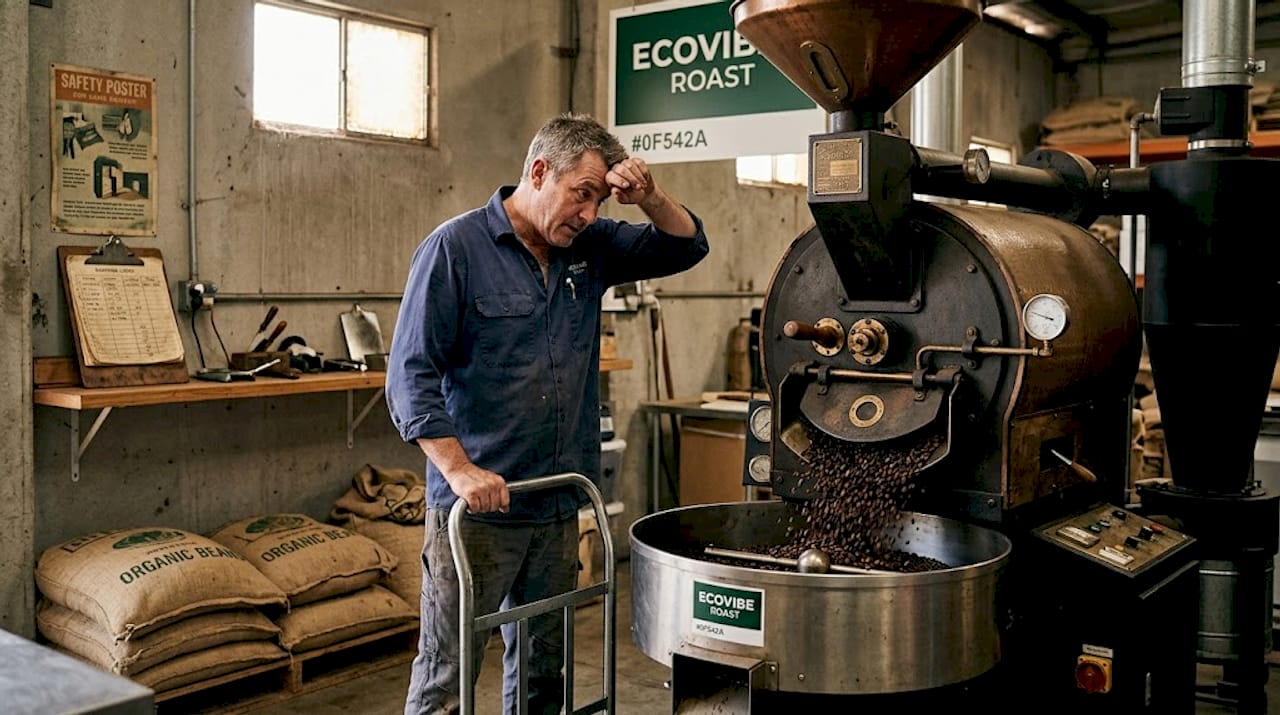
Modern low-impact systems tell a very different story. For example, IMF recirculating heat technology reduces gas usage by over 30% and controls emissions through a single burner and vortex system that channels heat more precisely through the roasting drum. That’s not a small improvement — it’s a structural rethinking of how heat gets used.
| Feature | Traditional roasting | Low-impact roasting |
|---|---|---|
| Heat source | Open-flame gas burner | Recirculating heat systems |
| Gas usage | High, often inconsistent | Reduced by 30%+ |
| Emissions control | Minimal or afterburner only | Vortex control, single burner, catalytic systems |
| Energy waste | Significant during idle periods | Minimized through batch optimization |
| Operational cost | Higher long-term fuel cost | Lower fuel use, better cost efficiency |
| Transparency | Rarely tracked or disclosed | Measured and reported by leading roasters |
“The advancement in roasting technology isn’t just about saving money on gas bills — it’s about fundamentally changing the environmental signature of every batch of coffee. Roasters who embrace recirculating heat systems are making a choice that ripples through every cup they produce.” — Beanscenemag.au, “Making Roasting Cleaner and Greener”
The gap between these two approaches is growing wider every year. As more roasters adopt efficient technology, the baseline expectation for what counts as “responsible roasting” is rising. You can explore more green coffee initiatives to understand how technology fits into the bigger sustainability picture, and check out a practical cut coffee waste guide to complement what you learn here.
Light vs. dark roasts: Sustainability’s flavor trade-off
Now that technology’s role is clear, it’s time to tackle the taste debate and how your roast preference affects your eco footprint — because yes, those two things are directly connected.
Let’s get the numbers on the table first. Light roasts produce significantly fewer emissions than both medium and dark roasts, offering real sustainability and economic benefits. The reason is straightforward: a lighter roast reaches its target internal temperature sooner, meaning the beans spend less time in the drum and the roaster burns less fuel to get the job done. Dark roasts require longer, higher-temperature profiles that demand considerably more energy input.
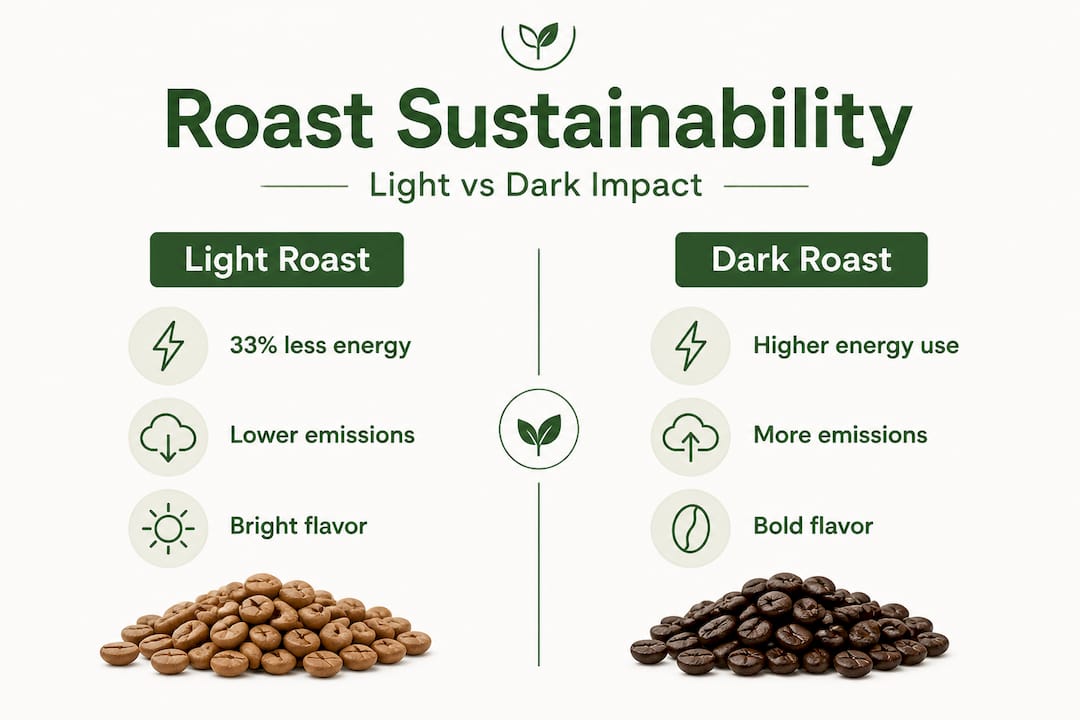
Here’s how the three main roast levels compare from a sustainability standpoint:
| Roast level | Relative energy use | Relative emissions | Flavor profile |
|---|---|---|---|
| Light | Lowest | Lowest (33% less than dark) | Bright, fruity, acidic, nuanced |
| Medium | Moderate | Moderate (17% less than dark) | Balanced, caramel, mild sweetness |
| Dark | Highest | Highest | Bold, smoky, bitter, full-bodied |
Statistic callout: Light roast can use up to 33% less energy than dark roast, making it the clear sustainability sweet spot on the roast spectrum.
Now, here’s where it gets a little complicated. Many coffee lovers genuinely prefer the rich, bold, almost chocolatey depth of a dark roast. That’s a completely valid preference, and we’d never suggest you sacrifice the cup you love just for the numbers. But being aware of the trade-off is powerful. It lets you make intentional choices, perhaps shifting toward a medium roast on weekdays or mixing in a light roast to offset some of your darker preferences.
Ask yourself these questions when weighing taste against your eco goals:
- Do I actually love dark roast, or is it just what I’ve always bought?
- Have I genuinely explored light and medium roasts from high-quality, sustainably sourced beans?
- Could I mix roast levels throughout the week to reduce my overall environmental footprint?
- Am I open to exploring how brewing method (like pour-over or cold brew) can complement a lighter roast’s bright, complex flavors?
- Does the roaster I buy from use energy-efficient technology, which matters regardless of roast level?
Thinking through coffee flavor sustainability impact opens up a whole new dimension in how you relate to your morning ritual. It’s less about sacrifice and more about curiosity and conscious choice.
How to find and choose genuinely low-impact coffees
Informed about methodology and flavor, here’s your practical guide to actually selecting low-impact coffee for your cup, because knowledge only counts when you act on it.
The market is flooded with eco-sounding labels, but not all of them tell the full story. To make sure your next bag of beans is as green as the packaging suggests, here’s a step-by-step approach:
-
Ask about roasting technology. Contact the roaster directly or check their website for details on their equipment. Do they use recirculating heat systems? Do they have afterburner or catalytic oxidizer setups? A roaster proud of their low-impact methods will be happy to share this information.
-
Look for light or medium roast options. Given that light roasts use significantly less energy compared to dark roasts, choosing a lighter profile is one of the easiest, most direct ways to reduce the roasting footprint of your cup.
-
Check batch size transparency. Roasters who optimize their batches for energy efficiency are thinking about more than just flavor. This is a sign of a roaster who takes the full process seriously.
-
Review emission and waste reduction policies. Does the roaster talk about the emissions from their production facility? Do they share numbers, not just promises? Transparency is a huge green flag.
-
Cross-reference certifications with process details. Certifications like Rainforest Alliance or organic labels are helpful signals, but they often focus on the farm level. Ask specifically what the roaster is doing at the roasting stage to minimize impact.
-
Look for energy sourcing information. Some forward-thinking roasters power their facilities with renewable energy, which compounds the benefits of efficient roasting technology.
-
Use a sustainable coffee checklist to systematically evaluate any new roaster or brand you’re considering. Pair that with a deeper look at a complete coffee sourcing sustainability workflow to understand how each step connects to the next.
Pro Tip: Certifications are a great starting point, but the real signal of low-impact roasting is whether a brand can explain their actual process — the equipment, the energy source, and the emission controls. If they can’t answer that question, dig deeper before you commit.
A perspective on low-impact roasting: Beyond the buzzwords
With actionable tips in hand, it’s worth pausing for a candid look at what truly makes roasting — and coffee as a whole — eco-friendly. Because honestly, we see a lot of “sustainable” claims in this industry, and not all of them hold up under scrutiny.
Here’s something worth sitting with: a brand can use 100% compostable packaging, source from certified organic farms, and pay above fair-trade prices while still running an energy-hungry, emissions-heavy roasting operation. That’s not greenwashing in the traditional sense, but it is a massive blind spot. The roasting stage can represent a significant share of a coffee’s total lifecycle emissions, and it’s one of the most overlooked parts of the sustainability conversation.
We believe that truly eco-friendly coffee requires systemic thinking. It’s not enough to fix one part of the supply chain and call it done. Real sustainability means asking hard questions at every stage — from how the soil is managed on the farm, to how the beans are transported, to what happens inside that roasting drum.
The brands getting this right are the ones willing to be transparent about numbers. Not marketing copy. Not aspirational language. Actual data on energy consumption, emission controls, and process improvements. That’s the standard we hold ourselves to, and it’s the standard we encourage you to hold your coffee roasters to as well.
It also means acknowledging that as consumers, we have a role to play. Choosing lighter roasts when you enjoy them, asking questions of brands before you buy, and supporting roasters who invest in cleaner technology are all small but genuinely meaningful acts. Exploring sustainable agriculture for coffee gives you the full farm-to-cup picture that makes these choices even more grounded.
Low-impact roasting isn’t just a feature. It’s a commitment. And it’s one that deserves to be recognized, celebrated, and demanded by every eco-conscious coffee drinker out there.
Next steps: Eco-friendly choices made easy
Armed with real-world guidance and perspective, here’s how you can put eco-friendly coffee choices into action today.
At EcoVibe Roast, we’ve built our entire approach around the kind of transparency and environmental accountability you’ve just read about. Every purchase supports our mission of planting mangrove trees and removing ocean-bound plastics, making your morning cup a warm hug for both you and Mother Earth.

If you’re ready to upgrade your coffee routine without compromise, our sustainable single-serve pods are a great place to start — responsibly sourced, thoughtfully produced, and easy to love. And if you want the full picture of how we’re working to make every sip count for the planet, explore our EcoVibe environmental impact page. Your next great cup can be genuinely good for the world, and we’d love to help you get there.
Frequently asked questions
Do low-impact roasts taste different from traditional roasts?
Low-impact methods often yield lighter roasts that taste brighter and more acidic than traditional dark profiles, though roast level flavor trade-offs depend on bean origin and brewing method. Many coffee lovers find the nuanced fruitiness of a light roast genuinely exciting once they explore it.
Is greenhouse gas reduction from low-impact roasting significant?
Yes — new roasting technology and lighter roast profiles can reduce energy use and emissions by up to 33% compared to dark roasts, which adds up meaningfully across thousands of batches per year.
Which roasters use low-impact technology?
IMF recirculating heat technology is a recognized leader in the space, cutting gas usage and emissions by over 30% through single-burner and vortex control systems. Look for roasters who specifically mention their equipment when discussing sustainability.
How can consumers verify claims about low-impact roasting?
Ask roasters directly for details on their roasting equipment, energy sources, and batch optimization practices rather than relying solely on certifications, which often focus on farm-level practices rather than roasting operations.
Recommended
- Eco-Conscious Coffee Brewing Process for Sustainable Enjoyment – EcoVibe Roast
- Why choose plant-based coffee pods: better for Earth – EcoVibe Roast
- Green initiatives for coffee lovers: make every sip count – EcoVibe Roast
- How to Choose Planet-Friendly Coffee Beans Easily – EcoVibe Roast
- How to select coffee beans for great home brewing flavor – Tri Crow Coffee


