

You toss coffee grounds in the trash each morning without thinking twice. Meanwhile, improper brewing habits waste up to 30% of your coffee before you even finish your cup. Small adjustments in how you brew, store, and repurpose coffee can dramatically reduce waste while saving money and supporting eco-conscious values.
Table of Contents
- Prerequisites: What You Need to Get Started
- Brewing Methods to Minimize Coffee Waste
- Composting and Repurposing Coffee Grounds
- Sustainable Coffee Product Choices to Cut Waste
- Common Mistakes and Solutions
- Expected Results and Outcomes
- Discover Sustainable Coffee Solutions at EcoVibe Roast
- Frequently Asked Questions
Key Takeaways
| Point | Details |
|---|---|
| Manual brewing methods | French press and AeroPress cut grounds waste by up to 20% compared to automatic machines. |
| Composting coffee grounds | Reduces household organic waste by 10% and diverts up to 90% from landfills when repurposed. |
| Reusable filters | Eliminate 75% of disposable filter waste while maintaining coffee quality. |
| Portion control | Brewing 6-ounce servings prevents excess coffee waste and improves flavor concentration. |
| Product choices matter | Compostable pods and whole beans offer better waste reduction than standard single-use options. |
Prerequisites: What You Need to Get Started
Before diving into waste reduction strategies, you need specific tools and knowledge to succeed. Understanding basic brewing equipment and portion sizes is fundamental to reducing coffee waste. Without this foundation, you’ll struggle to implement effective changes.
Start by assessing your current coffee setup. Do you know the optimal coffee-to-water ratio for your brewing method? Most people use too much coffee per cup, wasting grounds and money. A standard serving is 6 ounces, not the oversized mugs many of us prefer. Learning precise measurements prevents the most common waste source.
Access to composting infrastructure makes a significant difference. Whether you maintain a home compost bin or participate in a community composting program, you need somewhere to send used grounds. Without this option, you lose the biggest waste reduction opportunity available. Research local composting services if home composting isn’t feasible.
Gather these essential items before starting:
- Airtight storage containers for beans and grounds to prevent staleness
- A quality grinder with adjustable settings for consistent extraction
- Measuring tools (scale or scoop) for accurate portions
- Reusable filters compatible with your brewing method
- Compost bin or access to composting services
Your willingness to track and adjust habits determines success. Start by monitoring how much coffee you brew versus consume daily. This simple step reveals waste patterns you didn’t know existed. Most people discover they brew 20-30% more than they actually drink. Implementing reducing waste with coffee pods techniques starts with honest self-assessment.
Brewing Methods to Minimize Coffee Waste
Your brewing method directly impacts how much coffee ends up wasted. Manual brewing methods like French press reduce coffee grounds waste by up to 20% compared to automatic drip machines. The difference comes from better extraction efficiency and precise portion control.
French press brewing gives you complete control over coffee quantity and brewing time. You add exactly what you need, nothing more. The metal filter eliminates paper waste while allowing beneficial oils into your cup. AeroPress offers similar benefits with even less cleanup and faster brewing.
Cold brew concentrate represents the most efficient brewing method for waste reduction. This method uses 25% less grounds per serving than traditional hot brewing because you dilute the concentrate with water or milk. One batch yields multiple servings over several days without quality loss. Store concentrate in the refrigerator for up to two weeks.
Portion control makes the biggest difference in reducing brewed coffee waste. Stick to these guidelines:
- Brew only what you’ll consume within 30 minutes
- Use 6-ounce servings as your baseline, not 12-16 ounce mugs
- Calculate total daily consumption before brewing
- Adjust grind size for optimal extraction rather than adding more grounds
Grinder maintenance improves extraction efficiency by 15%, meaning you get more flavor from less coffee. Clean your grinder weekly to prevent oil buildup that causes inconsistent particle size. Inconsistent grinds lead to under-extraction, tempting you to use more coffee to compensate. Implementing coffee pod waste reduction techniques includes maintaining all equipment properly.
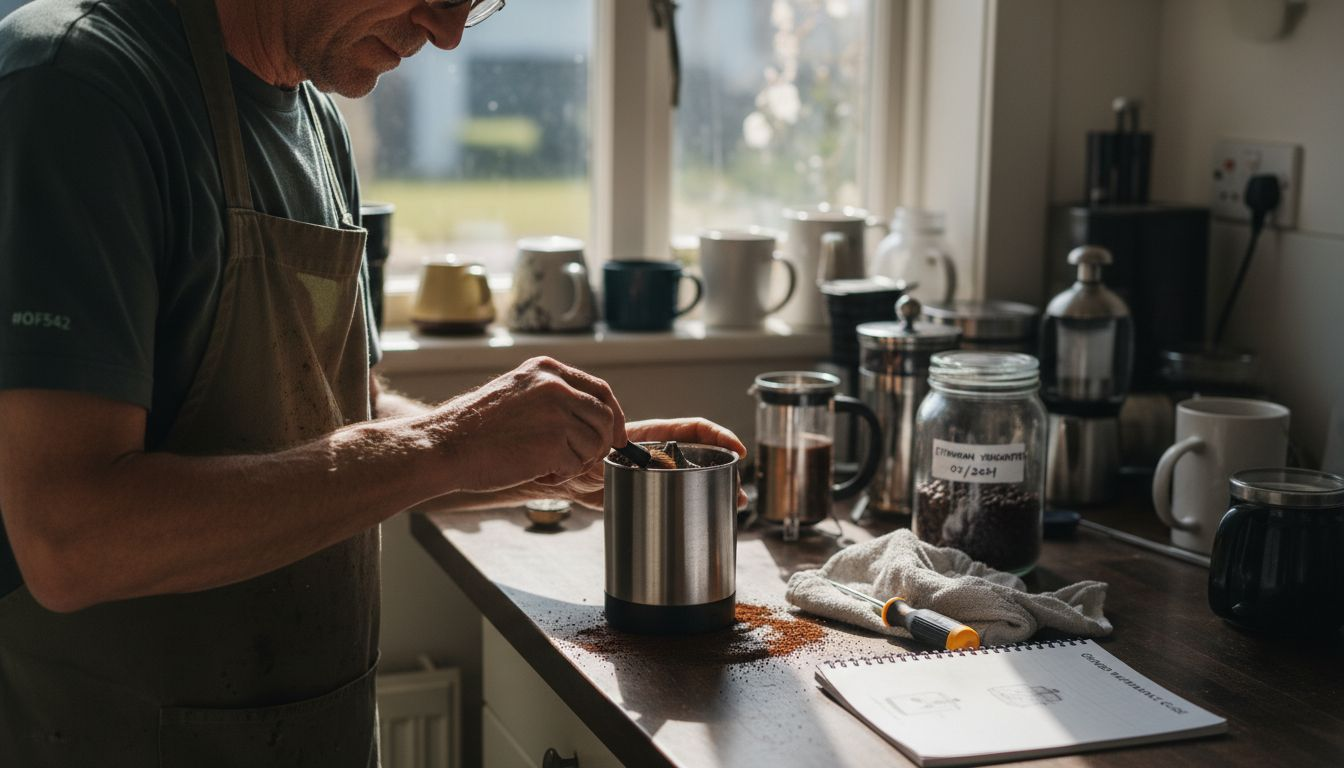
Pro Tip: Brew a single 6-ounce cup first thing in the morning, then brew additional servings only as needed throughout the day. This prevents the common mistake of brewing a full pot that sits for hours.
Composting and Repurposing Coffee Grounds
Used coffee grounds contain valuable nutrients that benefit your garden and eliminate landfill waste. Composting coffee grounds can reduce household organic waste volume by 10%, while repurposing as mulch or deodorizer can divert up to 90% of waste. This transforms what you once threw away into a useful resource.
Follow these steps for successful coffee ground composting:
- Allow grounds to cool completely before adding to your compost bin.
- Mix grounds with brown materials like dried leaves at a 1:3 ratio to balance nitrogen levels.
- Keep compost moist but not waterlogged to encourage beneficial microorganism activity.
- Turn your compost pile weekly to ensure even decomposition and prevent odor.
- Monitor temperature to confirm active decomposition is occurring.
Coffee grounds serve multiple purposes beyond composting. Spread cooled grounds directly on garden soil as mulch to retain moisture and suppress weeds. The slight acidity benefits acid-loving plants like tomatoes, blueberries, and roses. Place dried grounds in open containers to absorb refrigerator odors naturally.
Avoid mixing non-compostable items with coffee grounds. Paper filters are compostable, but plastic pod components are not. Separate these materials before disposal. Many people contaminate their compost by tossing entire pods without removing the plastic casing. This mistake creates microplastic pollution and ruins otherwise good compost. Following coffee composting and repurposing techniques prevents these errors.
Monitor your compost for signs of healthy decomposition. Properly managed coffee ground compost breaks down within 3-6 months, producing rich, dark soil amendment. If you notice foul odors, you’re adding too many grounds without enough brown material. Adjust your ratio immediately.
Pro Tip: Sprinkle damp coffee grounds around outdoor seating areas to repel ants and mosquitoes naturally. The strong scent disrupts their navigation, keeping your space pest-free without chemicals.
Sustainable Coffee Product Choices to Cut Waste
The coffee products you choose determine your baseline waste generation. Compostable coffee pods halve waste compared to standard pods which produce 30% more waste; reusable filters reduce waste by 75%. Making informed product decisions creates lasting impact.
Compare waste levels across different coffee formats:
| Product Type | Waste per Serving | Compostability | Annual Waste (365 servings) |
|---|---|---|---|
| Standard pods | 15g plastic + grounds | No | 5.5 kg |
| Compostable pods | Grounds only | Yes | 2.7 kg |
| Reusable filter + grounds | Grounds only | Yes | 2.7 kg |
| Whole beans | Grounds only | Yes | 2.7 kg |
Whole beans offer maximum waste reduction potential because you control portion size precisely. Buy beans in bulk using reusable containers to eliminate packaging waste. Grind only what you need for each brewing session to maintain freshness. This approach combines quality with sustainability.
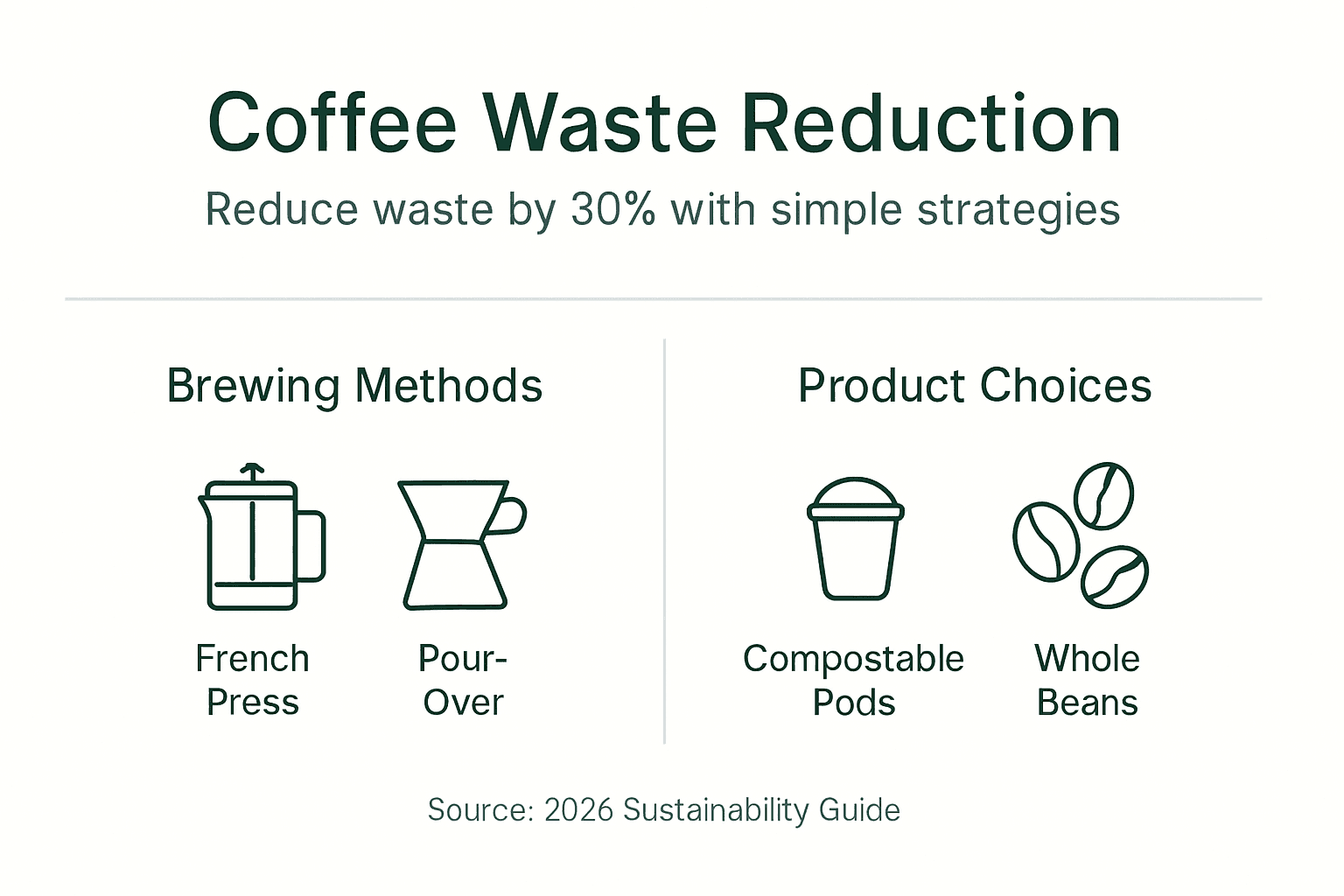
Reusable coffee filters represent the single most effective product swap you can make. Metal mesh filters last years and eliminate thousands of paper filters from landfills. Initial costs range from $10-25, recovering investment within 2-3 months compared to buying disposable filters. Clean filters immediately after use to prevent oil buildup.
When selecting sustainable coffee products, consider:
- Packaging materials and recyclability
- Product lifespan and durability
- Ease of cleaning and maintenance
- Compatibility with existing equipment
- Actual vs. claimed compostability
Beware of greenwashing claims. Some products labeled “biodegradable” only break down under specific industrial composting conditions unavailable in most communities. Verify certifications and realistic disposal options before purchasing. Exploring sustainable coffee product choices helps you identify genuinely eco-friendly options.
Cost and convenience tradeoffs exist with every choice. Compostable pods cost 15-20% more than standard pods but eliminate guilt and environmental harm. Reusable filters require washing but save money long term. Evaluate your priorities and lifestyle to find the right balance.
Common Mistakes and Solutions
Even well-intentioned coffee drinkers make errors that undermine waste reduction efforts. Brewing too large batches accounts for 25% of waste; improper storage causes 20% waste; inconsistent grind size and compost contamination also contribute. Recognizing these pitfalls helps you avoid them.
The biggest mistake is brewing more coffee than you’ll consume in one sitting. That half pot you poured down the drain represents wasted water, energy, and coffee. Solution: brew one 6-ounce serving at a time using methods like pour-over or AeroPress. If you must brew larger quantities, use an insulated carafe that maintains temperature for hours without a heating plate.
Improper storage ruins coffee before you can use it. Beans and grounds exposed to air oxidize rapidly, losing flavor within days. You compensate by using more coffee to achieve the same taste, creating unnecessary waste. Solution: store coffee in airtight containers away from light, heat, and moisture. Buy smaller quantities more frequently rather than bulk purchases that go stale.
Grinder maintenance affects extraction efficiency more than most people realize. A dirty grinder with dull burrs produces inconsistent particle sizes, leading to weak, watery coffee. You respond by adding more grounds, perpetuating waste. Solution: clean your grinder weekly and replace burrs every 500 pounds of coffee processed.
Compost contamination happens when you fail to separate compostable from non-compostable materials. Tossing entire coffee pods, stapled tea bags, or plastic scoops into compost ruins batches and creates microplastic pollution. Solution: inspect every item before adding it to compost. When in doubt, separate components or throw non-compostable parts in regular trash. Getting help fix coffee brewing mistakes prevents these contamination issues.
Many people give up on waste reduction because they don’t see immediate results. Sustainable habits require consistent effort over months, not days. Solution: track your coffee usage weekly using a simple spreadsheet or notebook. Record grounds used, coffee brewed, and estimated waste. Visible progress motivates continued commitment.
Pro Tip: Set a recurring calendar reminder every Sunday to review your weekly coffee consumption patterns. This 5-minute habit keeps waste reduction top of mind and helps you course-correct quickly.
Expected Results and Outcomes
Applying these waste reduction strategies produces measurable results within 90 days. Users can reduce coffee grounds waste by 15-30% within 3 months; composting lower household organic waste by 10%; repurposing diverts up to 90%; reusable filters cut waste by 75%. Your specific outcomes depend on current habits and consistency.
Expect these results based on implementation level:
| Strategy | Waste Reduction | Implementation Time | Difficulty |
|---|---|---|---|
| Portion control | 15-25% | Immediate | Easy |
| Manual brewing methods | 20% | 1 week | Moderate |
| Composting grounds | 10% household waste | 2-4 weeks | Easy |
| Reusable filters | 75% filter waste | Immediate | Easy |
| Cold brew concentrate | 25% grounds saved | 1-2 weeks | Moderate |
| Product optimization | 30-50% total waste | 1-3 months | Moderate |
Tracking progress keeps you motivated during the adjustment period. Take photos of your weekly coffee waste before starting these practices. After 30 days, photograph again to see visible reduction. The difference provides powerful validation.
Financial savings accompany waste reduction. Using 20-30% less coffee monthly saves $15-30 for average consumers. Reusable filters eliminate $5-10 monthly filter costs. Combined with reduced trash volume, you’ll notice meaningful budget impact within two months.
“After implementing portion control and switching to French press, I cut my coffee spending by $25 monthly while improving taste. The grounds go straight into my garden, and I’ve never seen healthier tomato plants.” — Sustainable coffee practitioner
Some strategies deliver immediate results while others require patience. Switching to reusable filters eliminates disposable waste instantly. Composting takes 3-6 months before you harvest usable soil amendment. Developing accurate portion control habits improves gradually over 4-6 weeks as you learn your actual consumption patterns. Reviewing coffee waste reduction outcomes helps set realistic expectations.
Long-term adoption creates compounding benefits. Year one might achieve 30% waste reduction. Year two could reach 50-60% as habits solidify and you discover additional optimization opportunities. The key is maintaining consistency rather than pursuing perfection.
Discover Sustainable Coffee Solutions at EcoVibe Roast
Transforming your coffee routine starts with the right products and knowledge. EcoVibe Roast provides sustainably sourced coffee options designed specifically for waste-conscious consumers. Every purchase plants mangrove trees and removes ocean-bound plastics, amplifying your environmental impact beyond personal waste reduction.

Explore comprehensive resources that deepen your sustainable coffee journey. Learn about emerging sustainability trends in coffee 2026 shaping the industry. Follow our detailed guide to build your sustainable coffee checklist covering every aspect of eco-conscious consumption. Master the complete eco-conscious brewing process with expert techniques and product recommendations. Turn knowledge into action with quality products supporting your waste reduction goals.
Frequently Asked Questions
How can I reduce coffee waste at home effectively?
Start by brewing only what you’ll consume immediately using manual methods like French press or pour-over. Store beans in airtight containers, compost used grounds, and switch to reusable filters. These four changes alone cut waste by 40-50% within the first month.
Are compostable coffee pods actually better for the environment?
Yes, certified compostable pods reduce waste by 50% compared to standard plastic pods. However, verify they’ll break down in your local composting facility. Home compost bins often lack the heat needed for industrial compostable materials. Reusable pods with fresh grounds offer even better waste reduction.
What’s the best way to store coffee to prevent waste?
Use opaque, airtight containers stored in a cool, dark location away from heat sources. Buy smaller quantities every 2-3 weeks rather than bulk purchasing. Whole beans stay fresh longer than pre-ground coffee. Never refrigerate or freeze coffee, as moisture causes rapid degradation.
Can I compost paper coffee filters?
Yes, unbleached paper filters and the grounds inside them are fully compostable. Remove any staples first. Bleached white filters are also compostable but take slightly longer to break down. Add filters to your compost pile along with brown materials to maintain proper carbon-to-nitrogen ratios.
How much money can I save by reducing coffee waste?
Most people save $20-40 monthly by eliminating waste through portion control and proper storage. Switching to reusable filters adds $5-10 monthly savings. Over one year, waste reduction strategies typically save $300-600 while improving coffee quality and reducing environmental impact.
What should I do with coffee grounds if I don’t have a garden?
Offer grounds to neighbors with gardens, locate community composting programs, or use grounds as household deodorizers in refrigerators and closets. Many farmers markets accept coffee grounds for community compost. Some cities provide curbside organic waste collection including coffee grounds.
Recommended
- Tips for Conscious Coffee: Cut 20x Waste & Boost Enjoyment – EcoVibe Roast
- Sustainability Trends in Coffee 2026: Impact on Ethical Choices – EcoVibe Roast
- How to Reduce Waste with Coffee Pods for Eco-Friendly Brewing – EcoVibe Roast
- 7 Actionable Tips for Eco-Conscious Coffee Drinkers – EcoVibe Roast


