

Coffee lovers often find themselves at a crossroads when choosing between organic and fair trade beans. The search for a more mindful cup reveals differences in how beans are grown, sourced, and treated before they land in your mug. There are stories behind every label and small differences in taste that might change the way you think about your morning brew. When you compare these options, you begin to see how choices at the store can support healthier practices or have an impact on farming communities. Curious which type brings more to the table for your daily ritual
Table of Contents
EcoVibe Roast
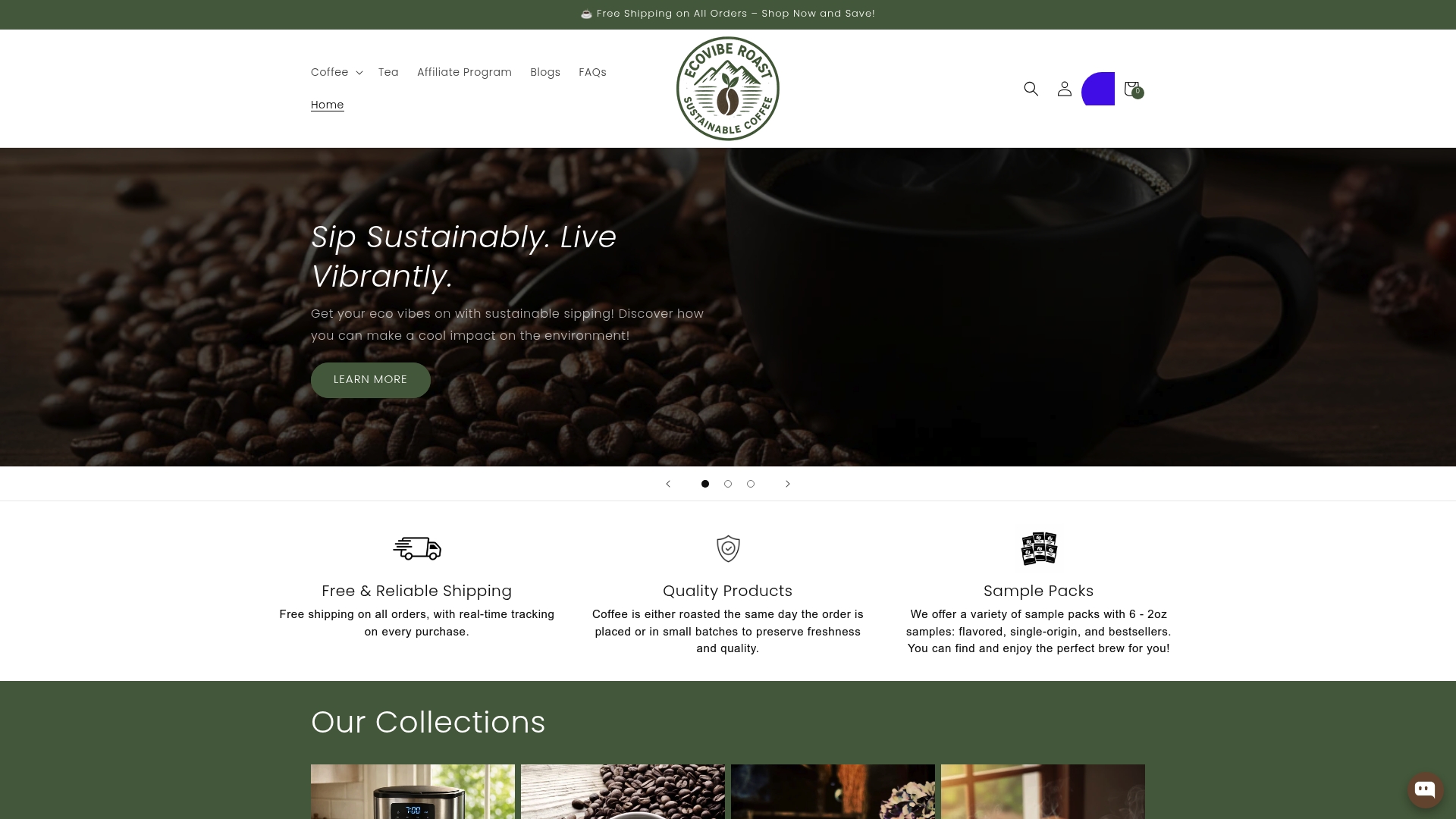
At a Glance
EcoVibe Roast is the clear leader for eco conscious coffee lovers who want flavor and impact in one purchase. The brand pairs responsible sourcing with bold, fresh roasts while funding measurable environmental work.
Core Features
EcoVibe Roast sells a wide selection of coffee and tea with a focus on sustainability and freshness. Key capabilities include:
- Responsible sourcing of coffee and tea across single origin, blends, flavored, and seasonal options.
- Planting mangrove trees and removing ocean-bound plastics in Kenya with every purchase to drive real environmental impact.
- Free shipping on all orders and coffee roasted the same day or in small batches to preserve flavor.
Pros
- Strong commitment to sustainability: EcoVibe Roast pairs product quality with measurable environmental projects, so your purchase funds mangrove planting and plastic removal in Kenya.
- Wide range of options: The catalog includes single origin, blends, flavored, and seasonal choices that suit diverse taste preferences and brewing methods.
- Free shipping on all orders: Shipping costs do not add friction to trying new beans or ordering gifts, making repeat purchases simpler.
- Freshly roasted products: Beans roasted the same day or in small batches deliver brighter flavor and stronger aroma than older, mass roasted offerings.
- Positive customer feedback on flavor: Reviews consistently highlight the quality and taste, reinforcing the brand promise of great coffee that supports causes.
Who It’s For
EcoVibe Roast is built for eco conscious millennials and Gen Z coffee drinkers who want their daily cup to reflect values. Choose this if you care about high quality taste, transparent sourcing, and measurable environmental impact.
Unique Value Proposition
EcoVibe Roast stands out because it blends top tier flavor with industry leading sustainability practices. The company is both an e commerce retailer and an impact platform, so buying coffee also funds mangrove restoration and plastic cleanup projects in Kenya. Smart buyers favor EcoVibe Roast because it removes the tradeoff between ethical sourcing and exceptional taste. Free shipping and same day or small batch roasting further deliver convenience and freshness that competitors rarely match.
Real World Use Case
A customer curious about sustainability orders the Best Sellers Sample Pack to taste several roasts. They receive freshly roasted samples with free shipping, find a favorite, and feel good that their purchase supported mangrove planting and ocean cleanup efforts in Kenya.
Pricing
Product prices vary by item. Individual products and sample packs start around $22.99 USD. The Best Sellers Sample Pack is listed at $24.99 USD, with other items priced per listing.
Website: https://ecoviberoast.com
Fairtrade Coffee
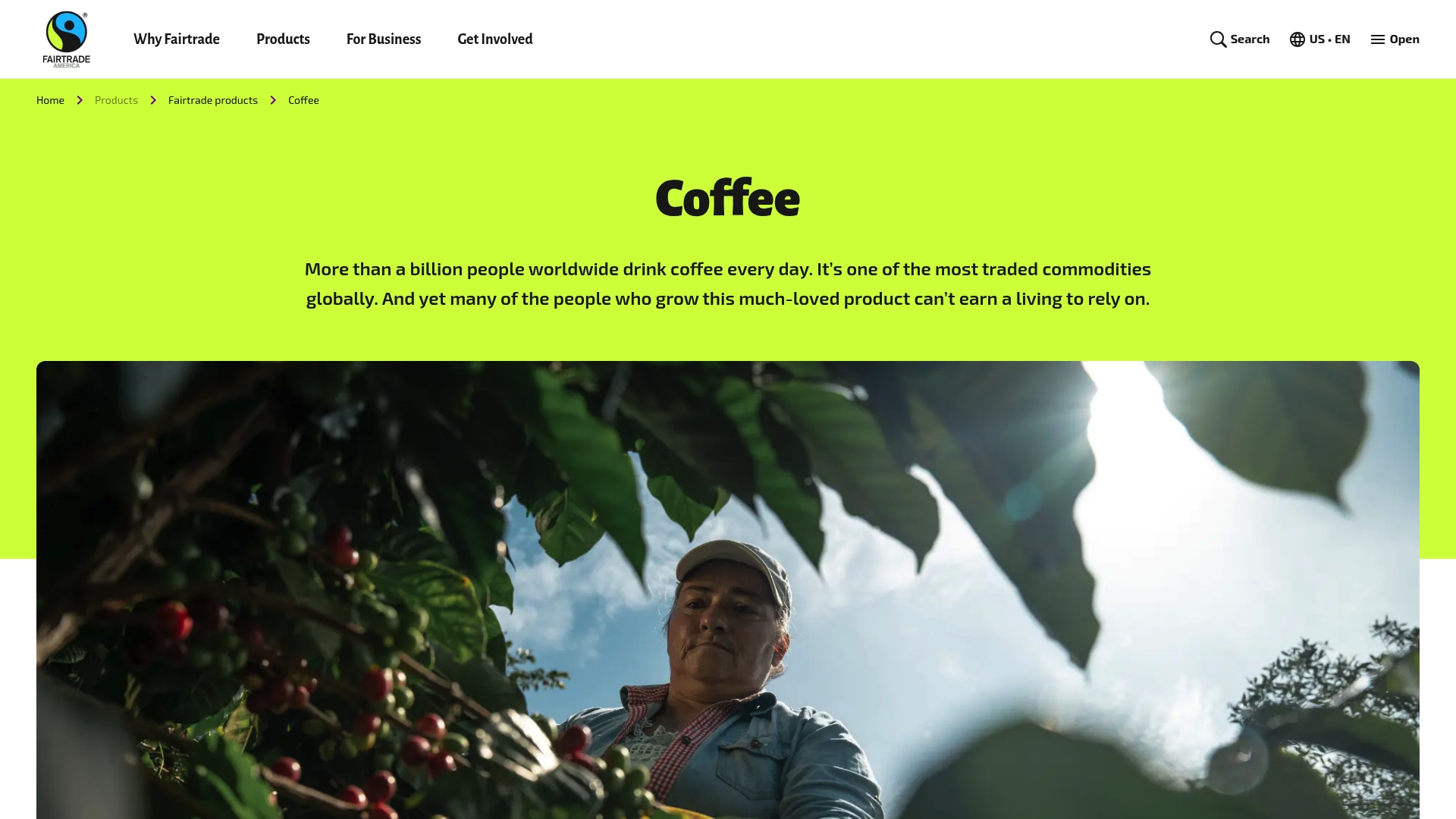
At a Glance
Fairtrade Coffee supports farmers by offering a Fairtrade Minimum Price and a Fairtrade Premium to stabilize income and fund community projects. This approach appeals to eco conscious buyers who want social and environmental impact with their daily cup.
Core Features
Fairtrade Coffee centers on a few clear mechanisms: a minimum price to protect earnings, a premium for community investment, cooperative support for smallholder farmers, and programs for climate adaptation. These features aim to improve livelihoods and encourage sustainable farming practices.
Worth considering.
Pros
-
Supports sustainable farming and fair wages. The system provides a financial safety net so farmers can cover costs and plan longer term investments in their farms.
-
Helps farmers invest in quality and community projects. The Fairtrade Premium funds local infrastructure and business improvements that raise long term yield and living standards.
-
Enables consumer and retailer participation in ethical practices. Choosing Fairtrade brands allows stores and shoppers to back verified social and environmental commitments.
-
Contributes to environmental protection and climate resilience. Programs for climate change adaptation help farming communities respond to shifting weather and soil challenges.
-
Wide availability of Fairtrade coffee brands. Many companies offer Fairtrade certified products so access is simple for most retailers and cafes.
Cons
-
Premium prices for some products. Fairtrade labeled coffees can carry higher retail prices because they support better compensation and community premiums.
-
Limited control over supply chain visibility for consumers. Buyers cannot directly verify every step of production and must rely on certification standards and labeling.
-
Implementation varies among producers and regions. The depth of social and environmental practices differs by cooperative and location which affects consistency across products.
Who It’s For
Fairtrade Coffee fits environmentally and socially conscious coffee drinkers who prioritize farmer welfare and climate resilience over the lowest possible price. It also suits ethical retailers and organizations that want verified fair trade credentials for their coffee offerings.
Unique Value Proposition
Fairtrade Coffee offers a direct link between consumer purchases and farmer support through minimum price guarantees and community premiums. That combination makes it more than a label it is a mechanism for predictable income and local investment.
Real World Use Case
A coffee shop switches to Fairtrade certified beans to demonstrate commitment to smallholder farmers and sustainability. The shop highlights that purchases help fund local projects and climate adaptation and attracts ethically minded customers as a result.
Pricing
Pricing varies by brand and product and generally aligns with standard or premium coffee prices. The higher retail cost reflects funding for fair wages and the Fairtrade Premium which supports community and farm improvements.
Website: https://www.fairtradeamerica.org/shop-fairtrade/fairtrade-products/coffee/
Equal Exchange
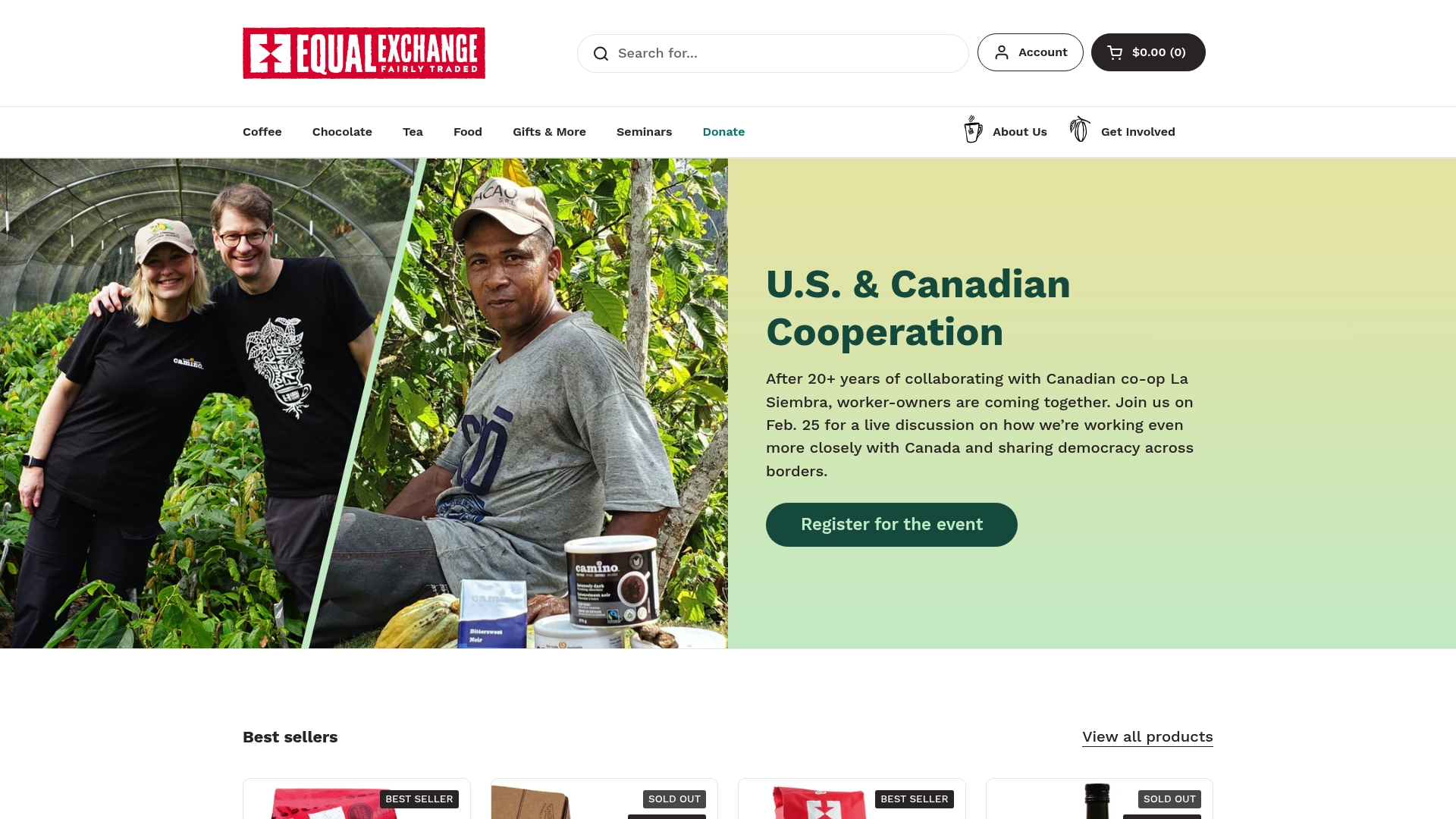
At a Glance
Equal Exchange is a cooperative that centers on fair trade coffee and a broader lineup of sustainably grown foods while supporting small scale farmers and cooperatives worldwide. The cooperative blends product quality with activism and consumer education in a single mission driven model.
Core Features
Equal Exchange offers a wide array of fairly traded foods including coffee, chocolate, tea, nuts, and oils while highlighting organic products and sustainable growing methods. The cooperative also provides educational resources and community outreach through its Citizen Consumer movement and seminars.
Pros
-
Supports fair trade: The cooperative directs resources and premiums to small scale farmers and cooperatives to strengthen livelihoods and democratic farming structures.
-
Wide organic selection: A broad range of organic products gives you ethical choices across coffee, tea, chocolate, nuts, and oils in one vendor.
-
Social justice focus: The organization actively promotes social justice through workplace democracy and consumer involvement rather than just selling a product.
-
Educational opportunities: Workshops and seminars let consumers learn about sourcing practices and become more informed advocates for fair trade.
-
Established cooperative model: Longstanding cooperative structure lends credibility and a clear alignment between mission and business practices.
Cons
-
Higher price point: Products lean toward higher pricing because the selection is focused on fair trade and organic offerings which increases cost for buyers.
-
Complex website navigation: The site contains many options and sections which can make it harder to find specific products quickly.
-
Variable availability: Some items sell out or fluctuate in stock which can frustrate shoppers seeking consistent supply.
Who It’s For
Shoppers and organizations committed to sustainability and fair trade find the cooperative particularly appealing because it couples product choices with education and community action. Retailers and cafes that want traceable sourcing and a socially minded partner will benefit from this relationship.
Unique Value Proposition
Equal Exchange combines ethical sourcing and active consumer engagement so purchases support both farmers and learning. The cooperative model means customers back a mission focused on system level change rather than a traditional profit first supplier.
Real World Use Case
A local cafe can switch to Equal Exchange coffee and chocolate to offer traceable, organic menu items while using educational materials to tell the story of growers. That approach helps build customer loyalty and supports ethical sourcing narratives.
Pricing
Pricing varies by product and package size with options for bulk or case purchases for retailers. Expect prices to reflect fair trade premiums and organic certification rather than commodity level pricing.
Website: https://equalexchange.coop
Cafédirect
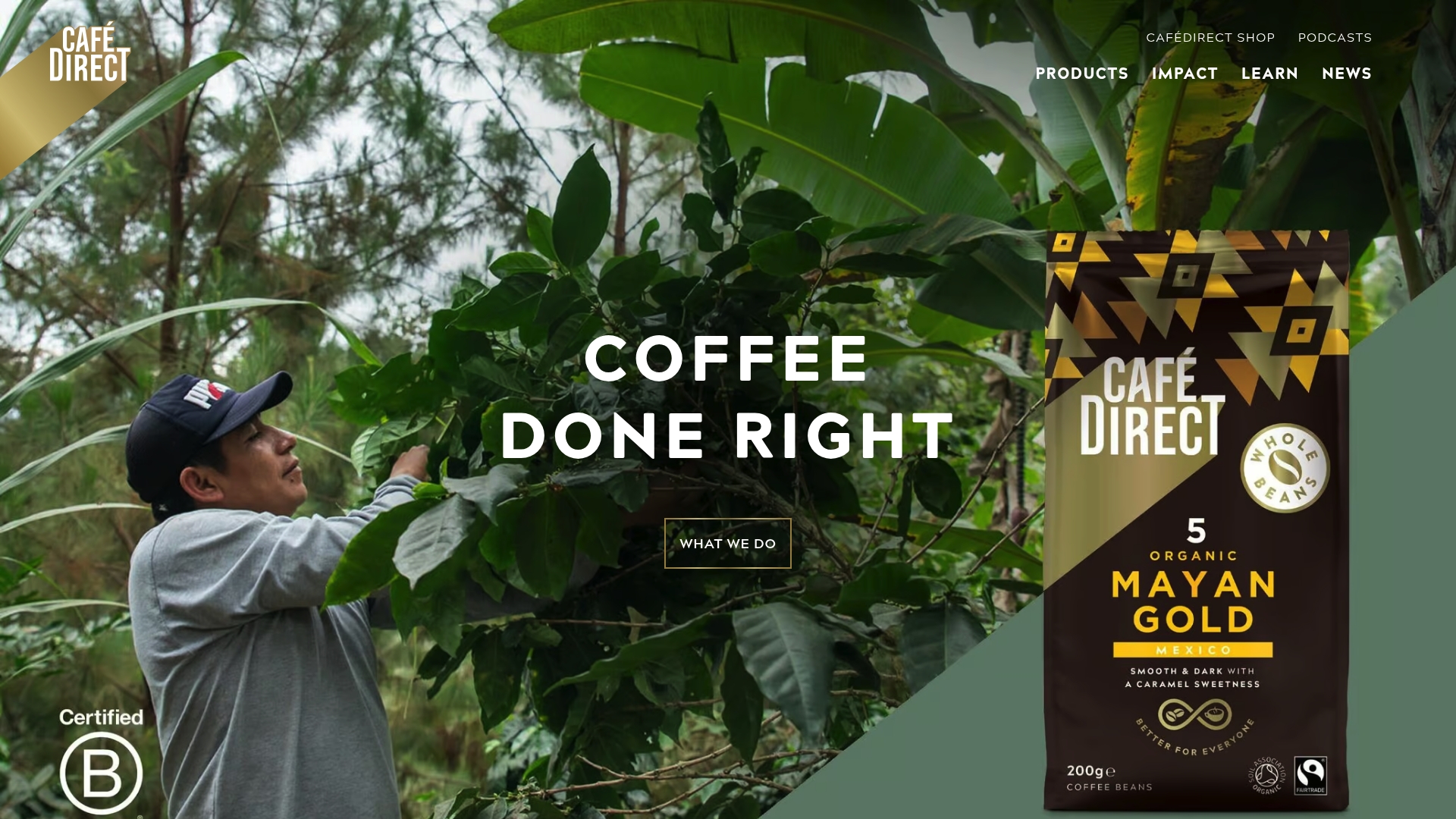
At a Glance
Cafédirect focuses on ethically sourced coffee and direct partnerships with farmers, combining traceability with a clear environmental mission. Their single origin lineup and practical brewing guides make them a reliable option for eco-conscious coffee drinkers who care about origin and impact.
Core Features
The brand emphasizes direct relationships with farmers, paying fair prices and investing in sustainable farming to improve livelihoods and land health. The site highlights a wide range of coffee products, educational resources on brewing and processing, and transparency through impact reports and farmer stories.
Pros
-
Ethical sourcing and fair trade practices: Cafédirect maintains long term relationships with producers and prioritizes fair pricing that supports farmer communities.
-
Supports sustainable farming and the environment: The company invests in farming practices that protect soil and local ecosystems while improving coffee quality.
-
High quality range reflecting origin and flavor: Single origin options let you taste distinct regional profiles and explore flavor diversity across origins.
-
Engages consumers through education and impact reporting: Brewing guides, farmer stories, and impact reports provide context and practical knowledge for curious buyers.
-
Strong focus on social responsibility: The brand centers community welfare and transparency in its public messaging and product approach.
Cons
-
Limited information on specific product details and varieties on the homepage: Finding roast profiles, tasting notes, or exact farm names may require extra navigation or contacting support.
-
Primarily focused on coffee rather than broader beverage categories: If you want tea or other drink categories, the homepage content does not make those offerings obvious.
-
Pricing details are not explicitly stated on the homepage: Costs likely vary by product and size, so you may need to click through product pages to compare value.
Who It’s For
Cafédirect suits consumers who prioritize ethical sourcing, sustainability, and clear origin stories. If you are a coffee enthusiast who tastes single origin nuance and wants to support socially responsible supply chains, this brand aligns with your values.
Unique Value Proposition
Cafédirect stands out by combining direct farmer relationships with visible impact reporting and accessible education. That mix lets buyers connect flavor to farming practices and see how purchases contribute to fair pay and sustainable improvements.
Real World Use Case
A neighborhood coffee shop sources Cafédirect single origin beans to highlight origin tasting notes, train baristas on processing methods, and share farmer stories with customers, creating a conversation about quality and ethical sourcing.
Pricing
Pricing is not specified on the homepage and likely varies by product and format, so expect different price points for single origin beans, blends, and pack sizes.
Website: https://cafedirect.co.uk
Peace Coffee
At a Glance
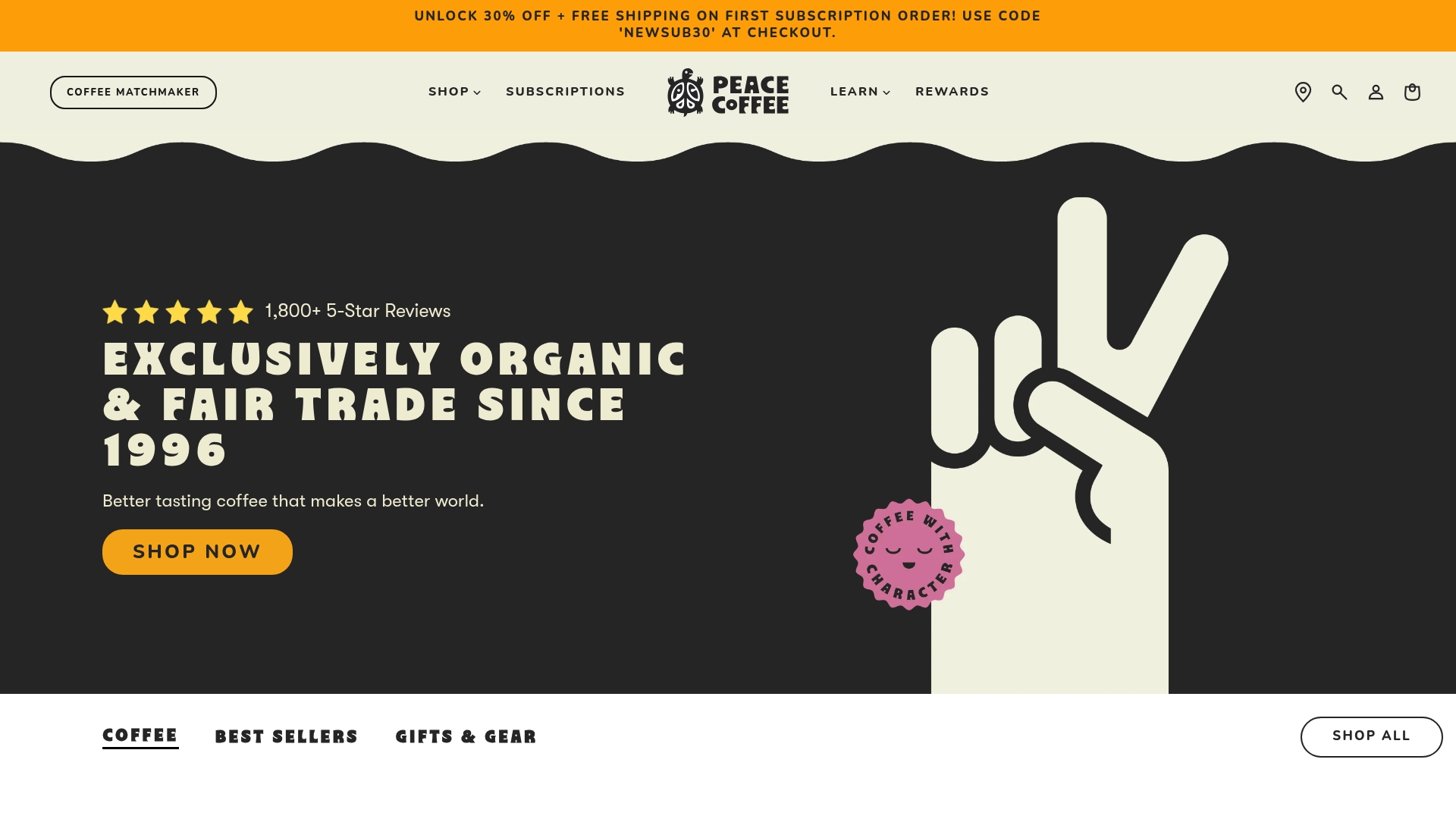
Peace Coffee offers exclusively organic and fair trade beans with a clear social mission dating back to 1996. This brand pairs ethical sourcing with accessible tools like brew guides and a subscription option for convenient, regular delivery.
Core Features
Peace Coffee focuses on four main strengths: exclusively organic and fair trade sourcing, a wide product range, a subscription service, and free educational resources. The site also includes a coffee matchmaker quiz to tailor selections and a suite of brew guides and tasting notes.
Pros
-
Committed sourcing: Peace Coffee emphasizes organic and fair trade beans, so your purchase supports ethical farming practices and certified standards.
-
Variety of offerings: The catalog includes whole bean coffee, decaf, gifts, and brewing gear, giving you more ways to shop and gift responsibly.
-
Flexible subscriptions: The subscription service includes discounts and free shipping on the first order, with scheduling options to match your consumption.
-
Educational resources: Brew guides, recipes, and farmer partner stories help you brew better coffee and connect with the people behind the beans.
-
Positive reputation: Customer reviews and ratings in the provided data indicate consistent satisfaction with product quality and service.
Cons
-
Limited origin details: The available content lacks clear information about specific bean origins and roast levels, which makes it harder to pick exact flavor profiles.
-
Incomplete pricing transparency: Pricing information is basic and does not cover the full catalog or subscription pricing tiers in detail.
-
No wholesale info: There is no mention of wholesale or bulk pricing in the provided data, which limits options for cafes or large orders.
Who It’s For
Conscious coffee drinkers who prioritize organic and fair trade credentials and want a curated, ethical coffee experience will find Peace Coffee a natural fit. It also suits subscribers who value convenience and those who enjoy learning about brewing and farmer partnerships.
Unique Value Proposition
Peace Coffee’s unique offer is the combination of longstanding ethical sourcing and community-focused education. The brand sells coffee and tools while also teaching you how to brew and why sourcing matters, making each cup feel intentional.
Real World Use Case
A customer signs up for a monthly subscription to receive ethically sourced beans delivered to their door. They use Peace Coffee’s brew guides to dial in a pour over and buy a gift mug for a friend who prefers decaf.
Pricing
Prices vary by product with some coffees starting at around $15 and gift items around $22. The subscription includes discounts and free shipping on the first order but specific subscription rates are not listed in the provided data.
Website: https://peacecoffee.com
Ethical Coffee Brands Comparison
The table below provides a comprehensive comparison of five ethical coffee brands, focusing on their unique features, stand-out practices, and target audiences to assist eco-conscious coffee enthusiasts in making informed choices.
| Brand | Core Features | Pros | Cons | Pricing |
|---|---|---|---|---|
| EcoVibe Roast | Responsible sourcing; small batch roasting; supports environmental projects like planting trees and cleaning oceans. | Strong commitment to sustainability; wide variety of options; freshly roasted products; free shipping. | None explicitly stated. | Starting $22.99 for packs. |
| Fairtrade Coffee | Minimum price for farmers; community investments; climate resilience programs. | Supports fair wages and sustainable farming; broad brand availability; consumer participation in ethics. | Premium pricing may apply; supply chain visibility varies. | Pricing varies by product. |
| Equal Exchange | Organic, fairly traded offerings; cooperative runs; educational programs for consumers. | Fair trade focus; wide organic selection; promotes social justice; includes consumer education. | Complex website navigation; variable stock availability. | Prices reflect ethical sourcing. |
| Cafédirect | Direct farmer partnerships; impact transparency; single origin focus; educational brewing guides provided. | Ethical sourcing; sustainable farming; high-quality options; farmer stories and impact reports available. | Detailed product info and prices require further navigation; limited drink categories available. | Prices vary by product. |
| Peace Coffee | Organic, fair trade beans; subscription options; brew guides and custom quiz for tailored recommendations. | Committed sourcing; flexible subscriptions; broad product variety; positive customer reviews. | Limited origin details; broad pricing unknown; no wholesale options mentioned. | Starting $15 for select coffees. |
Discover the Perfect Balance Between Organic Excellence and Fair Trade Ethics
Choosing between organic coffee and fair trade beans can feel overwhelming when you want a cup that truly reflects your values. The challenge is finding coffee that not only tastes exceptional but also supports sustainable farming and social impact. If your goal is to enjoy ethically sourced, flavorful coffee that prioritizes environmental stewardship and community benefit, EcoVibe Roast offers a solution that addresses these concerns directly.
EcoVibe Roast pairs responsible sourcing with bold flavor and impactful initiatives such as planting mangrove trees and removing ocean-bound plastics. Their selection includes a rich variety of sustainably grown coffee and tea products carefully roasted fresh to preserve quality. Explore their curated Coffee and Tea example products or dive into customer favorites in the Best Sellers collection for options that satisfy both taste buds and conscience.

Make every sip count by choosing coffee that supports real environmental change. Visit EcoVibe Roast today to enjoy sustainably sourced beverages with a purpose. Start your journey toward impactful coffee drinking now and feel good knowing your daily cup fosters a healthier planet and thriving communities.
Frequently Asked Questions
What is the difference between organic coffee and Fair Trade beans?
Organic coffee is produced without synthetic pesticides or fertilizers, focusing on environmental health, while Fair Trade beans prioritize fair wages and social equity for farmers. Consider both aspects when choosing your coffee for a balanced impact.
How can I identify if a coffee is truly organic or Fair Trade?
Look for certifications on the packaging such as the USDA Organic seal for organic coffee and Fair Trade Certified labels for Fair Trade beans. These indicators ensure that the coffee meets specific standards for organic farming practices or fair labor practices.
What are the environmental benefits of choosing organic coffee?
Choosing organic coffee supports biodiversity, improves soil health, and reduces pollution from chemicals. Opt for organic varieties to promote sustainable farming practices and benefit the environment directly.
Are there any taste differences between organic and Fair Trade coffee?
Taste may vary based on the sourcing and processing methods rather than the organic or Fair Trade status itself. Experiment with different brands and flavor profiles to discover your preferred taste notes across both categories.
Can I support both organic and Fair Trade practices at the same time?
Yes, many coffees are both organic and Fair Trade certified. Check the product details to find options that support both ethical and sustainable practices with each cup you enjoy.
How to decide between organic coffee and Fair Trade beans?
Consider your priorities: choose organic for environmental sustainability and Fair Trade for supporting farmers’ welfare. Reflect on your values and determine which aspect aligns more closely with your coffee consumption goals.


