

Finding sustainable coffee or tea brands with clear environmental and ethical sourcing claims feels confusing because many retailers offer vague promises or unclear impact. Most mainstream coffee and tea brands do not clearly link purchases to measurable environmental action or traceable farm stories. This comparison lets eco conscious coffee and tea drinkers choose a brand with transparent environmental impact and ethical sourcing that fits their daily routine.
Table of Contents
EcoVibe Roast
At a Glance
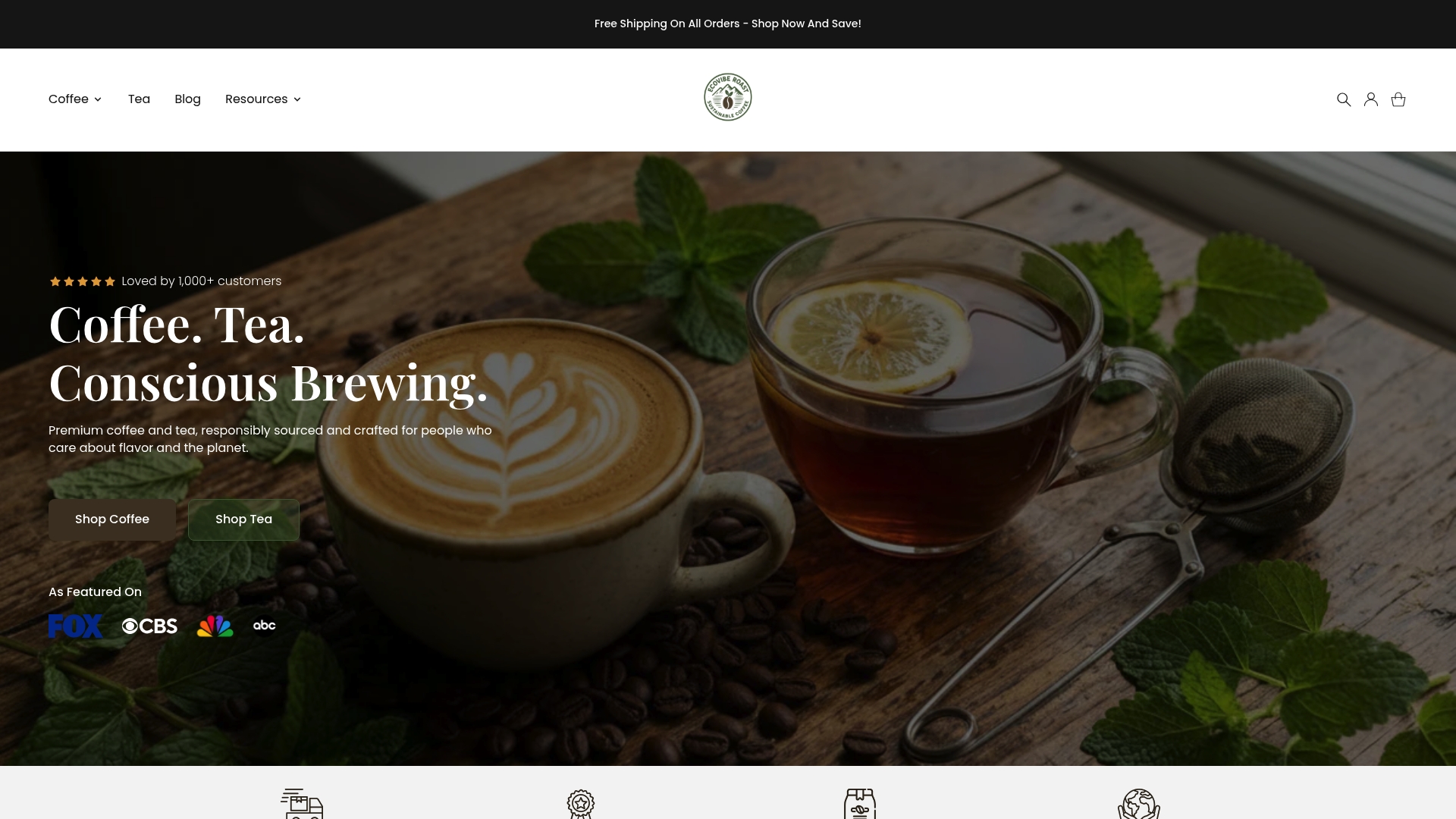
EcoVibe Roast’s marketing materials state it plants two mangroves and removes ten plastic bottles with every order. That environmental pledge is a concrete part of the brand story and appears on packaging and product pages. The shop focuses on premium coffee and tea sold in small batch runs and subscription plans.
Core Features
EcoVibe Roast sources coffee and tea from farms that follow ethical and sustainable practices, and it lists origin transparency for many offerings. The roastery uses small batch roasting to preserve freshness and offers a wide variety of blends, single origin, flavored, seasonal, and single serve options. A subscription service delivers regular orders, while eco friendly packaging and active environmental programs are woven into the product experience.
Key Differentiator
The one thing that separates EcoVibe Roast is the explicit per order environmental claim described above. That impact claim ties each purchase to a tangible action and gives the brand a social purpose that customers can track. The connection between purchase and environmental effort is central to its positioning among specialty coffee retailers.
Pros
The brand shows a clear commitment to sustainability and ethical sourcing, which appeals to conscious buyers. Small batch roasting and transparency about origins make the products feel fresh and traceable. The catalog includes many blends and single origin options to match varied taste preferences. Active programs around reforestation and ocean plastic removal give purchases a measurable environmental angle. Subscriptions provide convenience and discounts, and the store advertises free shipping on all orders.
Cons
- Limited international shipping: ships only within the U.S.
Who It’s For
EcoVibe Roast fits eco conscious consumers who want high quality coffee and tea and prefer brands with clear environmental aims. It also suits home brewers who value fresh roasted beans and curated sampler packs. Gift buyers who want ethically sourced sets and small cafes seeking sustainable wholesale options will find suitable offerings.
Unique Value Proposition
Free shipping on all orders and subscription discounts lower the cost barrier for repeat buyers who want to support sustainability. That combination makes it easy to choose responsibly without paying extra for shipping. For people who drink coffee daily, the subtotal savings over months can make sustainable sourcing part of a regular routine rather than a one off purchase.
Real World Use Case
A customer signs up for a biweekly subscription to receive fresh beans and tea leaves. They brew a morning cup with a French press and notice the beans taste brighter than supermarket blends. The purchase also contributes to the brand’s environmental programs, which the buyer values as part of their household purchasing choices.
Pricing
Whole bean and ground coffee generally fall in the $22–$24 range. Sampler packs are priced around $28–$29. Subscriptions are available and offer reduced pricing, and the site advertises free shipping on all orders.
Website: https://ecoviberoast.com
overviewcoffee.com
At a Glance
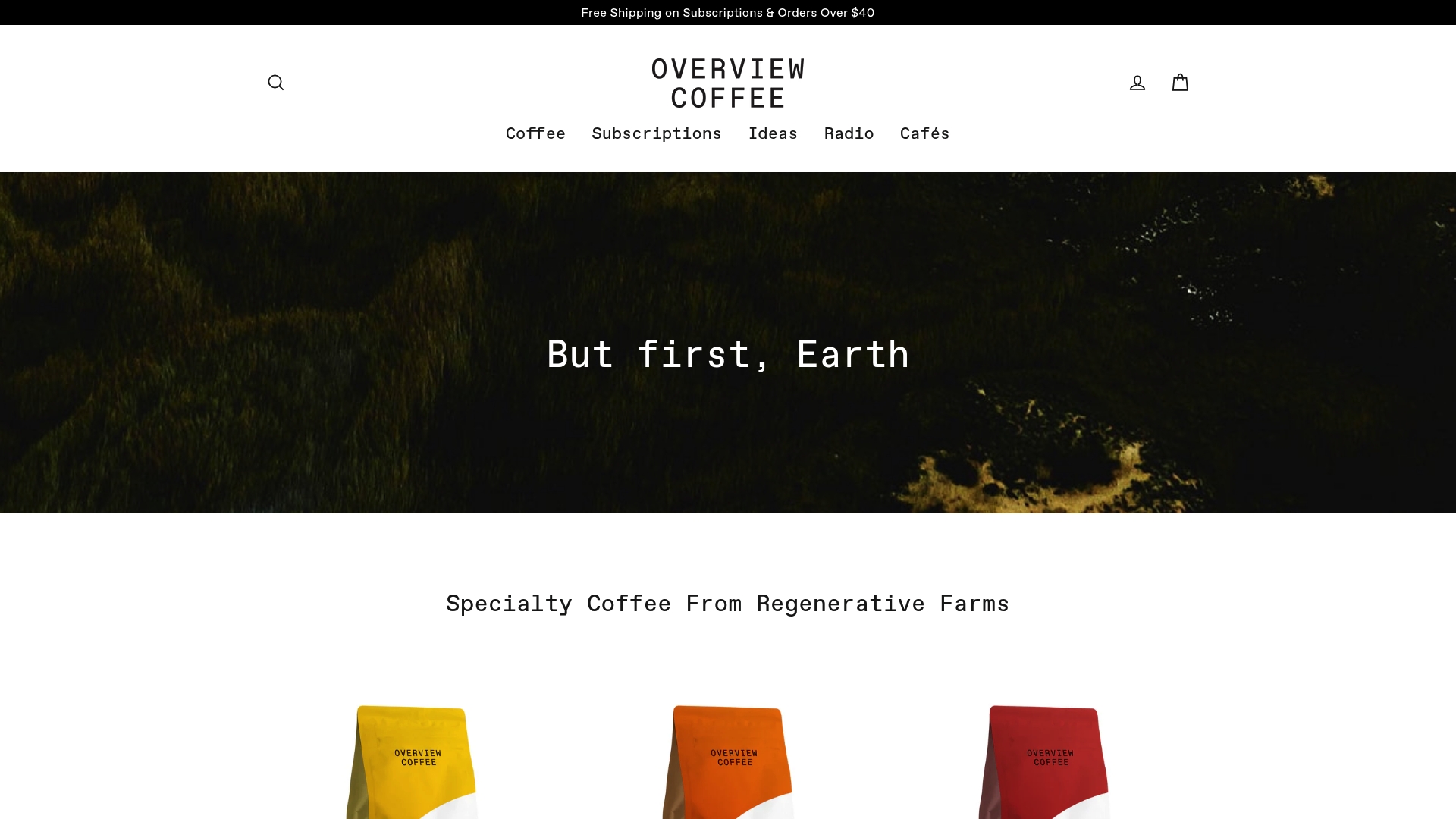
Subscriptions for 250g start at $270 annually. The brand uses 100% recyclable packaging and ships globally with free shipping on orders over $40. The offering centers on coffees grown with regenerative organic practices and transparency at the farm level.
Core Features
Overview Coffee supports regenerative organic farming and curates single origins, blends, decaf, and seasonal roasts. They run a subscription service and maintain a blog of educational content about sustainable farming and coffee culture. Packaging is 100% recyclable and the site advertises free shipping on orders over $40 for qualifying purchases.
Key Differentiator
The brand’s central promise is a dedication to regenerative organic agriculture across sourcing, processing, and trade. That commitment links farm support, climate resilience, and fair wages for growers in small farming communities. The emphasis on regeneration makes the product selection and storytelling tightly focused on environmental and social outcomes.
Pros
The company reports high customer ratings and positive reviews. Subscriptions bring convenience and predictable variety for home coffee drinkers, and the blog deepens connection to regenerative farming practices. Recyclable packaging and global shipping make it easy to support sustainable producers from afar.
Cons
- Primarily an online retailer with no physical cafes. That limits in person tasting and immediate pickup options.
- Price sits at a premium compared with mainstream grocery coffees. Budget minded buyers may find the products expensive.
- Several offerings are seasonal or sell out. Availability can change between harvests and special releases.
When It May Not Fit
Not a good fit for someone who wants a neighborhood cafe or immediate in person service. If you need very low cost beans for daily brewing this premium pricing will not match that need. Also expect gaps in availability for some single origins during off season or when small lots finish.
Who It’s For
Eco conscious coffee drinkers who value transparency and environmental action will find this brand aligned with their values. People willing to pay more for regenerative practices and fair wages will see that cost reflected in product choices. Gift buyers who want a mission driven subscription will also find strong appeal.
Real World Use Case
A subscriber chooses the annual 250g plan and receives monthly shipments of different origins. They read the educational posts to learn how regenerative methods reduce erosion and support biodiversity. They post tasting notes on social media and recommend the brand to eco conscious friends.
Pricing
Most retail bags fall in the $24–$26 range. The site lists subscriptions for 250g starting at $270 annually and offers bulk options at higher price points. Orders over $40 qualify for free shipping.
Website: https://overviewcoffee.com
Tiny Footprint Coffee
At a Glance
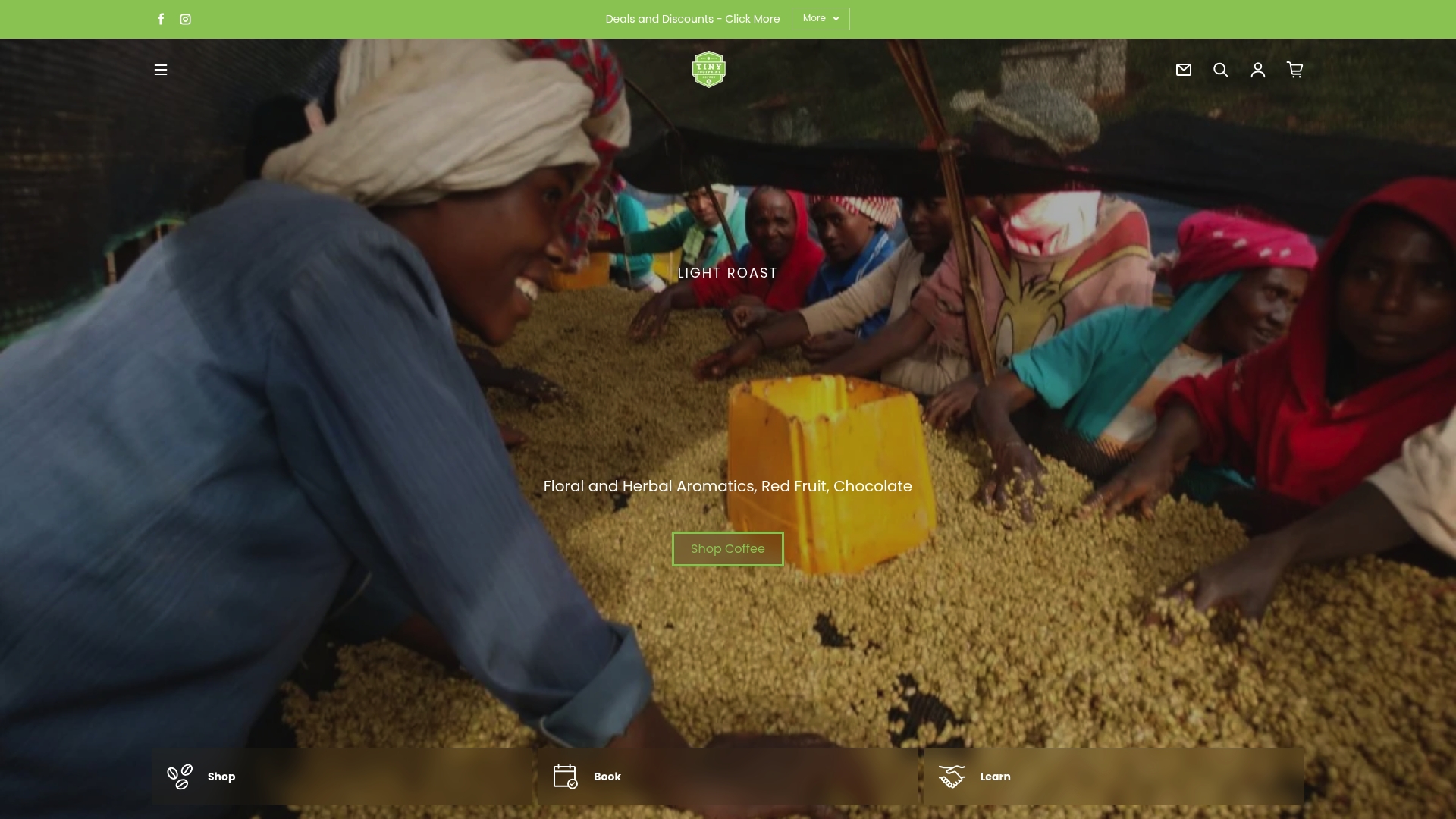
A tree is planted with every purchase, a concrete promise that frames Tiny Footprint Coffee as a purchase that supports reforestation and community projects. The roaster focuses on organic, fair trade beans sourced from women producers and eco friendly farms across multiple regions. They roast fresh and ship directly while offering barista training, gift sets, and catering for cafes and wholesale partners.
Core Features
Sourcing centers on organic, fair trade coffee with single origin choices, blends, decaf, and ready to drink cold brew. Fresh roasting and direct shipping aim to preserve the flavor profiles that the brand highlights on each product page. Services include barista training courses, gift sets, and catering, which let both home brewers and small businesses buy product plus practical support.
Key Differentiator
The clearest differentiator is the plant a tree with every purchase policy that underpins the brand message and sustainability claims. That commitment ties each sale to reforestation efforts and community development projects narrated in product stories. The model gives buyers a tangible environmental outcome linked to their coffee habit.
Pros
You get transparent origin information that highlights women producers and eco friendly farms, which makes supporting supply chain partners feel personal. Fresh roasting and direct shipping preserve tasting notes, and subscriptions or bulk buys reduce the per ounce cost. The mix of retail and service offerings such as barista classes and catering helps cafes adopt certified organic beans with fewer logistical hurdles.
Cons
-
Limited international shipping may block buyers outside North America.
-
Premium pricing at roughly $17.95 to $20.99 for a 12oz bag can put it out of reach for budget shoppers.
-
The product assortment is narrower than some large commercial roasters, with fewer mainstream SKU options.
-
Market focus is primarily North America, so availability and support abroad can be inconsistent.
When It May Not Fit
If your priority is worldwide availability, this brand may not fit because international shipping options are limited. If you must keep per bag costs under a strict budget, the premium for organic sourcing may not match your price target. If you require a huge SKU catalog or mainstream commodity blends, the smaller assortment may feel restrictive.
Who It’s For
This fits eco conscious coffee lovers who want organic, fair trade beans and a purchase that supports social and environmental causes. Small cafes and independent businesses that need catering or bulk organic coffee will find the services useful. Gift buyers who value traceable impact will like combining fresh coffee with the tree planting story.
Real World Use Case
A home barista subscribes to monthly single origin beans to keep a steady supply and preserve freshness. They take a barista training class to sharpen technique and buy a gift set for a friend who cares about sourcing. Each order contributes to tree planting projects while supporting women led cooperatives.
Pricing
Most 12oz bags range from $17.95 to $20.99 USD, with larger sizes offered at lower per ounce prices. Subscription plans and bulk purchases deliver additional savings, and orders over $50 qualify for free shipping. The premium reflects organic, fair trade sourcing and extra services like training and catering.
Website: https://tinyfootprintcoffee.com
kahawa1893.com
At a Glance
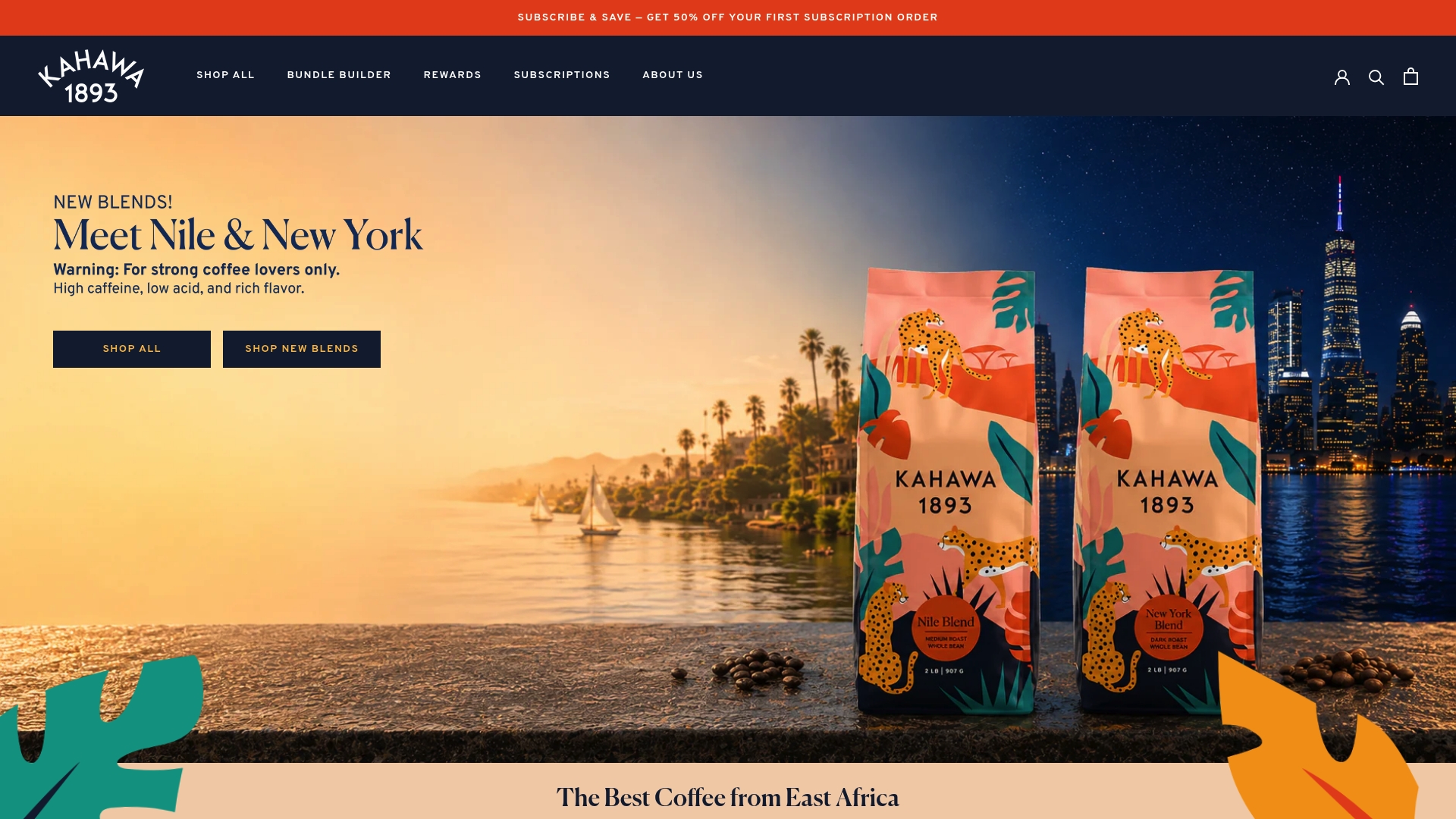
Direct trade partnerships with women farmers across Africa anchor Kahawa 1893’s sourcing model. The shop centers on high-altitude East African beans that emphasize rich, complex flavor. It pairs ethical sourcing with subscription plans and curated gift sets for regular buyers and gifters.
Core Features
Kahawa 1893 lists a broad range of roast profiles and flavored blends, including light, medium, and dark options plus single-origin selections. The brand operates direct trade partnerships that promote fair wages and community projects, and it provides subscription services with flexible delivery and member discounts. Third-party testing covers purity and safety for finished products.
Key Differentiator
A focused commitment to women farmers sets Kahawa 1893 apart from many specialty retailers. That commitment combines traceable sourcing stories with direct pay models and community engagement. The result puts social impact front and center in each bag.
Pros
Ethical sourcing supports women farmers and funds local initiatives, which strengthens supply chain transparency and community ties. High-altitude beans deliver layered, aromatic flavor suitable for filter, espresso, and manual brew methods. The product range includes blends, single-origin lots, single-serve packs, and gift packages, while subscription services simplify regular deliveries.
Cons
-
International shipping is limited, with primary service geared toward US addresses.
-
Pricing sits above commodity coffee, reflecting specialty sourcing and social premiums.
-
The website may experience temporary accessibility problems during technical updates.
-
A strong focus on East African coffees may feel narrow to customers wanting global variety.
When It May Not Fit
If you live outside the US, shipping options may be restricted and delivery times could vary. Budget buyers looking for low-cost beans will likely find prices higher than mainstream roasts. If you want an encyclopedic selection of beans from every coffee region, the East African emphasis may feel limiting.
Who It’s For
Eco-conscious coffee lovers who value ethically sourced East African beans will appreciate Kahawa 1893. The ideal customer cares about traceable direct trade, enjoys complex high-altitude flavors, and likes the convenience of subscriptions or the polish of a gift set.
Real World Use Case
A subscriber picks a monthly bag of a medium roast single-origin and receives a subscription discount. They gift a curated set for holidays and share the farm stories with friends. Their local café orders small lots for tasting flights because the beans show clear origin character.
Pricing
Most standard bags range from $18 to $25. Specialty gift sets and bundles can go up to $89. The store offers free shipping on orders over $50 and subscription discounts for recurring deliveries.
Website: https://kahawa1893.com
Numi Tea
At a Glance
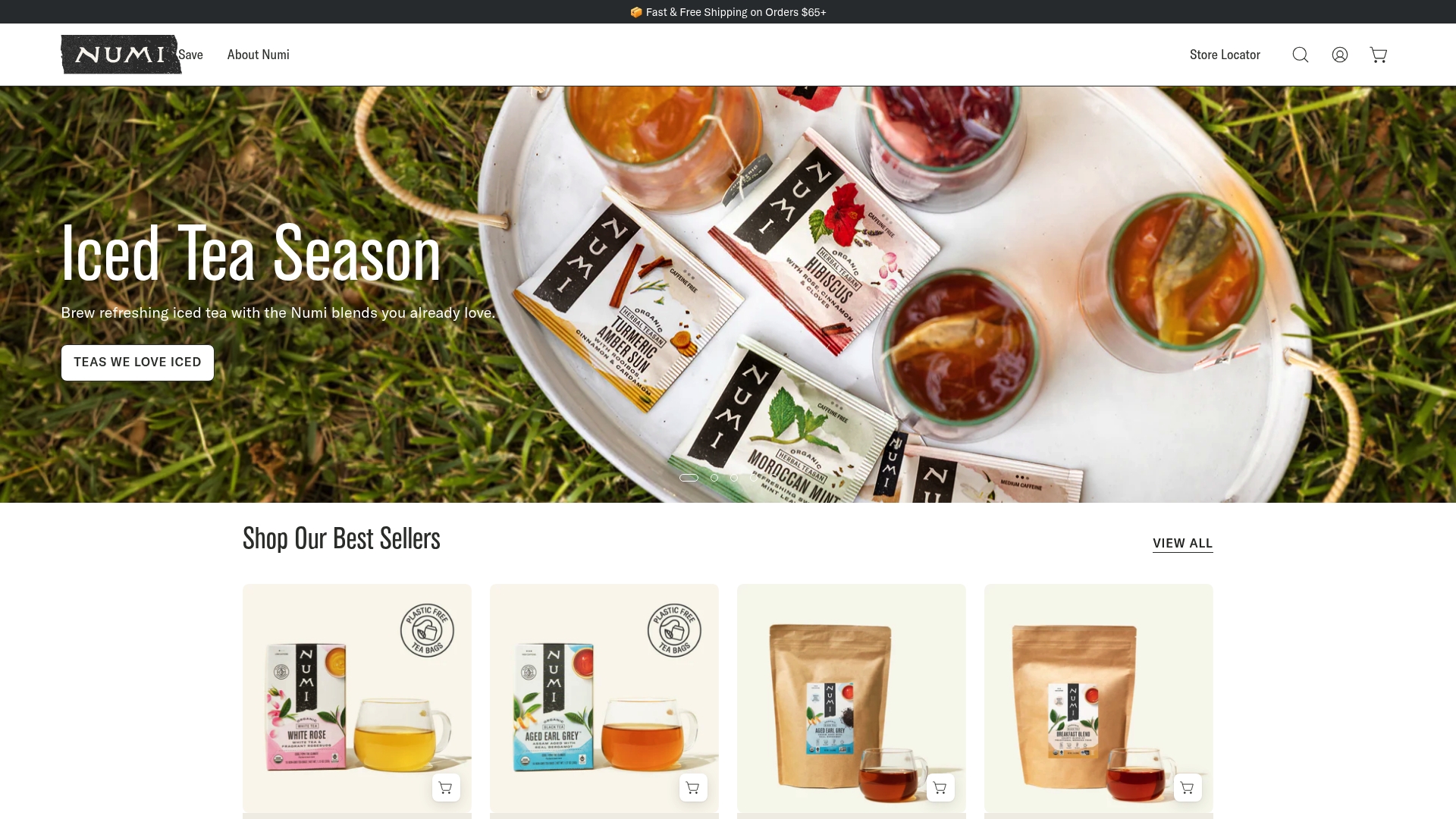
Numi reports over 85% traceability to farms. That traceability pairs with compostable plant based wrappers and biodegradable tea bags. Pricing sits at a premium level, with single boxes from $7.99 to loose leaf bulk at $45, and wholesale plus subscription options available.
Core Features
Numi sells fully organic teas across tea bags, loose leaf, iced blends, latte powders, and gift sets while offering subscription and wholesale purchase paths. The brand highlights organic certification, compostable plant based packaging, and Fair Trade Certified sourcing combined with Fair Labor verification. Packaging and sourcing aim to make the product climate neutral from a marketing perspective.
Key Differentiator
Numi centers its identity on full leaf, organic, fair trade ingredients paired with compostable packaging and a climate neutral commitment. That mix targets buyers who want traceable farm stories and packaging that breaks down rather than adds to landfill. It puts flavor quality and environmental claims at the fore of the premium tea offer.
Pros
Numi combines high quality full leaf teas with clear ethical claims and eco friendly packaging. Its traceability figure supports transparent sourcing narratives, and the organic plus Fair Trade credentials support ethical purchase decisions. Subscription and wholesale options make the brand practical for steady home use and for small retailers that want a consistent, responsibly sourced tea lineup.
Cons
-
Premium pricing makes it harder to justify for shoppers seeking the lowest cost per cup.
-
Direct discounts for individual customers are limited outside subscription and wholesale plans.
-
Compostable lining improves biodegradability but creates recycling limitations in some municipal programs.
-
Distribution appears limited in some regions, which can delay access for distant buyers.
When It May Not Fit
If you buy tea purely to minimize price per ounce, Numi is not a match. Buyers needing large bulk discounts without minimum order limits should look elsewhere. Retailers outside the brand’s distribution footprint may face shipping delays or restricted selection.
Who It’s For
You are an eco conscious tea drinker who values organic, Fair Trade ingredients and clear sourcing stories. You want full leaf flavor and you prefer packaging designed to break down rather than linger. Small cafés and retail shops that promote ethical sourcing will find the wholesale options useful.
Real World Use Case
A health conscious subscriber signs up for Numi’s Tea & Save program to receive monthly shipments of favorite blends. They read the farm stories on each box and appreciate the compostable wrappers. A small café buys loose leaf wholesale to serve customers a consistent, traceable menu of organic teas.
Pricing
Most single boxes start at $7.99. Loose leaf bulk packages go up to $45 and latte powders start at $19.99. The company offers free shipping on orders over $65 and discounts for wholesale and subscription orders.
Website: https://numitea.com
Skylark Coffee
At a Glance
Skylark’s marketing materials state it is the world’s only fully transparent, non-profit specialty coffee brand that channels all proceeds to social and environmental causes. The roastery operates near Brighton, UK, and sources coffees from Ethiopia, Colombia, Kenya, Indonesia, and other origin countries. Every purchase supports charity projects aimed at sustainable farming and community development.
Core Features
Skylark combines a wide selection of specialty coffees with a clear social mission, offering microlots, rare varietals, and green coffee for home roasters. The brand runs a subscription service with flexible schedules and profile options, and it publishes material about sourcing and farming practices. All profits are directed to charity initiatives that target environmental conservation and grower support.
Key Differentiator
That claim makes Skylark fundamentally different from typical specialty roasters. Rather than reinvesting profits into corporate growth, the company channels proceeds into charity projects and publicizes its sourcing and financial choices. That focus on giving and transparency appeals to buyers who want traceable impact alongside quality coffee.
Pros
Skylark converts coffee spending into charitable donations that support environmental and community projects, so each bag has a clear social outcome. The coffee range covers everyday single origins and rare microlots, giving enthusiasts variety and access to experimental processing. The company supports growers with fair pricing and highlights innovative fermentation techniques, while educational content and green coffee options let home roasters learn and experiment.
Cons
- Premium pricing on some rare and microlot coffees makes regular purchases expensive for budget buyers.
- Limited physical retail presence means tasting opportunities are largely online or by subscription.
- Certain exclusive lots sell out quickly, so availability can be seasonal or limited.
- Shipping is mainly within the UK, so international buyers may face restrictions or higher costs.
When It May Not Fit
If you need a wide global shipping footprint, Skylark may not match your logistics needs because shipments are primarily UK centered. If you buy coffee on a tight budget, premium microlots and some specialty offerings will feel costly. If you require steady large-volume supply of a single SKU, limited stock on rare lots could disrupt your sourcing.
Who It’s For
Skylark suits socially conscious coffee lovers who want their spending to support environmental and community work. It also fits specialty hobbyists who enjoy green coffee and experimental lots, plus cafés that want ethically transparent sourcing. The typical customer values traceability, high quality, and clear charitable impact.
Real World Use Case
A subscriber selects a weekly delivery with a floral profile and receives single-origin roasts tailored to that taste. They brew at home, share the coffee and the farm stories with friends, and track where the profits went through Skylark’s published updates. The subscription supports both small farmers and local conservation projects.
Pricing
Most coffees range from $14 to $32 for 126g to 1kg bags, with premium rare lots priced over $50. Skylark offers free shipping on orders over £24 and discounts for subscriptions and bulk orders. Pricing reflects the specialty sourcing and the brand’s charitable model.
Website: https://skylark.coffee
Comparing Sustainable Coffee and Tea Brands
Explore options offering eco-friendly practices, with direct impact per order and ethical sourcing.
| Product | Key Differentiator | Best For | Pricing | Notable Limitation |
|---|---|---|---|---|
| Ecoviberoast | Per order plastic removal and reforestation | Eco-conscious buyers seeking subscriptions | $22–$29 per order | Ships only within the U.S. |
| Overview Coffee | Regenerative organic agriculture focus | Transparency-focused coffee enthusiasts | $270 annually | Online only, lacking physical cafes |
| Tiny Footprint Coffee | One tree planted per purchase | Supporters of reforestation efforts | $17.95–$20.99 per bag | Limited international shipping |
| Kahawa 1893 | Partnerships with African women farmers | Fans of East African high-altitude flavors | $18–$25 per bag | Focus on East Africa limits variety |
| Numi Tea | Compostable wrappers and organic certification | Ethical tea drinkers seeking premium blends | $7.99–$45 per package | High per-unit cost |
| Skylark Coffee | Nonprofit model funding social projects | Social impact-driven coffee enthusiasts | $14–$32 per package | Limited shipping outside the UK |
How to Find the Right Sustainable Coffee with TheEcoBean.com Alternatives
Choosing a coffee that supports both your taste and your values can feel challenging. Many eco conscious coffee lovers want high quality, responsibly sourced beans linked to real environmental impact. Ecoviberoast answers this need by planting two mangroves and removing ten ocean-bound plastic bottles with every order. This creates a direct connection between your daily brew and positive environmental action.
Explore the EcoVibe Roast Sample Packs Collection to taste a variety of small batch, ethically sourced coffees and teas. Whether you prefer single origin or blends, Ecoviberoast offers fresh, transparent choices with free shipping. Visit ecoviberoast.com now to support sustainability and find your perfect brew that makes a real difference.
FAQ
What features make Ecoviberoast a solid choice for sustainable coffee and tea?
Ecoviberoast stands out for its commitment to sustainability, planting two mangroves and removing ten plastic bottles with every order. The brand focuses on premium coffee and tea sourced from ethical farms, ensuring traceability and freshness, making it an excellent choice for eco-conscious consumers.
How does Ecoviberoast compare to Overview Coffee in pricing?
Overview Coffee emphasizes its commitment to regenerative agriculture but has subscriptions starting at $270 annually for 250g. Ecoviberoast, on the other hand, offers whole bean and ground coffee generally in the $22–$24 range, making it more accessible for those looking for premium sustainable options at a lower cost.
What makes Ecoviberoast a suitable choice for someone seeking convenience in coffee subscriptions?
Ecoviberoast offers subscription services that deliver regular orders with discounts and free shipping on all orders. This convenience allows busy consumers to easily integrate sustainable coffee and tea into their routines without additional shipping costs.
Why might someone choose Tiny Footprint Coffee over Ecoviberoast?
Tiny Footprint Coffee features a unique “plant a tree with every purchase” promise that emphasizes immediate environmental impact. While Ecoviberoast focuses on sustainability through ethical sourcing, those looking for direct, tangible contributions to reforestation might find Tiny Footprint aligns better with their immediate values.
How does Kahawa 1893’s focus on women farmers provide a different value compared to Ecoviberoast?
Kahawa 1893’s direct trade partnerships with women farmers enhance the social impact of each purchase while highlighting high-altitude East African beans. This strong focus on empowering female farmers sets it apart from Ecoviberoast, which emphasizes more general ethical sourcing across a broader range of locations.


