

Advantages of compostable coffee pods for eco brewers
Choosing compostable coffee pods feels like navigating a maze of green claims and confusing certifications. You want the convenience of single-serve brewing without trashing the planet, but not all pods labeled compostable deliver real environmental benefits. Some require industrial facilities you can’t access, while others break down slower than advertised. This guide cuts through the marketing noise to help you select genuinely sustainable pods that match your composting options, budget, and flavor expectations while making a measurable difference.
Table of Contents
- How To Choose Compostable Coffee Pods: Key Criteria
- Environmental Advantages Of Compostable Pods
- Material Composition And Technology Behind Compostable Pods
- Challenges And Feasibility Of Composting Coffee Pods
- Price, Availability, And Market Trends For Compostable Pods
- Summary Comparison And Situational Recommendations
- Explore Sustainable Compostable Pods At EcoVibe Roast
Key takeaways
| Point | Details |
|---|---|
| Certification matters | Look for ASTM D6400 or EN 13432 labels confirming industrial compostability standards. |
| Material differences | PLA needs industrial heat, cellulose may work at home, bagasse depends on facility acceptance. |
| Infrastructure required | Most pods need municipal or private composting programs since home bins lack necessary temperatures. |
| Environmental impact | Compostable pods cut carbon footprint by 35% and divert waste from landfills when properly processed. |
| Price and quality | Expect 10-25% premium over plastic pods with minimal taste difference in blind tests. |
How to choose compostable coffee pods: key criteria
Selecting the right compostable coffee pod starts with verifying legitimate environmental credentials, not just trusting packaging claims. Certification standards like ASTM D6400 and EN 13432 verify industrial compostability of coffee pods, ensuring they break down safely within specific timeframes. Without these labels, you’re gambling on unproven products that might sit in landfills indefinitely.
Material composition determines where and how you can compost your pods. PLA requires industrial facilities reaching 50-60°C for proper breakdown. Cellulose pods use wood fibers that degrade more slowly but may handle home composting better. Bagasse pods made from sugarcane fiber offer renewable sourcing but still need verification of local facility acceptance. Each material presents different trade-offs between home accessibility and guaranteed decomposition.
Your local composting infrastructure shapes which pods work for you practically. Call your municipal waste program to confirm they accept compostable pods before buying cases of them. Many cities exclude these items despite certification because processing capacity varies. Private composting services sometimes offer pickup programs specifically designed for certified pods.
Key selection criteria checklist:
- Verify ASTM D6400 or EN 13432 certification on packaging
- Match pod material to your available composting method
- Confirm local facility acceptance before bulk purchases
- Compare price per pod across certified brands
- Read recent user reviews on flavor quality and freshness
- Check if pods require separation from coffee grounds
Price differences between compostable and conventional pods typically range 10-25% higher depending on brand and material. This premium reflects both material costs and smaller production scales. Online availability has improved dramatically as major roasters enter the sustainable pod market. You’ll find wider selection shopping online compared to grocery store shelves, though retail presence grows steadily.
Pro Tip: Buy sample packs of different certified brands before committing to bulk orders. Taste preferences vary significantly, and spending an extra few dollars upfront prevents wasting money on flavors you won’t enjoy just because they’re compostable.
User reviews provide reality checks on manufacturer claims about how to reduce waste with coffee pods through verified composting. Look for feedback specifically mentioning freshness after opening packages and flavor compared to previous non-compostable favorites. Some pods seal less effectively due to material limitations, affecting coffee quality over time.
Environmental advantages of compostable pods
Compostable coffee pods deliver measurable environmental wins when processed correctly through industrial composting systems. Certified compostable coffee pods decompose within 90 to 180 days under proper industrial composting conditions, transforming from waste into nutrient-rich soil amendment. This rapid breakdown contrasts sharply with plastic pods languishing in landfills for centuries or aluminum requiring energy-intensive recycling.
The carbon footprint advantage proves significant across the product lifecycle. Compostable pods reduce carbon footprint by approximately 35% compared to plastic pods throughout their lifecycle, from raw material extraction through manufacturing and disposal. This reduction comes primarily from plant-based materials requiring less fossil fuel input than petroleum-based plastics. Transportation emissions stay comparable, but end-of-life processing heavily favors composting over incineration or landfilling.
Choosing compostable pods isn’t just about what breaks down faster. It’s about closing the loop from plant to cup to soil, creating a circular system that enriches rather than depletes our environment.
Plastic waste reduction represents another critical benefit driving eco-conscious consumers toward compostable alternatives. Every conventional pod contributes to the estimated billions filling landfills and leaking into waterways annually. Compostable pods eliminate this persistent pollution when properly processed. The resulting compost returns nutrients to soil, supporting sustainable agriculture and reducing need for synthetic fertilizers.
Key environmental benefits:
- Rapid decomposition prevents long-term waste accumulation
- Lower lifecycle emissions from renewable plant materials
- Zero microplastic generation during breakdown
- Compost output enriches soil and supports plant growth
- Reduced reliance on virgin plastic production
The soil health connection matters more than many consumers realize. Finished compost from certified pods adds organic matter improving water retention and nutrient availability. Farmers and gardeners use this compost to build healthier growing environments without chemical inputs. This nutrient cycling mirrors natural decomposition processes that industrial agriculture often disrupts.
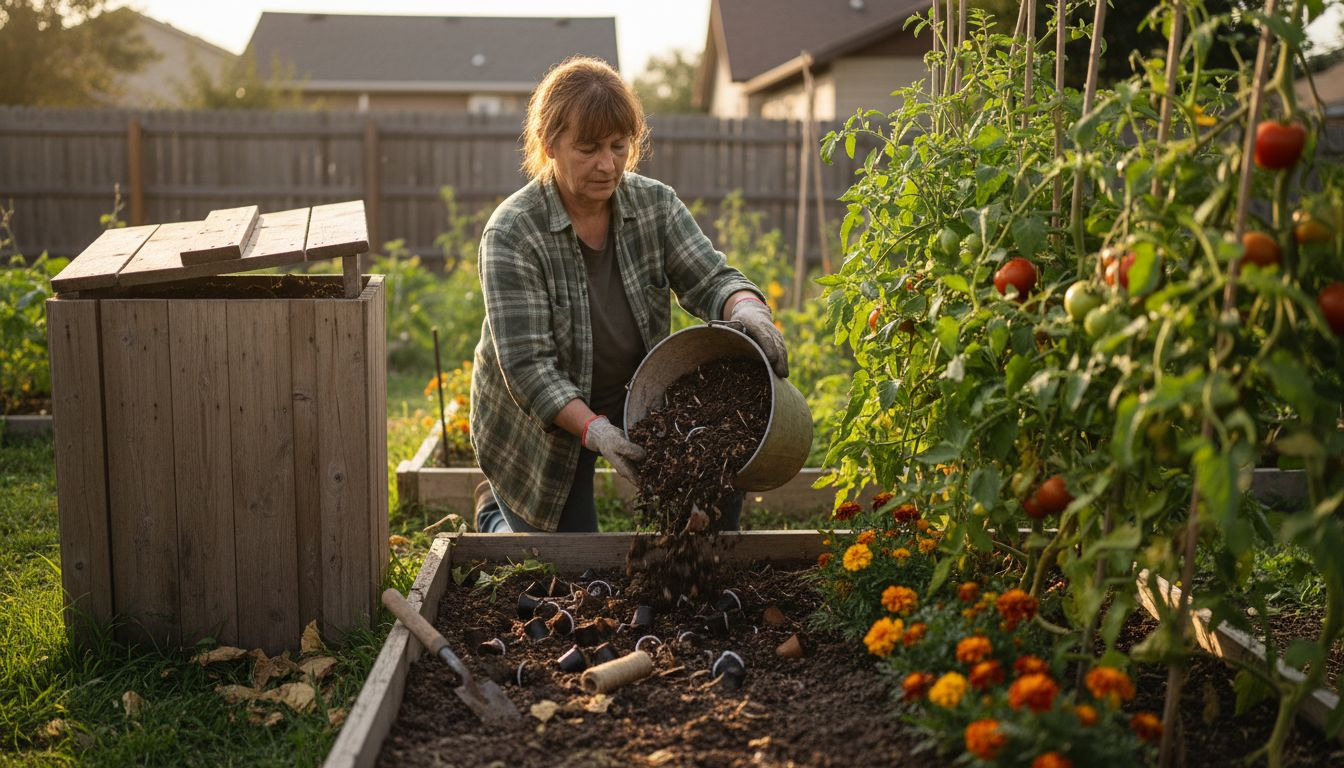
Marine ecosystem protection adds another dimension to plastic reduction benefits. Ocean-bound plastic from coffee pods contributes to the massive pollution problem threatening marine life. Compostable alternatives that actually get composted never enter waterways. Combined with programs reducing carbon footprint with pods through tree planting initiatives, these products support comprehensive environmental strategies.
Material composition and technology behind compostable pods
Understanding pod materials helps you predict composting behavior and environmental impact with greater accuracy. PLA dominates the compostable pod market as a plant-based bioplastic derived from corn starch or sugarcane. It mimics conventional plastic’s durability during use but requires sustained temperatures above 50°C to trigger decomposition. Industrial facilities achieve this easily while home bins rarely do, making PLA pods industrial-compost-only for practical purposes.
Cellulose pods take a different approach using wood fibers pressed into pod shapes. These materials break down more slowly than PLA under industrial conditions but show better home compost compatibility. The fiber structure allows microbial attack at lower temperatures, though full decomposition still takes months rather than weeks. Some manufacturers blend cellulose with other plant fibers to optimize strength and breakdown rates.
Bagasse represents the newest material gaining traction in sustainable packaging. Major compostable pod materials include PLA, cellulose, and bagasse, each with unique composting needs and environmental footprints. This sugarcane byproduct normally gets burned as waste after juice extraction. Repurposing it into coffee pods provides agricultural waste valorization while creating renewable packaging. Bagasse pods need facility acceptance verification since composting behavior varies by formulation.
| Material | Source | Industrial Composting | Home Composting | Relative Cost |
|---|---|---|---|---|
| PLA | Corn/sugarcane starch | 90-120 days | Not recommended | Medium |
| Cellulose | Wood fibers | 120-180 days | Possible (6+ months) | Medium-high |
| Bagasse | Sugarcane fiber | 90-150 days | Facility dependent | Medium |
| Plastic | Petroleum | Never | Never | Low |
| Aluminum | Bauxite ore | Never (recyclable) | Never | Medium |
Natural coatings enhance pod durability without compromising compostability. Manufacturers apply thin layers of plant-based waxes or oils to improve moisture resistance and oxygen barriers. These coatings preserve coffee freshness while remaining fully biodegradable under composting conditions. The engineering challenge involves balancing protection during shelf life against rapid breakdown afterward.
Certification testing ensures materials meet strict decomposition standards. Labs simulate industrial composting conditions over 90-180 day periods, measuring how completely pods break down. Materials must fragment into pieces under 2mm and show no toxic residues in finished compost. This rigorous validation separates truly compostable products from greenwashed imposters making unsubstantiated claims.
Innovative packaging technologies continue improving compostable pod performance. Some brands now use eco-friendly packaging examples featuring multi-layer constructions that maintain freshness comparable to conventional pods. These advances address early criticisms about compostable pods delivering stale coffee due to inferior sealing.
Challenges and feasibility of composting coffee pods
Home composting presents the biggest practical obstacle for consumers wanting to process pods themselves. Most home compost systems lack the high temperature and retention time required to fully degrade compostable pods. Your backyard bin might reach 40°C on hot days, but certified pods need sustained 50-60°C temperatures that only happen in large-scale facilities with regular turning and moisture management.
Industrial composting facilities engineer conditions specifically for rapid, complete breakdown. These operations manage massive volumes generating internal heat through microbial activity. Temperature monitoring ensures optimal conditions persist throughout the 90-180 day processing cycle. Mechanical turning aerates material and distributes heat evenly. This controlled environment explains why certification standards reference industrial rather than home composting.
Finding appropriate composting options requires detective work in many communities. Municipal programs vary wildly in what they accept. Some cities welcome certified compostable pods in green bins alongside food scraps. Others exclude them entirely, citing contamination concerns or processing limitations. Private composting companies sometimes fill this gap, offering specialized pickup services for items municipal programs reject.
Common composting challenges:
- Home bins rarely reach critical 50-60°C temperatures
- Municipal programs inconsistently accept compostable pods
- Private services may not operate in your area
- Pod-ground separation sometimes required
- Landfill disposal negates all environmental benefits
- Consumer confusion about proper disposal methods
Improper disposal undermines the entire environmental value proposition. Tossing compostable pods in regular trash sends them to landfills where oxygen deprivation prevents normal decomposition. These pods might break down eventually, but the process takes far longer and generates methane, a potent greenhouse gas. This worst-case scenario makes compostable pods environmentally worse than recyclable aluminum in some lifecycle analyses.
Separating coffee grounds from pods adds another friction point discouraging proper disposal. Some composting programs require this step while others accept whole pods. The extra effort deters time-pressed consumers who chose pods for convenience in the first place. Manufacturers designing easily separable pods or programs accepting whole units remove this barrier.
Pro Tip: Map your composting options before buying compostable pods. Contact your waste hauler, search for private composting services, and ask local coffee shops if they collect pods for industrial composting. Having a clear disposal plan prevents pods from ending up in landfills despite your good intentions.
Verification systems help consumers navigate disposal complexity. Some brands partner with composting networks, providing zip code lookup tools showing nearby accepting facilities. Others include clear disposal instructions on packaging specifying industrial-only or home-compatible status. These resources reduce guesswork and improve proper composting rates.
Price, availability, and market trends for compostable pods
Cost considerations shape purchasing decisions for budget-conscious eco-consumers balancing values and finances. Compostable pods typically carry a 10-25% price premium over conventional plastic pods, translating to roughly $0.05-$0.15 more per serving. This difference reflects higher material costs for certified bioplastics, smaller production volumes lacking economies of scale, and certification expenses. Premium coffee blends in compostable pods push prices higher still, but mainstream options keep premiums moderate.
Market availability has exploded as consumer demand signals clear preferences for sustainable options. Major coffee brands now offer certified compostable lines alongside traditional pods. Online retailers stock dozens of varieties from specialty roasters focusing exclusively on environmental impact. This selection expansion means you’re no longer limited to one or two brands when shopping for compostable alternatives.
Retail presence grows unevenly across regions but trends consistently upward. Urban areas with strong environmental cultures see compostable pods in most grocery stores. Suburban and rural markets lag but catch up as national chains allocate more shelf space. Big-box stores increasingly feature sustainable pod sections, making mainstream access easier than even two years ago.
Market dynamics driving growth:
- Rising consumer willingness to pay sustainability premiums
- Major brands entering compostable pod segments
- Online retailers expanding certified product ranges
- Retail chains dedicating shelf space to eco-options
- Premium coffee roasters packaging exclusively in compostable formats
Consumer demographics show younger buyers driving demand most aggressively. Millennials and Gen Z coffee drinkers prioritize environmental impact in purchasing decisions, accepting price premiums for verified sustainability. This demographic shift pushes brands to innovate in compostable technology and expand product lines. As these consumers gain purchasing power, market share for compostable pods accelerates.
The premium coffee connection enhances compostable pod appeal beyond pure environmental benefits. Specialty roasters position compostable packaging as part of comprehensive quality and ethics messaging. Single-origin beans, fair trade certification, and compostable pods combine into compelling value propositions for discerning consumers. This quality association helps justify price premiums while attracting customers seeking exceptional coffee experiences.
Bulk purchasing and subscription services reduce effective per-pod costs. Buying larger quantities online often narrows the price gap with conventional pods. Some brands offer subscriptions delivering fresh pods monthly at discounted rates. These options make sustainable choices more financially accessible while ensuring you never run out.
Summary comparison and situational recommendations
Comparing pod types side-by-side clarifies which option suits your specific priorities and constraints. PLA-based compostable pods excel for industrial composting and carbon footprint reduction; cellulose pods suit home composters; bagasse pods appeal for renewable material preference. Each material presents distinct advantages depending on your access to composting infrastructure, budget flexibility, and environmental goals.
| Pod Type | Best For | Key Advantage | Main Limitation | Price Range |
|---|---|---|---|---|
| PLA | Industrial composting access | Fastest breakdown, lowest carbon footprint | Requires facility acceptance | $0.55-$0.75/pod |
| Cellulose | Home composters | Potential home compatibility | Slower decomposition | $0.60-$0.80/pod |
| Bagasse | Renewable material fans | Agricultural waste upcycling | Variable facility acceptance | $0.55-$0.70/pod |
| Plastic | Budget priority only | Lowest cost | Permanent environmental damage | $0.40-$0.55/pod |
| Aluminum | Recyclers without composting | Infinitely recyclable | High energy recycling process | $0.50-$0.65/pod |
Situational buying recommendations help match products to personal circumstances:
- Choose PLA pods if you have confirmed industrial composting access and want maximum environmental impact per cup
- Select cellulose pods when maintaining an active home compost bin and willing to wait months for breakdown
- Pick bagasse pods if supporting agricultural waste reduction matters more than composting speed
- Consider aluminum pods if recycling infrastructure exists but composting options don’t in your area
- Avoid plastic pods unless budget constraints absolutely prevent sustainable alternatives
Flavor quality shouldn’t drive compromises since blind taste tests show minimal differences between pod types. Focus selection on composting infrastructure and material preferences rather than assuming compostable means inferior coffee. Many specialty roasters produce exceptional blends specifically for top sustainable pod comparison purposes, rivaling any conventional option.
Certification verification remains non-negotiable regardless of material preference. Only buy pods clearly labeled with ASTM D6400 or EN 13432 standards. Vague claims like “eco-friendly” or “biodegradable” without certification often indicate greenwashing rather than genuine compostability. The extra minute spent checking labels prevents purchasing products that don’t deliver promised environmental benefits.
Explore sustainable compostable pods at EcoVibe Roast
Ready to make your morning coffee ritual genuinely sustainable without sacrificing flavor or convenience? EcoVibe Roast offers certified compostable coffee pods that meet rigorous environmental standards while delivering exceptional taste. Our 60 pack single serve coffee pods provide bulk value for regular drinkers, while our 12 pack single serve coffee pods let you sample varieties before committing to larger quantities.

Every purchase supports mangrove tree planting and ocean plastic removal, multiplying your positive impact beyond just choosing compostable packaging. Browse our complete single serve coffee pod collection to find certified options matching your taste preferences and composting capabilities. We make sustainable brewing simple, delicious, and genuinely effective.
FAQ
Are compostable coffee pods better for the environment than plastic pods?
Yes, certified compostable pods offer significant environmental advantages when properly processed through industrial composting. They reduce carbon footprint by approximately 35% and transform into nutrient-rich compost instead of persisting as plastic pollution for centuries.
Can I compost compostable coffee pods in my home compost bin?
Most compostable pods require industrial composting facilities that maintain high temperatures and controlled conditions. Home compost bins rarely achieve the sustained 50-60°C needed for complete breakdown. Verify local municipal or private composting programs that accept certified pods for best results.
Do compostable coffee pods affect the taste or freshness of coffee?
Blind taste tests reveal minimal flavor differences between quality compostable and conventional pods. Modern sealing technologies and natural coatings preserve freshness effectively. Many specialty roasters now package premium blends exclusively in compostable formats without sacrificing quality.
Are compostable coffee pods widely available in 2026?
Market availability has expanded dramatically as consumer demand grows and major brands introduce certified compostable lines. Online retailers offer extensive selections, while grocery store presence increases steadily though unevenly across regions. Bulk purchasing options and subscriptions make sustainable pods more accessible and affordable.


