

You scan the tea aisle looking for sustainable options, but labels blur together with vague claims like “natural” or “eco-friendly.” Which certifications matter? How do you verify sourcing claims? This guide cuts through the noise, teaching you to identify tea products with real environmental and social impact. You’ll learn to recognize verified certifications, assess packaging choices, and support brands making measurable contributions to communities and ecosystems.
Table of Contents
- Prerequisites: Understanding Certifications And Eco Criteria
- How To Verify Ethical Sourcing In Tea Products
- Evaluating Environmental Impact Of Packaging
- Supporting Environmental And Community Initiatives
- Common Mistakes And Pitfalls To Avoid When Choosing Eco Tea
- Expected Outcomes And How To Assess Your Success
- Explore Eco-Friendly Tea Options At EcoVibe Roast
- Frequently Asked Questions About Choosing Eco Tea Products
Key takeaways
| Point | Details |
|---|---|
| Verified certifications establish real sustainability | USDA Organic and Fair Trade logos confirm environmental and social standards beyond marketing claims. |
| Transparent sourcing reveals ethical practices | Brands disclosing farm origins and direct trade relationships demonstrate accountability. |
| Packaging choices significantly impact waste | Compostable materials reduce landfill contributions by 20-40% compared to plastic alternatives. |
| Environmental initiatives multiply your impact | Purchases supporting mangrove planting and ocean cleanup programs create measurable ecological benefits. |
| Critical evaluation prevents greenwashing | 35% of eco-claims lack verification, requiring careful scrutiny of brand transparency. |
Prerequisites: understanding certifications and eco criteria
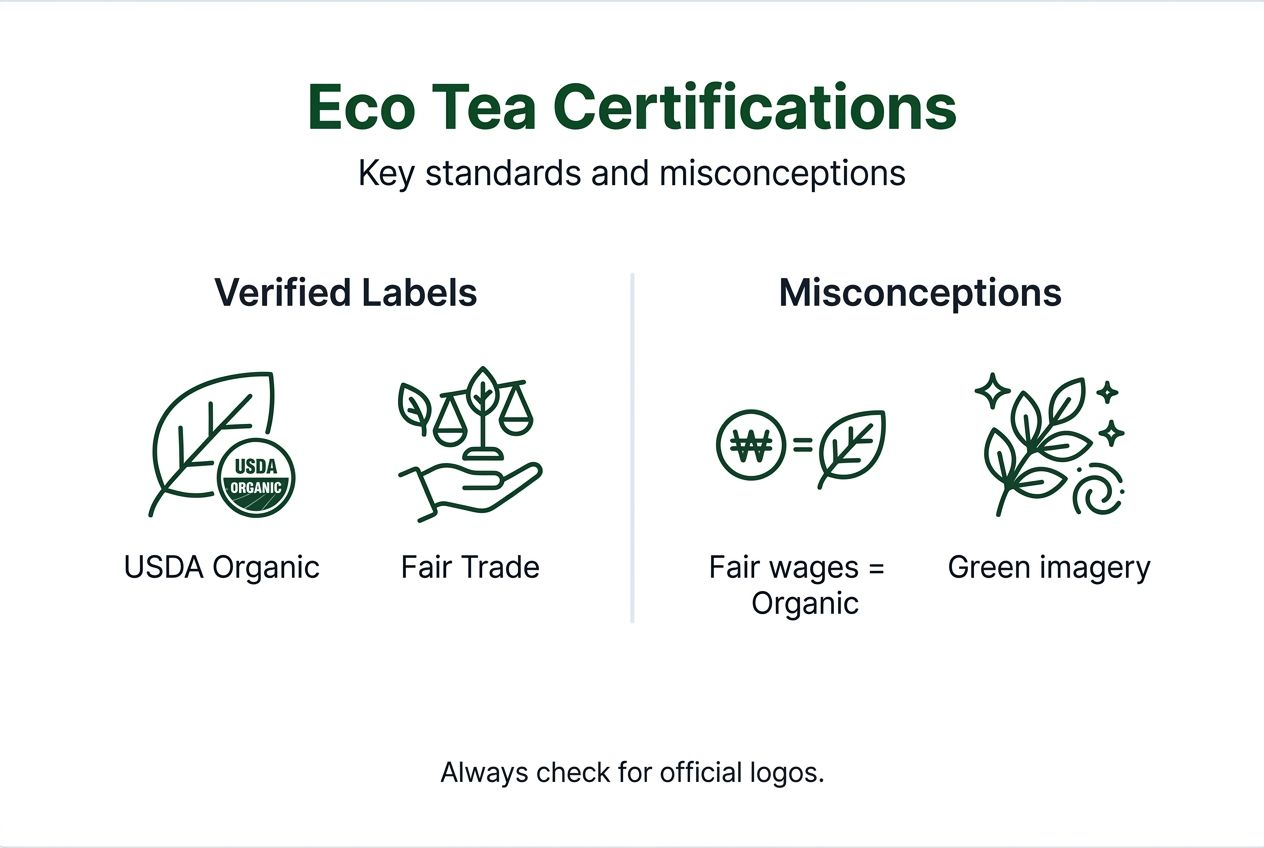
Before evaluating specific tea products, you need to understand the certifications that separate verified sustainability from marketing fluff. Three main frameworks dominate ethical tea sourcing, each addressing different aspects of environmental and social impact.
USDA Organic certification guarantees tea grows without synthetic pesticides, herbicides, or fertilizers. This standard protects soil health and water quality while reducing chemical exposure for farm workers. Organic certification mandates zero synthetic pesticides, reducing chemical runoff by up to 70% compared to conventional farming. You’ll find the green and white USDA Organic seal on compliant products.
Fair Trade certification focuses on social equity rather than purely environmental factors. This framework guarantees farmers receive minimum prices and additional premiums for community development projects. The premiums fund schools, healthcare facilities, and agricultural infrastructure in tea-growing regions. Look for the Fair Trade Certified logo, a black and white circular design with a figure holding produce.
Direct Trade represents a newer approach where brands establish direct relationships with farms, often paying above Fair Trade minimums. This model emphasizes transparency and quality but lacks third-party verification like certified programs. Brands practicing Direct Trade typically publish detailed farm information and pricing on their websites.
Here’s how these three frameworks compare:
| Certification | Environmental Focus | Social Focus | Verification |
|---|---|---|---|
| USDA Organic | Soil health, chemical reduction | Limited | Third-party certified |
| Fair Trade | Basic environmental standards | Worker wages, community premiums | Third-party certified |
| Direct Trade | Varies by brand | Relationship-based pricing | Self-reported |
A common misconception treats organic certification as guaranteeing fair wages or ethical labor conditions. Organic standards address farming practices, not worker compensation. Conversely, Fair Trade certification includes basic environmental requirements but doesn’t eliminate all synthetic inputs. Understanding how types of coffee certifications work in related industries helps clarify these distinctions.
Pro Tip: Products carrying multiple certifications offer stronger sustainability guarantees than those with single labels. A tea that’s both Organic and Fair Trade addresses environmental and social dimensions simultaneously.
The role of coffee certifications in creating market accountability applies equally to tea products. These frameworks create measurable standards that prevent brands from making unverifiable claims. When you see certified logos, you’re supporting farms that underwent rigorous audits confirming their practices meet specific criteria.
How to verify ethical sourcing in tea products
Certifications provide a foundation, but you need additional verification steps to confirm a brand’s sourcing claims match reality. Many companies make sustainability promises without providing evidence of their supply chain practices.
Start by examining product packaging for third-party certification logos. Legitimate certifications include organization names and unique identification numbers you can verify online. Search the certifying body’s database using these numbers to confirm the product’s certified status. Counterfeit logos exist, so this verification step protects you from fraudulent claims.
Next, visit the brand’s website looking for detailed sourcing information. Ethical companies publish farm names, locations, and often individual farmer profiles. They share harvest schedules, processing methods, and how they establish pricing with producers. This transparency in tea sourcing demonstrates accountability that vague sustainability statements cannot match.
For brands claiming Direct Trade relationships, request documentation of their sourcing practices:
- Ask customer service for farm partnership details and duration of relationships
- Check if the brand publishes annual transparency or impact reports
- Look for farm visit documentation through blog posts or social media
- Verify whether the company lists specific premiums paid above market rates
- Search for independent reviews or articles confirming their sourcing claims
Brands genuinely committed to ethical sourcing eagerly share this information. Those offering only marketing language without specifics likely lack verified practices. Pay attention to how quickly and thoroughly companies respond to sourcing inquiries.
Pro Tip: Contact the farm or cooperative directly if a brand provides their name. Many producers maintain basic websites or social media accounts where you can verify their partnership with specific tea companies.
Watch for red flags indicating questionable sourcing. Phrases like “sustainably sourced” or “responsibly grown” without certification or documentation mean nothing. Generic claims about “supporting farmers” without naming specific communities or programs suggest greenwashing. Brands that resist transparency questions or provide vague answers likely hide problematic supply chains.
Evaluating environmental impact of packaging
Your tea product choice extends beyond the leaves themselves to how companies package and ship them. Packaging represents a significant portion of tea’s environmental footprint, and selecting eco-friendly materials dramatically reduces waste.
Compostable packaging breaks down naturally without leaving microplastics or toxic residues. Materials like unbleached paper, plant-based cellophane, and corn starch films decompose within months in commercial composting facilities or home compost bins. This approach diverts waste from landfills, where conventional packaging persists for decades or centuries. Switching from plastic to compostable packaging reduces landfill waste by 20-40% across a product’s lifecycle.
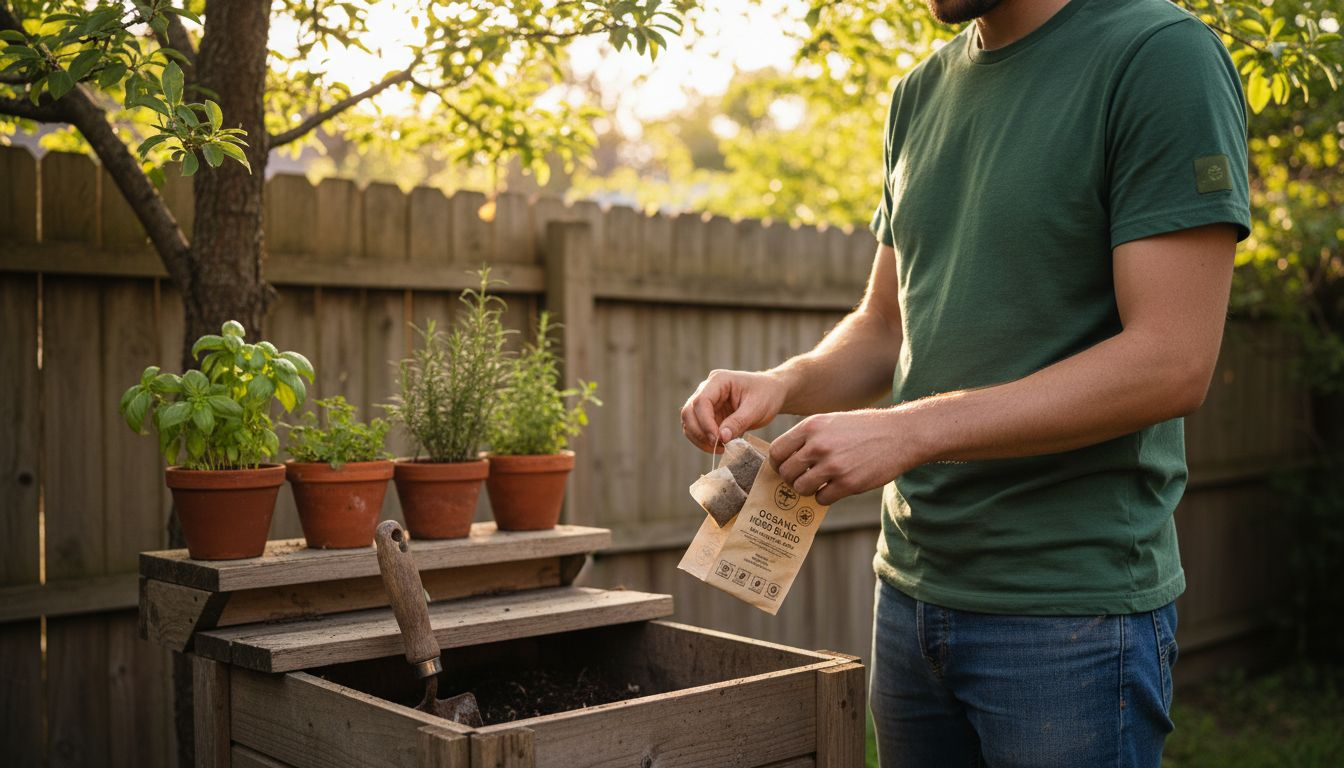
Single-use plastic pods and foil-lined bags create the worst environmental outcomes. These multi-material packages cannot be recycled in standard facilities because separating components requires specialized equipment most municipalities lack. Plastic pods alone generate over 10 billion units of waste annually in the beverage industry.
Here’s how common packaging types compare:
| Packaging Type | Decomposition Time | Recyclability | Environmental Impact |
|---|---|---|---|
| Compostable paper | 2-6 months | Yes, in compost | Low impact |
| Recyclable metal tins | Indefinite | Yes, widely accepted | Moderate impact |
| Plastic pouches | 500+ years | Limited facilities | High impact |
| Foil-lined bags | 500+ years | Not recyclable | High impact |
| Single-use pods | 500+ years | Rarely recyclable | Highest impact |
Lifecycle assessment evaluates packaging from raw material extraction through manufacturing, transportation, use, and disposal. This comprehensive view reveals that even recyclable materials create significant impact if recycling rates remain low or transportation distances stretch thousands of miles. The most sustainable packaging combines minimal material use with local or regional production.
Look for specific eco-friendly packaging labels and materials:
- BPI Certified Compostable for products meeting commercial composting standards
- FSC Certified paper from responsibly managed forests
- Post-consumer recycled content percentages on packaging
- Plant-based inks for printed materials
- Minimal or plastic-free shipping materials
Pro Tip: Contact your local composting facility to confirm which packaging materials they accept. Home composting breaks down fewer materials than industrial facilities, so verify compatibility before disposing of “compostable” packages in your backyard bin.
Brands serious about eco-friendly packaging impact provide detailed material specifications on their websites. They explain why they selected specific packaging and often share goals for further reducing environmental footprint. Reviewing eco-friendly packaging examples from the coffee industry reveals similar innovations applicable to tea products.
Supporting environmental and community initiatives
Some tea brands extend their impact beyond sustainable sourcing and packaging by funding environmental restoration and community development programs. Your purchasing decisions can directly support these initiatives when you choose companies with verified programs.
Mangrove planting programs combat climate change while protecting coastal ecosystems. Mangroves sequester up to four times more carbon per acre than tropical rainforests. They also prevent coastal erosion, filter water pollution, and provide nursery habitat for fish species. Brands partnering with organizations like Eden Reforestation Projects or similar groups plant trees for each product sold, creating measurable ecological benefits.
Ocean plastic removal initiatives address the 8 million tons of plastic entering oceans annually. Some companies fund organizations that intercept plastic waste from rivers before it reaches the sea, preventing harm to marine life and ecosystems. These programs typically remove plastic by weight, with brands reporting specific tonnage diverted per year or per product sold.
Fair Trade premiums generate funds communities allocate toward their priorities. Farmer cooperatives democratically decide how to invest these resources. Common uses include:
- Building schools and providing educational materials
- Establishing healthcare clinics and purchasing medical supplies
- Installing clean water systems and sanitation facilities
- Purchasing farm equipment and improving processing infrastructure
- Creating emergency funds for natural disasters or crop failures
You can verify brand involvement in these initiatives by requesting impact reports showing program details, partner organizations, and measurable outcomes. Legitimate programs publish annual summaries with specific numbers: trees planted, plastic removed, or premium dollars invested. Supporting eco-friendly coffee and tea brands with documented programs ensures your purchases create real change.
Beyond immediate environmental benefits, these programs generate long-term improvements for farming communities and ecosystems. Mangrove forests mature over decades, increasing their carbon sequestration capacity annually. Communities with better education and healthcare infrastructure develop more resilient local economies. Understanding how community support coffee brands approach farmer income and development reveals similar opportunities in the tea sector.
Brands making genuine impact eagerly share progress updates and welcome questions about their programs. Those making vague claims about “giving back” without specifics likely lack meaningful initiatives. When evaluating how to support green coffee initiatives, the same verification principles apply to tea products.
Common mistakes and pitfalls to avoid when choosing eco tea
Even informed consumers make errors when navigating sustainability claims. Understanding common pitfalls helps you avoid products that underdeliver on environmental and social promises.
Greenwashing represents the most prevalent issue. Brands use nature imagery, green packaging, and eco-vocabulary without implementing meaningful sustainable practices. Research shows 35% of environmental claims lack third-party verification or specific supporting evidence. Words like “natural,” “pure,” or “earth-friendly” carry no regulated meaning and often mask conventional production methods.
Confusing organic certification with broader sustainability creates another frequent mistake. A tea can be USDA Organic while still involving unfair labor practices, excessive water use, or destructive land clearing. Organic addresses specific agricultural inputs but doesn’t guarantee comprehensive environmental stewardship or social equity. You need multiple criteria to assess true sustainability.
Lack of transparency undermines even well-intentioned purchases. Brands refusing to disclose sourcing details, certification documentation, or supply chain information prevent you from verifying their claims. This opacity often indicates problematic practices the company wants hidden. Legitimate sustainable businesses embrace transparency as proof of their commitments.
Buyers frequently overlook packaging impact while focusing solely on product certifications. You might purchase certified organic tea packaged in non-recyclable plastic pouches, negating much of the environmental benefit. Holistic evaluation considers both product and packaging to maximize sustainability.
Here are specific practices to avoid:
- Trusting generic sustainability claims without certification or documentation
- Accepting vague language like “eco-conscious” as proof of real practices
- Buying products with multiple types of plastic packaging
- Supporting brands that refuse to answer sourcing questions
- Assuming premium prices automatically indicate sustainable practices
- Ignoring the need to verify environmental program claims
Pro Tip: Screenshot or save marketing claims brands make about sustainability. If you later discover contradicting information, you have evidence to share in reviews or complaints, holding companies accountable for misleading statements.
“The gap between environmental marketing and actual practice has grown so wide that consumer skepticism has become necessary for making informed choices. Verify everything.”
Cross-checking information with independent sources protects against deception. Search for brand names combined with terms like “greenwashing,” “lawsuit,” or “controversy” to uncover potential issues. Read reviews from sustainability-focused organizations and consumer advocates. Apply the same critical thinking you’d use for any major purchase.
Learning from eco-friendly coffee hacks reveals similar verification strategies applicable to tea purchases. Even unrelated industries like fashion face identical greenwashing challenges, as demonstrated by analysis of green ball gowns prom shopping marketing tactics.
Expected outcomes and how to assess your success
Choosing eco tea products based on verified criteria generates measurable benefits for ecosystems, communities, and your own confidence as a conscious consumer. Understanding realistic expectations helps you evaluate your impact over time.
Transparent labeling increases your decision-making confidence. When you understand what certifications mean and how to verify sourcing claims, you spend less time confused by marketing and more time selecting products aligned with your values. This knowledge compounds as you identify trustworthy brands and build ongoing relationships with companies demonstrating consistent practices.
Plastic waste reduction becomes immediately measurable. Switching from conventional tea bags with plastic sealants or foil pouches to compostable packaging eliminates several pounds of non-biodegradable waste per year for regular tea drinkers. Track your impact by weighing packaging before disposal for one month, then calculate annual totals.
Environmental offsets from programs like mangrove planting generate documented benefits. Brands partnering with verified organizations provide impact summaries showing trees planted, carbon sequestered, and habitat restored. A typical eco tea brand plants 1-3 trees per product sold, with each mangrove sequestering roughly 12 pounds of carbon annually at maturity.
Community development outcomes emerge gradually but create lasting change. Fair Trade premiums invested in education, healthcare, and infrastructure improve quality of life for farming families and entire regions. Annual brand reports detail premium allocation and project completion, allowing you to see specific schools built or clinics established with funds from your purchases.
You can assess your success through several approaches:
- Request annual impact reports from brands you support regularly
- Calculate packaging waste diverted from landfills based on your consumption
- Track the number of certified products you purchase versus conventional alternatives
- Monitor whether brands you support expand their sustainability initiatives over time
- Evaluate your growing ability to identify greenwashing and make informed choices
Brands committed to transparency publish impact data openly. They share both successes and areas needing improvement. This honesty indicates genuine commitment rather than performative sustainability. Engage with these companies by providing feedback on their programs and asking specific questions about future goals.
Your individual impact multiplies when you share knowledge with other tea drinkers. Recommending verified sustainable brands, explaining certification systems, and discussing packaging choices help others make informed decisions. This collective shift in purchasing patterns creates market pressure for broader industry improvements.
Explore eco-friendly tea options at EcoVibe Roast
Ready to put these principles into practice? EcoVibe Roast offers a curated selection of teas meeting the sustainability criteria outlined throughout this guide. Every product features organic certification, transparent sourcing, and compostable packaging that reduces environmental impact.
Our tea collection supports environmental initiatives with each purchase. We partner with verified programs planting mangrove trees and removing ocean-bound plastic, creating measurable ecological benefits beyond the tea itself. You’ll find detailed sourcing information for each product, including farm locations and partnership details.

Popular options like hibiscus berry tea and jasmine tea combine exceptional flavor with certified sustainable practices. Browse our full range and make your next tea purchase one that supports communities and ecosystems worldwide.
Frequently asked questions about choosing eco tea products
What certifications should I look for when buying eco tea?
Prioritize USDA Organic and Fair Trade Certified logos as verified third-party standards. These certifications confirm environmental practices and social equity through regular audits. Check the certifying organization’s website using product identification numbers to confirm authenticity.
How can I tell if a tea brand truly uses ethical sourcing?
Request specific farm names, locations, and partnership details from the brand. Legitimate companies publish this information on their websites or provide it promptly when asked. Verify claims by contacting farms directly or searching for independent verification of the brand’s supply chain practices.
Why is packaging important in eco tea products?
Packaging accounts for a significant portion of tea’s environmental footprint. Compostable materials reduce landfill waste by 20-40% compared to plastic alternatives. Plastic pouches and foil-lined bags persist for centuries, while plant-based packaging decomposes within months.
How do I avoid greenwashed tea products?
Demand third-party certification rather than trusting marketing language alone. Verify specific environmental claims through brand transparency reports and independent sources. Be skeptical of vague terms like “natural” or “eco-conscious” without supporting documentation or certification logos.
What impact can I expect from choosing sustainable tea?
You’ll reduce plastic waste immediately while supporting documented environmental programs like mangrove planting and ocean cleanup. Fair Trade premiums fund community development projects in tea-growing regions. Request annual impact reports from brands to track measurable outcomes from your purchases.
Recommended
- Why Choose Eco-Friendly Tea for a Greener Planet – EcoVibe Roast
- Transparency in tea sourcing empowers eco-conscious buyers – EcoVibe Roast
- Why Support Eco-Friendly Coffee & Tea in 2026: Cut 50% Carbon – EcoVibe Roast
- Master Eco-Conscious Coffee Making Workflow for Sustainability – EcoVibe Roast
- Why Choose Preloved Luxury: Save 30%-70% & Go Sustainable


