

Which sustainable herbal vendors can you trust as alternatives to ecoherbessentials.com?
If you’re searching for dependable ecoherbessentials.com alternatives, the good news is that the US market has several genuinely trustworthy vendors offering certified organic herbs, sustainable packaging, and ethical sourcing. The strongest options span from bulk wholesalers like Frontier Co-op and Mountain Rose Herbs to curated marketplaces like Earth Hero and Thrive Market. Each serves a different kind of eco-conscious buyer, so knowing what you actually need makes all the difference.
Here’s a side-by-side look at all 13 vetted alternatives across the dimensions that matter most.
| Vendor | Frontier Co-op | Pacific Botanicals | Oregon’s Wild Harvest | Mountain Rose Herbs | Earth Hero | Thrive Market | Package Free Shop | EcoRoots | Public Goods | Etsy | Eartheasy | Life Without Plastic | Pact Apparel |
|---|---|---|---|---|---|---|---|---|---|---|---|---|---|
| Best for | Bulk certified organic herbs | Wildcrafted raw botanicals | Organic herbal extracts | Organic herbs + zero-waste packaging | Diverse eco lifestyle products | Affordable organic supplements | Zero-waste herbal wellness | Plastic-free herbal items | Affordable sustainable goods | Artisanal small-batch herbs | Broad eco product range | Plastic-free supplements | Sustainable wellness + apparel |
| Certifications | USDA Organic, Fair Trade | Organic, sustainable wildcrafting | USDA Organic, vertically integrated | USDA Organic, zero-waste | Vetted eco credentials | USDA Organic partners | Sustainability vetted | Plastic-free vetted | Sustainability focused | Vendor-dependent | Eco-product verified | Plastic-free mission | USDA Organic, Fair Trade labor |
| Pricing model | Wholesale + retail | Wholesale | Retail + wholesale | Retail | Retail marketplace | Membership ($59.95/yr) | Retail | Retail | Membership optional | Per-vendor | Retail | Retail | Retail |
| US shipping | Yes, nationwide | Yes, nationwide | Yes, nationwide | Yes, nationwide | Yes, nationwide | Yes, nationwide | Yes, nationwide | Yes, nationwide | Yes, nationwide | Yes, nationwide | Yes, nationwide | Yes, nationwide | Yes, nationwide |
| Sustainability standout | Fair Trade + transparent supply chain | Wildcrafting + low-impact harvesting | Vertical integration for quality control | Zero-waste packaging commitment | Broad environmental credentials | Discounted sustainable access | Zero-waste philosophy | Plastic-free sourcing | Simplified sustainable selection | Artisanal + organic vendor pool | Wide eco-product categories | Plastic-free mission + quality checks | Organic certification + fair labor |
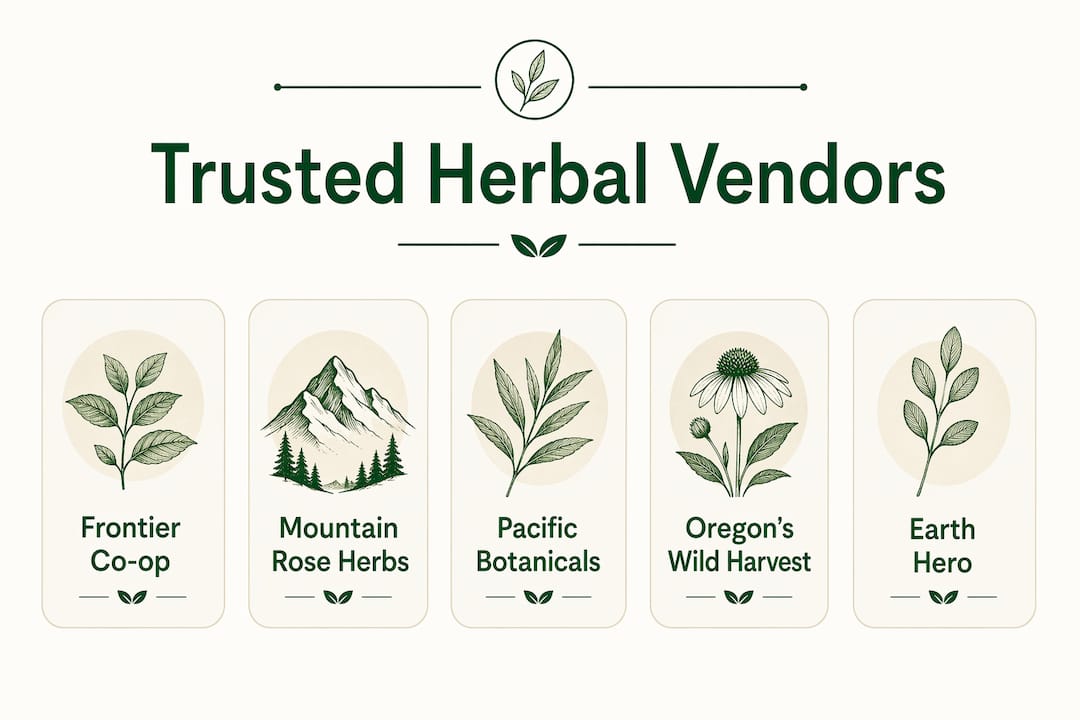
Frontier Co-op is the go-to for buyers who need certified bulk herbs at scale. Its Fair Trade and USDA Organic credentials are independently verified, and its supply chain transparency goes deeper than most retail brands. If you’re stocking a wellness practice or a small business, this is where to start.
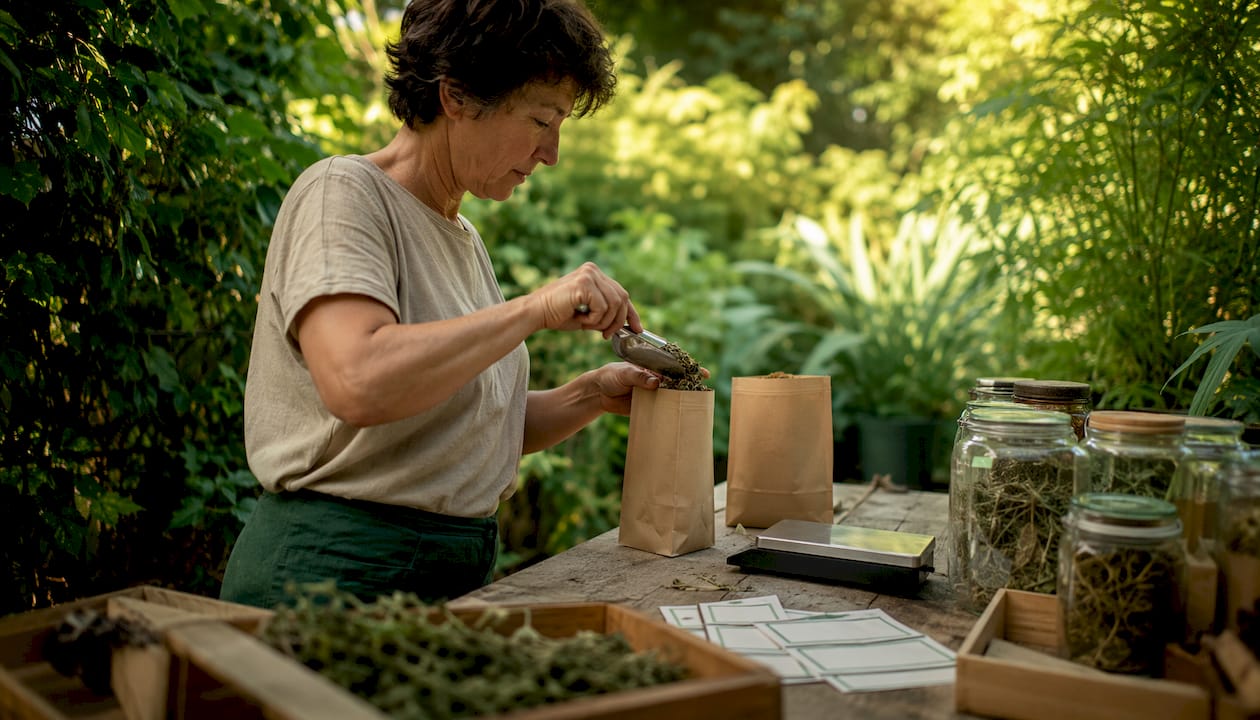
Mountain Rose Herbs stands out for retail buyers who care as much about the packaging as the product. Its zero-waste commitment covers everything from recycled mailers to compostable bags, and its product range spans hundreds of certified organic herbs, spices, and essential oils.
Pacific Botanicals is the specialist’s choice for wildcrafted and sustainably harvested raw botanicals. It’s less flashy than retail-facing brands, but the sourcing rigor is genuinely impressive for formulators and herbalists.
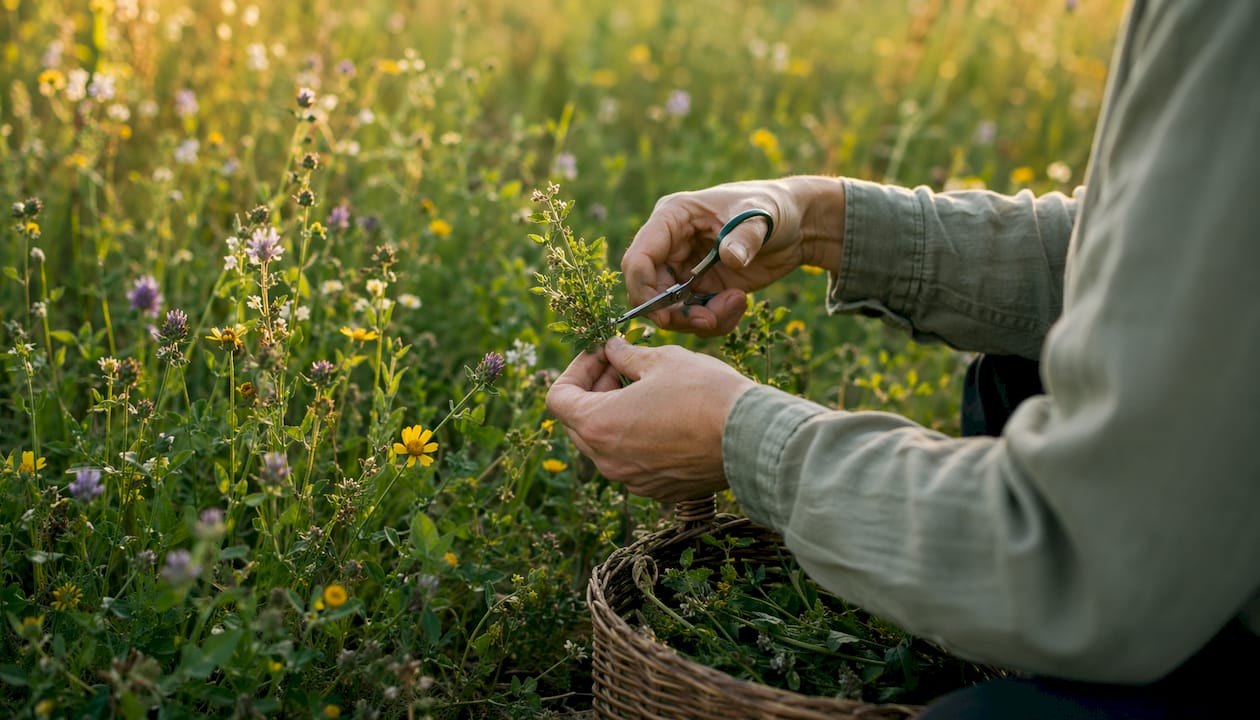
Oregon’s Wild Harvest controls its supply chain from seed to shelf through vertical integration, which means fewer hands between the farm and your bottle. That structure supports consistent quality in its organic herbal extracts.
Thrive Market makes organic supplements accessible through its membership model. At $59.95 per year, members unlock discounted pricing on a curated selection of organic and eco-friendly products, which adds up quickly for regular buyers.
Earth Hero functions as a curated marketplace for eco-conscious lifestyle products, including herbal supplements. Its environmental impact credentials are clearly displayed for each product, so you can see exactly what you’re supporting.
Package Free Shop and EcoRoots both center their identity on plastic-free packaging. If reducing plastic waste is your primary concern, either of these vendors delivers on that promise with carefully vetted suppliers.
Public Goods keeps things simple: a streamlined catalog of affordable, sustainably sourced household and wellness items. It suits buyers who want fewer choices and more confidence in what they’re getting.
Etsy is the wildcard on this list, and intentionally so. Its vendor pool includes hundreds of small-batch, artisanal herbalists who sell organic and wildcrafted products you simply won’t find on larger platforms. The trade-off is that quality and certifications vary by seller, so you need to vet individual shops.
Eartheasy covers a wide range of environmental products, with herbal and wellness items sitting alongside gardening, home, and outdoor goods. It’s a solid one-stop shop for eco-conscious households.
Life Without Plastic focuses specifically on eliminating plastic from everyday life, including in supplement and wellness packaging. Its product verification process adds a layer of confidence for buyers who want to know what they’re avoiding.
Pact Apparel is primarily known for organic clothing, but its wellness product extensions carry the same organic certification and fair labor commitments. It suits buyers who want their entire lifestyle to reflect the same values.
How to choose a sustainable herbal vendor that you can actually trust
Picking the right vendor goes beyond a quick Google search. The eco-friendly herbs space has grown fast, and not every brand that uses green imagery actually backs it up with verifiable practices. Here’s what to look for before you buy.
Certifications you can verify. USDA Organic certification means a third party has audited the farm and processing facility. Fair Trade certification means farmers received fair wages. Look for these on the product page, not just in the brand’s marketing copy. The label and certification should link to a certifying body you can check independently.
Supply chain transparency. The best vendors tell you where their herbs come from, how they’re harvested, and who processes them. Vague language like “sourced from trusted farms” is a yellow flag. Specific farm names, regions, or harvest methods are a green one.
Buying considerations to check before you order:
- Does the vendor publish a certificate of analysis (COA) for its products?
- Are certifications current and linked to a recognized certifying body?
- Does the packaging use recycled, compostable, or plastic-free materials?
- Is there a clear return or quality guarantee policy?
- Does the brand offset carbon emissions or support environmental programs?
- Are customer reviews verified, and do they mention product consistency?
Packaging sustainability. Shipping herbs in plastic defeats the purpose of buying organic. Look for vendors using recycled cardboard, compostable bags, or glass jars. Mountain Rose Herbs and Package Free Shop set the bar here.
Ethical sourcing beyond the label. Responsible sourcing means fair wages, safe working conditions, and community investment at the farm level. Fair Trade certification is the most recognized standard for verifying this.
Pro Tip: Ask vendors directly for their certificate of analysis before purchasing. Reputable brands will share third-party lab results confirming ingredient identity, potency, and the absence of heavy metals or pesticides. If a vendor can’t or won’t provide one, that tells you something important.
Trusted bulk herb wholesalers available in the US
For buyers who need volume, whether you’re running a wellness practice, a small supplement brand, or a co-op, four wholesalers consistently rise to the top.
| Wholesaler | Product variety | Eco certifications | Pricing model | Order minimums | US shipping |
|---|---|---|---|---|---|
| Frontier Co-op | 600+ herbs, spices, botanicals | USDA Organic, Fair Trade | Wholesale + retail tiers | Varies by product | Nationwide |
| Pacific Botanicals | Wildcrafted + organic botanicals | Organic, sustainable harvest | Wholesale | Varies by product | Nationwide |
| Oregon’s Wild Harvest | Organic herbal extracts + supplements | USDA Organic | Wholesale + retail | Varies by product | Nationwide |
| Mountain Rose Herbs | Herbs, spices, essential oils, teas | USDA Organic, zero-waste | Retail (bulk options) | No stated minimum | Nationwide |
Frontier Co-op carries one of the broadest catalogs of any US herb wholesaler, with over 600 products spanning culinary herbs, medicinal botanicals, and spices. Its cooperative structure means member-owners share in the profits, which aligns its business model with the values it markets.
Pacific Botanicals takes a narrower, deeper approach. It specializes in sustainably wildcrafted and organically grown raw botanicals for formulators and manufacturers. The focus on low-impact harvesting methods makes it a strong choice for buyers who want to trace their ingredients back to the land.
Advantages of buying bulk from wholesalers:
- Lower cost per unit compared to retail packaging
- Reduced packaging waste overall
- Easier to verify sourcing and certifications at scale
- Better traceability through direct supplier relationships
Considerations to keep in mind:
- Storage requirements for bulk herbs (cool, dark, airtight)
- Shorter shelf life once packaging is opened
- Minimum order quantities may not suit casual buyers
- Quality control depends heavily on your storage practices
Oregon’s Wild Harvest controls its entire production process, from growing organic herbs on its own farms to manufacturing finished supplements. That vertical integration reduces the risk of contamination or substitution that can occur when ingredients change hands multiple times.
What sustainable and ethical sourcing actually looks like in practice
Sustainability in the herbal products world isn’t one thing. It’s a collection of practices that, taken together, determine whether a product is genuinely good for the planet or just marketed that way.
Organic farming avoids synthetic pesticides and fertilizers, which protects soil health and local ecosystems. USDA Organic certification is the most recognized standard in the US, and it requires annual third-party audits. Vendors like Frontier Co-op and Mountain Rose Herbs hold this certification across most of their product lines.
Wildcrafting means harvesting plants from their natural habitat rather than cultivating them. Done responsibly, as Pacific Botanicals practices, it preserves biodiversity and avoids the monoculture problems of conventional farming. Done irresponsibly, it depletes wild plant populations. The difference lies in harvest limits and regenerative practices.
Common eco-friendly vendor policies you’ll find among the best alternatives:
- Plastic-free or minimal packaging using recycled or compostable materials
- Carbon offset programs for shipping and operations
- Support for local farming communities through fair wages and direct trade
- Partnerships with environmental organizations like One Percent for the Planet
- Ingredient sourcing from certified regenerative or organic farms
Fair Trade certification goes beyond the environment to address the human side of sourcing. It guarantees that farmers and workers receive fair wages and safe conditions. For herbs sourced from regions where labor exploitation is common, this certification carries real weight.
Consumer demand for sustainably sourced herbal products has grown steadily, and vendors are responding with greater transparency about their supply chains. The brands that publish detailed sourcing information, including farm locations, harvest methods, and processing partners, are the ones worth your loyalty.
Safety, regulation, and what you need to know before taking herbal supplements
Here’s something that surprises a lot of people: the FDA does not approve or verify the safety, purity, or effectiveness of dietary supplements before they reach store shelves. The agency investigates only after complaints arise. That means the burden of verification falls on you as the buyer.
In 2023, the FDA launched the Dietary Supplement Ingredient Directory, a public resource where you can look up specific ingredients and see whether the agency has taken any action on them. It’s a useful starting point, but it doesn’t replace independent lab testing.
The word “natural” on a supplement label has no strict legal definition in the US. A product can be heavily processed, contain fillers, or include synthetic additives and still carry that label. Independent third-party certifications from organizations like USP, NSF International, or ConsumerLab are the most reliable way to verify ingredient quality and reduce contamination risk.
Some herbs carry real safety concerns that go beyond marketing. St. John’s wort, for example, can interfere with the metabolism of many prescription medications, including antidepressants, blood thinners, and birth control pills. Mayo Clinic notes that herbal substances can mimic or interfere with pharmaceuticals in ways that cause serious harm. Consulting a healthcare provider before adding any herbal supplement to your routine is the responsible move, not an optional one.
Statistic callout: The FDA’s Dietary Supplement Ingredient Directory, launched in 2023, gives consumers a public tool to check regulatory actions on specific supplement ingredients before purchasing.
Pro Tip: Before buying any herbal supplement, search the ingredient name in the FDA Dietary Supplement Ingredient Directory and cross-reference it with a third-party testing database like ConsumerLab or NSF. Two minutes of research can save you from a product that doesn’t contain what the label claims.
What eco-friendly herbal products typically cost in the US market
Pricing for sustainable herbal products varies widely depending on the vendor model, certification costs, and production scale. Here’s a realistic picture of what to expect.
Retail buyers at Mountain Rose Herbs or Oregon’s Wild Harvest typically pay a premium of 20–40% over conventional herb prices, reflecting organic certification costs and sustainable packaging. That premium is real, but so is the quality difference.
Membership models like Thrive Market’s annual fee can offset that premium quickly if you buy regularly. Members access discounted pricing on organic and eco-friendly products that often undercuts standard retail by a meaningful margin.
Factors that influence pricing in this market:
- USDA Organic and Fair Trade certification fees passed along to buyers
- Small-batch production costs for artisanal vendors on platforms like Etsy
- Sustainable packaging materials, which cost more than conventional plastic
- Carbon-neutral or offset shipping programs
- Direct trade relationships that pay farmers fairly
Bulk purchasing from wholesalers like Frontier Co-op or Pacific Botanicals brings the per-unit cost down significantly, but requires storage space and a larger upfront investment. For individuals, splitting a bulk order with a buying group or co-op is a practical way to access wholesale pricing.
Shipping sustainability also affects cost. Vendors committed to plastic-free or carbon-offset shipping sometimes charge slightly more for delivery, but several, including Mountain Rose Herbs, absorb those costs above a minimum order threshold. Checking each vendor’s shipping policy before checkout saves surprises.
The bottom line: buying eco-friendly herbs costs more than buying conventional ones, and that gap reflects real investments in soil health, fair wages, and cleaner packaging. Knowing where that money goes makes it easier to spend it with confidence.
Ecoviberoast brings the same eco-conscious values to your cup

If the vendors above have you thinking about sustainability across your whole wellness routine, Ecoviberoast is worth a look for a different corner of that picture. While the brands compared here focus on herbs and supplements, Ecoviberoast brings the same commitment to responsible sourcing and environmental stewardship to sustainably sourced coffee and herbal teas.
Every purchase at Ecoviberoast supports mangrove tree planting and ocean-bound plastic removal, so your morning ritual does something good beyond the cup. The herbal teas are sourced with the same transparency-first approach you’d want from any eco-conscious vendor, and the brand’s ethos around ethical sourcing runs through every product it carries.
If you’re building a sustainable pantry and want your beverages to match the values you bring to your herbs and supplements, Ecoviberoast offers a warm, purposeful place to start.
Key Takeaways
The most trustworthy ecoherbessentials.com alternatives combine verified certifications like USDA Organic and Fair Trade with transparent sourcing, sustainable packaging, and third-party lab testing.
| Point | Details |
|---|---|
| Top vendor picks | Frontier Co-op, Mountain Rose Herbs, and Oregon’s Wild Harvest lead on certifications and supply chain transparency. |
| Certification matters | USDA Organic and Fair Trade are independently audited; “natural” on a label has no legal definition in the US. |
| FDA does not pre-approve | The FDA launched the Dietary Supplement Ingredient Directory in 2023, but does not verify supplements before market release. |
| Bulk buying saves money | Wholesalers like Frontier Co-op and Pacific Botanicals offer lower per-unit costs, best accessed through buying groups or co-ops. |
| Ecoviberoast | For sustainably sourced herbal teas and coffee with environmental impact built into every purchase, Ecoviberoast is a natural complement to your eco-conscious routine. |


