

TL;DR:
- A sustainable coffee subscription sources beans through verified environmental and social standards, funding eco-friendly practices and supporting farming communities. These subscriptions help protect ecosystems, boost farmers’ incomes, and reduce the environmental impact of coffee consumption. Engaging actively with impact reports and practicing eco-conscious brewing enhances the benefits for both the planet and your morning routine.
A sustainable coffee subscription is defined as a recurring delivery service that sources beans through verified environmental and social standards, such as fair trade certification, regenerative agriculture, and shade-grown agroforestry methods. These subscriptions deliver more than aromatic, rich coffee to your door. They fund real change: healthier soils, protected wildlife habitats, and fairer wages for farming communities. Ecoviberoast is built on exactly this model, connecting eco-conscious coffee lovers with responsibly sourced beans while planting mangrove trees and removing ocean-bound plastics with every purchase. Understanding the full range of sustainable coffee subscription benefits helps you make every morning cup count for both you and the planet.
What are the real sustainable coffee subscription benefits?
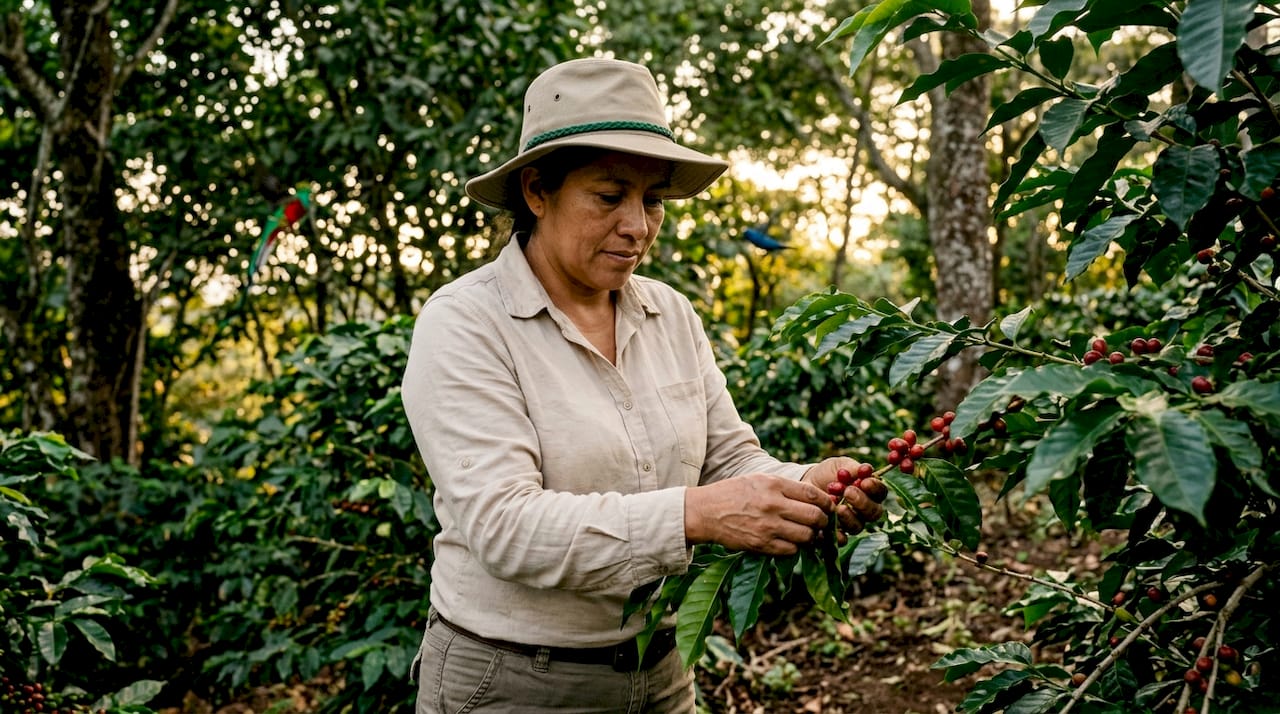
Sustainable coffee subscriptions protect ecosystems through the farming methods they require. Shade-grown agroforestry sequesters carbon, improves water filtration, and provides habitat for migratory birds and wildlife. These farms function like artificial forests, maintaining biodiversity in regions where conventional agriculture strips the land bare.
Regenerative agriculture goes further than organic certification alone. Credible sustainability in 2026 is measured through a stack of environmental metrics: soil regeneration, carbon sequestration, water retention, and biodiversity scores. No single badge captures the full picture. This shift toward multi-metric verification means you can trust providers who publish real numbers over those who rely on a single logo.
Subscription models also reduce the carbon footprint of your coffee habit. Consolidated, scheduled deliveries cut down on the erratic shipping patterns of one-off purchases. When you combine that with eco-friendly coffee delivery practices like compostable packaging and carbon-offset logistics, the environmental math improves significantly.
The biodiversity benefit deserves special attention. Shade-grown farms support hundreds of migratory bird species that depend on forest canopy. When those farms disappear, so do the birds. Choosing a subscription that requires agroforestry standards directly protects that habitat year after year.
Pro Tip: Ask your subscription provider for published impact reports showing hectares regenerated, verified farmer income uplifts, and carbon sequestration data. Meaningful sustainability is demonstrated through transparent metrics and audits, not just marketing language.
How do subscriptions improve farmer incomes and supply chains?
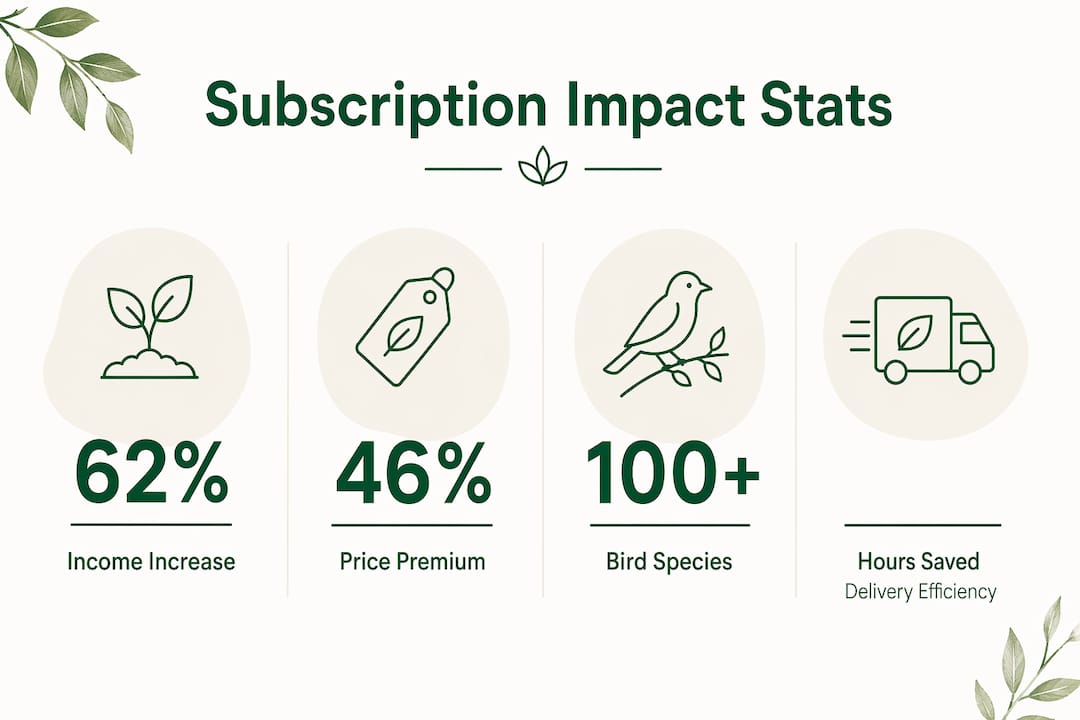
The economic case for sustainable coffee subscriptions is compelling and specific. Regenerative coffee models can raise smallholder incomes by up to 62% and provide premiums 46% above fair trade rates. That is not a rounding error. It represents the difference between a farming family reinvesting in their land and one surviving season to season.
Stable subscription revenue creates economic resilience that seasonal commodity markets cannot provide. Predictable income streams allow farmers to make multi-year investments in soil health, equipment, and ecosystem restoration rather than reacting to each harvest’s price swings. A cooperative that knows it has committed subscribers can install drying beds, fund chemical-free processing, and purchase climate-resilient seedlings with confidence.
The benefits extend beyond individual farms. Fair trade certification provides price floors and community premiums that fund healthcare, education, and improved working conditions across entire coffee-growing regions. Direct trade relationships add another layer by cutting out intermediaries and ensuring a greater share of your subscription price reaches the farmer directly.
Here is what that economic chain looks like in practice:
- Stable income: Subscription commitments replace unpredictable spot-market sales with reliable monthly revenue.
- Infrastructure investment: Premiums fund drying beds, chemical-free processing facilities, and premium farmer payments that lift bean quality.
- Diversified revenue: Subscription-funded improvements lead to higher-quality cherries and diversified income through intercrops and shade-grown products.
- Community development: Fair trade premiums flow into schools, clinics, and cooperative infrastructure that benefit entire villages.
- Supply chain transparency: Direct trade relationships reduce the number of hands between farmer and cup, improving both fairness and traceability.
The flavor connection is real, too. When farmers earn enough to invest in their land, they produce better cherries. Sustainable coffee premiums fund the farm infrastructure responsible for superior flavor and balance compared to commodity beans. Your morning cup tastes better precisely because the farmer was paid fairly.
How do you choose the right sustainable coffee subscription?
Choosing well requires looking past the marketing copy on a bag. The factors that actually matter are price per cup, roast freshness, grind options, packaging sustainability, and most importantly, the provider’s traceability score. Lot tracking, farm names, and origin reports enhance transparency and give you real confidence in sustainability claims.
Use this comparison framework when evaluating your options:
| Evaluation factor | What to look for |
|---|---|
| Traceability | Farm name, lot number, and origin report published per batch |
| Impact metrics | Hectares regenerated, income uplifts, and carbon data publicly available |
| Roast freshness | Roast date on bag; ideally shipped within 7–14 days of roasting |
| Packaging | Compostable or recyclable materials with clear disposal instructions |
| Flexibility | Options to adjust frequency, quantity, grind, and roast profile |
Subscription flexibility matters more than most people realize. Life changes, and your coffee needs change with it. Look for providers that let you pause, skip, or adjust your delivery without penalty. A subscription that locks you in with no flexibility is a red flag, regardless of how good the sustainability story sounds.
Blend variety keeps the experience fresh. Rotating single-origin offerings let you taste the difference between a bright Ethiopian natural process and a smooth Colombian washed bean. That variety also signals that the provider maintains active relationships with multiple farming cooperatives, which is a good sign for sourcing integrity.
Pro Tip: Track your flavor satisfaction and cost per cup alongside the provider’s impact reports. Tracking personal taste and impact data helps you optimize your subscription and hold providers accountable for their sustainability promises.
You can also pair your coffee choices with other conscious consumption habits. Brands in the sustainable food sector show that ethical sourcing across snacks and beverages creates a compounding positive impact on supply chains.
How to get the most from your eco-friendly coffee subscription
Getting full value from your subscription takes a little intention. These steps make a real difference:
- Store beans correctly. Keep whole beans in an airtight container away from light and heat. Grinding just before brewing preserves the aromatic oils that make sustainably grown coffee so satisfying.
- Read the impact reports. Most credible providers publish quarterly or annual reports. Spend five minutes reading them. You will learn which farms your money reached and what changed because of it.
- Compost your grounds. Used coffee grounds are rich in nitrogen and improve garden soil. Composting closes the loop and keeps organic material out of landfills.
- Engage with farmer stories. Many subscription providers share profiles of the cooperatives they work with. Reading those stories deepens your connection to the cup and reinforces why the premium price is worth it.
- Avoid impulsive cancellations. If a roast does not suit your taste, contact the provider and ask for a swap or adjustment. Canceling and resubscribing repeatedly disrupts the stable revenue that farmers depend on.
- Combine with other eco habits. Use a reusable filter, a French press, or a pour-over setup to eliminate single-use paper waste. Ecoviberoast’s ethical sourcing practices pair naturally with low-waste brewing methods.
The biggest mistake eco-conscious subscribers make is treating the subscription as purely transactional. The real value comes from staying engaged: reading reports, sharing feedback, and understanding the farming communities your purchase supports. That engagement is what separates a meaningful subscription from just another delivery service.
Key Takeaways
Sustainable coffee subscriptions deliver the strongest results when you combine verified environmental sourcing with active engagement in the supply chain story behind your cup.
| Point | Details |
|---|---|
| Environmental impact is measurable | Look for published metrics like hectares regenerated and carbon data, not just certification logos. |
| Farmer income gains are significant | Regenerative models can raise smallholder incomes by up to 62% above conventional rates. |
| Subscription stability benefits farmers | Predictable revenue lets cooperatives invest in infrastructure and soil health over multiple years. |
| Traceability signals credibility | Farm names, lot tracking, and origin reports are the clearest signs of a trustworthy provider. |
| Engagement multiplies your impact | Reading impact reports and composting grounds extends the value of every subscription dollar. |
Why I think most people underestimate what their subscription actually does
I have spent years evaluating sustainability claims across the coffee industry, and the pattern I keep seeing is this: consumers focus on the badge and miss the balance sheet. A fair trade logo is a starting point, not a finish line. The providers making real change are the ones publishing income uplift data, naming their farms, and showing you the drying beds your premium funded.
What genuinely surprised me is how much the subscription model itself, not just the sourcing, changes farming economics. When a cooperative has committed subscribers, it can plan. It can hire, plant, and invest. That planning capacity is what regenerative agriculture actually needs to take root. Without predictable revenue, even the best farming intentions collapse under seasonal price pressure.
The other thing I have noticed is that the best-tasting cups almost always come from the most transparent providers. That is not a coincidence. Transparency and quality are both products of the same thing: a farmer who was paid enough to care about the outcome. When you choose a subscription that publishes real impact data, you are not just doing good. You are drinking better coffee.
My honest encouragement is to treat your subscription like a relationship, not a product. Ask questions, read the reports, and let the farmer stories change how you think about your morning ritual. That shift in perspective is where conscious consumption becomes genuinely powerful.
— LaSaundra
Ecoviberoast: where your cup creates real change
Ecoviberoast sources every bean with environmental accountability at the center. Each purchase plants mangrove trees and removes ocean-bound plastics, so your subscription does measurable good beyond the farm gate.

The 60-pack single-serve coffee pods deliver rich, responsibly sourced coffee in eco-friendly packaging, making it easy to enjoy a great cup without compromising your values. If you want to start smaller, the 12-pack original roast is a low-commitment way to taste the Ecoviberoast difference. Every order connects you to a supply chain built on fair wages, regenerative farming, and genuine transparency. Your morning ritual can be a warm hug for both you and Mother Earth.
FAQ
What makes a coffee subscription “sustainable”?
A sustainable coffee subscription sources beans through verified environmental and social practices, including fair trade pricing, shade-grown agroforestry, and regenerative agriculture. Credible providers publish impact metrics like hectares regenerated and verified farmer income data rather than relying on a single certification badge.
How much more do farmers earn from sustainable subscriptions?
Regenerative coffee models can raise smallholder incomes by up to 62% and provide premiums 46% above standard fair trade rates. That income stability allows farmers to invest in soil health and infrastructure over multiple growing seasons.
How do I verify that a subscription’s sustainability claims are real?
Look for published impact reports that include farm names, lot tracking, income uplift data, and carbon sequestration figures. Providers that cannot supply these specifics are likely making superficial claims.
Are sustainable coffee subscriptions more expensive than regular options?
The price per cup is typically higher, but that premium directly funds farm infrastructure, fair wages, and environmental restoration. The quality of the beans also tends to be higher because well-paid farmers produce better cherries.
Can I reduce waste further with a sustainable coffee subscription?
Yes. Brew with a reusable filter or French press, compost your used grounds, and choose providers that use compostable or recyclable packaging. Combining these habits with a responsibly sourced subscription closes the sustainability loop from farm to cup.


