

TL;DR:
- Eco-innovation in the beverage industry involves using sustainable packaging, ingredients, and design to reduce environmental impact and build brand loyalty. Circular packaging models, such as refillable bottles and fiber cartons, rely on systems like the 6 R’s to keep materials in use and strengthen brand storytelling. Consumer trends favor wellness, clean labels, and meaningful experiences, driving brands to adopt eco-friendly practices and innovative formulations.
Eco-innovation in the beverage industry is the strategic use of sustainable technologies and practices that reduce ecological impact while creating measurable business value. You’ve probably noticed more refillable bottles, clean-label herbal teas, and functional drinks with adaptogens showing up on shelves. That shift is not accidental. The role of eco-innovation in beverages covers three core pillars: circular packaging, ingredient reformulation, and consumer-driven product design. Each pillar reduces environmental harm and builds the kind of brand loyalty that outlasts any single product launch. Brands like Ecoviberoast are proving that doing right by the planet and delivering an exceptional cup are not competing goals.
What are circular packaging models and why are they central to eco-innovation in beverages?
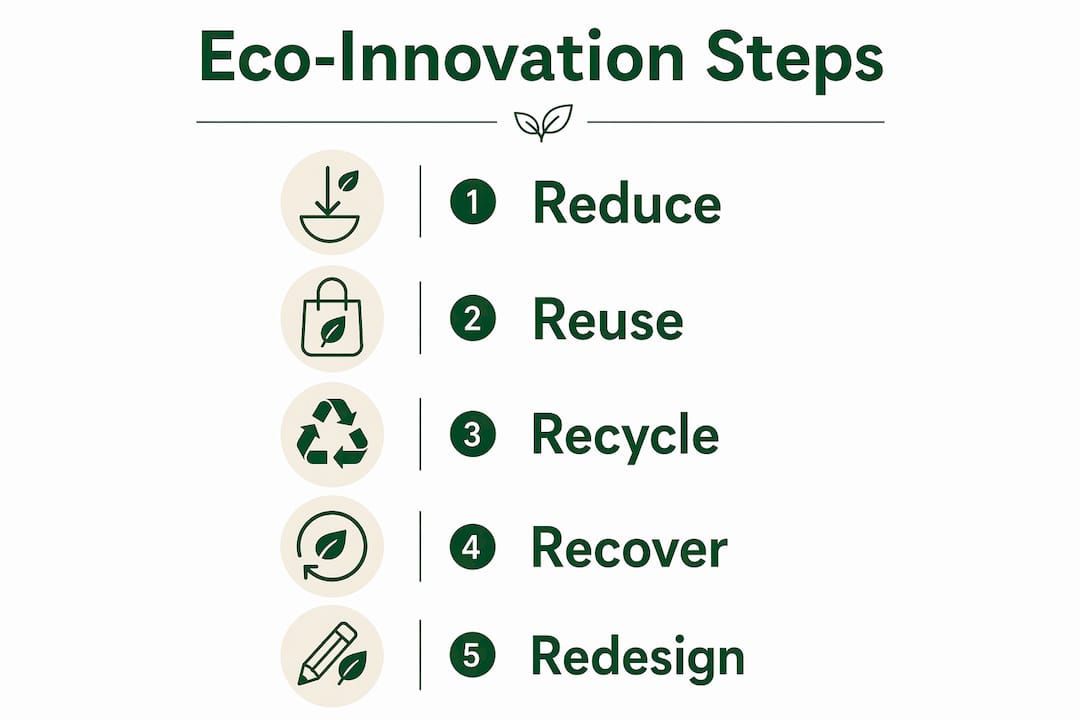
Circular packaging is the foundation of sustainable beverage production. The beverage industry increasingly adopts circular packaging models guided by the 6 R’s framework: Reduce, Reuse, Recycle, Refurbish, Recover, and Repair. This framework moves packaging from a one-way trip to a landfill into a closed loop where materials stay in use as long as possible.
Each of the 6 R’s targets a different stage of the packaging lifecycle:
- Reduce: Cut the volume of material used per unit without sacrificing structural integrity.
- Reuse: Design refillable bottles and containers that consumers return for cleaning and refilling.
- Recycle: Specify materials like bioplastics and fiber-based packaging that enter existing recycling streams.
- Refurbish: Restore packaging components to a usable state rather than discarding them.
- Recover: Capture energy or raw material value from packaging that cannot be reused or recycled.
- Repair: Extend the life of durable packaging formats through maintenance programs.
Refillable glass bottles and fiber-based cartons are the most visible examples of this shift. Brands using these formats build reverse logistics systems, meaning take-back programs that collect used packaging, sort it, and reintroduce it into the supply chain. Without that infrastructure, even the most recyclable material ends up in a landfill.
The strategic upside goes well beyond compliance. Circular packaging has shifted from a functional protective role to a brand storytelling asset that influences consumer loyalty and long-term differentiation. A refillable bottle is not just a container. It is a daily reminder to your customer that your brand shares their values.
Pro Tip: If you are evaluating sustainable packaging for drinks, start with the Reduce step. Cutting material weight by even a small margin lowers shipping emissions and production costs before you invest in take-back infrastructure.
| Packaging format | Circularity benefit | Key challenge |
|---|---|---|
| Refillable glass bottles | Supports closed-loop reuse | Requires take-back logistics |
| Bioplastic containers | Enters compostable waste streams | Needs industrial composting access |
| Fiber-based cartons | Recyclable in standard streams | Moisture resistance limits use |
| Aluminum cans | High recycled content possible | Energy-intensive primary production |
How is ingredient innovation advancing eco-friendly beverage formulation?
Ingredient innovation is where green technology in beverages gets genuinely exciting. The most forward-thinking producers are not just swapping out chemicals for natural alternatives. They are rethinking what goes into a drink from the ground up.
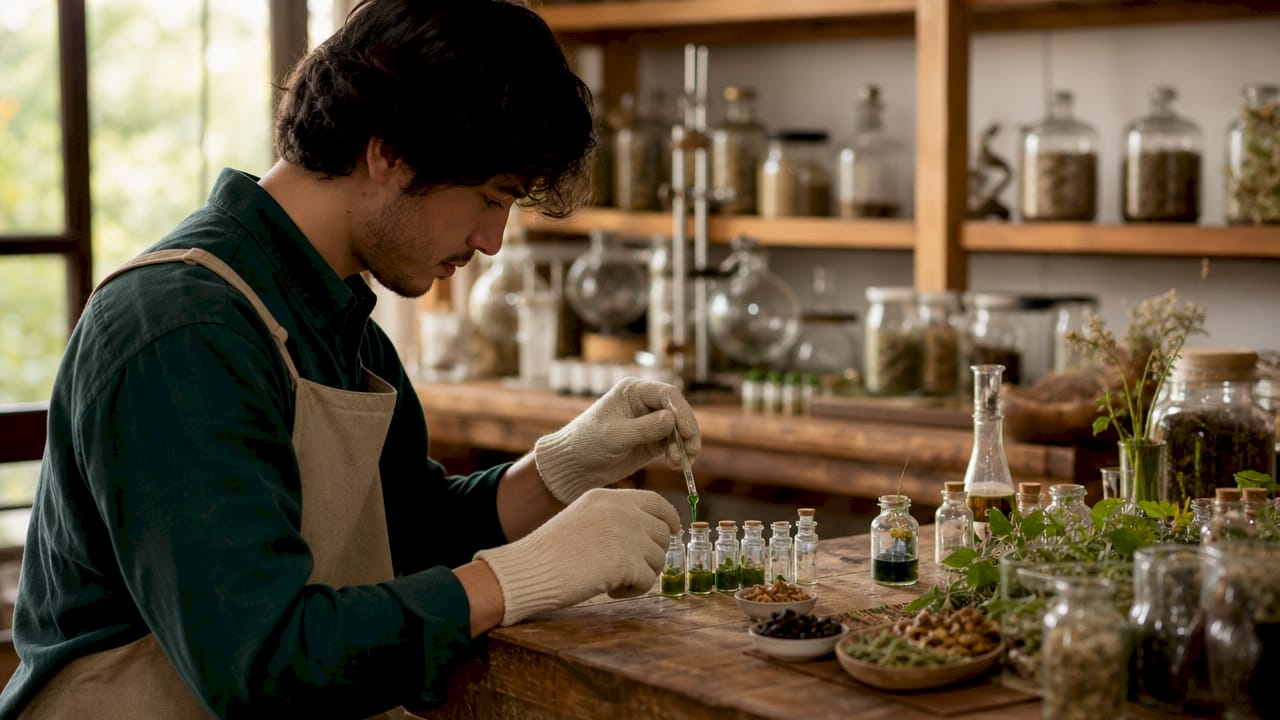
A striking example comes from Osaka researchers who developed a wild yeast strain called ADHorn49. This strain boosts ornithine content in craft beer by over 300% through conventional breeding, with no genetic modification involved. Craft beer brewed with ADHorn49 reaches 19.0 mg/liter of ornithine versus 6.1 mg/liter in standard beers after four days of fermentation. Ornithine is an amino acid linked to stress relief and sleep quality, which means this beer delivers a functional wellness benefit without a single additive.
The reason conventional breeding matters here is consumer trust. Non-GMO ingredient innovation via traditional microbial breeding allows brands to market functional enhancements without the regulatory and reputational complexity of genetic modification. That is a significant competitive advantage in a market where clean labels drive purchase decisions.
The broader trend in eco-friendly drink solutions follows a minimalist logic:
- Remove, don’t add: Reduce alcohol content or eliminate synthetic additives while preserving sensory complexity.
- Source with intention: Prioritize shade-grown, fair-trade, and organically certified ingredients that protect biodiversity.
- Use traditional techniques: Fermentation, cold-brew extraction, and natural aging create depth without artificial flavor compounds.
- Combine old and new: Pair traditional microbial resources with modern biotechnology to balance natural appeal with functional performance.
Pro Tip: When evaluating a beverage brand’s ingredient claims, look for third-party certifications like USDA Organic or Non-GMO Project Verified. These labels confirm that clean-label messaging is backed by audited sourcing, not just marketing copy.
The constraint-based approach to formulation is worth calling out specifically. Brands succeed by minimizing ingredients rather than stacking complexity, delivering cleaner beverage propositions that resonate with health-conscious readers. Less, done well, is the new premium.
How are consumer trends shaping the role of eco-innovation in beverages?
Consumer behavior is the engine driving eco-innovation forward. Readers are no longer passive recipients of whatever the beverage industry produces. They are active participants who vote with their wallets for brands that align with their values.
Here are the four most consequential shifts reshaping the innovation in the drink industry right now:
-
Wellness over intoxication. Global alcohol consumption has declined 12% since 2010. That decline has redirected product development toward functional non-alcoholic and low-ABV beverages that emphasize sensory complexity and health benefits. Low-ABV beers in the 2.9–3.8% range are gaining traction among readers who want social drinks without the next-day consequences.
-
Clean labels and sustainable packaging. Readers increasingly read ingredient lists and packaging claims before buying. Brands that cannot explain what is in their product and how the packaging is recovered lose the sale. The demand for sustainable packaging for drinks is no longer a niche preference. It is a mainstream purchase criterion.
-
Experience over volume. Gen Z in particular approaches social drinking as an experience rather than a consumption habit. A single well-crafted, aromatic, low-alcohol beverage shared with friends carries more value than a six-pack of forgettable lager. This shift rewards brands that invest in sensory quality and storytelling.
-
Functional ingredients for daily wellness. Functional non-alcoholic drinks are now engineered with adaptogens, nootropics, probiotics, and electrolytes that deliver stress relief, focus, gut health, and recovery benefits. These drinks fit specific daily occasions, from a morning focus drink to an evening wind-down ritual, making them genuinely useful rather than just trendy.
The environmental benefits of beverages designed around these trends extend beyond the drink itself. When a brand sources organic hibiscus for a herbal tea, it supports farming practices that protect soil health and reduce pesticide runoff. The cup in your hand connects to a much larger ecological story.
What challenges and future opportunities exist for eco-innovation in the beverage industry?
Eco-innovation faces real obstacles, and understanding them helps you evaluate which brands are genuinely committed versus which ones are performing sustainability for marketing purposes.
The biggest structural challenge is reverse logistics. Without reliable take-back programs and material circulation mechanisms, circular packaging fails to deliver meaningful sustainability outcomes. A refillable bottle that never gets returned is just a heavier single-use container. Building the collection, cleaning, and redistribution infrastructure requires capital investment and cross-industry coordination that many smaller brands cannot fund alone.
Regulatory and economic pressures add another layer of complexity:
- Material costs: Bioplastics and fiber-based packaging often cost more per unit than conventional plastics, squeezing margins for smaller producers.
- Regulatory fragmentation: Packaging regulations vary significantly across US states and international markets, making it difficult to design one format that works everywhere.
- Consumer education: Even motivated readers sometimes do not know how to return or recycle specialized packaging formats, reducing actual recovery rates.
- Supply chain transparency: Verifying that ingredients are genuinely organic, fair-trade, or shade-grown requires third-party auditing that adds time and cost.
The opportunities, though, are substantial. Digital innovations in eco-conscious packaging include QR codes that link to full supply chain transparency reports, giving readers the information they need to trust a brand’s claims. AI-driven personalization is beginning to shape subscription models for functional beverages, matching specific ingredient profiles to individual wellness goals. That kind of personalization, built on clean-label foundations, represents the next frontier for eco-conscious beverage brands.
Pro Tip: When assessing a brand’s sustainability claims, ask one specific question: “What happens to this packaging after I finish the product?” A brand with a real circular system will have a clear, specific answer. A brand performing sustainability will give you a vague one.
Key Takeaways
Eco-innovation in beverages creates lasting competitive advantage by combining circular packaging, clean-label ingredient design, and consumer-aligned product development into a single, coherent sustainability strategy.
| Point | Details |
|---|---|
| Circular packaging drives value | The 6 R’s framework transforms packaging from waste into a brand storytelling and loyalty asset. |
| Non-GMO ingredient innovation works | Conventional breeding techniques like ADHorn49 deliver functional benefits without GMO complexity. |
| Consumer trends set the direction | Declining alcohol consumption and demand for clean labels are reshaping the entire beverage category. |
| Reverse logistics is non-negotiable | Circular packaging only delivers real impact when take-back and recovery infrastructure exists. |
| Constraint-based design wins | Removing ingredients or reducing alcohol while preserving sensory quality is the most effective eco-formulation strategy. |
Why packaging is the most underrated part of eco-innovation
I have spent years watching beverage brands pour resources into ingredient sourcing while treating packaging as an afterthought. That is a mistake I see repeatedly, and it costs brands both environmentally and commercially.
Packaging is the first physical thing a reader touches. It communicates your values before the drink even reaches their lips. A beautifully designed refillable bottle or a fiber-based carton with a clear recycling instruction does more for brand trust than any social media campaign. The brands I respect most treat packaging as a design constraint that forces creativity, not a cost center to minimize.
The other misstep I see constantly is performative eco-innovation. A brand announces a “sustainable packaging initiative” but has no take-back program, no recycling partnership, and no way for readers to actually close the loop. That is not eco-innovation. That is marketing. Readers are getting better at spotting the difference, and the reputational cost of being caught is severe.
What actually works is embracing constraint as a creative tool. When you commit to removing an additive or reducing alcohol content, you force your formulation team to find better solutions. The ADHorn49 yeast story is a perfect example: a constraint (no GMO) produced a genuinely superior functional ingredient. The same logic applies to packaging. Limiting yourself to materials that fit a real circular system produces designs that are more durable, more beautiful, and more meaningful to your reader.
If you are building or evaluating a sustainable beverage brand, start with the question of infrastructure. Great intentions without systems are just intentions. Build the system first, then tell the story.
— LaSaundra
Ecoviberoast’s approach to eco-innovation in practice
Ecoviberoast puts these principles into practice with every product it offers. The brand’s commitment to planting mangrove trees and removing ocean-bound plastics with every purchase is the kind of infrastructure-backed sustainability that goes beyond a label claim.

The Hibiscus Berry Tea is a vivid example of eco-innovation done right. It is crafted from organic hibiscus and berries, sourced responsibly, and packaged with environmental impact in mind. The flavor is bright, tart, and genuinely satisfying, like a warm hug for both you and Mother Earth. If you want to see how Ecoviberoast translates its sustainability commitments into real-world action, the brand’s environmental impact page details every initiative, from tree planting to plastic recovery. Every sip supports something bigger than the cup.
FAQ
What is eco-innovation in the beverage industry?
Eco-innovation in beverages is the strategic use of sustainable technologies, ingredient practices, and packaging systems that reduce ecological impact while creating business value. It covers circular packaging, clean-label formulation, and consumer-aligned product design.
How does circular packaging reduce carbon footprint in beverages?
Circular packaging reduces a beverage’s carbon footprint by keeping materials in use through refill, recycling, and recovery systems, cutting the demand for virgin material production. The 6 R’s framework guides this process from design through end-of-life.
What are functional non-alcoholic beverages?
Functional non-alcoholic beverages are drinks engineered with ingredients like adaptogens, nootropics, probiotics, and electrolytes to deliver specific wellness benefits such as stress relief, focus, and gut health without alcohol.
Why is reverse logistics critical to sustainable packaging?
Reverse logistics provides the take-back and material recovery infrastructure that makes circular packaging actually circular. Without it, even recyclable or refillable packaging ends up as waste rather than re-entering the supply chain.
How does eco-labeling help readers make better beverage choices?
Eco-labels like USDA Organic and Non-GMO Project Verified give readers audited, third-party confirmation that a brand’s sustainability claims are accurate. Learning to read eco-labels helps you cut through vague marketing and choose products that genuinely align with your values.


