

TL;DR:
- Choosing sustainable green coffee packaging involves balancing barrier properties, recyclability, and environmental impact. Mono-material pouches with degassing valves currently offer the best combination of freshness and recyclability for eco-conscious brands. Accurate certification and transparent material disclosures are essential for making truly sustainable packaging choices.
Choosing the right green coffee packaging options is one of the most meaningful decisions you can make as someone who cares about both great coffee and a healthier planet. The bag your coffee lives in does far more than hold beans. It protects freshness, communicates your values, and either adds to landfill waste or helps reduce it. With new regulations like the EU Packaging and Packaging Waste Regulation reshaping the industry in 2026 and beyond, the stakes have never been higher. Here, we break down every major packaging type, what it actually does for your coffee, and how to choose wisely.
Table of Contents
- Key takeaways
- 1. Key criteria for evaluating green coffee packaging options
- 2. Jute and burlap bags: traditional eco-friendly storage
- 3. Hermetic and GrainPro bags: high-barrier reusable storage
- 4. Mono-material polyethylene pouches with degassing valves
- 5. Compostable and bio-based packaging: promising but nuanced
- 6. Comparing green coffee packaging options at a glance
- My honest take on future-proofing your packaging choices
- Discover eco-friendly coffee with packaging you can feel good about
- FAQ
Key takeaways
| Point | Details |
|---|---|
| Barrier properties matter most | Oxygen, moisture, and light all degrade green coffee, so your packaging must physically protect it. |
| Mono-material pouches lead in recyclability | Single-material PE pouches with degassing valves offer the best balance of freshness and end-of-life recyclability. |
| “Compostable” needs certification | Without BPI or EN 13432 certification, compostable bags may fragment into microplastics instead of breaking down. |
| Jute excels in transport, not storage | Jute bags are breathable and biodegradable but lack the barrier strength for long-term freshness protection. |
| Regulations are tightening fast | EU rules require 35% recycled content in plastic packaging by 2030, so future-proofing your choices now pays off. |
1. Key criteria for evaluating green coffee packaging options
Before picking a bag, you need a clear scorecard. Not every packaging format performs well across all the dimensions that matter to eco-conscious coffee lovers, so knowing what to weigh makes everything easier.
Barrier properties are your foundation. Green coffee is vulnerable to oxygen, moisture, and UV light, all of which speed up staling and strip away the aromatic complexity you love in a great cup. Look for packaging rated for oxygen transmission rate and moisture vapor transmission rate.
Freshness features are just as critical, especially for roasted coffee. One-way degassing valves let CO2 escape without letting oxygen in. Resealable closures preserve quality after opening. These aren’t just nice extras. They are genuinely protective features.
- Material sustainability: Does the packaging use post-consumer recycled content, bio-based materials, or certified compostable films? PCR materials are becoming standard in forward-thinking brands.
- Regulatory compliance: The EU PPWR mandates all packaging be designed for recycling by 2030, with plastic requiring 35% recycled content.
- Cost and scalability: Sustainable materials often cost more upfront, but bulk purchasing and supplier partnerships can bring costs down meaningfully.
- Practical usability: Does the bag work for retail shelf display? Is it easy to seal and reseal at home?
Pro Tip: When comparing sustainable coffee packaging solutions, ask suppliers for third-party test data on oxygen barrier performance. Marketing claims vary widely, but data does not.
2. Jute and burlap bags: traditional eco-friendly storage
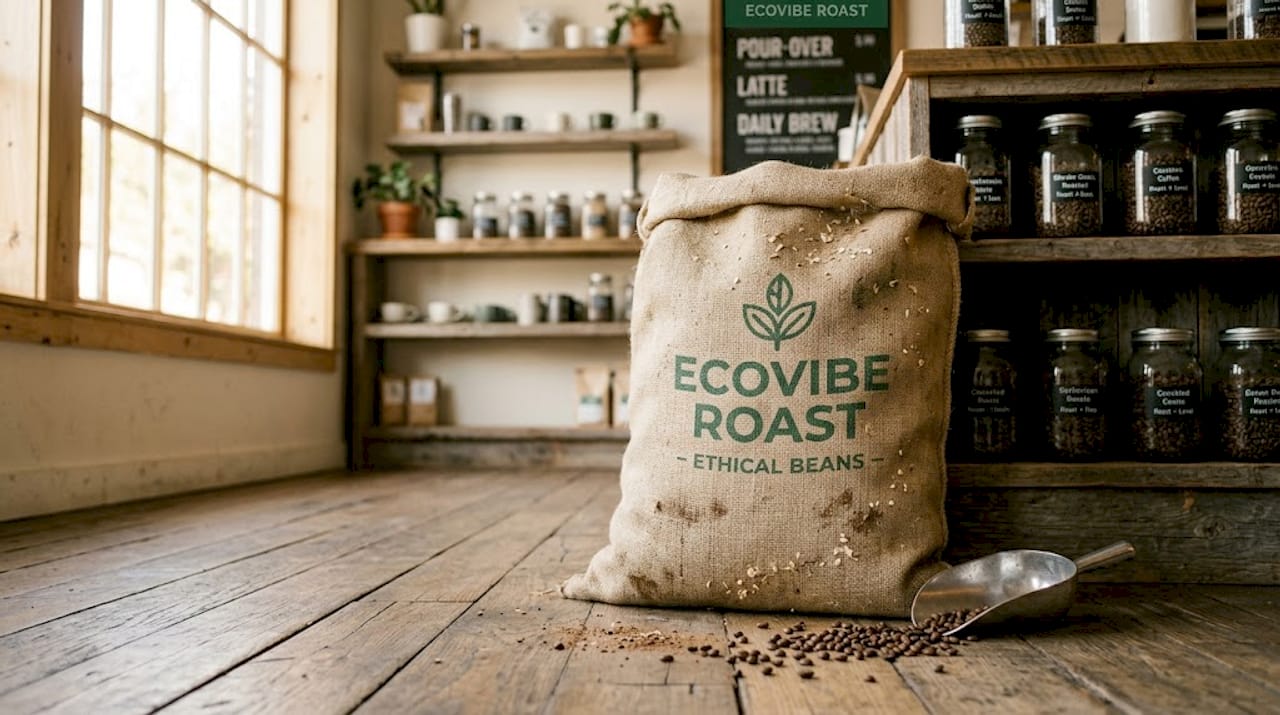
Jute bags have carried green coffee across oceans for centuries. They are made from natural plant fibers, fully biodegradable, and often reusable for multiple shipping cycles, which makes them genuinely low-impact in the right context.
The texture is rough and breathable by design. That breathability is a double-edged quality. It allows air circulation, which can prevent heat buildup during transport. But it also means jute offers almost no protection against oxygen ingress or moisture, the two biggest threats to green coffee freshness over time.
- Biodegradable and compostable at end of life with no industrial facility required
- Reusable across multiple transport cycles, reducing per-trip packaging waste
- Lacks high-barrier properties for extended freshness beyond short transit periods
- Best suited for bulk transport from origin farms, not long-term consumer storage
- Widely recognizable and beloved as a symbol of traditional, artisanal coffee sourcing
Jute still earns a place in the eco-conscious coffee world, particularly at origin. Farmers and exporters use these sacks because they are affordable, available, and do not require industrial manufacturing. Once green coffee arrives at a roastery or distribution point, though, most brands transition to higher-barrier solutions to protect quality through the final leg of its journey to your cup.
3. Hermetic and GrainPro bags: high-barrier reusable storage
If jute is the grandfather of green coffee packaging, hermetic liners and GrainPro bags are the sharp, modern upgrade. These multi-layer bags create a near-airtight seal around green coffee, blocking out oxygen, moisture, and pests without relying on refrigeration or chemical treatments.
Hermetic liners protect green coffee from moisture and oxygen significantly better than jute alone, and they extend viable storage life considerably. Specialty importers and quality-focused roasters rely on them to preserve the nuanced flavors they paid premium prices to source.
- Multi-layer film construction provides genuine oxygen and moisture barriers
- Pest resistance without pesticides, a big plus for organic and biodynamic coffee brands
- Reusable for multiple cycles when handled carefully, reducing overall plastic consumption
- Recyclable in some markets, though multi-layer films are harder to process than monomaterials
- Significantly better freshness protection than jute for storage periods beyond a few weeks
The environmental trade-off here is real. These bags use more plastic than jute, and multi-layer films are notoriously difficult to recycle. The reusability factor helps offset this, and some producers are now experimenting with monomaterial versions of hermetic liners to improve end-of-life options.
Pro Tip: If you source green coffee in GrainPro bags, consider returning cleaned bags to your importer for reuse. Several specialty coffee importers now operate take-back programs.
4. Mono-material polyethylene pouches with degassing valves
Here is where the green coffee bag types story gets genuinely exciting for eco-conscious buyers. Mono-material polyethylene pouches have quickly become the preferred format for specialty roasters who want both freshness and a clear recycling story.
The concept is straightforward. Instead of bonding multiple dissimilar plastic layers together, which makes recycling nearly impossible, mono-material pouches use a single type of plastic throughout. That means they can enter standard LDPE recycling streams without contaminating the batch.
- Monomaterial films simplify recycling and are the preferred recyclable-ready format for eco-conscious roasters
- Flat-bottom bags suit premium retail presentation; stand-up pouches work well for e-commerce shipping
- One-way degassing valves extend shelf life by up to 60% by releasing CO2 while blocking oxygen
- Compatible with custom printing for brand storytelling and eco-messaging
- These bags support shelf life up to 12 months and fit cleanly into LDPE recycling programs
The degassing valve itself deserves a closer look. After roasting, coffee releases CO2 for days. Without a valve, that gas would either burst a sealed bag or force roasters to delay sealing, which exposes beans to oxygen. Valves open at 0.5 to 1.5 psi, releasing CO2 precisely and then resealing, so your coffee stays protected from the moment it is packed to the moment you brew it.
Mono-material pouches are also the most regulation-ready option on the market today, aligning with EU PPWR recyclability requirements and making them a smart long-term investment for brands thinking past 2026.
5. Compostable and bio-based packaging: promising but nuanced
Compostable coffee bags and pods generate a lot of excitement, and it is easy to understand why. The idea of packaging that simply returns to the earth feels like the perfect solution. The reality is more layered, and understanding those layers helps you make genuinely informed choices rather than falling for a feel-good label.
Most compostable packaging uses plant-based films or bioplastics derived from corn starch, sugarcane, or PLA. These materials can biodegrade, but only under the right conditions.
“Compostable is not a straightforward label; true compostability requires strict certifications and industrial composting facilities.” packagedsustainable.com
- Look for BPI certification (North America) or EN 13432 certification (Europe) as minimum proof of genuine compostability
- Industrial composting standards require specific heat and humidity conditions absent in backyard bins
- Without proper composting infrastructure, these bags may fragment into microplastics, not soil
- Barrier performance in compostable films is improving but still lags behind conventional plastics
- Explore compostable packaging details to understand how certifications translate to real-world environmental outcomes
If your local area has industrial composting pickup or drop-off, certified compostable bags and pods are a genuinely exciting option. If not, you may be better served by a recyclable monomaterial pouch that you can actually process through existing infrastructure. Good intentions paired with the wrong system can create more harm than good.
6. Comparing green coffee packaging options at a glance
You have seen the individual options. Now let us put them side by side so you can see the full picture clearly.
| Packaging Type | Barrier Strength | Freshness Features | Sustainability | Recyclability | Relative Cost |
|---|---|---|---|---|---|
| Jute or burlap bags | Low | None | Excellent (biodegradable) | Compostable at home | Very low |
| Hermetic or GrainPro bags | High | Airtight seal | Moderate (reusable, multi-layer) | Difficult | Moderate |
| Mono-material PE pouches | High | Degassing valve, resealable | Good (PCR options available) | Yes (LDPE stream) | Moderate |
| Compostable bio-based bags | Moderate | Limited valve options | Good (certified only) | Industrial compost only | Higher |
The pattern here is clear. No single option is perfect across every dimension. Jute wins on biodegradability but loses on protection. Compostable bags win on feel-good appeal but depend heavily on infrastructure. Mono-material PE pouches with degassing valves offer the most balanced performance for most eco-conscious coffee brands and consumers right now.
Recycled-content coffee bags containing 30% to 80% post-consumer recycled material are also gaining traction, though higher recycled content can affect barrier properties. The packaging industry is moving quickly to solve this through improved film technology.
Pro Tip: When you see “eco-friendly” on coffee packaging without a certification or material claim, ask what that actually means. Genuine sustainable coffee packaging solutions are specific: they name the material, the recycling stream, or the certification body.
My honest take on future-proofing your packaging choices
By LaSaundra
I have watched the coffee packaging conversation shift dramatically over the last few years, and I want to share something that does not always make it into the standard comparison articles. The biggest mistake I see eco-conscious consumers and brands make is treating packaging as a one-time decision rather than an evolving commitment.
The regulatory ground is moving fast. EU reuse targets require 40% of flexible packaging to be reusable by 2030. That means some of today’s best options may need to be revisited within just a few years.
I have also seen a lot of greenwashing dressed up in kraft-colored bags and leaf logos. My honest advice is to push past aesthetics and ask for documentation. A real commitment to sustainable packaging trends shows up in certifications, material disclosures, and recycling instructions on the label. Gut feelings about sustainability are a start, but verified facts are what actually protect the planet.
The brands I trust most are the ones that acknowledge trade-offs openly rather than claiming to have solved everything at once. That kind of honesty is a warm hug for both your conscience and Mother Earth.
— LaSaundra
Discover eco-friendly coffee with packaging you can feel good about

At Ecoviberoast, sustainability is not an afterthought stitched onto a product. It is built into every decision, from how coffee is sourced to how it arrives at your door. Their packaging choices reflect genuine care for both coffee freshness and the planet’s health, which means you get an aromatic, rich brew without the guilt of excess waste.
If you are ready to sip your morning coffee knowing your purchase plants mangrove trees and helps remove ocean-bound plastics, start with their single-serve coffee pods for rich, convenient brewing with a lighter footprint. Or browse their full sustainable pod collection to find the format that fits your routine best. Every cup you brew is a small, joyful act of environmental stewardship.
FAQ
What are the most eco-friendly green coffee packaging options?
Mono-material PE pouches with degassing valves and certified compostable bags are currently the most eco-friendly options, with the best choice depending on your local recycling and composting infrastructure.
Do degassing valves really make a difference in coffee packaging?
Yes. Degassing valves extend coffee shelf life by up to 60% by releasing CO2 while blocking oxygen ingress, making them one of the most effective freshness tools in coffee packaging.
Are compostable coffee bags safe to put in my backyard compost?
Most certified compostable coffee bags require industrial composting facilities and will not break down properly in a home compost bin, potentially fragmenting into microplastics instead.
What does the EU PPWR regulation mean for coffee packaging in 2026?
The EU Packaging and Packaging Waste Regulation requires plastic packaging to contain at least 35% recycled content by 2030 and be designed for recycling, pushing brands toward monomaterial and recyclable formats now.
Are jute bags good for storing green coffee at home?
Jute bags are ideal for transport and short-term bulk storage but lack the barrier strength to protect green coffee from oxygen and moisture over longer periods, making them better suited for origin shipping than home use.


