

The fastest path to ethical tea drinking looks like this: buy traceable organic loose-leaf tea from suppliers who name their farms, skip anything wrapped in plastic mesh or foil-lined sachets, and treat your used leaves as compost, not trash. Each choice protects something specific: your soil, the people who picked the leaves, and the flavor sitting in your cup. Here’s the checklist to keep by your kettle.
- Buy organic, traceable loose-leaf tea. Fewer synthetic pesticides for farmworkers, richer flavor for you.
- Skip plastic teabags and pyramid sachets. Many contain polypropylene or PLA that won’t break down the way you think.
- Look for named farms or cooperatives, not vague country labels. “India” tells you nothing; “Nilgiri estate, single harvest lot” tells you everything.
- Use a reusable infuser. Stainless steel or cloth beats single-use bags every time.
- Compost your spent leaves. They’re nitrogen-rich and garden-friendly once the packaging is out of the mix.
- Ask brands hard questions. If they can’t answer who grew it, be skeptical.
Key Takeaways
Ethical tea drinking comes down to three levers working together: traceable organic sourcing, plastic-free packaging, and zero-waste brewing habits.
| Point | Details |
|---|---|
| Traceability beats badges | A named estate and harvest lot signals more than multiple unexplained certification logos. |
| Check for hidden plastic | Polypropylene and PLA appear in many “eco” teabags and often resist home composting. |
| Combine certifications with disclosure | Pair organic or Fairtrade labels with a published supplier list for real confidence. |
| Brew and compost intentionally | Reusable infusers and direct composting of spent leaves cut waste to nearly zero. |
| Choose brands with visible sourcing | Ecoviberoast sources traceable loose-leaf teas and backs each purchase with mangrove planting and ocean plastic removal. |
Table of Contents
- Why a Guide to Ethical Tea Drinking Actually Matters
- What to Look for When Buying Ethical Tea
- What Certifications Like Fairtrade and USDA Organic Really Guarantee
- Spotting Hidden Plastic in Your Tea Bags and Packaging
- Zero-Waste Brewing, Storage, and Composting Tea Leaves
- How to Verify a Brand’s Ethical Tea Claims
- What the Research Says About Organic Tea Farming
- Fair Trade, Worker Rights, and Supply Chain Transparency
- Beyond Buying: How to Advocate for Ethical Tea Practices
- How Tea Farming Affects Biodiversity and Local Ecosystems
- Water Use and Pollution in Tea Cultivation
- Ethical Tea Brands and Cooperatives Worth Supporting
- Ready to Try Sustainably Sourced Loose-Leaf Tea?
- Frequently Asked Questions
- Sources
Why a Guide to Ethical Tea Drinking Actually Matters
Conventional tea farming isn’t neutral. It leans on synthetic pesticides and fertilizers that run off into waterways, strip biodiversity from surrounding hillsides, and put farmworkers in direct contact with chemicals for hours a day. Organic and regenerative approaches change that equation. They lower pesticide exposure, protect worker safety, and improve soil health, while also building the kind of soil that holds carbon instead of releasing it.
There’s a flavor story here too, and it’s one most guides skip. Tea leaves aren’t washed during processing the way produce is, so whatever touched the plant in the field often ends up concentrated in your dried leaves. Choosing USDA Organic tea reduces your exposure to those synthetic residues, and it tends to correlate with more careful, small-batch processing overall.
Here’s what’s at stake with each cup:
- Soil and water: Conventional plantations often rely on heavy irrigation and chemical inputs that degrade watershed health over time.
- Worker health: Pesticide handling without adequate protection is a documented risk on large conventional estates.
- Flavor complexity: Soil quality directly shapes what tea growers call terroir, the same concept winemakers obsess over.
Ethical Consumer’s brand assessments found real, measurable gaps in how tea companies treat workers and the environment, with some brands scoring dramatically better than others on the same shelf. That’s not a small detail. It means your specific purchase decision, not just “buying tea” as a category, determines what you’re actually funding.
Pro Tip: Whole-leaf teas usually undergo gentler processing than the crushed, torn, and curled fragments used in mass-market bags, so they tend to carry more of the plant’s original oils, meaning better flavor with less industrial handling.
What to Look for When Buying Ethical Tea
Once you’re standing in front of a shelf or scrolling a product page, you need fast filters. Here’s what actually separates a genuinely ethical tea from one wearing the right colors on its packaging.
Start with traceability. A tea that lists an estate name, a garden, and a harvest lot is telling you something real. A tea that just says “Ceylon blend” or “product of multiple countries” is telling you almost nothing. Meaningful traceability, naming the specific estate and harvest lot, is one of the strongest practical signals you can find on a label, stronger than most badges printed next to it.
Check for smallholder and direct-trade signals. Look for language that names actual farms or cooperatives, discloses batch sizes, or mentions a specific price premium paid above market rate. Brands with genuine long-term supplier relationships tend to talk about years of partnership, not just “ethically sourced” as a slogan.
Inspect the leaf, not just the label. Whole, intact leaves that unfurl when steeped are a better sustainability and quality signal than the dust and fannings packed into most conventional bags. Dust brews fast and cheap, but it’s also usually the byproduct of processing floors optimized for volume, not care.
Here’s a shelf-side checklist you can run through in under a minute:
- Does the package name a specific estate, garden, or cooperative?
- Is there a harvest date or lot number?
- Is it certified organic, and does the seller explain what that covers?
- Does the brand publish a supplier list anywhere on its site?
- Are the leaves whole, or is it mostly dust and fannings?
- Is the packaging plastic-free or genuinely recyclable?
- Does the price seem sustainable for the claims being made?
Pro Tip: When you can’t get everything on this list, prioritize traceable organic over a product plastered with multiple weak badges. One credible, verifiable claim beats five vague ones.
Natural Hope Herbals notes that organic herbal teas typically go through a multi-year transition period before certification, which raises production costs and often shows up in retail price. That’s not a red flag. It’s usually the actual cost of doing it right, and it’s worth building into your expectations before you compare prices across brands.
What Certifications Like Fairtrade and USDA Organic Really Guarantee
Certifications are useful shorthand, but they’re not the whole story, and treating any single logo as proof of ethics is where a lot of well-meaning shoppers get misled.
USDA Organic governs farming inputs. It restricts synthetic pesticides, fertilizers, and certain fumigants, and it prohibits irradiation in processing. It says nothing directly about wages or working conditions.
Fairtrade focuses on price floors and community development premiums paid to cooperatives. It’s strong on economic protection but doesn’t guarantee organic farming or full supply-chain transparency.
Rainforest Alliance blends environmental and social criteria, though its 2020 certification program merger drew criticism from some observers who felt standards loosened in the process of combining with UTZ.
Direct Trade isn’t a regulated standard at all. It’s a sourcing model where a company builds relationships directly with growers, often paying above Fairtrade minimums, but there’s no independent body auditing the claim.
| Certification | What it typically covers | Common limitation |
|---|---|---|
| USDA Organic | Farming inputs, no synthetic pesticides | Doesn’t address wages or labor conditions |
| Fairtrade | Price floors, community premiums | Doesn’t guarantee organic practices |
| Rainforest Alliance | Environment and worker conditions combined | Standards diluted after 2020 UTZ merger, per critics |
| Direct Trade | Direct grower relationships, often higher pay | No independent auditing body |
Buying from small companies that name their smallholder suppliers, choosing organic where possible, and steering clear of plastic teabags remain some of the most reliable actions a shopper can take, according to Ethical Consumer’s brand-by-brand analysis.
Certification costs money, and that cost sometimes eats into the premium meant to reach farmers. The strongest approach combines signals: a certification plus a published supplier list plus a named farm, rather than trusting any single stamp to do all the work.
Spotting Hidden Plastic in Your Tea Bags and Packaging
This is where a lot of “eco” tea quietly fails. Many pyramid-style sachets marketed as premium or biodegradable actually contain polypropylene, used to heat-seal the bag shut, or polylactic acid (PLA), a corn-based plastic that sounds compostable but usually isn’t breakable down in a home compost bin. PLA needs industrial composting facilities that most municipalities don’t have, so “plant-based” claims on packaging can mislead well-intentioned buyers.
Here’s how to spot the problem before you buy:
- Feel the bag. A slightly glossy, heat-sealed texture usually means plastic film is involved.
- Check for the word “silk” or “nylon” on pyramid sachets, both are plastic despite the elegant naming.
- Look for a certified home-compostable logo, not just “biodegradable,” which has no enforced meaning.
- Search the brand’s FAQ or packaging page for explicit bag-material disclosure.
Avoid these outright:
- Sealed pyramid sachets with no disclosed film material.
- Laminated multilayer foil pouches that mix plastic and metal, which almost no facility can recycle.
- Teabags stapled with metal that also carry a plastic string tag.
Pro Tip: Loose-leaf tea in a simple recyclable tin or a returnable container sidesteps this entire problem, since there’s no bag construction to interrogate in the first place.
Zero-Waste Brewing, Storage, and Composting Tea Leaves
Once you’ve got the right tea, brewing and storing it well keeps waste out of your routine entirely.
Start with your brewing method guided by sustainable practices. Loose-leaf steeped directly in a teapot with a built-in strainer produces zero packaging waste. A reusable stainless steel infuser ball works for single cups and lasts years. Glass steepers let you watch the leaves unfurl, which, frankly, is part of the fun.
- Measure loose leaf directly into your infuser or pot, roughly one teaspoon per cup.
- Steep at the temperature appropriate for that tea type, cooler for green, hotter for black.
- Remove the infuser promptly to avoid bitterness, then rinse and air-dry it.
- Empty spent leaves straight into your compost bin or garden bed.
Storage matters more than most people realize. Keep tea in an airtight, opaque container away from heat and light, since exposure degrades both flavor and the beneficial compounds you’re paying for. Buy in quantities you’ll actually use within a few months rather than stockpiling.
For composting, wet tea leaves break down quickly and add nitrogen to your pile. String and paper tags usually compost fine, but check for staples or foil accents first. If a bag claims to be compostable via PLA, assume it needs an industrial facility rather than your backyard bin unless the label explicitly says otherwise.
- Best everyday infuser: a stainless steel basket that fits most mugs and teapots.
- Best for loose-leaf purists: a glass steeper that doubles as a serving vessel.
Pro Tip: Compost your leaves separately from the bag itself if you’re unsure about the bag material. That way, one uncertain component doesn’t contaminate a pile full of good organic matter.
How to Verify a Brand’s Ethical Tea Claims
Marketing copy is cheap. Verification takes about five minutes, and it separates brands that mean it from brands that are borrowing the aesthetic.
Run through this before trusting a new label:
- Search the brand’s site for a published supplier list or named farm partners.
- Look for a third-party audit or certification link that goes somewhere real, not just a logo image.
- Check whether the brand discloses any premium paid above market price to growers.
- See if batch or harvest information is available anywhere, even in customer service replies.
Red flags worth walking away from:
- Origin listed only as a country name with zero further detail.
- A cluster of certification logos with no links or explanations behind any of them.
- Words like “eco” or “natural” used repeatedly with no specifics attached.
- No response, or a vague non-answer, when you ask a direct sourcing question.
Ethical Consumer’s reporting points to a persistent transparency gap across the tea sector, tracked partly through tools like the Tea Transparency Tracker, and that gap correlates with unresolved worker-rights issues on some plantations.
Pro Tip: Send a short, specific email: “Can you tell me which estate or cooperative this tea comes from, and whether you publish a supplier list?” Vague marketing questions get vague answers. Specific ones get real ones, or silence, which is itself useful information.
What the Research Says About Organic Tea Farming
The evidence here is narrower than marketing copy suggests, but what exists points the same direction consistently. Organic spice, herb, and tea production shows reduced pesticide exposure and improved soil health, with some studies also pointing to better carbon sequestration in long-term organic systems compared with conventional plots.
- Healthier soil microbiomes correlate with more complex tea flavor, the same terroir principle USDA researchers apply to wine and coffee.
- Reduced synthetic input use lowers direct chemical exposure for farmworkers handling plants daily.
- Long-term organic management appears to build soil organic matter over years, not months.
None of this means organic automatically equals perfect. Study sizes in this specific crop category remain limited, and much of the carbon-sequestration data comes from adjacent crops rather than tea plantations directly. Treat organic certification as a strong signal, not a complete guarantee.
Pro Tip: If a brand talks about regenerative or soil-building practices beyond the organic minimum, that’s usually a sign of a supplier relationship that goes deeper than a certificate.
Fair Trade, Worker Rights, and Supply Chain Transparency
Fair trade certification addresses price, guaranteeing growers a minimum floor regardless of market swings, plus a community development premium on top. What it doesn’t automatically fix is transparency about who actually grew your tea and under what conditions on a day-to-day basis.
That’s where supply-chain disclosure becomes the more telling signal. A brand willing to publish its supplier list, name specific cooperatives, and describe multi-year relationships with growers is putting its reputation on the line in a way that a certification sticker alone doesn’t require. Ethical Consumer’s brand assessments consistently found that smaller companies naming their smallholder partners scored better on worker-rights measures than larger brands relying purely on certification badges without disclosure.
Worker rights on tea estates cover more ground than wages alone: housing conditions, access to healthcare, hours worked during harvest season, and whether pesticide handling includes proper protective equipment. These details rarely make it onto a retail package, which is exactly why transparency matters as much as certification. A step-by-step approach to ethical sourcing means treating certifications as a starting filter, then digging into whether the brand actually shows its work behind that filter.
Beyond Buying: How to Advocate for Ethical Tea Practices
Your purchase decisions matter, but they’re not the only lever available to you, and treating them as the only tool undersells your influence.
Email brands directly and ask specific sourcing questions, then notice who answers with substance versus a copy-pasted sustainability statement. Companies that get consistent, specific questions from customers tend to improve disclosure over time, since transparency requests cost them nothing to answer if the information already exists internally.
Support cooperatives and smallholder-focused importers when you find them, even if their branding is less polished than bigger names. These are often the operations paying the highest premiums directly to growers, precisely because they skip layers of middlemen.
A few concrete actions beyond your next purchase:
- Follow up with brands that don’t publish supplier information and ask why.
- Share brands that do it well with friends who are just starting to care about this.
- Support cooperative-owned tea gardens when you can find and verify them.
- Leave reviews that specifically mention sourcing transparency, not just flavor, so other shoppers see it too.
Small, repeated pressure from customers asking the same pointed questions genuinely shifts how brands prioritize disclosure. It’s slower than a purchase, but it compounds.
How Tea Farming Affects Biodiversity and Local Ecosystems
Large-scale conventional tea cultivation often replaces diverse forest ecosystems with dense monoculture rows, and that shift has consequences well beyond the plantation fence line. Fewer plant species means fewer habitats for birds, insects, and small mammals that depend on varied vegetation to survive.
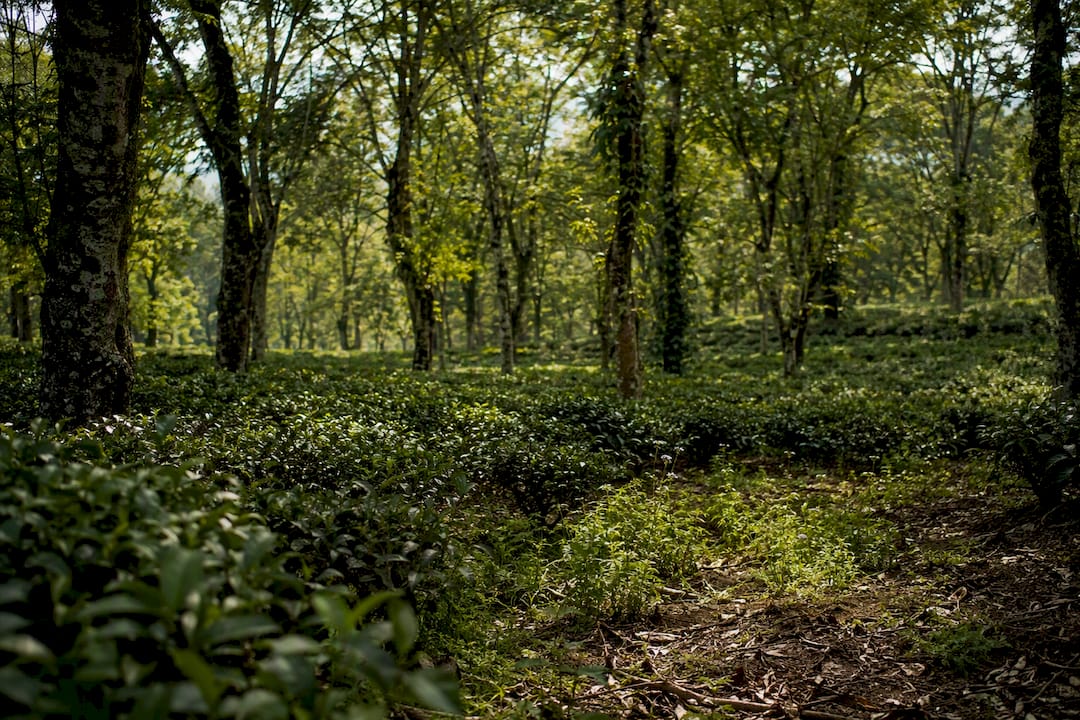
Shade-grown tea operations, by contrast, maintain a canopy of taller trees above the tea bushes, which preserves habitat corridors for wildlife while also naturally suppressing pests and moderating soil temperature. This isn’t a minor technical detail. It’s the difference between a landscape that still functions as an ecosystem and one that functions purely as an input for processing.
Pesticide and fertilizer runoff from conventional estates also affects biodiversity beyond the farm itself, contaminating nearby streams and reducing aquatic life in watersheds that local communities often depend on for drinking water and fishing. Organic and regenerative growing methods reduce this runoff considerably by cutting synthetic inputs at the source rather than trying to manage contamination after the fact.
When you choose tea grown under shade canopy or certified organic standards, you’re supporting a growing method that keeps more of the surrounding landscape intact, not just the plants directly harvested for your cup.
Water Use and Pollution in Tea Cultivation
Tea is a thirsty crop, and irrigation demands on large conventional estates can strain local water tables, particularly in regions already facing seasonal drought pressure. That strain competes directly with water needs for nearby farming communities and drinking supplies.
Pollution compounds the water problem. Chemical fertilizer and pesticide runoff from plantation slopes flows downhill into streams and rivers, introducing nitrates and synthetic compounds that degrade water quality for everyone downstream, not just the estate itself. Processing facilities add another layer, since some conventional operations discharge wastewater from washing and fermentation stages without adequate treatment.
Organic growing methods address part of this by eliminating synthetic inputs at the root, which reduces what ends up in runoff regardless of how well or poorly it’s managed afterward. Shade-grown methods also help retain soil moisture naturally, cutting irrigation demand compared to full-sun monoculture rows exposed to direct evaporation.
None of this means every organic estate manages water perfectly. But choosing tea from growers who disclose their water and waste practices, rather than staying silent on the subject entirely, is a reasonable proxy for operations paying attention to this issue at all.
Ethical Tea Brands and Cooperatives Worth Supporting
The strongest signal isn’t a brand’s marketing page, it’s whether that brand can point to specific, named cooperatives and long-term supplier relationships rather than vague sourcing language.
Look for cooperatives structured so that farmers collectively own or govern the processing and sale of their harvest, since that structure keeps more of the final sale price with the people who grew it. Smaller importers focused specifically on direct-trade relationships with named gardens tend to publish far more detail than large conventional brands, simply because transparency is core to their pitch rather than an afterthought.
EcoVibe Roast builds its tea offerings around this same principle, sourcing loose-leaf teas with an emphasis on traceability and contributing to mangrove restoration and ocean-bound plastic removal as part of its broader sustainability commitments. That combination, tea sourcing paired with active environmental restoration work, is worth looking for regardless of which specific brand you choose.
When evaluating any brand or cooperative, ask the same questions you’d ask of a certification: can they name the farm, disclose the premium paid, and show a relationship that’s lasted more than one harvest season? If the answer is yes across the board, you’ve likely found a genuinely ethical source.
A Personal Note on Prioritizing Ethical Tea Choices
I’ve spent a lot of time researching sourcing chains, and here’s what I keep coming back to: traceability beats every badge on the box. When I can’t verify everything, I prioritize a named farm and organic certification first, then worry about packaging and everything else. I’ve written more on this in a step-by-step sourcing guide if you want the deeper walkthrough.
Ready to Try Sustainably Sourced Loose-Leaf Tea?
If you’ve made it this far, you already know what to look for: traceable origins, organic certification, and packaging that doesn’t hide plastic in plain sight. Ecoviberoast built its tea lineup around exactly that standard, sourcing loose-leaf blends and contributing to mangrove planting and ocean-bound plastic removal with every order, so your cup does double duty for flavor and impact.

The Jasmine Tea is a fine loose-leaf green tea scented naturally with jasmine blossoms, a solid entry point if you’re moving away from bagged tea for the first time. If you’d rather start with an herbal option, the Hibiscus Berry Tea offers a caffeine-free, organic loose-leaf alternative that checks the same traceability and plastic-free boxes this guide has walked through. Pick whichever fits your routine, brew it loose, and compost the leaves when you’re done. That’s the whole loop, closed in one cup.
Frequently Asked Questions
What’s the single most important step in ethical tea drinking? Prioritize traceable organic loose-leaf tea from a supplier who names their farm. It covers pesticide exposure, worker conditions, and packaging waste in one decision.
Is loose-leaf tea always more ethical than bagged tea? Usually, yes, mainly because loose-leaf skips the plastic and film materials common in sealed bags and tends to use higher-grade, less processed leaves.
Do certifications like Fairtrade guarantee organic farming? No. Fairtrade addresses pricing and community premiums, not farming inputs. Check for USDA Organic separately if pesticide use is your main concern.
How do I know if a teabag contains plastic? Check for a glossy, heat-sealed texture, or search the brand’s site for explicit bag-material disclosure. Words like “silk” or “nylon” on pyramid sachets usually mean plastic.
Can I compost all tea leaves and bags? Wet tea leaves compost well at home. Paper tags and string usually work too, but PLA-lined bags typically need industrial composting facilities most home bins can’t provide.
Sources
- The Organic Center — The benefits of organic spices, herbs, and teas
- USDA
- Tea | Ethical Consumer
- How To Buy Ethical and Sustainable Tea - The Environmental Blog


