

“Caffeine-free teas” refers to two very different things wearing the same label: herbal infusions that never had caffeine to begin with, and true tea leaves that had their caffeine stripped out through processing. Once you know which is which, picking the right cup gets a lot easier.
Three main categories cover almost everything you’ll find on a shelf or in a subscription box:
- Herbal tisanes — chamomile, peppermint, hibiscus, ginger, and similar botanicals that are naturally caffeine-free because they never came from the tea plant.
- Rooibos — a South African red bush that steeps like tea, tastes warm and slightly sweet, and holds zero caffeine by nature.
- Decaffeinated true tea — green, black, or oolong tea that started with caffeine and had most of it removed through processing.
If you’re chasing sleep, reach for chamomile. If your stomach needs settling, ginger is your best friend. If you want something to sip all day like a regular tea habit, rooibos or a hearty herbal blend fits right in.
Key Takeaways
Matching the herb to your actual goal, sleep, digestion, or all-day sipping, matters more than chasing any single “best” caffeine-free tea.
| Point | Details |
|---|---|
| Know the two categories | Herbal tisanes and rooibos are naturally caffeine-free; decaf tea started with caffeine and had most removed. |
| Match herb to goal | Chamomile for sleep, ginger for digestion, rooibos or blends for all-day sipping. |
| Check the full label | Skip vague “herbal blend” products with no listed ingredients or Latin names. |
| Brew by botanical, not by habit | Rooibos handles near-boiling water and long steeps; delicate flowers need lower heat and shorter time. |
| Choose sourcing that matches your values | Ecoviberoast ties its tea and coffee sourcing to tree planting and ocean-bound plastic removal with every purchase. |
Table of Contents
- What Are the Main Types of Caffeine-Free Herbal Teas?
- Why Choose Caffeine-Free Tea for Sleep, Digestion, and Calm?
- Is Decaf Tea the Same as Caffeine-Free Tea?
- How Do You Pick the Right Caffeine-Free Tea?
- What’s the Right Way to Brew and Store Caffeine-Free Tea?
- What Are Some Easy Caffeine-Free Blends to Try at Home?
- Who’s Behind This Guide, and Why Trust It?
- The Case for Skipping Decaf Entirely
- Try Ecoviberoast’s Caffeine-Free and Sustainable Tea Options
- Frequently Asked Questions
- Sources
What Are the Main Types of Caffeine-Free Herbal Teas?
Herbal tisanes aren’t tea in the botanical sense at all. True tea, black, green, white, oolong, comes from Camellia sinensis, a single plant that naturally contains caffeine. Herbal blends skip that plant entirely, drawing instead from flowers, roots, seeds, and leaves of dozens of other botanicals. That’s why herbal teas are naturally caffeine-free: there’s simply no caffeine source in the cup to begin with.
Rooibos sits in its own category. It comes from Aspalathus linearis, a shrub grown almost exclusively in South Africa’s Cederberg region, and it brews with a body and reddish color that mimics black tea without a trace of caffeine. That resemblance makes it a smart bridge tea for anyone weaning off their afternoon black tea habit.
Here’s how the most common single-ingredient options stack up:
- Chamomile tastes floral and faintly apple-like, and it’s the classic bedtime pour.
- Peppermint is bright, cooling, and sharp, ideal after a heavy meal or as an iced summer refresher.
- Hibiscus brings a tart, cranberry-like punch and a deep ruby color that looks stunning cold-brewed.
- Ginger is spicy and warming, brewed strong when your stomach needs settling.
- Rooibos offers a mellow, slightly nutty sweetness with almost no bitterness even after a long steep.
- Fennel tastes like a soft licorice and pairs beautifully with meals as a digestive.
- Lemon balm is gentle, citrusy, and calming, often blended with chamomile for extra relaxation.
- Valerian has an earthy, almost medicinal taste and shows up in sleep blends, though it’s strong enough that a little goes a long way.
Herbal tea by the numbers: Dietitians and health writers frequently point to specific herbs for specific jobs, chamomile for winding down at night, ginger for a queasy stomach, rather than treating “herbal tea” as one interchangeable category.
Think of flavor profile and function as two separate filters. Fruity and tart bases like hibiscus and rosehip work well iced or blended with citrus. Calming herbs like chamomile and lemon balm belong in your evening rotation. Digestive herbs like ginger, fennel, and peppermint earn their spot after meals. Matching the herb to the moment, rather than grabbing whatever bag is closest, is the single biggest upgrade most tea drinkers can make.
Why Choose Caffeine-Free Tea for Sleep, Digestion, and Calm?
Reach for a caffeine-free tea when your goal isn’t a jolt of energy but a specific outcome: falling asleep faster, settling a fussy stomach, or simply staying hydrated without adding to your caffeine load for the day.
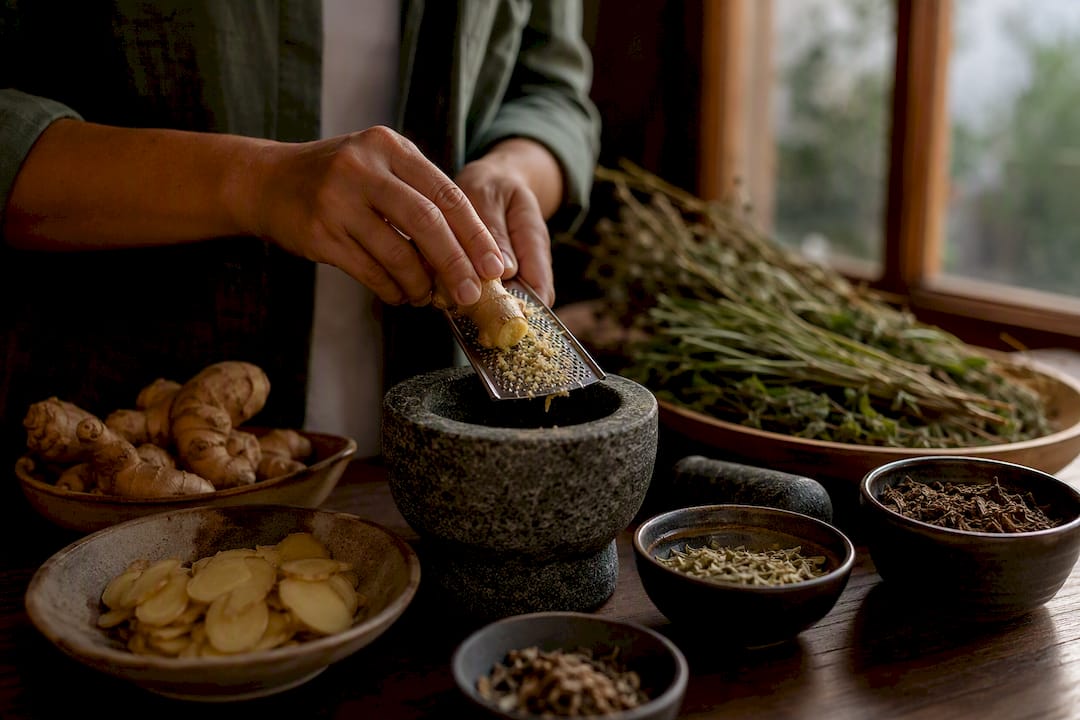
Ginger tea has real standing here. It’s commonly recommended by dietitians for gut health because it can ease occasional nausea and soothe digestive discomfort, the kind of benefit that shows up in health writing again and again, not just marketing copy. Chamomile carries similar weight for the evening slot, showing up consistently in dietitian guidance as a go-to for winding down before bed.
The caffeine question also matters more than most people realize. Green and black teas both contain real caffeine, which makes them a poor fit for a bedtime routine even when they’re marketed as “calming.” If you’re trying to build an evening ritual, an herbal option removes that risk entirely rather than just dialing it down.
Practical uses break down into a few clear buckets:
- Evening wind-down: chamomile, lavender blends, or valerian about 30 to 60 minutes before bed.
- After-meal soothing: ginger, peppermint, or fennel sipped warm once the plate is cleared.
- All-day hydration: rooibos or a mild fruit blend as a caffeine-free substitute for your usual mug.
- Social low-caffeine ritual: hibiscus or herbal chai blends served warm or iced when you want the ceremony of tea without the stimulant.
Our guide to herbal teas for sleep digs deeper into bedtime blends if that’s your main goal, and our roundup of herbal teas with real health benefits covers more evidence-backed picks beyond the two highlighted here.
Set your expectations honestly: herbal tea is a supportive habit, not a cure. If nausea, insomnia, or digestive pain persists for more than a couple of weeks despite a consistent tea routine, that’s a signal to talk with a doctor rather than reaching for a stronger blend.
Is Decaf Tea the Same as Caffeine-Free Tea?
No, and this is the mix-up that trips up more shoppers than anything else on the shelf. Decaf tea started life as real Camellia sinensis, black, green, or oolong, and had most of its caffeine removed afterward. Naturally caffeine-free tea, herbal tisanes and rooibos, never had caffeine to remove in the first place. Specialty tea retailers draw this distinction deliberately because the two categories behave differently in your body and on the label.
Decaffeination happens through a few standard methods: CO2 processing, ethyl acetate washing, or the Swiss Water Process, which uses only water and activated charcoal. Each strips out the bulk of the caffeine, but “decaf” almost never means zero. Most decaf teas retain trace amounts, typically a small fraction of what the original leaf held, which matters if you’re highly sensitive to stimulants or avoiding caffeine for medical reasons.
Decaf true tea keeps more of the tannins and flavor complexity of the original leaf than most people expect, though heavier processing can flatten some of that nuance compared to a fresh, un-decaffeinated cup. Herbal and rooibos options sidestep the whole issue since there’s no processing step removing anything.
A few safety notes are worth keeping in your back pocket:
- Trace caffeine in decaf tea can still matter for people who are pregnant, breastfeeding, or highly stimulant-sensitive.
- Certain botanicals like valerian and some concentrated herbal extracts can interact with medications or aren’t recommended during pregnancy, so check ingredient lists rather than assuming “herbal” automatically means “safe for everyone.”
- Always read the full ingredient panel, not just the front label, since blends often combine several botanicals under one appealing name.
Pro Tip: If you’re avoiding caffeine strictly for medical reasons, skip decaf altogether and stick to naturally caffeine-free herbal or rooibos options. It removes the guesswork of “how much caffeine is actually left” entirely.
How Do You Pick the Right Caffeine-Free Tea?
Choosing a good caffeine-free tea comes down to matching your goal to the ingredient list, then double-checking that the product actually delivers what the label implies. Here’s the process worth running through before you buy:
- Name your goal first. Sleep, digestion, hydration, or a calming ritual each points toward a different herb, so decide before you shop rather than after.
- Read the full ingredient list, not the front label. “Herbal blend” printed alone with no botanical names listed is a yellow flag; a trustworthy product tells you exactly what’s inside.
- Check for Latin names on single-ingredient teas. Matricaria chamomilla versus a generic “chamomile” claim tells you the seller actually knows their sourcing.
- Confirm organic or pesticide-free status if that matters to you. Herbs absorb what they’re grown in, so sourcing transparency counts here more than with some other foods.
- Verify the decaf method if you’re buying decaffeinated true tea. A brand that names its process (Swiss Water, CO2) is being straightforward about what you’re getting.
- Match flavor to your actual habits. A tea you won’t enjoy drinking is a tea that ends up back in the cupboard, regardless of its benefits on paper.
- Check sustainability and sourcing claims if they matter to your values. Look for specifics, tree planting, plastic removal, direct trade, rather than a vague “eco-friendly” sticker with nothing backing it up. Our piece on why herbal teas make sense for eco impact breaks down what real sourcing transparency looks like.
Pro Tip: Treat an unexplained Latin name or a blend with zero listed ingredients the same way you’d treat a food product with a mystery “natural flavors” line. Ask, or move on to a brand that’s willing to show its work.
What’s the Right Way to Brew and Store Caffeine-Free Tea?
Brewing herbal tea isn’t one-size-fits-all, and treating every botanical like a green tea leaf is the fastest way to end up with a flat, underwhelming cup.
Rooibos tolerates near-boiling water and a longer steep without turning bitter, which makes it far more forgiving than delicate flowers like chamomile that do best at slightly lower temperatures and a shorter steep time. Here’s a working guide:
- Chamomile: 200°F, 5 to 7 minutes.
- Rooibos: 208°F (just under boiling), 5 to 8 minutes.
- Peppermint: 208°F, 5 to 7 minutes.
- Hibiscus: 208°F, 5 to 7 minutes for a tart, deep-colored cup.
- Ginger: 208°F, 8 to 10 minutes if you want a strong, warming brew.
- Herbal blends: follow the steep time of the dominant ingredient in the mix.
For iced tea, cold-brew by adding roughly double the loose-leaf quantity to cold water and letting it sit in the refrigerator for 6 to 8 hours. Hibiscus and peppermint both shine done this way, coming out bright and refreshing without any bitterness.
Storage matters more than most tea drinkers assume. Keep loose-leaf herbal tea in an airtight tin, away from direct light and heat, and it should hold peak flavor for about six months to a year. A quick freshness check: crush a few leaves between your fingers. If the aroma is faint or dusty instead of vivid, it’s time to restock. Our step-by-step guide to eco-friendly tea preparation covers more on sustainable brewing habits if you want to take it further.
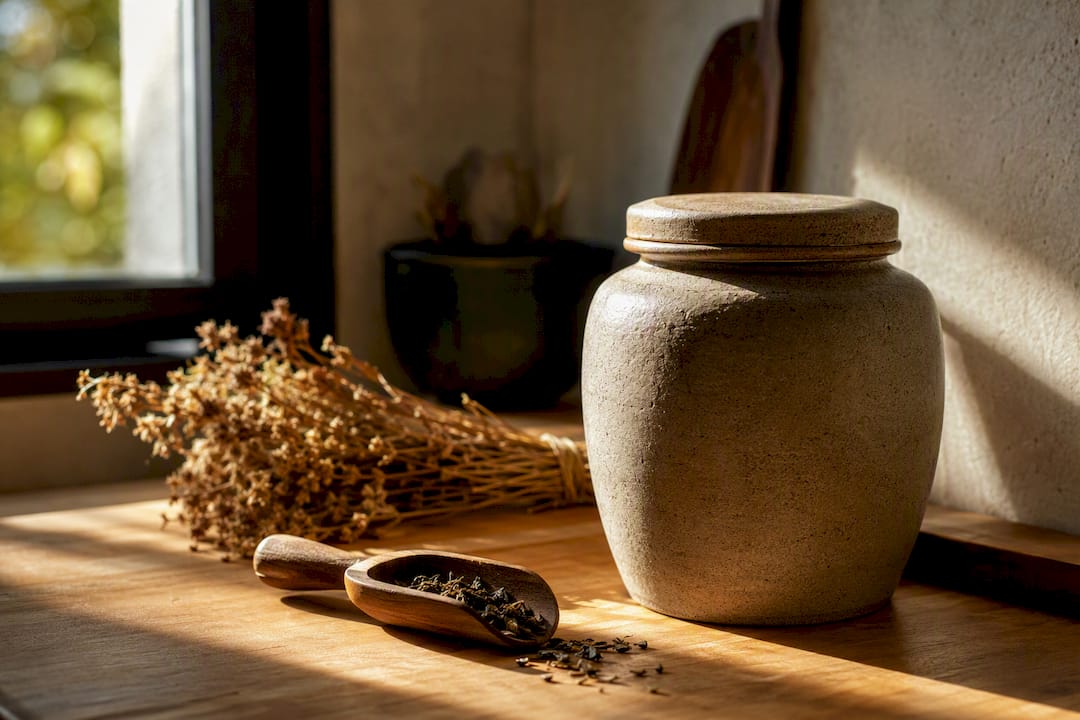
Pro Tip: Skip clear glass jars for storage even if they look pretty on a shelf. Light breaks down the delicate oils in dried flowers and herbs faster than almost anything else.
What Are Some Easy Caffeine-Free Blends to Try at Home?
Once you’ve got a few single-ingredient teas in your cupboard, blending them is the fastest way to find your personal favorite. Start with a simple two-to-one ratio and adjust from there.
- Chamomile + lavender: a classic bedtime pairing; use two parts chamomile to one part lavender buds.
- Hibiscus + orange peel: bright, tart, and citrusy, wonderful iced on a hot afternoon.
- Rooibos + vanilla: a naturally sweet, dessert-like cup that needs no added sugar.
- Peppermint + fennel: a digestive powerhouse after a heavy dinner.
- Ginger + lemon balm: warming with a calming edge, good for an unsettled stomach before bed.
If you’re growing your own botanicals, a garden-to-cup approach opens up even more blending options straight from your backyard. For a ready-made fruity option, a hibiscus berry blend delivers that tart, refreshing profile without any measuring required. Fruity drinkers should lean hibiscus and berry bases; floral fans should stick with chamomile and lavender; anyone craving warmth should build around ginger and spice.
Who’s Behind This Guide, and Why Trust It?
This guide was written by LaSaundra, drawing on dietitian-backed health sources and specialty tea references rather than guesswork.
- Every health claim in this article ties back to a named source you can check yourself, not a vague appeal to “studies show.”
- Ecoviberoast backs its tea sourcing with real environmental commitments: tree planting and ocean-bound plastic removal tied to purchases, not just a sustainability badge on the packaging.
Good tea guidance should hold up whether you check the citation or not. If a claim about sleep, digestion, or safety can’t point to a real source, it doesn’t belong in the article.
The Case for Skipping Decaf Entirely
The conventional advice treats decaf tea and herbal tea as interchangeable “caffeine-free” options, and that’s where most guides get lazy. They’re not the same product with different names. Decaf tea is processed to remove something that was there; herbal tea never had it. If you’re choosing caffeine-free tea for health reasons rather than just habit, that distinction should drive your shopping cart more than flavor preference does.
What’s overrated in most tea advice is the fixation on finding one “best” caffeine-free tea. Your gut on a bad day needs ginger. Your brain at 9 p.m. needs chamomile. Building a small rotation of two or three herbs suited to your actual life beats hunting for a single miracle blend.
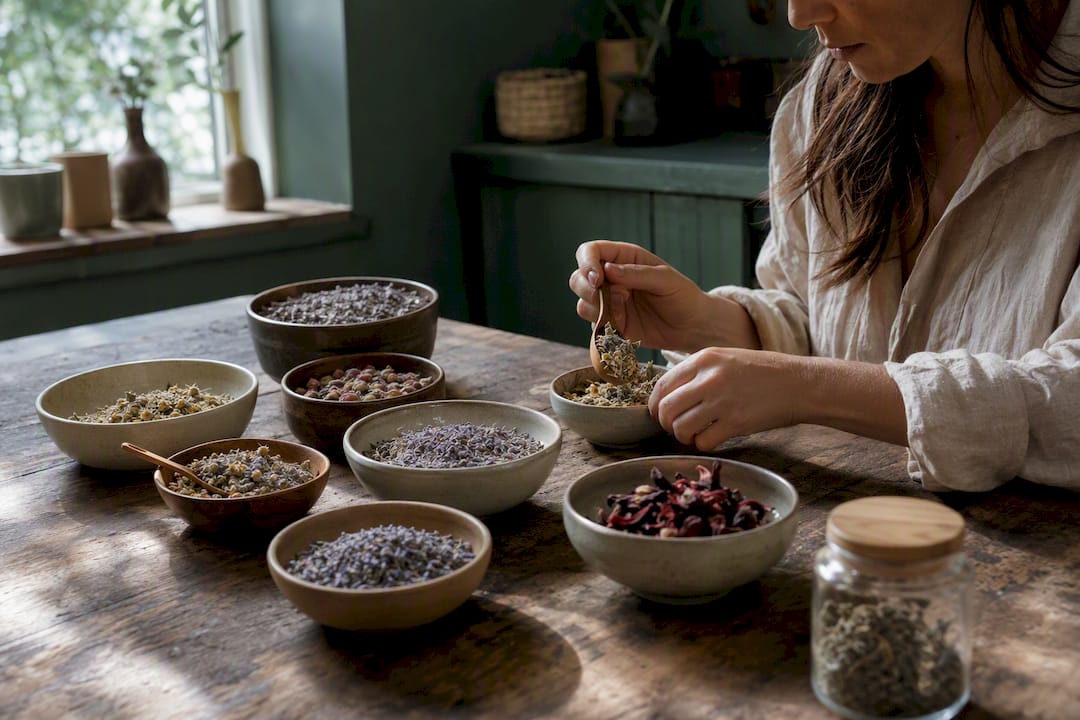
What deserves more attention is ingredient transparency. A tea company willing to name its botanicals, its sourcing, and its processing methods is telling you something real about how it operates, on flavor and on values. That’s where I’d put my attention first, before flavor, before price.
Try Ecoviberoast’s Caffeine-Free and Sustainable Tea Options
If everything above has you ready to actually stock your cupboard, Ecoviberoast built its tea lineup around the exact priorities this guide just walked through: transparent ingredients, thoughtful sourcing, and a real environmental commitment behind every bag.

Where a lot of grocery-aisle herbal blends hide behind a vague “proprietary blend” label, Ecoviberoast lists what’s actually in the tin, and backs it with sourcing practices that tie every purchase to tangible environmental action, mangrove planting and ocean-bound plastic removal among them, detailed on the environmental impact page. That’s a meaningfully different starting point than picking a random box off a shelf and hoping the ingredient list holds up.
If you’re also a coffee drinker rounding out your caffeine-free rotation with a lower-caffeine ritual elsewhere in your day, browse the single-serve coffee collection to see how the same sourcing standards apply there too. Start with a sampler, check the ingredient list for yourself, and build the rotation that actually fits your evenings, your stomach, and your standards.
Frequently Asked Questions
Naturally caffeine-free herbal teas and rooibos come as close to zero as you’ll find, since they’re never made from the caffeine-containing Camellia sinensis plant. Decaf true teas almost always retain trace amounts, even after processing.
What are the downsides of decaf tea? Decaf processing can flatten some of the flavor complexity of the original leaf, and most decaf teas still carry trace caffeine, which matters if you’re avoiding it strictly.
Is drinking caffeine-free tea every day safe? For most people, yes, though certain botanicals like valerian can interact with medications or aren’t recommended during pregnancy, so check ingredient lists on any blend you drink regularly.
Is caffeine-free tea better for digestion than caffeinated tea? Ginger and peppermint have more direct support for digestive comfort than caffeinated green or black tea, which can be harsher on a sensitive stomach for some drinkers.
What’s the difference between peppermint and ginger tea for stomach issues? Peppermint tends to ease bloating and general discomfort with a cooling effect, while ginger is the stronger choice for nausea and settling an actively upset stomach.
Sources
- The Best Tea for Gut Health, According to Dietitians
- Tea for an Upset Stomach: 9 Types to Try
- Herbal Tea Blends | Caffeine-Free Teas for Comfort & Flavor


