

TL;DR:
- Packaging innovation in tea focuses on preserving aroma, communicating brand values, and boosting sustainability. Market growth reflects the importance of packaging as a product feature, with trends emphasizing biodegradable, recyclable, and reusable materials. Smart designs and material improvements are making sustainable, high-performance packaging increasingly accessible and credible.
The role of packaging innovation in tea is to protect freshness, communicate brand values, and drive sustainability in ways that directly shape what you buy and why. The global tea packaging market was valued at USD 7 billion in 2024 and is projected to reach USD 11.5 billion by 2035. That growth reflects how central packaging has become to tea quality, brand trust, and environmental responsibility. From nitrogen-flushed foil pouches to compostable sleeves with QR codes, the materials wrapping your tea now do far more than keep it dry.
How does packaging innovation in tea preserve freshness and aroma?
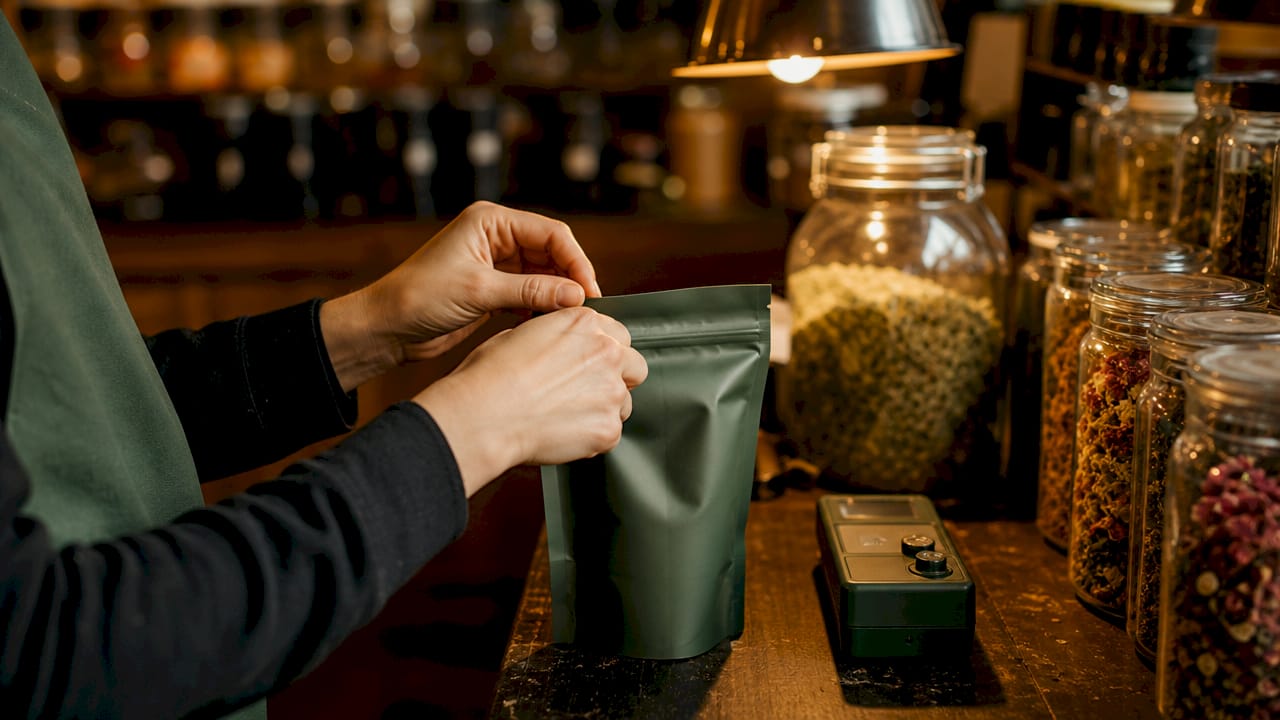
Tea aroma is fragile. Oxygen, moisture, light, and heat all degrade the volatile compounds that give your cup its character. Two technical measures define how well a package fights back: oxygen transmission rate (OTR) and moisture vapor transmission rate (MVTR). A film with a high OTR loses aroma faster, even before the printed expiry date arrives. That is why the choice of packaging material is not a cosmetic decision. It is a quality decision.
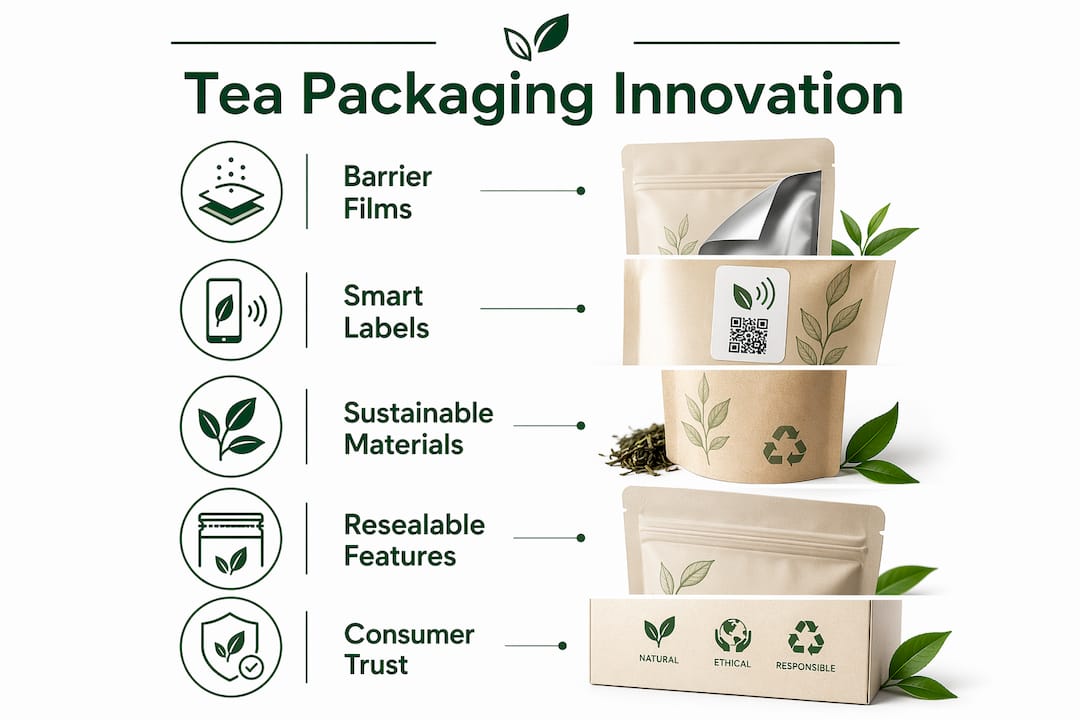
The most effective barrier materials in use today include:
- Metallized films: A thin aluminum layer blocks light and oxygen while keeping the package lightweight and flexible.
- Multi-layer laminates: Stacking materials like polyethylene, nylon, and foil creates a barrier no single film can match.
- Nitrogen flushing: Replacing the air inside a sealed pouch with nitrogen removes the oxygen that causes staling.
Nitrogen flushing works best when paired with low oxygen and moisture transmission films and minimal internal air volume. The combination extends shelf life significantly more than any single method alone.
Transparent packaging windows are a real trade-off. Brands use them to show off leaf color and texture, which builds visual appeal on the shelf. But light exposure through those windows accelerates aroma loss. Experts recommend limiting window size and using metallization on the rest of the package to compensate.
Pro Tip: When buying loose-leaf tea, look for opaque or foil-lined packaging with a resealable zipper. Those two features together signal the brand has prioritized freshness over aesthetics.
What sustainable packaging trends are shaping the tea industry?
Sustainability in tea packaging has moved from a nice-to-have to a baseline expectation. 39% of German consumers in 2026 cite sustainable packaging as a primary reason to switch tea brands. That is not a niche preference. It is a market force.
The shift is producing four clear trends:
- Biodegradable and compostable materials: Brands are replacing conventional plastic sachets with plant-based films made from PLA (polylactic acid) or cellulose. These break down in industrial composting conditions rather than sitting in landfill.
- Mono-material recyclable laminates: Single-material films like mono-PE (polyethylene) are replacing complex multi-layer structures. They offer actual recyclability rather than just a recycling symbol on the label.
- Refillable formats: Some premium brands now sell tea in reusable tins or glass jars with compostable refill pouches. This circular approach cuts packaging waste without sacrificing the premium feel.
- Upcycled and recycled-content packaging: Using post-consumer recycled materials in outer cartons and secondary packaging reduces virgin plastic demand without requiring new technology.
“Labeling a package ‘recyclable’ does not guarantee it will be recycled. Mono-material high-barrier laminates are the current best practice to improve actual recycling rates.” — Tea & Coffee Packaging: 2026 Trends
Greenwashing is a real risk in this space. Vague claims like “eco-friendly” or “green packaging” without certification or material transparency erode consumer trust fast. Brands that publish specific OTR values, composting certifications, or recycled content percentages stand out as genuinely credible. You can learn more about what eco-friendly packaging impact actually looks like in practice.
How does packaging design influence consumer trust and tea sales?
Packaging design shapes your perception of a tea before you ever open the box. The visual and tactile experience communicates quality, origin, and care. That perception directly affects purchasing decisions, which is why the impact of packaging on tea sales is measurable and significant.
| Design Element | Marketing Benefit | Freshness Risk |
|---|---|---|
| Transparent window | Shows leaf quality and color | Light exposure degrades aroma |
| Matte finish with embossing | Signals premium quality | Minimal if barrier film is intact |
| Minimalist label with origin story | Builds brand trust and transparency | None |
| QR code or NFC tag | Enables traceability and brewing guides | None |
| Resealable zipper | Communicates freshness commitment | Reduces post-open oxidation |
Smart technology is changing how packaging communicates. Twinings introduced accessible QR codes readable from over one meter away, providing audio brewing instructions for blind and partially sighted consumers. Those codes have a 7x scanning range compared to standard QR codes. That is not just a tech feature. It is a statement about who the brand believes deserves access to its products.
Smart packaging technologies like QR codes, laser perforation, and biodegradable sachets boost traceability and consumer engagement simultaneously. Premiumization is also pushing brands toward embossed designs, matte finishes, and digital printing for limited edition runs. These features signal quality without a word of copy.
What challenges exist in balancing sustainability and packaging performance?
The honest truth is that sustainable packaging and high-performance packaging are not always the same thing yet. A functionality gap exists where sustainable packaging often fails at resealing and freshness preservation, leading to real consumer dissatisfaction. Compliance with recyclability mandates does not automatically mean the package keeps your tea fresh.
The core challenges break down like this:
- Compostable films and OTR: Compostable packaging films need an OTR below 5 cc/m²/24 hr to maintain acceptable tea aroma shelf life. Many current compostable options exceed that threshold, meaning the tea loses aroma before the package is even opened.
- The recyclable vs. recycled gap: Multi-material films are technically recyclable in some facilities but end up in landfill because sorting infrastructure cannot handle them. Mono-PE laminates solve this by being processable in standard recycling streams.
- Resealing failures: Many sustainable pouches use adhesive-free closures or fold-over tops that do not create an airtight seal after opening. That defeats the purpose of a high-barrier film.
- Logistics constraints: Nitrogen flushing requires specialized filling equipment. Smaller tea brands often cannot access it, which limits their ability to match the shelf life of larger competitors.
Industry progress is real, though. Barrier compostable films are improving, and mono-material laminates are becoming more accessible to mid-sized brands. The sustainability trends shaping 2026 show the gap is closing, even if it has not closed yet.
Pro Tip: Check for a composting certification logo like BPI (Biodegradable Products Institute) or TÜV Austria on tea packaging. A logo means the material has been independently tested, not just self-declared by the brand.
How is the global tea packaging market evolving?
The tea packaging market is growing because packaging itself has become a product feature, not just a container. The market is projected to reach USD 11.5 billion by 2035 at a 4.6% compound annual growth rate. That pace reflects premiumization, sustainability regulation, and the rising consumer expectation that packaging tells the truth about what is inside.
| Market Indicator | Value |
|---|---|
| Market size in 2024 | USD 7 billion |
| Projected market size by 2035 | USD 11.5 billion |
| Compound annual growth rate | 4.6% |
| Key growth drivers | Premiumization, sustainability mandates, smart packaging |
Premiumization is pushing advanced packaging features like embossed designs, matte finishes, and smart labeling into mainstream tea products. What was once reserved for luxury gift tins is now appearing on everyday loose-leaf pouches. Regulatory pressure is also accelerating change. Extended producer responsibility laws in the EU and UK are forcing brands to redesign packaging for end-of-life recyclability, not just shelf appeal.
For you as a consumer, this evolution means more information on the package, better freshness protection, and clearer sustainability credentials. The brands winning market share are those treating packaging as a promise, not just a wrapper. Ecoviberoast’s approach to sustainable packaging in beverages reflects exactly this shift.
Key Takeaways
Packaging innovation in tea protects aroma through barrier materials, builds consumer trust through design and technology, and advances sustainability through mono-material laminates and compostable films.
| Point | Details |
|---|---|
| Barrier materials protect freshness | OTR and MVTR ratings determine how long tea retains its aroma after sealing. |
| Sustainability is now a purchase driver | 39% of German consumers in 2026 cite sustainable packaging as a reason to switch brands. |
| Recyclable does not mean recycled | Mono-material laminates like mono-PE are the best current option for actual recycling. |
| Smart packaging builds trust | Accessible QR codes and NFC tags improve traceability and consumer inclusivity. |
| Market growth signals rising stakes | The tea packaging market is projected to reach USD 11.5 billion by 2035 at 4.6% CAGR. |
My honest read on where tea packaging is headed
I have watched the tea packaging conversation shift from “does it look good on the shelf” to “does it actually do what it claims.” That is a meaningful change, and it is long overdue.
The part that still frustrates me is the gap between sustainability marketing and material reality. Brands slap a leaf icon on a pouch and call it eco-friendly, but the film inside has an OTR that would make a packaging engineer wince. Consumers are getting sharper about this, which is good. But the education burden should not fall entirely on the buyer.
What gives me genuine optimism is the direction of material science. Barrier compostable films are improving every year. Mono-material laminates are becoming cost-accessible for smaller brands. And smart packaging, the kind Twinings is doing with accessible QR codes, shows that technology can serve real human needs rather than just adding a gimmick.
My practical advice: treat the packaging as part of the product evaluation. Look for resealable closures, opaque or foil-lined construction, and third-party composting certifications. A brand that invests in those details is almost always investing in the tea inside too. Future packaging will likely include data-backed quality indicators, things like quantifiable flavor profiles and harvest traceability, rather than vague storytelling. That future is closer than most people realize.
— LaSaundra
Fresh, sustainable tea worth the packaging it comes in
If you care about what wraps your tea as much as what is inside it, Ecoviberoast has built its entire tea selection around that same standard.

Ecoviberoast’s Hibiscus Berry Tea and Jasmine Tea are packaged with freshness and environmental responsibility in mind, reflecting the same values this article covers. Every purchase also supports Ecoviberoast’s commitment to planting mangrove trees and removing ocean-bound plastics. That means your cup of tea does a little good for the planet before you even brew it. Good tea and good packaging should go hand in hand, and at Ecoviberoast, they do.
FAQ
What is the role of packaging innovation in tea?
Packaging innovation in tea protects freshness by blocking oxygen, moisture, and light, while also communicating brand values and sustainability commitments to consumers.
Why does tea lose its aroma before the expiry date?
Tea loses aroma when packaging films have a high oxygen transmission rate. Compostable films with an OTR above 5 cc/m²/24 hr allow aroma compounds to escape before the tea is even opened.
What makes tea packaging truly sustainable?
Truly sustainable tea packaging uses mono-material laminates or certified compostable films, carries third-party certification like BPI or TÜV Austria, and avoids vague “eco-friendly” claims without material evidence.
How does packaging design affect tea sales?
Packaging design directly influences purchasing decisions by signaling quality, origin, and brand trust. Features like matte finishes, origin stories, and accessible QR codes increase consumer confidence and engagement.
What tea packaging trends matter most in 2026?
The most significant tea packaging trends in 2026 are the shift to mono-material recyclable laminates, the rise of accessible smart packaging like AQR codes, and growing consumer demand for verified sustainability credentials.
Recommended
- Sustainable packaging in beverages: eco-conscious guide 2026 – EcoVibe Roast
- Top tips for eco-conscious tea selection in 2026 – EcoVibe Roast
- Sustainability trends 2026: Smarter, greener choices for coffee & tea – EcoVibe Roast
- Sustainable tea checklist: essential steps for eco-conscious drinkers – EcoVibe Roast


