

You care deeply about what goes into your cup and what your purchase does for the planet. But standing in the tea aisle or scrolling through an online shop, you’ve probably felt that familiar frustration: so many labels, so many claims, and no easy way to know which ones actually mean something. Greenwashing is real, and even the most eco-savvy shoppers can get tripped up by vague buzzwords. The good news? With a clear, practical checklist, you can cut through the noise and choose teas that genuinely support the environment, fair wages, and thriving communities. Let’s walk through exactly how to do that.
Table of Contents
- What makes tea sustainable? Key criteria to check
- How tea certifications verify eco and ethical claims
- Beyond certification: Making sense of direct trade and smallholder teas
- Your sustainable tea checklist: Step-by-step for smart buying
- Common pitfalls and smart solutions for sustainable tea buyers
- Why demanding transparency changes the tea industry for good
- Explore delicious teas that check every sustainability box
- Frequently asked questions
Key Takeaways
| Point | Details |
|---|---|
| Certifications matter | Look for Rainforest Alliance, Fairtrade, Organic, and ETP to verify ethical and environmental standards. |
| Go beyond labels | Pair certifications with transparent sourcing, direct trade, and community impact checks for full assurance. |
| Use a smart checklist | Follow a step-by-step checklist and confirm details to make informed, sustainable tea choices every time. |
| Watch for greenwashing | Beware of vague claims and mass balance labeling; seek brands that provide real sourcing data. |
What makes tea sustainable? Key criteria to check
Before you can evaluate any tea, you need to know what you’re actually looking for. Sustainability in tea isn’t just one thing. It’s a combination of environmental care, fair treatment of workers, community investment, and honest communication from brands.
Here are the core criteria to build your checklist around:
- Environmental impact: How is the tea farmed? Look for shade-grown practices, minimal chemical use, healthy water management, and biodiversity protection on the farm.
- Fair wages and labor rights: Workers throughout the supply chain deserve safe conditions and fair pay. This is non-negotiable for truly ethical tea.
- Community support: Does the company reinvest in local communities? A social premium or local development fund is a strong positive sign.
- Transparency: Can you trace where your tea came from, when it was harvested, and how it was processed? Brands that share this information openly are worth your trust.
- Certifications: Labels like Rainforest Alliance, Fairtrade, Organic, and Ethical Tea Partnership are a helpful starting point. Sustainable tea checklists prioritize certifications like these to verify environmental protection, fair wages, and labor rights. But certifications are a filter, not a final answer.
Pro Tip: Start your checklist with certifications, but always dig deeper. Check the brand’s website for sourcing stories, impact reports, and community engagement. Our eco-conscious tea tips can help you go further, and exploring eco tea product benefits gives you a fuller picture of what responsible choices look like in practice.
How tea certifications verify eco and ethical claims
Once you understand the criteria, certifications provide a practical first filter for your checklist. Think of them as a shortcut, though not a perfect one. Here’s what the major labels actually cover.
| Certification | Environmental focus | Labor rights | Community benefit |
|---|---|---|---|
| Rainforest Alliance | Strong | Improved | Moderate |
| Fairtrade | Moderate | Strong | Strong (social premium) |
| Organic | Strong (no synthetics) | Not covered | Not covered |
| Ethical Tea Partnership | Moderate | Strong | Moderate |
Rainforest Alliance is one of the most recognized labels in tea. Certified tea farms use fewer chemicals, better treat workers, protect soil, and recycle waste, supporting nearly 1 million tea farmers worldwide. That’s a meaningful reach.
Fairtrade focuses on economic justice. It guarantees a minimum price for farmers and provides a social premium for communities, which can fund schools, healthcare, and infrastructure. It’s especially powerful for labor rights.
Organic certification bans synthetic pesticides and fertilizers, which is great for soil and biodiversity. But here’s the catch: organic doesn’t cover social standards like wages or worker treatment. Pairing it with Fairtrade gives you a much more complete picture.
Ethical Tea Partnership (ETP) works across the industry to improve sustainability practices, focusing heavily on labor conditions and supply chain transparency.
The bottom line? No single label covers everything. When you see multiple certifications on a package, that’s a genuinely encouraging sign. For a deeper look at what ethical tea enjoyment really means, and how ethical tea sourcing works in practice, it’s worth doing a little extra research before you buy.
Beyond certification: Making sense of direct trade and smallholder teas
But certifications aren’t everything. Many of the most ethical teas come from small farms or direct trade options that simply can’t afford the cost of third-party certification. That doesn’t make them less sustainable. It just means you need to look a little differently.
Direct trade prioritizes transparency and freshness by connecting the buyer directly with the farm. You get a clear line of sight into how the tea was grown, who picked it, and what they were paid. That kind of relationship is hard to fake.
Small farms may lack costly certifications but practice sustainability through direct relationships, careful land stewardship, and genuine community ties. The absence of a label doesn’t mean the absence of values.
Here’s what to look for when evaluating uncertified teas:
- Farm location and name: Can the brand tell you exactly where the tea was grown?
- Harvest year and season: Fresh, traceable tea is a good sign of an engaged supply chain.
- Worker treatment details: Does the brand share information about wages or working conditions?
- Amount paid to farmers: Transparency here signals real commitment.
Ask sellers directly for batch traceability or proof of a farm-to-cup relationship. A brand that can answer these questions confidently is one worth supporting.
Pro Tip: When in doubt, email customer service. A quick, detailed response about sourcing is one of the best indicators of genuine transparency. Brands that value transparency in sourcing will be happy to share, and understanding responsible sourcing benefits helps you see why this matters so much.
Your sustainable tea checklist: Step-by-step for smart buying
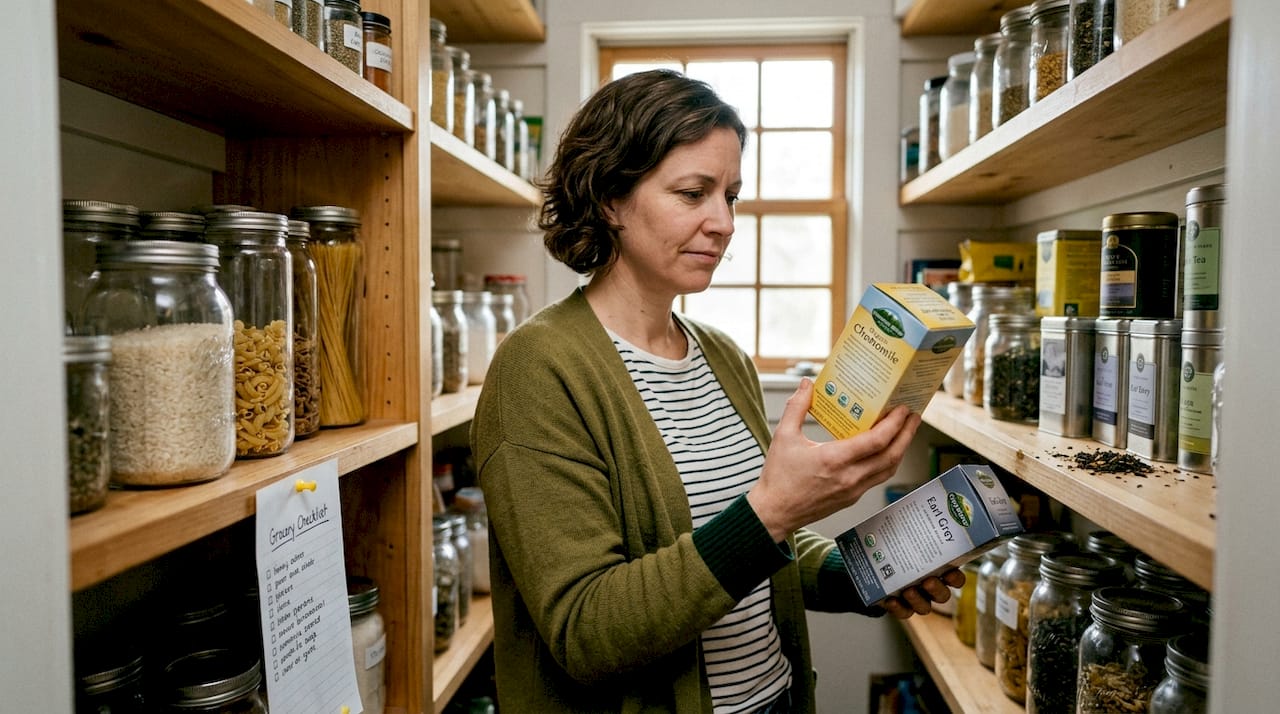
Let’s bring it all together with a checklist you can use in-store or online. Whether you’re browsing a farmers market or an e-commerce site, these steps keep your values front and center.
- Check for certifications and verify them using the full certification number on official websites.
- Research the origin of the tea. Look for country, region, and ideally the farm name.
- Check the harvest season to confirm freshness and traceability.
- Review the processing method to understand environmental impact.
- Look for direct trade or smallholder sourcing as a sign of genuine relationships.
- Read the brand’s impact report or sourcing story if available.
- Contact the brand if key information is missing. Their response tells you a lot.
Here’s a quick reference table to use while shopping:
| Checklist item | What to look for |
|---|---|
| Certifications | Rainforest Alliance, Fairtrade, Organic, ETP |
| Origin | Country, region, farm name |
| Harvest info | Season and year |
| Labor standards | Fair wages, safe conditions |
| Community investment | Social premium, local programs |
| Transparency | Sourcing story, impact report |
| Direct trade | Farm-to-cup relationship |
Key checklist steps include verifying certifications with full numbers on official sites, examining leaf quality, origin, harvest season, and processing, and preferring direct trade for transparency and freshness. Pair this checklist with our eco tea brewing steps and explore the eco-friendly tea benefits you’re supporting with every mindful purchase.
Common pitfalls and smart solutions for sustainable tea buyers
Armed with your checklist, it’s equally important to steer clear of common traps and take action when something’s unclear. Even well-meaning shoppers can fall for tactics that look sustainable on the surface but don’t hold up under scrutiny.
- Not all labels mean the same thing. Some certifications have loopholes or cover only part of the supply chain. Always check what a specific label actually certifies.
- Mass balance labeling is a real concern. Mass balance allows mixing certified and uncertified tea while still labeling the product as certified. This means your “certified” tea might contain a blend of both. Look for brands that go beyond mass balance and offer full traceability.
- Greenwashing is everywhere. Vague phrases like “eco-friendly” or “sustainably inspired” without specific proof are red flags. Ask for details, certifications with numbers, and sourcing documentation.
- Missing supplier data is a warning sign. If a brand can’t tell you where its tea comes from, that’s a problem. Transparency should be easy to find, not hidden.
Pro Tip: Use your checklist for every purchase, including online subscriptions. It’s easy to set and forget a recurring order, but your standards shouldn’t take a break. Also check out our guide to sustainable tea packaging to make sure the whole product, not just the tea inside, aligns with your values.
Why demanding transparency changes the tea industry for good
Here’s something we believe strongly: certifications are a starting point, not a finish line. The real transformation in the tea industry happens when you ask hard questions and expect honest answers.
When you demand transparency from brands and support direct trade and smallholders over labels alone, you’re pushing the entire industry toward better practices. Brands notice when customers ask about sourcing, request impact reports, and choose products based on real evidence rather than pretty packaging.
The brands that disclose farm relationships, share worker wage data, and publish annual impact reports aren’t doing it out of obligation. They’re doing it because informed customers like you made it the expectation. That’s genuinely powerful.
So don’t be shy about emailing a brand to ask where their Darjeeling comes from or what percentage of the purchase price reaches the farmer. Most brands respond well to educated, engaged consumers, and that kind of pressure reshapes industry norms over time. You can choose eco-friendly tea with confidence when you know you’ve done the work. And the more of us who do, the better the whole industry becomes.
Explore delicious teas that check every sustainability box
For those seeking teas that make ethical shopping easy, check out these sustainable favorites from EcoVibe Roast.

At EcoVibe Roast, we’ve done the sourcing homework so you don’t have to start from scratch. Our teas highlight direct sourcing, eco certifications, and real labor impact, and you can review our transparency details before you buy. The aromatic Hibiscus Berry Tea and the delicate Jasmine Tea are two favorites that deliver both delight and peace of mind. Every purchase also supports our environmental impact initiatives, including planting mangrove trees and removing ocean-bound plastics. Bring your checklist when you browse. We think you’ll like what you find.
Frequently asked questions
What are the top certifications for sustainable tea?
Rainforest Alliance, Fairtrade, Organic, and Ethical Tea Partnership are the key certifications to seek for eco and ethical assurance, each covering different aspects of sustainability.
Is Organic certification alone enough for sustainable tea?
No. Organic guarantees no pesticides but doesn’t ensure fair worker treatment or economic benefits, so combining it with Fairtrade gives you a far more complete ethical picture.
How can I verify if a tea’s certification is real?
Find the full certification number on the packaging and visit the official certification body’s website to confirm it’s legitimate and current.
Are small farms without certificates still sustainable?
Absolutely. Many small farms practice excellent sustainability but can’t afford third-party certification, so look for direct trade relationships and transparent sourcing as your guide.
Why does mass balance labeling matter in tea?
Mass balance lets brands blend certified and uncertified teas under a certified label, so always check for full traceability and don’t hesitate to ask brands for more sourcing details.


