

Choosing tea that truly benefits both your health and the environment requires more than scanning attractive labels. With countless options claiming sustainability, how do you identify teas that deliver genuine ecological and wellness advantages? This guide walks you through the measurable benefits of eco-friendly teas, from soil health improvements to reduced pesticide exposure, helping you make informed choices that support both your wellbeing and planetary stewardship. You’ll discover specific criteria to evaluate sustainable teas and understand exactly how your cup can contribute to positive environmental and social impact.
Table of Contents
- Key takeaways
- How eco-friendly practices improve soil health and tea quality
- Health advantages: reduced pesticide residues and better functional compounds
- Environmental benefits: reducing emissions and improving carbon sequestration
- Ethical sourcing: supporting workers, communities, and sustainability
- Comparing eco-friendly teas: making informed choices for your cup and conscience
- Explore sustainable tea and coffee choices at EcoVibe Roast
- Frequently asked questions
Key Takeaways
| Point | Details |
|---|---|
| Soil health boosts yield | Long term organic fertilizer substitution increases soil fertility, microbial diversity, nutrient cycling, and ultimately tea yield and quality while reducing soil acidity. |
| Leaf quality improves | Healthy soil supports higher catechin antioxidants and amino acids, enhancing flavor and functional compounds in tea leaves. |
| Lower pesticide residues | Organic options have significantly lower pesticide residues compared with conventional teas, reducing exposure and potential health risks. |
| Ethical sourcing benefits workers | Choosing teas from estates with fair labor practices supports workers and communities and aligns with social sustainability goals. |
How eco-friendly practices improve soil health and tea quality
Sustainable tea cultivation transforms the foundation of quality by fundamentally improving soil conditions. Long-term organic fertilizer substitution enhances tea yield and quality while simultaneously boosting soil fertility and microbial diversity. This approach reduces soil acidity, a common problem in conventional tea plantations that limits nutrient availability and plant health.
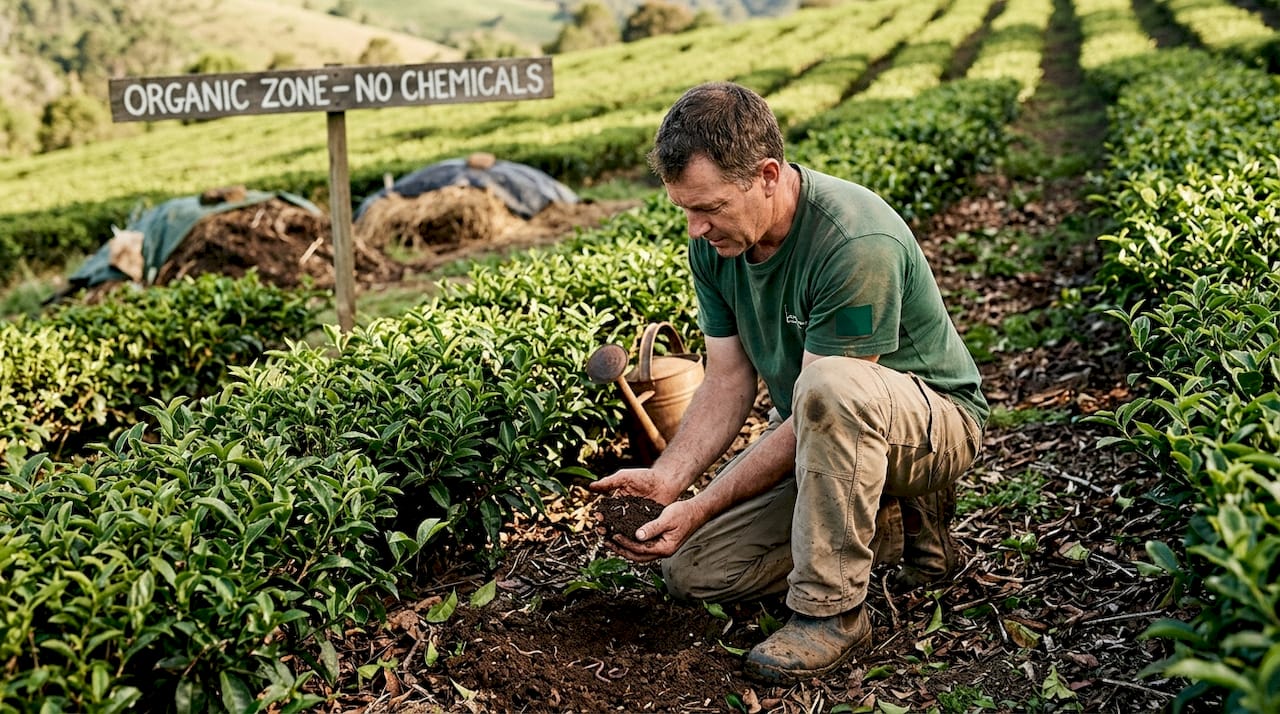
Organic farming methods create thriving underground ecosystems. Beneficial microbes break down organic matter into nutrients plants can absorb, while diverse microbial communities protect tea plants from pathogens naturally. These invisible workers improve soil structure, allowing better water retention and root development. The result is healthier plants that produce leaves with superior flavor profiles and functional compounds.
Soil pH balance plays a critical role in tea quality. Optimal levels between 4.5 and 5.5 allow tea plants to access essential nutrients efficiently. Organic practices help maintain this ideal range by avoiding synthetic inputs that can drastically alter soil chemistry. Enhanced soil enzyme activity further supports nutrient cycling, creating a self-sustaining system that requires fewer external inputs over time.
The quality improvements extend directly to your cup. Tea leaves grown in healthy, balanced soil contain higher levels of catechins, the powerful antioxidants responsible for many health benefits. Amino acid content also increases, contributing to the smooth, umami-rich flavors that distinguish premium teas. These compounds develop naturally when plants aren’t stressed by chemical inputs or depleted soils.
Key soil health benefits:
- Increased microbial diversity protects plants from disease naturally
- Improved nutrient cycling reduces need for external fertilizers
- Better water retention supports plants during dry periods
- Enhanced root development leads to stronger, more resilient plants
- Higher organic matter content improves soil structure long term
Pro Tip: Look for teas from estates that practice composting and cover cropping. These specific techniques signal serious commitment to soil health and typically correlate with superior leaf quality.
Understanding how eco-friendly tea benefits extend from soil to cup helps you appreciate the complete value chain. When you choose organic options, you’re supporting farming systems that regenerate rather than deplete natural resources.
Health advantages: reduced pesticide residues and better functional compounds
The safety profile of your daily tea matters more than most people realize. Conventional tea contains median 17 times higher pesticide residues than organic alternatives, significantly lowering contamination risk when you choose eco-friendly options. Multiple pesticide residues commonly appear in conventional samples, creating potential cumulative exposure concerns that organic certification helps you avoid.
Pesticide contamination isn’t just a theoretical worry. These chemical residues can accumulate in your body over time, potentially interfering with hormonal systems and cellular function. Young children, pregnant women, and individuals with compromised immune systems face heightened vulnerability. Switching to organic teas eliminates this daily exposure route, providing peace of mind alongside your morning ritual.
Beyond safety, organic farming increases tea functional components such as catechins and amino acids. These compounds deliver the antioxidant power and cognitive benefits tea drinkers seek. Catechins, particularly epigallocatechin gallate, have been studied extensively for their potential to support cardiovascular health, metabolic function, and cellular protection against oxidative stress.
Amino acids like L-theanine contribute to tea’s unique ability to provide calm alertness. This compound works synergistically with caffeine to enhance focus without jitters, explaining why tea drinkers often report smoother energy compared to coffee. Organic cultivation methods that prioritize plant health naturally boost these beneficial compounds, making each cup more functionally potent.
Health advantages of eco-friendly teas:
- Dramatically lower exposure to synthetic pesticides and herbicides
- Higher antioxidant capacity from increased catechin concentrations
- Enhanced amino acid profiles support cognitive function and relaxation
- Reduced risk of hormonal disruption from chemical residues
- Better overall nutrient density in leaves
“Choosing organic tea isn’t just about avoiding chemicals. It’s about selecting a product grown in conditions that naturally enhance the very compounds that make tea beneficial in the first place. The health advantages compound over time with regular consumption.” — Nutrition researcher specializing in beverage bioactives
For practical guidance on selecting the healthiest options, explore eco-conscious tea selection tips that help you navigate labels and certifications effectively. Your daily tea choice becomes a simple way to reduce toxin exposure while maximizing functional benefits.
Environmental benefits: reducing emissions and improving carbon sequestration
Climate impact extends beyond carbon footprints to include potent greenhouse gases like nitrous oxide. Organic tea production reduces N2O emissions compared to chemical fertilizers, lowering overall greenhouse gas flux in tea soils. This matters because nitrous oxide has roughly 300 times the warming potential of carbon dioxide, making even small reductions significant for climate mitigation.
Conventional synthetic nitrogen fertilizers trigger microbial processes that release nitrous oxide. Organic alternatives like compost and green manures provide nitrogen in forms that minimize these emissions. The soil microbiome processes organic inputs differently, supporting plant nutrition without the explosive gas releases associated with synthetic sources. This fundamental difference makes organic systems inherently more climate friendly.
Tea cultivation increases soil organic carbon over time, particularly in long-established plantations. Mature tea plants develop extensive root systems that deposit carbon deep in soil profiles. Combined with organic matter additions from mulching and composting, these systems actively pull carbon from the atmosphere and store it underground for decades. Your tea choice can literally support carbon removal.
| Farming Practice | N2O Emissions (kg/ha/year) | Soil Carbon Increase (tons/ha over 20 years) |
|---|---|---|
| Conventional Chemical | 8.2 | 2.1 |
| Organic Substitution | 3.7 | 5.8 |
| Long-term Organic | 2.9 | 8.4 |
The data reveals substantial differences in environmental performance. Organic systems cut nitrous oxide emissions by more than half while nearly quadrupling carbon sequestration rates. These benefits accumulate over time, making long-established organic estates particularly valuable for climate action. Each cup from such sources supports measurably lower atmospheric greenhouse gas concentrations.
Pro Tip: When possible, choose teas from estates that have maintained organic practices for 15 years or more. These long-term operations deliver maximum carbon sequestration benefits and demonstrate proven commitment to environmental stewardship beyond marketing trends.
Understanding why to support eco-friendly tea to cut carbon helps you see your beverage choices as climate action. The cumulative impact of consumer demand for low-emission products drives broader agricultural transformation.
Ethical sourcing: supporting workers, communities, and sustainability
Behind every cup of tea are people whose livelihoods depend on fair treatment and safe working conditions. Ethical sourcing ensures worker fair wages and safety alongside community benefits and environmental gains. Certifications like Fairtrade and Rainforest Alliance establish minimum standards that protect vulnerable agricultural workers from exploitation while promoting long-term community development.
Fairtrade certification guarantees tea workers receive fair compensation that covers living costs, not just minimum wages. It also provides a premium that cooperatives invest in community projects like schools, healthcare facilities, and clean water infrastructure. This model empowers workers to improve their own circumstances rather than remaining dependent on external aid. Democratic decision making within certified cooperatives gives workers voice in how premiums get allocated.
Rainforest Alliance certification takes a comprehensive approach to sustainability. Beyond fair labor practices, it requires environmental protections like watershed conservation, wildlife habitat preservation, and reduced agrochemical use. Farms must demonstrate continuous improvement across social, economic, and ecological metrics. This holistic framework ensures your tea choice supports multiple dimensions of sustainability simultaneously.
Worker safety provisions under these certifications address serious concerns. Tea cultivation often involves steep hillsides, sharp tools, and potential pesticide exposure. Certified estates must provide protective equipment, safety training, and access to medical care. They also prohibit child labor and ensure gender equity in wages and opportunities. These protections transform tea work from exploitative to dignified employment.
Benefits of ethically sourced teas:
- Fair wages that support dignified living standards for workers and families
- Safe working conditions with proper equipment and training
- Community investment in education, healthcare, and infrastructure
- Environmental stewardship protecting local ecosystems and water sources
- Empowerment through democratic cooperative structures
- Gender equity ensuring equal opportunities and pay
For deeper understanding of certification systems, review the ethical tea sourcing guide that explains different standards and their practical implications. You can also explore how to support responsible tea sourcing through your purchasing decisions. Companies like sustainable coffee suppliers with environmental commitment demonstrate how businesses can prioritize people and planet alongside profit.
Comparing eco-friendly teas: making informed choices for your cup and conscience
Navigating the landscape of sustainable tea certifications requires understanding what each label actually guarantees. Different certifications prioritize different values, from organic growing methods to fair labor practices to biodiversity protection. Knowing these distinctions helps you align purchases with your specific priorities.
| Certification | Primary Focus | Key Benefits | Availability |
|---|---|---|---|
| USDA Organic | Chemical-free cultivation | Soil health, reduced pesticides, higher functional compounds | Widely available |
| Fairtrade | Worker welfare and fair wages | Community development, democratic cooperatives, price stability | Common for black and green teas |
| Rainforest Alliance | Holistic sustainability | Environmental protection, worker safety, biodiversity conservation | Growing availability |
| Biodynamic | Regenerative farming systems | Soil regeneration, farm ecosystem health, lunar cycle planting | Limited specialty options |
Organic certification focuses exclusively on growing methods, prohibiting synthetic pesticides and fertilizers. It delivers maximum health safety benefits and supports soil health but doesn’t necessarily address labor conditions. Fairtrade prioritizes social equity, ensuring workers receive fair compensation and communities benefit from premium investments. It may or may not include organic growing methods unless dual certified.
Rainforest Alliance offers the most comprehensive approach, requiring improvements across environmental, social, and economic dimensions. Farms must meet standards for water conservation, wildlife protection, worker safety, and fair compensation. This certification suits consumers seeking holistic sustainability without prioritizing any single factor. Biodynamic certification represents the most rigorous regenerative standard but remains rare and expensive.
Steps to evaluate and select eco-friendly teas:
- Identify your top priority: health safety, environmental impact, worker welfare, or comprehensive sustainability
- Research which certifications align with that priority using the comparison table above
- Check product labels for legitimate third-party certifications, not just marketing claims
- Investigate brand transparency by reviewing sourcing information on company websites
- Consider dual certifications like Organic + Fairtrade for maximum assurance across priorities
- Start with one or two certified products to compare quality and taste preferences
Balancing these factors depends on your values and budget. Dual-certified products cost more but deliver confidence across multiple dimensions. Single certifications allow you to prioritize what matters most while managing costs. Even choosing one certified tea over conventional options creates positive impact through your purchasing power.
Learn how to choose eco tea products for maximum sustainable benefits. Understanding tea sourcing transparency empowers you to make confident decisions that align with your environmental and social values.
Explore sustainable tea and coffee choices at EcoVibe Roast
Ready to put these insights into practice? EcoVibe Roast offers carefully curated sustainable beverage options that align with the values explored throughout this guide. Our 60 pack single serve coffee pods deliver convenience without compromising environmental responsibility, and our sustainable single serve coffee collection features ethically sourced options for every taste preference.

Beyond quality products, we’re committed to measurable environmental action. Every purchase contributes to planting mangrove trees and removing ocean-bound plastics, creating positive impact that extends far beyond your cup. Discover the full scope of our initiatives on our environmental impact page and join a community of conscious consumers making daily choices that matter for people and planet.
Frequently asked questions
What makes tea eco-friendly?
Eco-friendly tea is grown using practices that minimize environmental harm while supporting social equity. This includes organic cultivation without synthetic pesticides, soil conservation methods, reduced greenhouse gas emissions, and fair labor standards. Legitimate third-party certifications verify these practices, distinguishing genuine sustainability from marketing claims.
How can I identify truly organic and sustainable teas?
Look for recognized certifications like USDA Organic, Fairtrade, or Rainforest Alliance on packaging. Check brand websites for sourcing transparency and specific sustainability commitments. Review ingredient lists to ensure no artificial additives or flavors that might indicate lower quality sourcing. Companies serious about sustainability provide detailed information about their supply chains and environmental initiatives. For comprehensive guidance, explore how to choose eco tea products effectively.
Do eco-friendly teas taste different from conventional ones?
Eco-friendly teas often exhibit more nuanced, complex flavor profiles due to healthier soil and plants. Organic cultivation can enhance natural sweetness and reduce bitterness by boosting amino acid content. The absence of chemical residues also means cleaner, purer taste without subtle off-flavors. Many tea enthusiasts report preferring organic options once they adjust to the more authentic flavor expressions. Check out eco-conscious tea selection tips for maximizing your tasting experience.
What impact does choosing eco-friendly tea have on communities?
Ethical certifications ensure tea workers receive fair wages that support dignified living standards rather than exploitative compensation. They guarantee safe working conditions with proper equipment and training. Community premiums fund schools, healthcare facilities, and infrastructure improvements that benefit entire regions. Democratic cooperative structures empower workers to make decisions about their own development priorities. Learn more through the ethical tea sourcing guide and discover additional insights on choosing sustainable tea for maximum positive impact.
Recommended
- Why Choose Eco-Friendly Tea for a Greener Planet – EcoVibe Roast
- Top tips for eco-conscious tea selection in 2026 – EcoVibe Roast
- Why pick herbal teas for eco impact in 2026 – EcoVibe Roast
- How to choose eco tea products for sustainable benefits – EcoVibe Roast
- Sustainable Coffee Wholesale | Eco Friendly Supplier | Devon Somerse


