

TL;DR:
- Upcycled tea packaging uses waste materials directly, skipping energy-intensive recycling steps. It reduces landfill waste and promotes a circular economy by repurposing agricultural and food processing byproducts. Consumers and brands can participate by reusing tins, composting suitable bags, and choosing products with certified sustainable packaging.
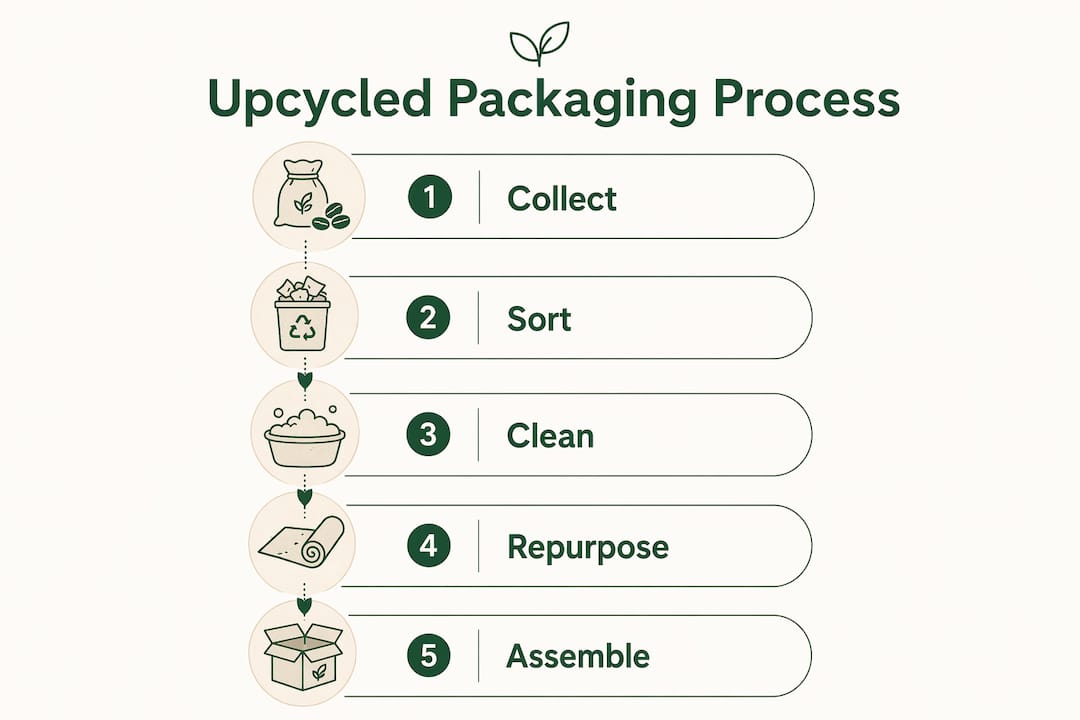
Upcycled tea packaging is packaging made from waste or discarded materials that are creatively repurposed into new, functional packaging without breaking those materials down into raw components. Think of it as giving waste a second life with a promotion. Unlike recycling, which transforms waste into raw materials before rebuilding them into something new, upcycling skips that energy-intensive breakdown step entirely. The result is packaging that carries a genuine sustainability story, reduces landfill pressure, and connects eco-conscious tea drinkers to brands that share their values. If you have ever wondered what is upcycled tea packaging and why it matters, you are in exactly the right place.
What is upcycled tea packaging, and how does it work?
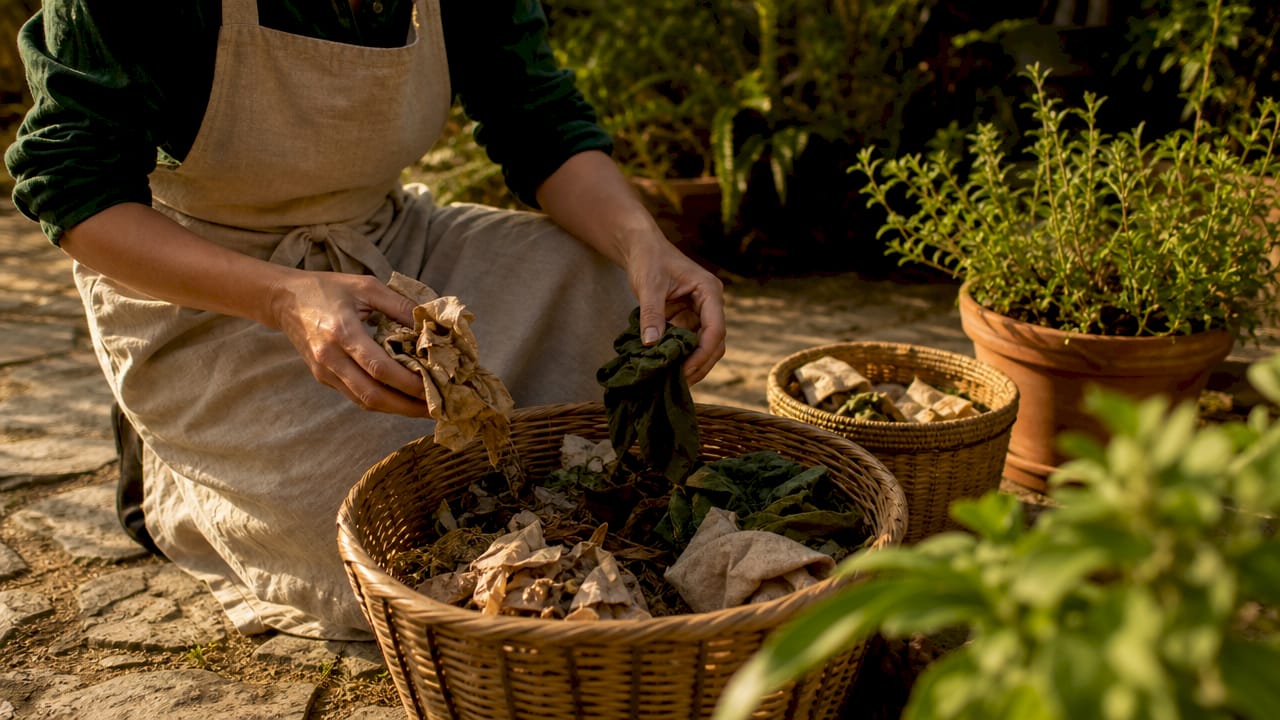
Upcycled tea packaging refers to packaging created by repurposing discarded or side-stream materials directly into new containers, wrappers, or boxes without full material breakdown. The key word is “directly.” A recycled cardboard box requires pulping, reforming, and reprocessing. An upcycled version might press agricultural residues or tea processing byproducts into a sturdy, food-safe container with far less energy spent. That distinction is what makes upcycling a genuinely different approach, not just a marketing synonym for recycling.
The concept sits within the broader framework of the circular economy, which aims to keep materials at their highest possible value for as long as possible. Upcycled packaging does exactly that. It takes waste that would otherwise head to a landfill and turns it into something with equal or greater functional value. For tea brands, this means packaging that tells a real story about where its materials came from and why that choice matters.
What materials and processes go into upcycled tea packaging?
The packaging industry now works with a wide range of waste feedstocks to create sustainable tea packaging. Common source materials include:
- Agricultural residues such as rice husks, sugarcane bagasse, and wheat straw pressed into rigid packaging forms
- Tea processing byproducts including spent tea leaves and stems that can be compressed into biodegradable trays or liners
- Paper and cardboard waste from manufacturing side streams, reformed into boxes and wraps without full pulping
- Organic waste streams from food processing, used to create high-barrier recyclable films and compostable pouches
Modern processing has made these materials genuinely competitive with conventional packaging. Advances in bioplastics derived from organic waste now allow manufacturers to meet food safety standards while maintaining structural integrity. That means your loose-leaf tea stays fresh, your packaging stays intact during shipping, and the planet gets a break from virgin material extraction.
Balancing food safety with sustainability is the central challenge in material selection. Packaging must protect tea from moisture, light, and oxygen while remaining safe for contact with a food product. Brands like those featured in eco-friendly packaging examples show that this balance is achievable with the right material science.
Pro Tip: When evaluating a tea brand’s packaging claims, look for third-party certifications like the Upcycled Food Association label or Cradle to Cradle certification. These verify that materials genuinely come from waste streams rather than virgin sources.
How does upcycled packaging compare with recycling and composting?
These three approaches all aim to reduce waste, but they work very differently. The table below breaks down the key distinctions.
| Approach | Process | Energy use | Consumer role | Best for |
|---|---|---|---|---|
| Upcycling | Repurposes waste directly into new products | Low | Choose brands that use it | Packaging with added value |
| Recycling | Breaks materials down into raw components | Moderate to high | Sort and collect | High-volume material recovery |
| Composting | Biologically decomposes organic material | Very low | Home or industrial bin | Organic, certified compostable packaging |
Upcycling wins on resource efficiency because it skips the breakdown and reformation steps that recycling requires. Recycling wins on scale because existing infrastructure handles enormous volumes of glass, metal, and paper. Composting wins on simplicity for consumers, but only when packaging is genuinely certified compostable. Many tea bags contain synthetic plastics or adhesives that disqualify them from home composting entirely.
Consumer perception also differs across the three methods. Upcycled packaging carries a compelling narrative that recycling simply cannot match. Turning waste into a high-value product resonates with eco-conscious buyers in a way that a recycling symbol on a box does not. That emotional connection translates directly into brand loyalty, which is why forward-thinking tea companies are investing in upcycled materials now.
The honest limitation of upcycling is scale. Sourcing consistent, food-safe waste streams requires supply chain coordination that smaller brands may find difficult. Recycling infrastructure, by contrast, is already built and widely accessible. The smartest brands use all three approaches together rather than treating them as competitors.
What are the environmental and economic benefits of upcycled tea packaging?
Upcycled tea packaging delivers real environmental wins that go well beyond good intentions. The core benefits include:
- Waste diversion from landfills. Upcycled packaging keeps materials at their highest value in the supply chain rather than sending them to decompose in a landfill.
- Reduced demand for virgin materials. Using agricultural residues or food processing byproducts means fewer trees cut, less mining, and less water consumed in raw material extraction.
- Lower carbon footprint. Skipping the energy-intensive breakdown and reformation steps of recycling reduces greenhouse gas emissions per unit of packaging produced.
- Conservation of natural habitats. Less demand for virgin pulp and petroleum-based plastics means less pressure on forests and ecosystems that absorb carbon and support biodiversity.
- Supply chain resilience. Zero-waste philosophies that use side-stream materials improve material sourcing stability and reduce dependence on volatile commodity markets.
The economic case is equally strong. Brands that use upcycled materials often pay less for their packaging inputs because they are purchasing waste streams rather than virgin commodities. That cost advantage can be passed to consumers or reinvested in product quality. At the same time, upcycling builds brand reputation and consumer trust more effectively than recycling alone, which translates into measurable loyalty and repeat purchases.
For eco-conscious tea drinkers, choosing brands with upcycled packaging is one of the most direct ways to support a circular economy with your wallet. Every purchase signals to the market that sustainable packaging is worth investing in.
How can you and tea brands participate in upcycling?
Both consumers and brands have practical roles to play in making upcycled tea packaging the norm rather than the exception. Here is how each side can get involved.
Steps for consumers at home
- Reuse tea tins. Metal tea tins are among the most durable and reusable packaging formats available. Repurpose them as spice containers, desk organizers, or small planters.
- Compost spent tea leaves carefully. Loose-leaf tea and the contents of paper tea bags add nitrogen to compost piles. Always check that the bag itself is plastic-free before adding it whole.
- Use dried tea bags as natural deodorizers. Dried spent tea bags absorb odors in refrigerators, shoes, and gym bags. This is a simple, zero-cost form of home upcycling.
- Use damp tea bags as mulch base. Spent tea bags placed around garden plants help retain moisture and add organic matter to soil.
- Re-steep your tea bags within 24 hours. Refrigerating used tea bags for up to 24 hours prevents mold and allows a second steeping with reduced but still pleasant flavor.
Pro Tip: Always dry used tea bags completely before storing them for deodorizing or mulching. Damp tea bags stored at room temperature develop mold quickly, which defeats the purpose of reuse.
What tea brands can do
Brands have the greatest leverage in this space because they control material selection at scale. Adopting upcycled materials like pressed agricultural residues for rigid packaging or bioplastic films from organic waste streams makes an immediate impact. Designing packaging for reuse, such as resealable tins or refillable pouches, extends the product lifecycle further. Brands should also be transparent about their material sourcing, since vague sustainability claims erode the consumer trust that upcycled packaging is meant to build.
One critical caution for both consumers and brands: not all tea bags are compostable. Many conventional tea bags contain polypropylene seals or nylon mesh that release microplastics when composted or repurposed. Always remove staples, plastic strings, and synthetic components before composting. When in doubt, empty the leaves and discard the bag itself in general waste rather than risk microplastic contamination in your garden.
Key takeaways
Upcycled tea packaging is the most resource-efficient sustainable packaging approach available because it transforms waste directly into functional packaging without the energy costs of recycling or composting.
| Point | Details |
|---|---|
| Upcycling vs. recycling | Upcycling skips material breakdown, using less energy and preserving material value. |
| Common materials used | Agricultural residues, tea byproducts, and organic waste streams form the basis of upcycled tea packaging. |
| Environmental benefits | Upcycled packaging diverts waste from landfills, reduces virgin material demand, and lowers carbon output. |
| Consumer participation | Reuse tins, compost certified bags, and dry spent bags as deodorizers to practice home upcycling. |
| Brand opportunity | Upcycled packaging builds stronger consumer loyalty than recycling claims alone. |
Why I think upcycled tea packaging is the most underrated shift in sustainable beverages
Most sustainability conversations in the tea world focus on sourcing: organic certification, fair trade, shade-grown practices. Those things matter enormously. But packaging is where the environmental story often falls apart, and upcycled materials are the most promising fix I have seen in years.
What strikes me most is how upcycling sidesteps the infrastructure problem that stalls recycling progress. You do not need a city-wide sorting system or an industrial composting facility. You need a supply chain that treats its own waste as a raw material. That is a mindset shift more than a technology problem, and the tea industry is well-positioned to make it because tea processing already generates significant organic byproducts.
The consumer role here is real, not symbolic. Choosing brands that use upcycled or compostable packaging sends a market signal that packaging sustainability is a purchase criterion, not an afterthought. The brands paying attention to that signal right now will be the ones leading the category in five years. I would rather spend my tea budget with them than wait for the rest of the industry to catch up.
— LaSaundra
Ecoviberoast and sustainable tea packaging
Ecoviberoast was built for tea drinkers who want their daily ritual to feel good on every level, including what happens to the packaging after the last cup. The brand’s commitment to upcycled and compostable materials reflects the same values that drive its mangrove planting and ocean-bound plastic removal programs.

Every tea and coffee purchase at Ecoviberoast supports a supply chain designed around circular economy principles. If you are ready to sip sustainably and back a brand that treats packaging as part of the environmental equation, explore Ecoviberoast’s teas and see what conscious sourcing looks like from leaf to box.
FAQ
What is upcycled tea packaging in simple terms?
Upcycled tea packaging is packaging made from waste materials repurposed directly into new containers or wrappers without breaking them down first. It keeps materials at their highest value and reduces landfill waste.
How is upcycling different from recycling in tea packaging?
Recycling breaks materials down into raw components before reforming them, which requires significant energy. Upcycling skips that breakdown step and repurposes waste directly, making it more resource-efficient.
Are tea bags safe to compost at home?
Not all tea bags are safe for home composting. Many contain polypropylene or nylon components that release microplastics. Always check that the bag is certified plastic-free before composting it whole.
How can I upcycle tea bags at home?
Dried spent tea bags work as natural deodorizers in refrigerators and shoes. Used tea leaves add nitrogen to compost piles, and damp bags placed around garden plants help retain soil moisture.
What should I look for when buying eco-friendly tea packaging?
Look for third-party certifications such as the Upcycled Food Association label, Cradle to Cradle certification, or certified compostable seals. These verify that packaging materials genuinely come from waste streams or meet biodegradability standards.


