

Your daily cup of tea might harbor an invisible threat. Recent studies reveal that a single plastic tea bag can release billions of microplastic particles into your brew, particles that end up in your body and the environment. Most tea drinkers assume their tea bags are natural and biodegradable, but the reality is far different. Conventional tea bags often contain plastic fibers that fragment during brewing, creating health concerns and contributing to widespread pollution. This article explains why switching to plastic-free tea protects your health, reduces environmental harm, and aligns with sustainable living practices that make a measurable difference.
Table of Contents
- Understanding Microplastic Contamination In Tea
- Environmental Benefits Of Plastic-Free Tea
- Plastic-Free Tea Alternatives: Loose-Leaf And Metal Infusers
- How To Choose And Integrate Plastic-Free Tea In Your Routine
- Explore Sustainable Products At EcoVibe Roast
- Frequently Asked Questions About Plastic-Free Tea
Key takeaways
| Point | Details |
|---|---|
| Health protection | Plastic-free tea eliminates exposure to billions of microplastic particles that conventional tea bags release during brewing. |
| Environmental impact | Choosing compostable or loose-leaf options reduces plastic pollution and supports proper waste disposal systems. |
| Cost effectiveness | Reusable metal infusers and loose-leaf tea save money over time while delivering superior flavor and zero plastic contamination. |
| Ethical alignment | Plastic-free tea supports transparent sourcing practices and broader zero-waste lifestyle goals. |
Understanding microplastic contamination in tea
Microplastics are plastic fragments smaller than 5 millimeters, while nanoplastics measure less than 1 micrometer. These particles originate from synthetic tea bag materials, primarily polypropylene used to seal conventional tea bags. When you steep tea in hot water, heat accelerates plastic degradation, releasing countless particles directly into your beverage. The scale of this contamination is staggering, with some tea bags releasing over 11 billion microplastic particles per cup.
The health implications remain under investigation, but emerging evidence raises serious concerns. Microplastics can cross biological barriers, entering your bloodstream and accumulating in organs. Research links these particles to endocrine disruption, where synthetic chemicals interfere with hormone function. Inflammation markers increase in people with higher microplastic exposure, and preliminary studies suggest potential impacts on gut microbiome balance. While scientists continue mapping exact health consequences, the precautionary principle suggests minimizing exposure when alternatives exist.
Humans consume 39,000-52,000 microplastic particles annually from various sources, with tea being a significant contributor.
Methodological challenges complicate microplastic research. Different testing protocols yield vastly different particle counts, creating uncertainty around exact contamination levels. Some studies report millions of particles per tea bag, while others document billions, depending on measurement techniques and particle size thresholds. This variation doesn’t diminish the core concern but highlights how widespread the problem truly is. Every conventional tea bag you use likely introduces microplastics into your system, regardless of precise counts.
The transfer mechanism is straightforward. Hot water softens plastic polymers in tea bag seams and fibers, causing fragmentation. Steeping time and water temperature directly correlate with particle release, meaning your perfectly brewed cup maximizes contamination. Unlike natural fibers that break down harmlessly, these synthetic particles persist in your body and the environment for decades or longer. Making eco-conscious tea selection decisions starts with understanding this contamination pathway.
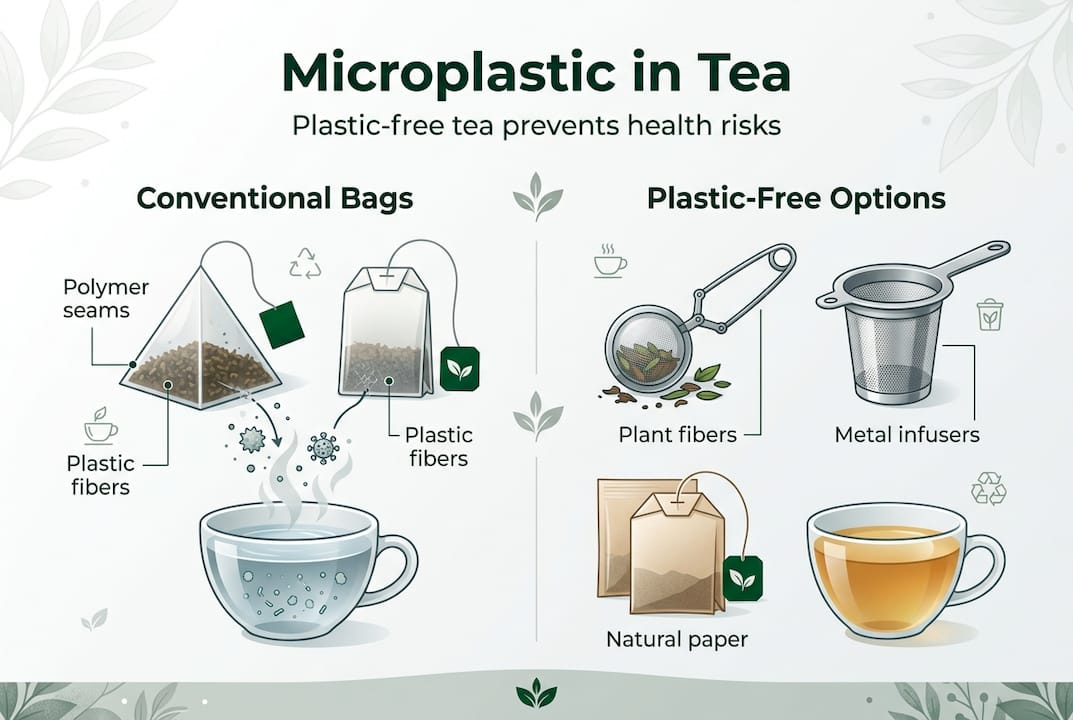
Now that you understand the health risks microplastics in tea pose, let’s compare plastic-free tea options and their environmental benefits.
Environmental benefits of plastic-free tea
Conventional tea bags create a dual environmental crisis. First, plastic components don’t biodegrade, fragmenting into smaller pieces that contaminate soil and waterways. Second, billions of tea bags end up in landfills annually, where plastic components leach chemicals and contribute to long-term pollution. Even when consumers attempt composting, plastic-containing tea bags contaminate compost systems, forcing facilities to screen out synthetic materials or reject organic waste streams entirely.
Bioplastic alternatives offer measurable improvements when properly managed. Polybutylene succinate (PBS) and polylactic acid (PLA) tea bags derive from renewable plant sources rather than petroleum. These materials break down in industrial composting facilities, returning nutrients to soil without leaving persistent plastic residue. Home-compostable PBS tea bags can reduce environmental impacts by up to 22% in some categories when properly composted versus polypropylene tea bags. The lifecycle benefits extend from raw material extraction through end-of-life disposal, cutting carbon emissions and resource consumption.
The following table compares environmental impacts across tea bag materials:
| Impact Category | Polypropylene (PP) | Polylactic Acid (PLA) | Polybutylene Succinate (PBS) | | — | — | — | | Carbon footprint | High petroleum-based emissions | Moderate plant-based production | Lower renewable sourcing | | Biodegradability | Non-biodegradable, persists centuries | Industrial composting only | Home and industrial composting | | Microplastic release | Billions of particles per bag | Minimal in proper composting | Minimal in proper composting | | Waste stream compatibility | Landfill or incineration | Requires industrial composting | Multiple composting options |
Consumer disposal practices determine whether these benefits materialize. Bioplastic benefits depend critically on correct composting; landfill or incineration negates advantages. PLA requires industrial composting temperatures above 140°F to break down effectively. PBS performs better in home composting but still needs proper conditions. Without access to appropriate composting infrastructure, even certified compostable tea bags become problematic waste.
Pro Tip: Verify certification labels like BPI Certified Compostable or European EN 13432 standards, and confirm your local composting facility accepts the specific material. Many municipal programs exclude PLA due to processing limitations, making home-compostable PBS or loose-leaf options more practical for most consumers.
The compostable packaging impact extends beyond tea. As more consumers demand sustainable packaging, brands respond with improved materials and transparency. This market pressure drives innovation in bioplastics and encourages investment in composting infrastructure. Your purchasing decisions signal demand for genuinely sustainable products, pushing the entire industry toward better practices. Choosing eco tea products becomes part of a larger movement reshaping how we package and consume beverages.
Beyond environmental benefits, let’s examine plastic-free tea alternatives that eliminate plastic exposure entirely while enhancing your tea experience.
Plastic-free tea alternatives: loose-leaf and metal infusers
Loose-leaf tea paired with stainless steel or titanium infusers represents the gold standard for plastic-free brewing. These systems eliminate plastic exposure completely while delivering superior flavor. Loose-leaf tea consists of whole or partially broken leaves rather than the dust and fannings typically found in tea bags. This quality difference translates to richer taste, more complex aromatics, and better nutrient retention. Metal infusers hold loose leaves during steeping, then lift out cleanly without leaving residue or releasing particles.
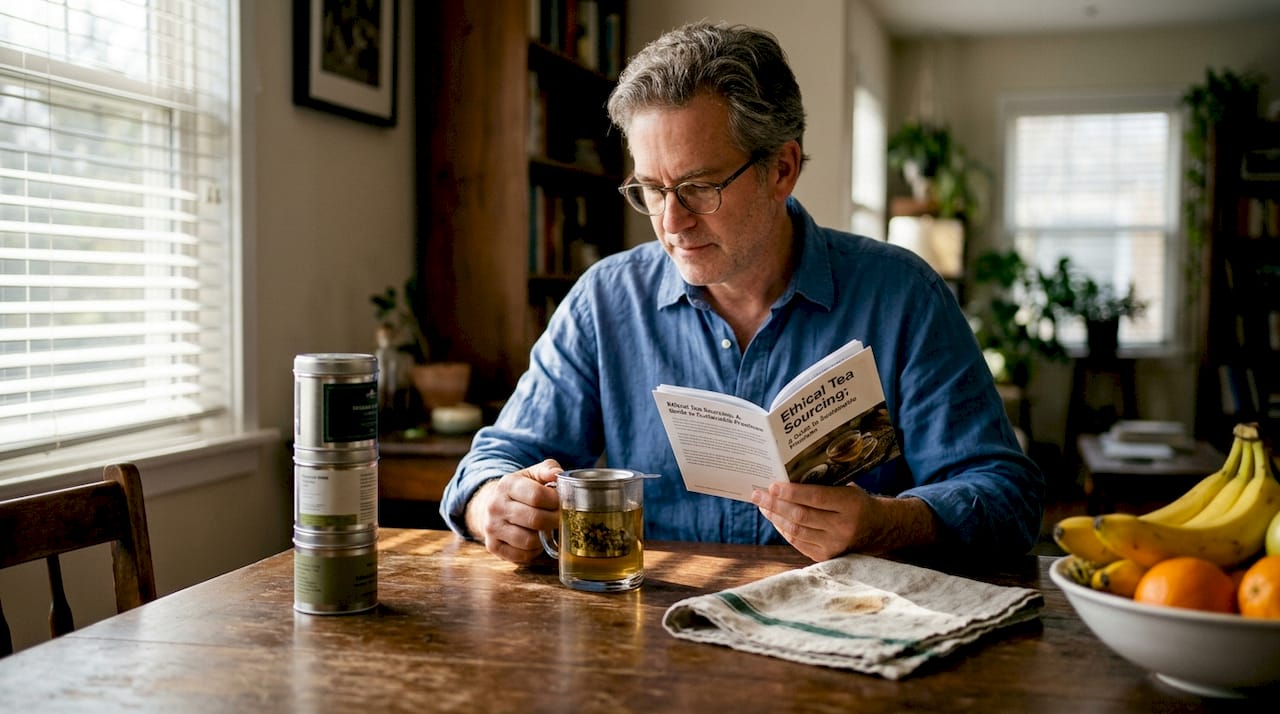
The benefits compound over time. A quality metal infuser costs $10 to $30 but lasts years with basic care. Loose-leaf tea costs less per cup than bagged varieties despite higher upfront prices, because you use smaller quantities of higher-quality leaves. Loose-leaf tea brewed with stainless steel infusers eliminates plastic exposure, reduces waste, and can be reused 20-50 times saving billions of microplastic particles over a lifetime. The environmental math is compelling: one reusable infuser replaces thousands of single-use tea bags.
Practical considerations make adoption straightforward:
- Choose infusers with fine mesh to prevent leaf particles in your tea while allowing proper water circulation
- Select sizes matching your typical serving, from single-cup infusers to large pots for entertaining
- Opt for stainless steel over plastic-handled models to maintain zero plastic contact
- Consider basket-style infusers for larger leaves and ball infusers for compact storage
- Look for dishwasher-safe models to simplify cleaning and maintenance routines
Pro Tip: Rinse your metal infuser immediately after use to prevent tea stain buildup. For deep cleaning, soak in a solution of equal parts white vinegar and water for 15 minutes monthly, then scrub gently with a soft brush to maintain optimal performance and extend lifespan.
Loose-leaf tea supports ethical sourcing transparency in ways bagged tea rarely matches. Premium loose-leaf suppliers typically provide detailed origin information, harvest dates, and processing methods. This traceability lets you verify sustainable beverage packaging practices and fair labor conditions. Many small-scale tea gardens sell directly to specialty retailers, ensuring farmers receive fair compensation while maintaining quality control throughout production.
The packaging advantages extend beyond the tea itself. Loose-leaf tea ships in recyclable tins, glass jars, or compostable pouches rather than individually wrapped bags with plastic components. This reduction in packaging materials cuts waste dramatically. A single 4-ounce tin of loose-leaf tea replaces 50 to 100 tea bags, eliminating packaging waste while taking up less storage space. The cumulative effect across millions of tea drinkers would dramatically reduce waste streams.
Exploring eco-friendly tea benefits reveals additional advantages. Loose-leaf systems encourage mindful consumption. The ritual of measuring leaves, steeping precisely, and appreciating aroma creates a more intentional experience than dunking a tea bag. This mindfulness often extends to other consumption habits, reinforcing sustainable choices across your lifestyle. Understanding tea sourcing transparency empowers you to support producers who prioritize environmental stewardship and worker welfare.
With these practical options in mind, let’s look at how choosing plastic-free tea fits into your lifestyle and zero-waste goals.
How to choose and integrate plastic-free tea in your routine
Identifying genuinely plastic-free tea requires scrutiny beyond marketing claims. Look for explicit certifications like Plastic Free Trust Mark, Soil Association Organic, or specific material disclosures stating “100% plant-based fibers” or “no plastic components.” Many brands use vague terms like “natural” or “biodegradable” without clarifying whether plastic sealants or fibers remain. Contact manufacturers directly if packaging doesn’t specify materials, and avoid brands that can’t provide clear answers about tea bag composition.
Transitioning to plastic-free tea follows a logical progression:
- Audit your current tea inventory to identify which products contain plastic components, checking packaging labels and manufacturer websites for material specifications.
- Research plastic-free alternatives matching your preferred tea types, whether black, green, herbal, or specialty blends, prioritizing certified organic and fair trade options.
- Invest in quality brewing equipment like stainless steel infusers, glass teapots, or ceramic vessels that eliminate plastic contact throughout preparation.
- Establish proper disposal practices by composting spent tea leaves in home systems or municipal programs, and recycling or composting packaging materials according to local guidelines.
Combining plastic-free tea with broader zero-waste kitchen practices amplifies your impact. Store loose-leaf tea in glass jars or stainless steel containers rather than plastic bins. Choose reusable cloth tea towels instead of paper products. Compost all organic waste including tea leaves, coffee grounds, and food scraps to close the nutrient loop. These habits reinforce each other, making sustainable choices feel natural rather than burdensome.
Mindful purchasing supports ethical production systems. Seek suppliers who disclose farming practices, worker conditions, and environmental initiatives. 97.5% of UK tea is traditionally in plastic-containing bags; switching to loose-leaf or certified plastic-free options supports zero-waste and ethical consumption. Your purchasing power signals market demand for transparency and sustainability, encouraging more producers to adopt responsible practices.
The cumulative benefits of reducing microplastic exposure extend beyond individual health. Fewer microplastics entering wastewater systems means less contamination in rivers, oceans, and drinking water supplies. Supporting compostable packaging and loose-leaf options reduces demand for petroleum-based plastics, cutting carbon emissions across supply chains. Each plastic-free tea purchase contributes to systemic change, proving that consumer choices drive industry transformation when enough people commit to better alternatives.
Making eco-conscious tea tips part of your routine becomes easier with practice. Start with one or two favorite tea varieties in plastic-free formats, then expand as you discover new options. Join online communities focused on sustainable living to share recommendations and troubleshoot challenges. Document your transition journey on social media to inspire others and hold yourself accountable. These small steps create momentum that makes plastic-free choices feel effortless over time.
The process of choosing eco tea products connects to larger sustainability goals. Every decision to avoid plastic, support ethical sourcing, and minimize waste reinforces your commitment to environmental stewardship. These choices compound across meals, beverages, and household products, creating a lifestyle aligned with your values. Plastic-free tea represents one component of a holistic approach to sustainable living that benefits personal health, community wellbeing, and planetary resilience.
Finally, let’s consider trustworthy resources and solutions to support your sustainable tea journey.
Explore sustainable products at EcoVibe Roast
EcoVibe Roast shares your commitment to reducing plastic waste and supporting sustainable beverage choices. While this article focuses on tea, the principles of plastic-free consumption apply equally to coffee and other beverages. EcoVibe Roast offers sustainable single-serve coffee options with compostable packaging that eliminates plastic contamination, making it easy to enjoy convenient brewing without environmental compromise.

The 60 pack single serve coffee pods feature fully compostable materials that break down in home composting systems, delivering the convenience you want with the sustainability you demand. Every purchase supports EcoVibe Roast’s environmental impact initiatives, including mangrove tree planting and ocean-bound plastic removal programs. These tangible actions demonstrate how choosing responsibly sourced beverages creates positive change beyond your kitchen. Explore the full range of sustainable coffee and tea products to make every cup count toward a healthier planet.
Frequently asked questions about plastic-free tea
What exactly is plastic-free tea?
Plastic-free tea contains no synthetic polymer components in the tea bag, packaging, or processing. This includes bags made entirely from plant fibers like hemp, cotton, or abaca without plastic sealants or mesh. Loose-leaf tea qualifies as plastic-free when packaged in recyclable tins, glass, or compostable materials rather than plastic-lined pouches.
How can I tell if my tea bags contain plastic?
Check packaging labels for materials like polypropylene, nylon, or PET, which indicate plastic content. Many pyramid-shaped bags use plastic mesh despite appearing natural. Contact the manufacturer directly if materials aren’t disclosed, as legitimate plastic-free brands readily provide this information. The “tear test” where bags don’t fully dissolve in hot water suggests plastic content.
Is loose-leaf tea more sustainable than bagged tea?
Loose-leaf tea eliminates single-use packaging waste and plastic contamination entirely when brewed with metal infusers. It typically costs less per serving despite higher upfront prices, and whole leaves deliver better flavor and nutrient content. The reduced packaging and transportation weight also lower the carbon footprint compared to individually wrapped tea bags.
Can I compost plastic-free tea bags at home?
Genuinely plastic-free tea bags made from unbleached plant fibers compost readily in home systems. However, bags labeled “biodegradable” may require industrial composting if they contain PLA or other bioplastics. Always verify specific material certifications and match them to your composting capabilities, whether home, municipal, or industrial facilities.
Are there any health benefits to switching to plastic-free tea?
Plastic-free tea eliminates exposure to billions of microplastic particles released during brewing, reducing potential health risks from endocrine disruption, inflammation, and organ accumulation. While research continues mapping exact health impacts, avoiding unnecessary microplastic exposure follows the precautionary principle. Loose-leaf tea also retains more beneficial compounds like antioxidants compared to lower-grade tea bag contents.
Recommended
- Why Choose Eco-Friendly Tea for a Greener Planet – EcoVibe Roast
- Top tips for eco-conscious tea selection in 2026 – EcoVibe Roast
- Why pick herbal teas for eco impact in 2026 – EcoVibe Roast
- Sustainable packaging in beverages: eco-conscious guide 2026 – EcoVibe Roast
- Sustainable Coffee Wholesale | Eco Friendly Supplier | Devon Somerse


