

Many shoppers believe recyclable labels guarantee environmental benefits, yet recycling rates vary dramatically by region and material type. Sustainable beverage packaging extends far beyond recycling symbols, encompassing compostable materials, reusable systems, and verified life cycle impacts. For coffee and tea enthusiasts committed to reducing their environmental footprint, understanding these distinctions transforms purchasing decisions from guesswork into informed action. This guide clarifies what truly sustainable packaging means, examines material options and their trade-offs, and equips you with practical frameworks for choosing beverages that align with your values.
Table of Contents
- Understanding Sustainable Packaging Materials For Beverages
- Nuances And Challenges In Sustainable Beverage Packaging
- Practical Tips For Choosing Sustainable Beverage Packaging As An Eco-Conscious Shopper
- Comparing Sustainable Packaging Options For Coffee And Tea: A Practical Framework
- Explore Sustainable Tea Offerings At EcoVibe Roast
- Frequently Asked Questions
Key takeaways
| Point | Details |
|---|---|
| Material choice matters | Sustainable packaging includes recyclable, compostable, and reusable options with distinct environmental profiles. |
| Infrastructure determines impact | Local recycling and composting facilities dictate whether packaging achieves its intended environmental benefits. |
| Certifications prevent greenwashing | Third-party verification and life cycle assessments reveal genuine sustainability beyond marketing claims. |
| Disposal practices are critical | Proper sorting and disposal according to local guidelines maximize the environmental advantages of sustainable packaging. |
Understanding sustainable packaging materials for beverages
Sustainable beverage packaging starts with materials engineered to minimize environmental harm across their entire lifecycle. Lightweighting and mono-material designs reduce transport emissions and enhance recyclability by simplifying sorting processes. When you pick up a coffee bag or tea box, the material composition determines whether it ends up contributing to circular systems or adding to landfill waste.
Recyclable materials dominate current sustainable packaging strategies. Recycled polyethylene terephthalate (rPET) and aluminum offer proven pathways for bottle-to-bottle and can-to-can recycling loops. These materials maintain quality through multiple use cycles when properly collected and processed. Aluminum stands out for its infinite recyclability without degradation, making it ideal for beverage cans and some coffee packaging formats.
Compostable biopolymers present an alternative pathway. Polylactic acid (PLA) and polybutylene succinate (PBS) break down in industrial or home composting environments, returning nutrients to soil rather than persisting as waste. PBS particularly shines for tea bags because it enables home composting without specialized facilities. However, these materials require proper disposal infrastructure to deliver their environmental promise.
Reusable and refill systems offer the most significant waste reduction potential. Coffee shops implementing bring-your-own-cup programs and brands offering concentrate refills eliminate single-use packaging entirely. While adoption remains limited compared to disposable options, these systems demonstrate the highest sustainability scores in comprehensive assessments.
Life Cycle Assessment (LCA) provides the scientific foundation for evaluating packaging sustainability. This methodology examines environmental impacts from raw material extraction through production, use, and end-of-life disposal. Without LCA data, sustainability claims remain unverified marketing statements rather than measurable environmental improvements.
Common sustainable packaging materials for coffee and tea:
- Recycled PET (rPET) for bottles and some rigid containers
- Aluminum for cans and capsule components
- PBS biopolymer for compostable tea bags and sachets
- PLA for compostable coffee capsules requiring industrial composting
- Paperboard with minimal plastic coating for tea box packaging
- Glass for reusable bottle systems
| Material Type | Recyclability | Compostability | Best Use Case |
|---|---|---|---|
| rPET | High in areas with collection | No | Bottled cold brew, iced tea |
| Aluminum | Infinite recycling potential | No | Canned beverages, capsule shells |
| PBS biopolymer | No | Home compostable | Tea bags, sachets |
| PLA | Limited | Industrial only | Coffee capsules |
| Paperboard | Moderate (coating dependent) | Sometimes | Tea boxes, outer packaging |
Pro Tip: Check your local recycling program’s accepted materials list before assuming packaging is recyclable in your area. A recyclable symbol doesn’t guarantee local processing capability.
Understanding these material categories helps you evaluate packaging claims critically. The eco-friendly packaging impact extends beyond material selection to include manufacturing energy, transportation efficiency, and end-of-life management systems working together.
Nuances and challenges in sustainable beverage packaging
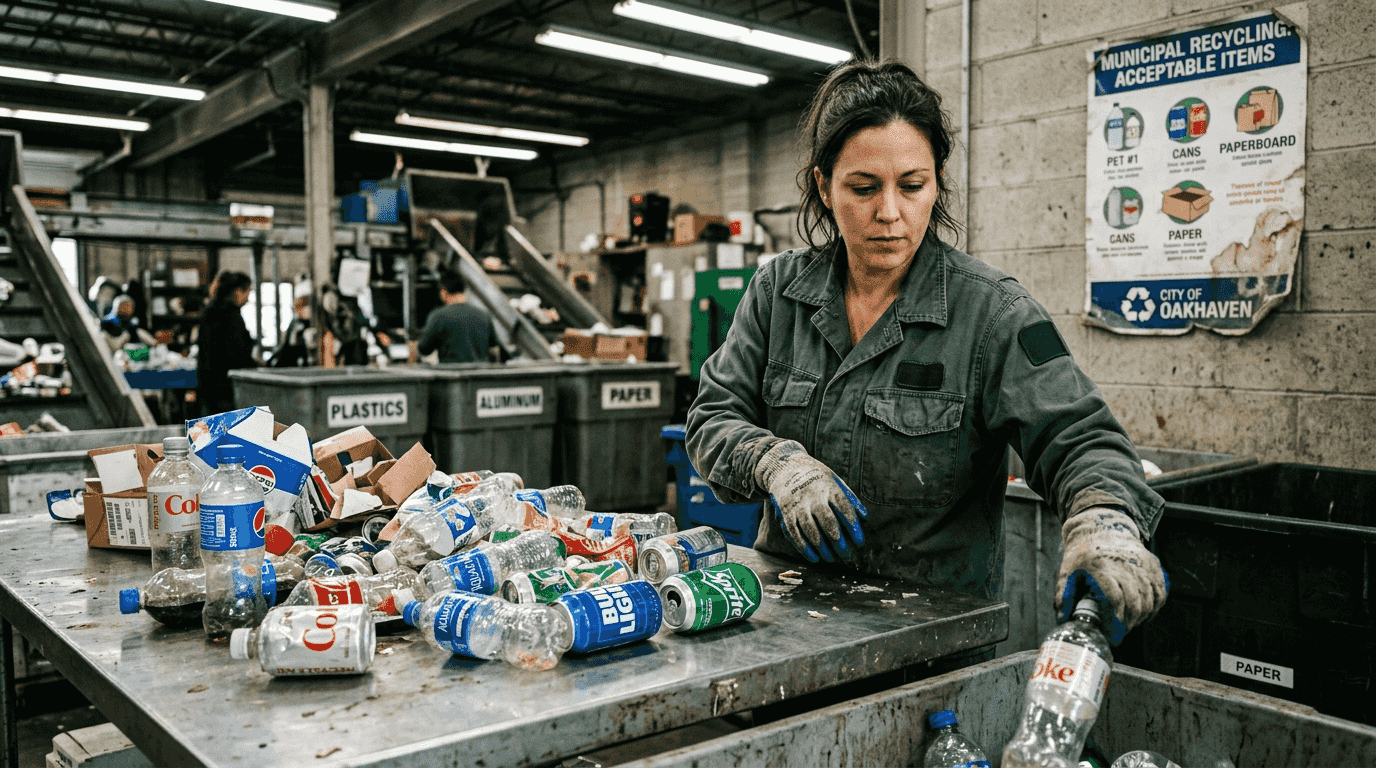
The gap between packaging potential and real-world performance reveals sustainability’s complexity. Recycling infrastructure varies dramatically, with US PET bottle recycling at 33% while Germany achieves 97.6% for the same material. Your packaging choice performs differently depending on where you live and dispose of it.
Paperboard packaging illustrates the trade-offs inherent in material substitution. While paperboard can reduce carbon footprints by over 60% compared to plastic-lined alternatives for tea bags, production requires significant energy and water inputs. Some critics argue these upstream impacts offset downstream benefits, particularly when recycling rates remain low.
Corporate sustainability timelines expose feasibility challenges. Major beverage companies have delayed sustainability targets, with some pushing goals from 2025 to 2035 citing technical and economic barriers. These delays suggest that packaging innovation faces real-world constraints beyond simple material swaps.
Greenwashing pervades the sustainable packaging landscape. Vague terms like “eco-friendly” or “natural” appear on packaging without third-party verification or measurable environmental data. You encounter marketing language designed to capture sustainability-minded dollars without delivering proportional environmental improvements. Distinguishing genuine innovation from superficial claims requires scrutiny of certifications and transparent reporting.
Regulatory pressure is reshaping packaging standards globally. The European Union’s Packaging and Packaging Waste Regulation (PPWR) mandates compostability standards and transparency requirements that influence global supply chains. These regulations create accountability mechanisms that voluntary corporate commitments often lack.
Key challenges facing sustainable beverage packaging:
- Regional recycling infrastructure gaps limiting material recovery
- Energy-intensive production processes for some “sustainable” alternatives
- Corporate feasibility concerns delaying ambitious sustainability targets
- Greenwashing obscuring genuine environmental performance
- Regulatory complexity across different markets and jurisdictions
“The beverage industry faces a critical juncture where sustainability claims must be backed by verifiable data and transparent reporting. Without rigorous standards, consumer trust erodes and genuine innovations struggle to gain market traction.”
These challenges don’t negate sustainable packaging progress but highlight why informed consumer choices matter. By understanding sustainability trends in coffee for 2026, you position yourself to support brands making measurable improvements rather than those merely updating marketing language.
The complexity also explains why no single packaging solution works universally. Your local waste management infrastructure, the specific beverage format, and supply chain considerations all influence which option delivers the best environmental outcome. Sustainable packaging requires systems thinking rather than simple material substitutions.
Practical tips for choosing sustainable beverage packaging as an eco-conscious shopper
Navigating sustainable packaging options becomes manageable with a systematic approach. Start by identifying certified compostable materials, particularly PBS over PLA for tea products, since PBS enables home composting without specialized facilities. These certifications provide third-party verification that materials break down as claimed.
When composting isn’t available locally, prioritize recyclable options with high recovery rates. Aluminum and rPET perform well in established recycling systems, though you must verify your municipality accepts them. Glass offers reusability advantages if you have access to refill programs or can repurpose containers.
Avoid plastic mesh tea bags that complicate both recycling and composting. These hybrid materials require separation that rarely occurs in waste processing facilities, leading most to landfills despite recyclable or compostable claims on outer packaging. Whole-leaf tea in compostable sachets or loose tea in recyclable tins provides cleaner disposal pathways.
Verify packaging claims through Life Cycle Assessment data or recognized third-party certifications. Look for specific standards like BPI Certification for compostability or Cradle to Cradle for comprehensive sustainability. Generic environmental symbols without certification bodies provide no accountability.
Follow your local composting and recycling guidelines precisely. Contamination from improper sorting undermines entire recycling batches, so understanding what your specific facility accepts matters more than general recyclability. Many municipal websites offer searchable databases for proper disposal methods.
Refill and reuse systems deliver superior environmental benefits when accessible. Coffee concentrate refills, bulk tea purchases, and bring-your-own-container programs eliminate packaging waste entirely. While convenience may suffer initially, the environmental payoff significantly exceeds disposable alternatives.
Step-by-step guide for evaluating beverage packaging sustainability:
- Check for third-party compostability or recyclability certifications from recognized standards organizations.
- Verify your local waste facility accepts the specific material through their official guidelines or customer service.
- Examine the packaging for detailed material composition, avoiding vague terms like “eco-friendly” without supporting data.
- Research the brand’s transparency regarding Life Cycle Assessment results and sustainability reporting.
- Consider reusable or refill options first, then compostable, then recyclable, based on your local infrastructure.
- Dispose of packaging according to precise local requirements, including removing non-compatible components like plastic windows from paperboard.
Pro Tip: Save your municipality’s waste sorting guide as a photo on your phone for quick reference while shopping. This eliminates guesswork about whether packaging works with your local systems.
These practical steps connect to broader sustainable choices. Learning how to choose eco tea products and understanding compostable coffee packaging impact reinforces your ability to make informed decisions across your entire beverage routine.
The effort invested in understanding packaging details pays dividends through reduced environmental impact. Each purchase becomes a vote for transparent, verifiable sustainability rather than superficial marketing claims.
Comparing sustainable packaging options for coffee and tea: a practical framework
Data-driven comparisons reveal meaningful differences between packaging options. Compostable coffee capsules reduce CO2 emissions and marine impact substantially compared to conventional alternatives when organic waste receives proper composting. The environmental advantage depends entirely on disposal infrastructure availability.
PBS biopolymer tea bags enable home composting with minimal environmental impact. Unlike PLA requiring industrial facilities, PBS breaks down in backyard compost bins, making it accessible for more consumers. This convenience factor increases the likelihood of proper disposal, translating theoretical benefits into real-world impact.
Paperboard packaging for tea demonstrates significant carbon footprint reductions. Verified studies show paperboard can cut carbon emissions by over 60% versus white-lined chipboard alternatives. However, this advantage assumes responsible forestry practices and efficient recycling or composting at end of life.
Avoiding plastic mesh in tea bags improves both recyclability and composting success. Mesh components require separation that rarely occurs, contaminating waste streams and reducing processing efficiency. Whole-leaf formats in pure material packaging eliminate this complication.
Local disposal infrastructure determines which option performs best in practice. A compostable capsule sent to landfill due to lack of composting facilities may perform worse than a recyclable aluminum capsule in an area with high recovery rates. Your specific location context matters more than generic packaging rankings.
| Packaging Type | Carbon Footprint | Disposal Method | Infrastructure Requirement | Best For |
|---|---|---|---|---|
| Compostable capsules | Lowest when composted | Industrial or home composting | Composting facility access | Areas with robust composting |
| PBS tea bags | Very low | Home composting | Backyard compost bin | Home composters |
| Aluminum capsules | Moderate | Recycling | Metal recycling program | High recycling rate regions |
| Paperboard tea boxes | 60% lower than plastic | Recycling or composting | Paper recycling program | Standard municipal recycling |
| rPET bottles | Moderate | Recycling | Plastic recycling program | Bottle deposit systems |
Key factors when comparing packaging options:
- Verify local composting and recycling facility capabilities before selecting packaging type
- Prioritize mono-material designs over multi-layer composites for easier processing
- Consider the complete product lifecycle, not just end-of-life disposal
- Evaluate brand transparency regarding environmental impact data
- Factor in convenience and likelihood of proper disposal in your routine
These comparisons connect to practical purchasing decisions. Exploring eco-friendly packaging examples and understanding advantages of compostable coffee pods helps you apply this framework to specific products.
The comparison reveals no universal winner. Your optimal choice depends on local infrastructure, disposal habits, and specific product format. Sustainable packaging requires matching material properties to real-world disposal systems rather than assuming one solution fits all contexts.
Explore sustainable tea offerings at EcoVibe Roast
Applying these sustainable packaging principles becomes easier when you shop with brands prioritizing environmental responsibility. EcoVibe Roast offers tea selections packaged with genuine sustainability commitments, not just marketing language. Each purchase supports measurable environmental initiatives including mangrove tree planting and ocean plastic removal.

The hibiscus berry tea combines vibrant flavor with thoughtful packaging choices that align with the compostable and recyclable standards discussed throughout this guide. Similarly, jasmine tea and apple cider rooibos tea deliver premium taste while supporting your commitment to reducing packaging waste. These products demonstrate how quality and sustainability coexist when brands prioritize both.
By choosing EcoVibe Roast, you vote with your dollars for transparent environmental practices and verified impact. Every cup becomes part of a larger movement toward sustainable beverage consumption.
Frequently asked questions
What is sustainable packaging in beverages?
Sustainable packaging minimizes environmental impact through material selection, production methods, and end-of-life management systems. It encompasses recyclable materials like aluminum and rPET, compostable biopolymers such as PBS and PLA, and reusable container systems. True sustainability requires considering the complete lifecycle from raw material extraction through disposal, not just recyclability symbols on labels.
How can I tell if a coffee or tea package is truly sustainable?
Look for third-party certifications like BPI Compostable or Cradle to Cradle rather than vague environmental claims. Brands committed to genuine sustainability publish Life Cycle Assessment data showing measurable environmental impacts across production, use, and disposal phases. Avoid products using generic terms like “eco-friendly” without supporting verification or transparent reporting.
Are compostable coffee capsules better than recyclable ones?
Compostable capsules deliver superior CO2 and marine impact reduction when organic waste receives proper composting. However, recyclable aluminum capsules may perform better in regions with high metal recycling rates but limited composting infrastructure. The answer depends entirely on your local waste management capabilities and disposal habits.
What role do local recycling and composting programs play?
Local infrastructure determines whether sustainable packaging achieves its environmental potential. A compostable package sent to landfill provides no benefit over conventional packaging, while recyclable materials in areas without collection programs become waste. Align your packaging choices with available local programs, checking municipal guidelines before purchasing to ensure proper disposal pathways exist.
Why should I avoid plastic mesh tea bags?
Plastic mesh tea bags combine materials that complicate both recycling and composting processes. Separation rarely occurs in waste facilities, leading most mesh bags to landfills despite recyclable or compostable claims on outer packaging. Choose whole-leaf tea in pure material sachets or loose tea in recyclable containers for cleaner disposal pathways.
What certifications indicate genuinely sustainable beverage packaging?
Recognized certifications include BPI Certification for compostability, Forest Stewardship Council (FSC) for responsible paperboard sourcing, and Cradle to Cradle for comprehensive lifecycle sustainability. These third-party standards require verification and testing, unlike generic environmental symbols that lack accountability. Check certification validity through the issuing organization’s database to confirm authenticity.


