

TL;DR:
- Eco blends combine natural and performance materials to promote sustainability, durability, and lower environmental impact. Choosing verified eco blends supports circular economies, reduces waste, and offers lasting quality in coffee and textiles. Consumers should prioritize brands with transparent sourcing, third-party certifications, and documented environmental impacts to avoid greenwashing.
Eco blends are defined as materials or products that combine natural and performance-based components to deliver sustainability, durability, and reduced environmental impact in a single formulation. If you’ve been wondering why invest in eco blends for your coffee and tea choices, the answer is straightforward: they let you enjoy rich, aromatic beverages while actively supporting a healthier planet. Brands like Ecoviberoast and fabric innovators like Fabrikn and Selvane are proving that eco-conscious design does not mean sacrificing quality. The shift toward sustainable products is no longer a trend. It’s a structural change in how consumers spend and what they expect from the brands they love.
Why invest in eco blends for sustainability?
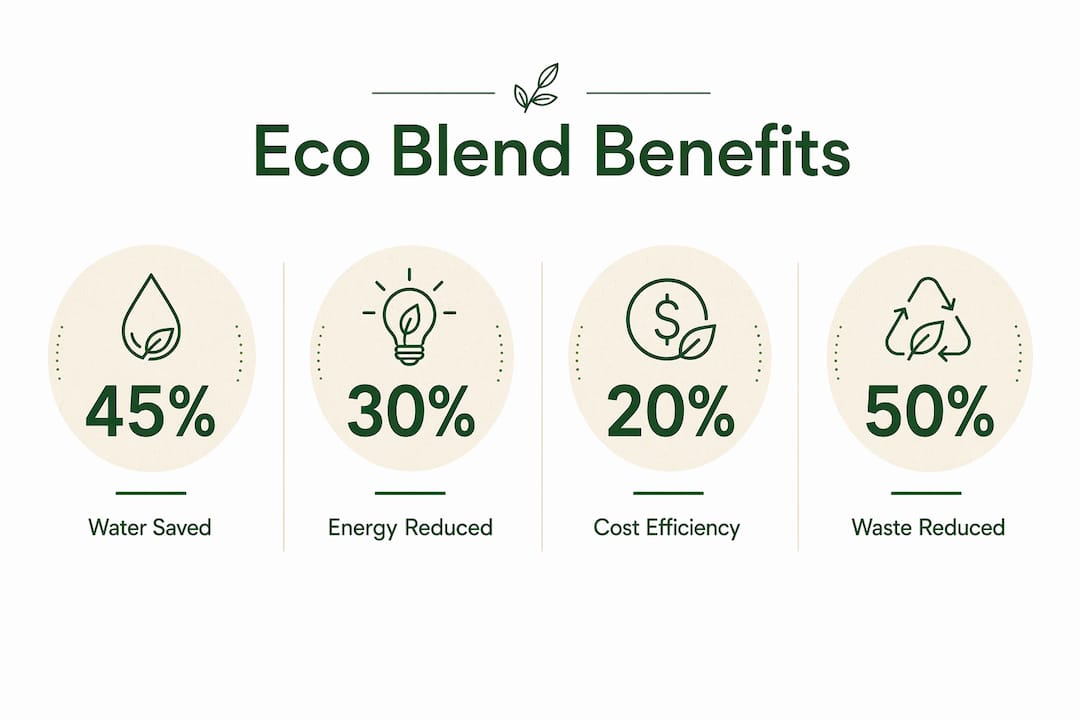
Eco blends deliver measurable environmental benefits that conventional materials simply cannot match. Natural fiber blends require less energy and water to produce than pure synthetics, and they decompose without releasing microplastic pollution. That means every cup brewed in a compostable pod or every bag of shade-grown tea you purchase actively reduces the burden on landfills and waterways.
The circular economy potential here is real. When materials return to the earth naturally at the end of their life, you close the loop on waste. The circular economy in beverages increasingly adopts eco blends to reduce waste, energy use, and environmental impact across coffee and tea sectors. That is a measurable green benefit you can feel good about with every morning brew.
Here is what makes eco blends stand apart from conventional options:
- Reduced water and energy use: Natural fiber and compostable material blends consume fewer resources during production than synthetic alternatives.
- Biodegradability: Eco blends break down naturally, avoiding the microplastic pollution that synthetic-only materials generate.
- Circular economy support: Products designed with eco blends can return to the earth or be repurposed, reducing landfill contribution.
- Lower carbon footprint: Responsible sourcing combined with lean manufacturing cuts emissions across the supply chain.
- Biodiversity protection: Shade-grown and organically sourced ingredients in eco blends support healthy ecosystems rather than depleting them.
Pro Tip: When evaluating eco blends, look for products that specify their compostability standards, such as ASTM D6400 or EN 13432, rather than vague claims like “eco-friendly.” Specificity signals genuine commitment.
What economic and performance advantages make eco blends worthwhile?
The financial case for choosing eco blends is stronger than most people realize. Eco blends optimize cost-effectiveness by combining rare luxury components with more abundant performance materials. A 70/30 wool-cashmere blend, for example, is significantly cheaper than 100% cashmere but retains the same softness and thermal qualities. The same logic applies to coffee and tea: blending premium single-origin beans with responsibly sourced filler varieties delivers a rich, complex flavor at a price that works for everyday drinking.

Durability is the other economic win. Investing in eco blends enhances product lifespan by combining natural fibers with performance components, which increases durability and reduces the need for frequent replacements. Fewer replacements mean less waste and more savings over time. That is a practical benefit you feel in your wallet and see in your recycling bin.
Here are the top performance advantages that make eco blends a smart choice:
- Extended product life: Eco-engineered formulations resist wear, helping products last longer and reducing how often you need to repurchase.
- Comfort and sensory quality: Blending natural and performance materials creates products that feel better, whether that is a softer fabric or a smoother, more balanced cup of coffee.
- Wrinkle resistance and shape retention: In textiles, eco blends maintain their structure wash after wash, which directly reduces energy spent on ironing and re-washing.
- Thermal regulation: Natural fiber blends like wool-cashmere manage temperature more effectively than synthetics, adding real functional value.
- Flavor complexity in beverages: In coffee and tea, blending varietals from different origins creates layered, aromatic profiles that single-source products often cannot achieve alone.
Pro Tip: Look for eco blend products that specify the ratio of components and explain why each ingredient was chosen. Brands that explain their formulation decisions are far more likely to deliver on their quality and sustainability promises.
What challenges exist in eco blend sustainability claims?
Not every product labeled “eco blend” deserves the title. Blending natural and synthetic fibers enhances durability and comfort but complicates textile-to-textile recycling significantly. This tradeoff creates real tension between product longevity and end-of-life circularity. A product that lasts longer is good, but if it cannot be recycled or composted at the end of its life, the sustainability story is incomplete.
Greenwashing is the other risk. Consumers should seek eco blends with verifiable documentation to avoid greenwashing and confirm authentic sustainability. Clear brand transparency and third-party certifications are the most reliable indicators of responsible sourcing. Without them, “eco” is just a marketing word.
“Transparency in sourcing and certification is critical to distinguish genuine eco blends from greenwashing.” — Sustainability Directory
The table below compares common blend types across key sustainability dimensions to help you make informed choices:
| Blend Type | Sustainability | Recyclability | Performance |
|---|---|---|---|
| 100% Natural Fiber | High | Good | Moderate |
| Natural + Compostable Synthetic | High | Good | High |
| Natural + Conventional Synthetic | Moderate | Poor | High |
| 100% Conventional Synthetic | Low | Poor | High |
| Compostable Blend (Beverage Packaging) | Very High | Excellent | High |
Sustainability has evolved from a niche preference into a structural driver of consumer demand and capital allocation. That means brands cutting corners on eco claims face growing scrutiny from buyers who know what to look for. You are one of those buyers.
How can you identify trustworthy eco blends in coffee and tea?
Choosing eco blends you can trust comes down to three things: certification, transparency, and track record. Brands scaling eco blends benefit from supply chain transparency, certifications, and lean manufacturing that reduce waste and improve production efficiency. When a brand publishes its sourcing practices and holds recognized certifications, that is a green flag worth acting on.
Here is what to look for when you are reading labels and evaluating claims:
- Third-party certifications: Look for USDA Organic, Fair Trade, Rainforest Alliance, or compostability standards like ASTM D6400. These are independently verified, not self-reported.
- Ingredient transparency: The brand should name its sources, not just say “sustainably sourced.” Knowing the farm, region, or cooperative matters.
- Compostable packaging: Sustainable coffee pods and packaging using compostable eco blends build consumer trust and reflect a genuine commitment to environmental values.
- Environmental impact statements: Brands that quantify their impact, such as trees planted or plastics removed, demonstrate accountability rather than aspiration.
- Consistent messaging: If a brand’s sustainability claims appear only in marketing copy but not in product specs or sourcing documentation, treat that as a warning sign.
Ecoviberoast is a strong example of this approach in practice. Every purchase supports mangrove tree planting and ocean-bound plastic removal, and the product line includes certified sustainable coffee pods and organic herbal teas with documented sourcing. That kind of accountability is exactly what separates genuine eco blends from greenwashed alternatives. You can also explore how certifications drive sustainability in coffee and tea to deepen your understanding before your next purchase.
Key takeaways
Investing in eco blends delivers environmental, economic, and performance benefits that make them the most practical choice for conscious coffee and tea consumers.
| Point | Details |
|---|---|
| Environmental impact is real | Eco blends reduce water use, energy consumption, and microplastic pollution compared to conventional materials. |
| Durability saves money | Longer-lasting products mean fewer replacements, which cuts both personal spending and overall waste. |
| Greenwashing is a genuine risk | Always verify eco claims with third-party certifications and documented supply chains before purchasing. |
| Compostable packaging matters | Coffee and tea brands using compostable eco blend packaging close the loop on product waste at end of life. |
| Transparency is the best signal | Brands that publish sourcing details and impact metrics are far more credible than those relying on vague labels. |
My honest take on eco blend investments
By LaSaundra
I have watched the eco blend conversation shift from idealistic to practical over the past several years, and that shift matters. Consumers used to accept vague sustainability claims because they wanted to believe them. Now, the most engaged buyers I see are asking harder questions: What is actually in this product? Who certified it? What happens to it after I am done with it?
My experience with eco blend products, particularly in the coffee and tea space, has shown me that the best ones do not ask you to compromise. A well-formulated compostable coffee pod brews just as cleanly and delivers just as much aromatic richness as a conventional one. The difference is that it does not sit in a landfill for 500 years afterward.
What I find most compelling is the long-term thinking embedded in genuine eco blends. You are not just buying a product. You are signaling to the market that performance and sustainability belong together. Every purchase you make in this category tells brands that cutting corners is not acceptable. That is a form of consumer power that compounds over time, and it is one of the most practical ways to align your daily habits with your values.
The one caution I would offer: do not let enthusiasm override scrutiny. The eco label is overused. Dig into the certifications, read the sourcing pages, and choose brands like Ecoviberoast that back their claims with documented impact. That is where the real value lives.
— LaSaundra
Explore ecoviberoast’s sustainable coffee and tea collection

Ecoviberoast brings together everything you have read about in one place: responsibly sourced beans, compostable packaging, and a brand mission built around real environmental accountability. Every purchase plants mangrove trees and removes ocean-bound plastics, so your morning ritual becomes a warm hug for both you and Mother Earth.
The product line includes single-serve coffee pods crafted for rich, full-bodied flavor without the waste, alongside organic herbal teas like Hibiscus Berry Tea that are sourced with the same care and transparency. If you are ready to make the switch, the 60-pack single-serve coffee pods are a great starting point for experiencing what genuine eco blend quality tastes like. Browse the full range at Ecoviberoast and let your next cup count for something bigger.
FAQ
What are eco blends in coffee and tea?
Eco blends in coffee and tea are formulations that combine sustainably sourced ingredients with eco-friendly packaging materials, such as compostable pods or biodegradable wrappers, to reduce environmental impact without compromising flavor or quality.
Are compostable coffee pods actually better for the environment?
Yes. Compostable coffee pods break down naturally without releasing microplastics, making them significantly better for soil and water systems than conventional plastic or aluminum pods.
How do i spot greenwashing in eco blend products?
Look for third-party certifications like USDA Organic, Fair Trade, or ASTM D6400 compostability standards. Brands that rely only on self-reported claims without independent verification are the most likely to be greenwashing.
Do eco blends cost more than conventional options?
Not necessarily. Blending premium and abundant ingredients together keeps costs competitive while maintaining quality, so many eco blend products are priced comparably to conventional alternatives with far greater sustainability value.
Why does supply chain transparency matter when choosing eco blends?
Supply chain transparency confirms that sustainability claims are backed by real sourcing practices rather than marketing language. Brands that publish their sourcing details and impact metrics give you the information needed to make a genuinely informed choice.


