

TL;DR:
- Environmental stewardship in coffee and tea involves protecting ecosystems and supporting farmers.
- Certification and sustainable practices improve biodiversity, soil health, and climate resilience.
- Consumers can support stewardship by choosing certified products and demanding transparency.
Every cup of coffee or tea you brew carries more weight than you might expect. The beans and leaves in your mug represent a chain of decisions about land, water, and people that stretches across continents. Supporting stewardship in coffee and tea production actively mitigates deforestation, soil degradation, water pollution, and biodiversity loss. This guide walks you through what environmental stewardship really means, why the science behind it is so compelling, and how you can make smarter, more impactful choices with every sip.
Table of Contents
- What environmental stewardship means for coffee and tea
- How stewardship benefits the environment: The science and data
- The economic and social impact: How stewardship supports farmers and communities
- Making better choices: How to support stewardship as a consumer
- The overlooked nuance in supporting stewardship
- Explore eco-conscious options that make a difference
- Frequently asked questions
Key Takeaways
| Point | Details |
|---|---|
| Stewardship conserves nature | Stewardship-based coffee and tea farming protects forests, soil, and water while fostering biodiversity. |
| Certifications matter | Recognized labels like Rainforest Alliance or Fairtrade ensure your purchase supports better practices and communities. |
| Consumers drive impact | Your everyday choices can directly influence farming methods and help build a more ethical beverage industry. |
| Nuance is important | Not all ‘green’ claims deliver equal benefit, so focus on transparent reporting and trusted certifications. |
What environmental stewardship means for coffee and tea
With the stakes set, it’s essential to clarify what environmental stewardship actually entails in the context of your favorite beverages. At its core, stewardship means proactively caring for the land, water, and people involved in growing your coffee and tea. It’s not just about avoiding harm. It’s about actively restoring and protecting the ecosystems that make great-tasting, aromatic beverages possible in the first place.
Conventional coffee and tea farming has a complicated track record. Large-scale, sun-grown monocultures often strip forests, deplete soil nutrients, require heavy pesticide use, and push out native wildlife. The result? Degraded land that produces lower-quality crops over time and communities that struggle to thrive economically.
Environmental stewardship flips that script. Here are the key practices that define it:
- Agroforestry: Growing coffee or tea under a canopy of native trees, which supports biodiversity and stores carbon
- Shade-grown farming: A subset of agroforestry that specifically preserves bird habitats and reduces the need for chemical inputs
- Integrated pest management (IPM): Using natural predators and targeted interventions instead of broad-spectrum pesticides
- Regenerative agriculture: Rebuilding soil health through composting, cover crops, and minimal tillage
- Organic farming: Eliminating synthetic chemicals to protect soil microbiomes and waterways
These approaches aren’t just feel-good concepts. Agroforestry systems reduce biodiversity impacts by 32 to 42% compared to conventional farming. That’s a meaningful, measurable difference. You can learn more about how these methods shape the industry by exploring sustainable farming for coffee and tea.
“Environmental stewardship in coffee and tea isn’t a niche concern. It’s the foundation of a supply chain that can actually sustain itself, and the communities within it, for generations.”
When you choose products rooted in these practices, you’re voting with your wallet for a system that respects both nature and the farmers who tend it.
How stewardship benefits the environment: The science and data
Now that we understand what stewardship means, let’s see how it translates into concrete environmental improvements, backed by science.
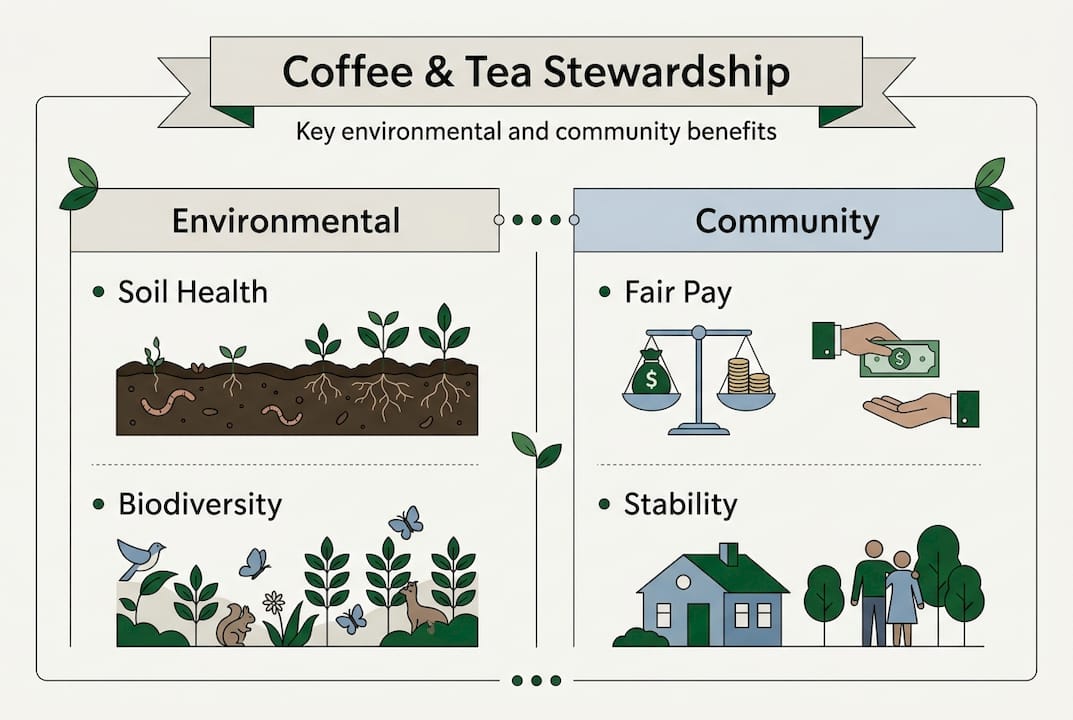
The evidence is genuinely exciting. Certified and stewardship-based farms consistently outperform conventional operations across a range of ecological metrics. Conventional farming causes deforestation, soil degradation, water pollution, and biodiversity loss. Stewardship-based approaches reverse those trends by restoring soil structure, conserving water, and dramatically lowering pesticide runoff.
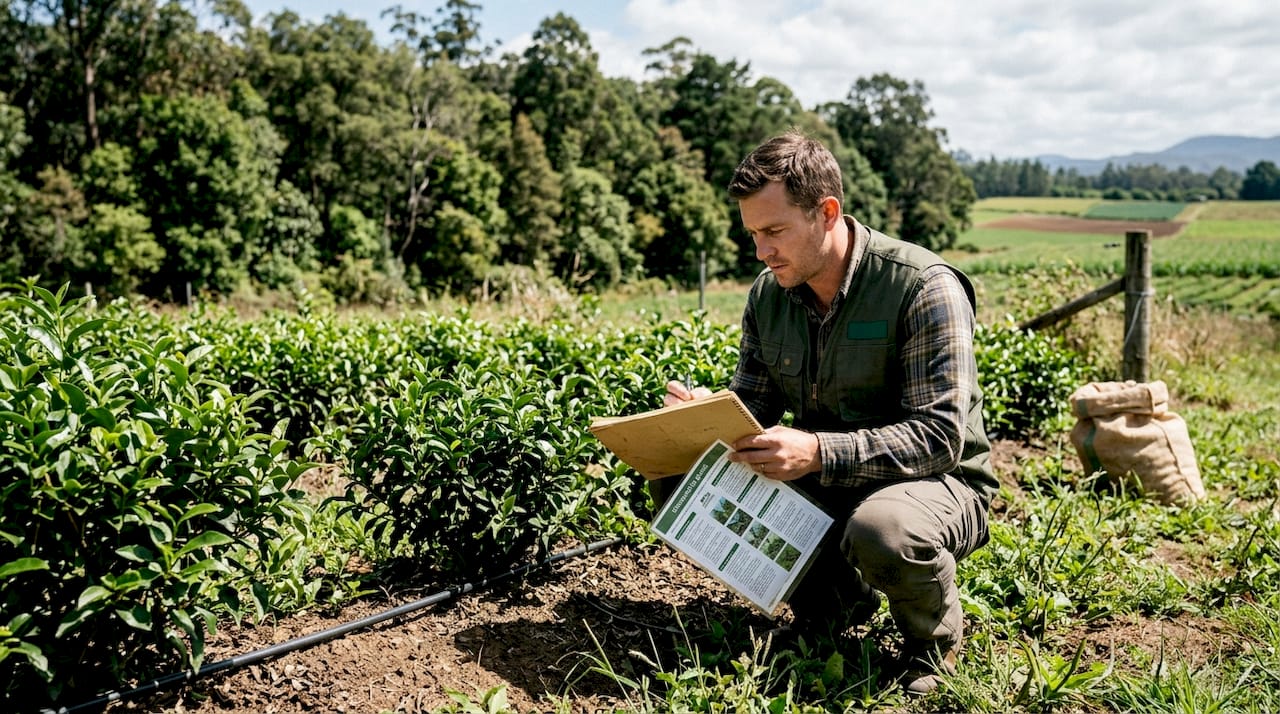
Agroforestry systems, in particular, are biodiversity powerhouses. They support species richness by mimicking natural forest structure, creating habitat corridors for birds, insects, and mammals. They also store significant amounts of carbon in tree biomass and soil, making them a genuine climate tool, not just a farming technique.
Here’s a quick overview of how stewardship stacks up against conventional methods:
| Practice | Conventional farming | Stewardship-based farming |
|---|---|---|
| Biodiversity | Low, monoculture-driven | High, multi-species systems |
| Soil health | Degraded over time | Restored through organic matter |
| Water use | High, often polluted runoff | Reduced, cleaner watersheds |
| Carbon storage | Minimal | Significant via agroforestry |
| Pesticide use | Heavy | Minimal or none |
Climate resilience is another critical advantage. Half of current arabica regions could become unsuitable for growing by 2050 without stewardship interventions. Shade-grown and regenerative farms are better insulated against temperature swings and erratic rainfall because their diverse plant systems buffer microclimates naturally.
Pro Tip: Look for farms and brands that practice regenerative agriculture and highlight soil health metrics in their impact reports. These farms are building long-term resilience, not just checking a certification box.
Want to understand how these farming systems directly support wildlife? Exploring coffee farming biodiversity gives you a vivid picture of what’s at stake and what’s possible.
The economic and social impact: How stewardship supports farmers and communities
Environmental stewardship isn’t just about nature. It’s inseparable from the people behind your coffee and tea.
Smallholder farmers grow the majority of the world’s coffee and tea, often on just a few acres of land. Without fair pricing and market access, these farmers are trapped in cycles of poverty that push them toward short-term, destructive farming practices just to survive. Stewardship-based certifications break that cycle.
Fairtrade and Rainforest Alliance certifications collectively benefit around 8 million farmers and workers globally. Fairtrade’s minimum price floor protects farmers from market crashes, while premiums fund community projects like schools, clinics, and clean water systems.
Here’s how the certification process typically works for farmers:
- Application and audit: Farmers or cooperatives apply for certification and undergo third-party inspections
- Standards compliance: They implement required environmental and labor practices
- Market access: Certified producers gain access to buyers willing to pay premium prices
- Premium distribution: Premiums are reinvested into community development projects
- Ongoing monitoring: Annual audits ensure continued compliance and improvement
| Outcome | Certified farms | Non-certified farms |
|---|---|---|
| Price stability | Guaranteed minimums | Volatile market prices |
| Community investment | Premiums fund local projects | Minimal reinvestment |
| Worker protections | Enforced labor standards | Variable, often weak |
| Environmental practices | Required and audited | Unregulated |
Understanding fair trade’s impact on coffee helps you see why the label on your bag matters beyond marketing. And if you want to compare coffee certification types side by side, that resource breaks down exactly what each one promises and delivers.
Pro Tip: When evaluating a brand’s social impact, look for specifics. Vague claims like “we support farmers” are less meaningful than published data on wages, cooperative membership rates, or community fund allocations.
Making better choices: How to support stewardship as a consumer
So, how do you translate all this insight into your daily coffee and tea routine?
The good news is that making a real difference doesn’t require a complete lifestyle overhaul. A few informed habits go a long way. Eco-conscious drinkers who choose certified products directly support smallholder farmers and foster more ethical, resilient supply chains.
Here’s how to make your choices count:
- Read labels carefully: Look for Rainforest Alliance, Fairtrade, USDA Organic, or Bird Friendly certifications. Each has different strengths, so knowing what they cover helps you prioritize
- Check for transparency: Brands that genuinely support stewardship usually publish sourcing details, farm names, or impact reports. If a website has no sourcing information, that’s a signal worth noting
- Favor cooperative-based brands: Cooperatives pool resources for smallholder farmers, giving them stronger negotiating power and shared infrastructure
- Ask about traceability: Can the brand tell you which country, region, or farm your coffee or tea came from? The more specific, the better
- Support brands with environmental commitments: Look for companies that plant trees, restore ecosystems, or remove ocean-bound plastics as part of their model
- Explore responsible sourcing: Understanding why sourcing practices matter helps you ask better questions when shopping
Pro Tip: Watch out for “coffeewashing,” which is when brands use green imagery and vague language without any verifiable certifications or impact data. Red flags include terms like “eco-friendly” or “sustainably inspired” without third-party verification. Also check out eco-conscious packaging tips to extend your impact beyond what’s inside the bag.
The overlooked nuance in supporting stewardship
After understanding the basics, it’s worth considering what most guides miss about coffee and tea stewardship.
Here’s an uncomfortable truth: not all certifications deliver equal impact. Some result in only marginal environmental gains, and the cost of obtaining and maintaining certification can actually burden small farmers who are already operating on thin margins. A certification badge doesn’t automatically mean transformational change.
Regenerative agriculture represents a genuine leap forward from “do no harm” to active restoration, but without standardized definitions, it risks becoming another form of coffeewashing. Meanwhile, evidence on certifications shows that while prices improve for certified farmers, gains in sales volume and wages are mixed.
This doesn’t mean certifications are worthless. It means you should look beyond the label. Seek out brands with transparent impact reporting, clear producer relationships, and honest communication about what they’re still working to improve. Real stewardship lives in the details, not just the logo. Exploring coffee certifications and ethics gives you the critical lens to evaluate brands with confidence.
Explore eco-conscious options that make a difference
Inspired to support stewardship with your everyday choices? Here’s where to start.
At EcoVibe Roast, we believe your morning cup should feel like a warm hug for both you and Mother Earth. Every purchase plants mangrove trees and removes ocean-bound plastics, so your ritual actively restores the planet.

From rich, aromatic coffees to vibrant herbal blends like our hibiscus berry tea, every product is thoughtfully sourced to respect people and ecosystems alike. Want to see exactly how your purchase makes an impact? Visit our environmental impact page to explore the real numbers behind every bag and box we ship.
Frequently asked questions
What does environmental stewardship mean in coffee and tea?
Environmental stewardship in coffee and tea means adopting production methods that protect forests, soil, and water while supporting ethical labor practices. Agroforestry and stewardship cut biodiversity impacts by 32 to 42% compared to conventional systems.
Why do certifications matter when buying coffee and tea?
Certifications ensure products meet verified environmental and social standards, creating accountability across the supply chain. Certified farmers earn higher net revenue and access premiums that fund community development.
How can I tell if a coffee or tea brand truly supports stewardship?
Look for recognized certifications, detailed sourcing information, and published impact reports rather than vague eco-claims. Transparency is key because some certifications get dropped due to cost, making honest reporting even more important.
Does buying certified coffee and tea really help the environment?
Yes, research consistently shows that certified products improve biodiversity, soil health, and worker conditions. Certified farms boost biodiversity and promote climate-resilient farming practices that protect ecosystems long term.


