

TL;DR:
- Energy efficient roasting reduces energy use in coffee and tea production by improving equipment, heat recovery, and process controls. Continuous systems and advanced insulation can cut energy consumption by up to 60%, supporting sustainability and rapid financial payback. Process optimization, including lighter roast profiles and automation, further enhances eco-friendly practices and market competitiveness.
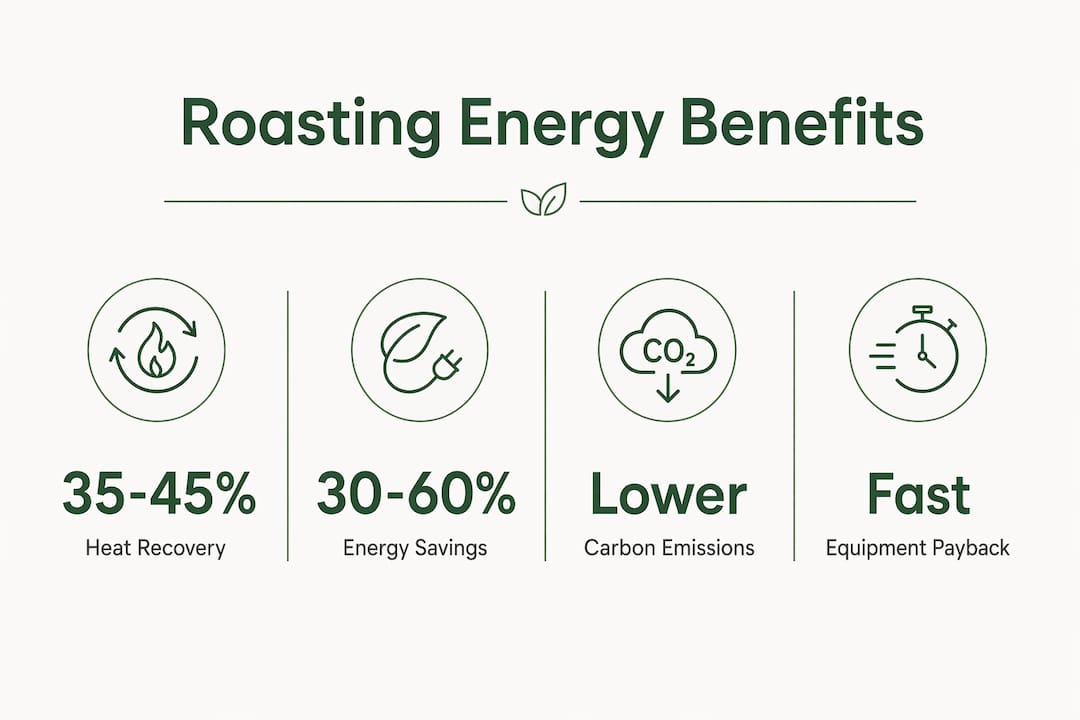
Energy efficient roasting is defined as the practice of minimizing energy consumption during coffee and tea roasting by combining advanced equipment, heat recovery systems, and optimized operational techniques. If you care about sustainability and the planet, this matters more than ever. The industry term for this approach is “low-energy thermal processing,” but most roasters and sustainability advocates simply call it energy efficient roasting. Technologies like multi-layer ceramic fiber insulation, variable frequency drives (VFDs), continuous roasting systems, and AI-driven automation are the core tools that make it possible. Together, they can cut energy use by 30% to 60% compared to conventional drum roasters, and that is a number worth paying attention to.
What technologies make roasting energy efficient?
The biggest gains in energy efficiency come from hardware upgrades that change how heat is generated, retained, and reused inside a roaster. Think of it like insulating your home: the better you trap the warmth, the less fuel you burn to stay comfortable.
Advanced insulation and heat retention
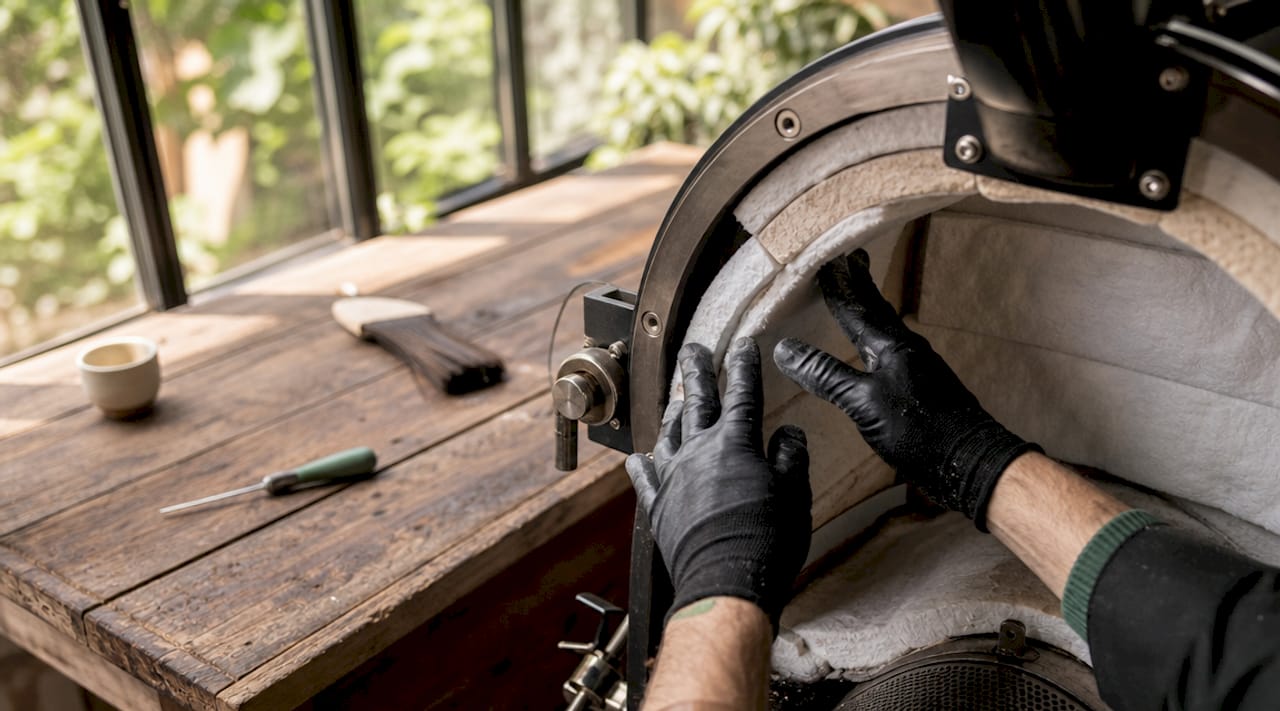
Multi-layer ceramic fiber insulation is one of the most impactful upgrades available. It cuts radiant heat loss by up to 60%, meaning far less energy escapes through the roaster walls. This single change reduces the energy your burner needs to maintain roasting temperatures, and it works in both batch and continuous systems.
Heat recovery and exhaust systems
Heat recovery systems capture 35% to 45% of exhaust heat to preheat incoming air, dramatically cutting the energy needed to bring fresh air up to roasting temperature. Instead of venting that thermal energy into the atmosphere, the system loops it back into the process. This is one of the smartest ways to reduce coffee waste sustainably and lower your carbon footprint at the same time.
VFDs, PID controllers, and smart automation
VFDs and PID controllers give operators precise control over burner output and fan speed. Using these tools reduces energy waste in burners by 15% to 25%, because the system only draws the power it actually needs at each stage of the roast. Without them, burners and fans often run at full capacity even when the roast does not require it.
Continuous vs. batch roasting systems
Continuous roasting systems maintain stable energy consumption throughout operation, which makes them far easier to pair with renewable energy sources compared to batch systems that create sharp energy peaks. Roasters like the Typhoon and Ray & Jules models from CEE are purpose-built for this kind of efficiency, and continuous roasters achieve 2.5 to 3 times greater efficiency than conventional drum roasters. That kind of performance gap is not marginal. It represents a fundamental rethinking of how heat transfer works in a roaster.
| Feature | Conventional drum roaster | Energy efficient roaster |
|---|---|---|
| Insulation | Standard steel shell | Multi-layer ceramic fiber |
| Heat recovery | None | Captures 35–45% of exhaust heat |
| Burner control | Manual or basic thermostat | VFDs and PID controllers |
| Energy use vs. conventional | Baseline | 30–60% lower |
| Renewable energy compatibility | Difficult due to energy peaks | Easier with stable consumption |
Pro Tip: If you are evaluating new equipment, ask manufacturers for specific energy consumption data per kilogram of roasted product. A roaster that looks affordable upfront can cost significantly more to operate over three years without this comparison.
How does roasting process optimization contribute to energy efficiency?
Hardware alone does not tell the whole story. The way you actually run a roast, including the profile you choose, the beans you start with, and how you manage each batch, has a major impact on energy use. Roasting process optimization is the practice of adjusting these operational variables to reduce energy demand without sacrificing flavor or quality.
Here are the key process factors that drive real-world efficiency:
- Roast degree selection. Light roast profiles require 33% less energy than dark roasts because they reach lower final temperatures and spend less time in the drum. If your product line allows for lighter profiles, this is an easy win.
- Green bean moisture management. High moisture content in green beans forces the roaster to spend extra energy evaporating water before the actual roasting chemistry begins. Consistent low-moisture inventories reduce this energy-intensive phase and improve batch predictability.
- Batch size and cooling cycle optimization. Running batches that are too small wastes the energy used to preheat the drum. Running batches that are too large strains the system and extends roast times. Managing thermal mass and airflow holistically, including cooling cycles, keeps real-world efficiency close to the machine’s rated performance.
- Automated real-time controls. Automated controls can improve process energy efficiency by up to 12% by responding to temperature and airflow data faster than any human operator can. Sensors detect deviations and adjust burner output instantly, preventing energy waste from over-correction.
- AI and predictive modeling. AI-driven simulation reduces the number of physical trial batches needed to dial in a new roast profile. Fewer trial batches means less wasted energy, less wasted green coffee, and faster time to a stable, repeatable roast.
Pro Tip: The two most common operator mistakes are improper preheating and mismatched batch sizes. Operator errors like these can completely negate the efficiency gains of even the best equipment. Build a written preheating protocol and stick to it every single session.
What are the environmental and economic benefits of energy efficient roasting?
The benefits of energy efficient roasting go well beyond lower utility bills, though those savings are real and significant. This approach connects directly to broader sustainability goals that matter to conscious consumers and forward-thinking producers alike.
On the environmental side, lower energy consumption means fewer carbon emissions from natural gas combustion and grid electricity. Continuous roasting systems also make it far easier to switch to renewable electricity because their stable power draw matches well with solar and wind generation profiles. This is a meaningful step toward zero-emission roasting, which is increasingly a goal for producers who want to align with renewable energy in coffee production.
On the economic side, the numbers are compelling. Energy efficient equipment investments typically have payback periods between 3 and 18 months due to savings on utilities and labor. That is a rapid return for a capital investment, and it means the equipment essentially pays for itself before most financing terms even expire.
| Benefit category | Impact |
|---|---|
| Energy cost reduction | 30–60% lower gas and electricity bills |
| Carbon emissions | Significant reduction, supports net-zero goals |
| Equipment payback period | 3 to 18 months |
| Renewable energy compatibility | Stable consumption enables solar and wind integration |
| Market positioning | Supports green certifications and eco-conscious branding |
Energy efficiency also strengthens your competitive position. Consumers who care about sustainability are actively choosing brands that can demonstrate lower environmental impact. Roasters who invest in low-impact roasting practices gain a credible story to tell, and that story resonates with a growing segment of coffee and tea buyers.
How to evaluate and implement energy efficient roasting practices
Adopting energy efficient roasting does not require replacing everything overnight. A structured approach helps you identify where the biggest gains are and prioritize investments that make sense for your scale and goals.
- Conduct an energy audit. Start by measuring your current energy consumption per kilogram of roasted product. Compare this against published benchmarks for your roaster model. This baseline tells you exactly how much room for improvement exists before you spend a single dollar on upgrades.
- Evaluate your equipment’s efficiency profile. Older drum roasters without insulation upgrades or heat recovery are the biggest targets. Check whether your current roaster supports VFD retrofits or PID controller integration, as these are often lower-cost upgrades than full equipment replacement.
- Upgrade insulation and add heat recovery. If full replacement is not yet feasible, insulation upgrades and exhaust heat recovery retrofits are the highest-impact modifications available. These changes address the two largest sources of energy waste in most conventional setups.
- Optimize your roast profiles and bean sourcing. Work with your green coffee supplier to source beans with consistent, lower moisture content. Review your roast profiles and assess whether lighter profiles are viable for any of your product lines without compromising the flavor your customers love.
- Implement continuous monitoring. Install sensors that track energy consumption in real time and flag deviations from your target profile. Regular maintenance, including burner calibration and insulation inspection, preserves the efficiency gains you have worked to achieve.
- Use software and consulting support. Platforms like Wizata offer AI-driven roasting optimization tools that reduce trial batches and improve consistency. Consulting with equipment specialists who understand both roasting chemistry and energy systems helps you avoid costly mistakes during implementation.
Understanding how the circular economy applies to coffee and tea production gives you a broader framework for thinking about energy, waste, and sourcing as interconnected systems rather than separate problems.
Key takeaways
Energy efficient roasting combines advanced equipment, process optimization, and heat recovery to cut energy use by up to 60% while reducing carbon emissions and delivering rapid financial returns.
| Point | Details |
|---|---|
| Core definition | Energy efficient roasting minimizes energy use through insulation, heat recovery, VFDs, and automation. |
| Biggest technology gains | Continuous roasters and ceramic fiber insulation deliver the largest efficiency improvements. |
| Process optimization matters | Light roast profiles, low-moisture beans, and correct batch sizing all reduce energy demand significantly. |
| Economic case is strong | Equipment payback periods range from 3 to 18 months, making investment financially sound. |
| Environmental impact | Lower energy use supports carbon reduction goals and easier integration with renewable energy sources. |
Why the future of roasting is greener than you think
I have spent years watching the coffee industry treat energy as an afterthought, something to manage after flavor, yield, and throughput. That is changing fast, and honestly, not fast enough. The shift I find most exciting is the move away from convection-heavy drum roasting toward systems that prioritize heat recuperation, the kind of rethinking that enables lower-temperature roasting without sacrificing the aromatic complexity that makes a great cup worth drinking.
What I keep telling people is this: automation and smart controls are not just about saving money. They are about removing the variability that wastes energy in the first place. When a PID controller responds to a temperature deviation in milliseconds, it is not just protecting your roast profile. It is preventing the energy bleed that happens every time a human operator over-corrects.
The roasters who will lead in 2026 and beyond are the ones treating equipment, process, and monitoring as a single integrated system rather than three separate concerns. The technology exists. The economic case is clear. What is missing in most operations is the willingness to audit honestly and invest deliberately. If you are reading this and you care about carbon-intelligent coffee, the best thing you can do is start with that energy audit. Everything else follows from knowing your actual numbers.
— LaSaundra
Sip sustainably with Ecoviberoast
Every cup of coffee you brew is connected to a roasting process somewhere, and the choices made at that stage shape the planet’s future as much as your morning ritual. At Ecoviberoast, every product is sourced with that connection in mind, from responsibly grown beans to packaging designed to leave as little behind as possible.

Ecoviberoast’s single-serve coffee pods bring that same eco-conscious commitment to your cup, with rich, aromatic flavor and the convenience you need without the environmental guilt. Each purchase supports mangrove tree planting and ocean-bound plastic removal, so your morning coffee becomes a warm hug for both you and Mother Earth. Explore the full single-serve collection and taste what sustainable roasting really means.
FAQ
What is energy efficient roasting in simple terms?
Energy efficient roasting is the practice of reducing the energy used to roast coffee or tea by combining better equipment, smarter heat management, and optimized roast profiles. The goal is to produce the same quality product while using significantly less gas or electricity.
How much energy can efficient roasting equipment save?
Energy efficient roasters can reduce gas and electricity consumption by 30% to 60% compared to conventional drum roasters, with continuous systems achieving up to three times greater efficiency. Payback periods on the investment typically range from 3 to 18 months.
Does roast profile affect energy consumption?
Yes, significantly. Light roast profiles require about one-third less energy than dark roasts because they reach lower final temperatures and spend less time in the drum, making roast degree one of the most accessible energy saving roasting methods available.
What role does heat recovery play in sustainable roasting?
Heat recovery systems capture 35% to 45% of exhaust heat and use it to preheat incoming air, reducing the energy the burner needs to maintain roasting temperatures. This is one of the most effective eco-friendly roasting techniques for both batch and continuous systems.
Can small-scale roasters benefit from energy efficient practices?
Absolutely. Even without full equipment replacement, small-scale roasters can improve efficiency through insulation upgrades, optimized batch sizing, consistent green bean moisture management, and better preheating protocols. These process-level changes deliver real savings without major capital investment.


