

TL;DR:
- The slow coffee movement emphasizes mindfulness, artisanal techniques, and sensory engagement over speed and convenience. It encourages manual brewing methods like pour-over and Chemex to deepen appreciation for flavor, origin, and the brewing process. Practicing slow coffee fosters intentionality, sustainability, community, and mindfulness, transforming daily routines into meaningful experiences.
The slow coffee movement is a deliberate philosophy of brewing and drinking coffee that prioritizes mindfulness, artisanal technique, and sensory richness over speed and convenience. Rather than grabbing a quick shot from an automatic machine, you slow down, engage with the process, and let the coffee reveal its full character. This approach, often called “third wave coffee” in specialty circles, centers on manual methods like pour-over, Chemex, and siphon brewing. Shivani Darsinos of Cafe Babu describes the experience as a shift from a quick caffeine fix to savoring process and taste, fostering curiosity and genuine connection with every cup.
What is the slow coffee movement and how does it work?
Slow coffee is defined by its insistence on manual control, quality ingredients, and full sensory engagement at every stage of brewing. The movement sits within the broader third wave coffee culture, which treats coffee as an artisan product worthy of the same attention a sommelier gives wine. Slow coffee employs manual brewing methods like pour-over, Chemex, siphon, and French press that emphasize gentle extraction, flavor clarity, and sensory enjoyment. These methods contrast sharply with fast espresso or automated drip machines, which prioritize volume and speed over nuance.
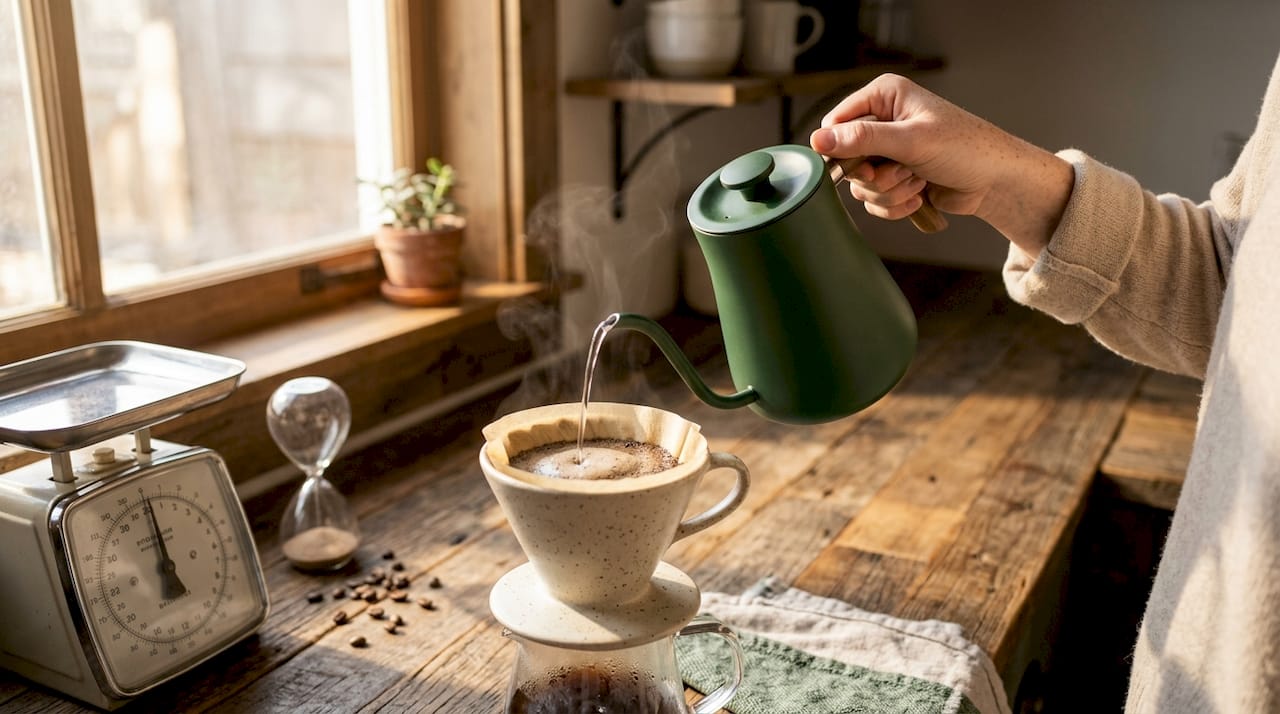
What makes slow coffee distinct is not just the equipment but the mindset. You are not simply making a beverage. You are engaging with origin, roast, grind size, water temperature, and pour rate as interconnected variables that shape the final cup. Manual slow coffee tools typically include burr grinders, gooseneck kettles, precision scales, and quality filters, all of which give you meaningful control over extraction. Using these tools allows you to produce a cup that showcases the bean’s natural nuances rather than masking them.
Brewing methods compared
Here is how the most popular slow coffee methods differ in technique, brew time, and flavor profile:
| Method | Brew time | Flavor profile | Skill level |
|---|---|---|---|
| Pour-over (V60) | 3 to 4 minutes | Clean, bright, floral | Intermediate |
| Chemex | 4 to 5 minutes | Crisp, smooth, light body | Beginner friendly |
| Siphon | 5 to 8 minutes | Complex, tea-like, aromatic | Advanced |
| French press | 4 minutes | Full body, rich, bold | Beginner friendly |
| AeroPress (slow method) | 2 to 3 minutes | Concentrated, versatile | Beginner friendly |
Each method produces a genuinely different sensory experience from the same beans. That variety is part of what makes slow coffee so rewarding to explore.
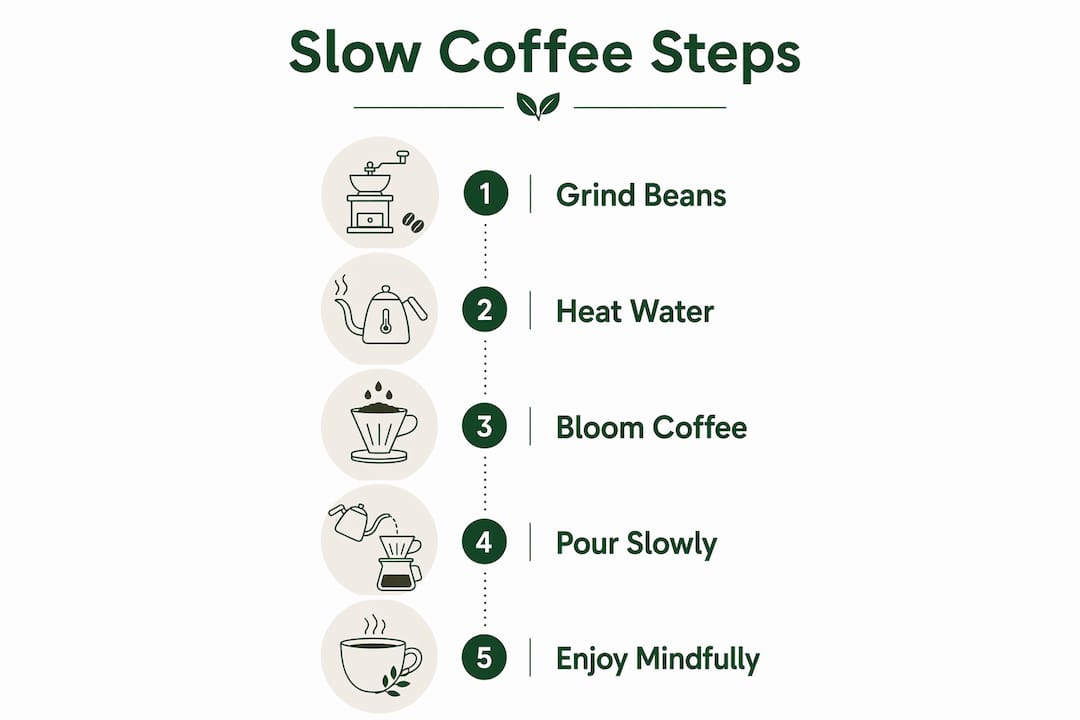
Pro Tip: When using a pour-over or Chemex, pour in slow, concentric circles starting from the center outward. This saturates the grounds evenly and prevents channeling, where water rushes through one path and under-extracts the rest of the bed.
How does slow coffee connect to broader cultural trends?
The slow coffee movement does not exist in isolation. It is one expression of a much larger cultural pushback against the relentless pace of modern life. The movement aligns with slow living and mindfulness trends, encouraging intentionality, presence, and sensory appreciation as antidotes to burnout and convenience-driven consumption. When you brew a Chemex instead of hitting a drive-through, you are making a quiet statement about how you want to spend your time and attention.
James Hoffmann, one of the most recognized voices in specialty coffee, notes a cultural rebellion against hustle culture embedded in slow coffee and related trends, emphasizing quality and experience over pure function. This resonates deeply with a generation that grew up with instant everything and is now actively choosing friction, craft, and presence. Alex Snider takes this further, describing slowmaxxing as a wellness trend where intentionally slowing down daily activities, including coffee preparation, increases presence and joy.
Slow coffee bars are the most visible expression of this cultural shift. Slow coffee bars function as the “chef’s table” of coffee, offering personalized, step-by-step brewing experiences that deepen consumer connection to the craft. At these venues, a barista might walk you through the origin of the beans, the roast profile, and the brewing method before you take a single sip. That educational intimacy is something no espresso machine can replicate.
The cultural values the slow coffee movement embodies include:
- Intentionality: Choosing process over convenience and savoring each step
- Sustainability: Prioritizing ethically sourced, shade-grown beans and minimal waste
- Community: Sharing the brewing ritual and conversation with others
- Education: Learning about bean origins, processing methods, and roast profiles
- Mindfulness: Using brewing as a meditative, grounding practice
These values make slow coffee culture feel less like a hobby and more like a way of living.
What are the benefits of slow coffee for enthusiasts?
The benefits of slow coffee go well beyond a better-tasting cup, though that alone is worth the effort. Slow coffee transforms brewing from a mundane task to an immersive, rewarding ritual, delivering emotional, sensory, and educational rewards that fast coffee simply cannot offer. Think of it as a warm hug for both you and your senses, one that also happens to be genuinely good for your mental state.
Flavor depth you can actually taste. Manual brewing methods extract coffee more gently and precisely than automated machines. This means you pick up floral, fruity, or chocolatey notes that a standard drip machine would flatten. Learning to identify these flavors is its own form of education, and it makes every cup more interesting. Pairing this with knowledge of single-origin beans deepens your appreciation even further, since you can trace a specific flavor back to a specific farm or region.
A genuine mindfulness practice. Slow coffee offers an immersive, sensory-rich experience involving stages like blooming the grounds, slow pouring, and watching the extraction, all of which engage your full attention. These steps function as a natural mindfulness exercise, pulling you out of distraction and into the present moment. Alex Snider’s research on slowmaxxing confirms that practicing slowness in routine activities helps prevent burnout and allows people to experience daily life with more presence and joy.
Social and community connection. Slow coffee naturally invites conversation. Whether you are brewing for a friend at home or sitting at a slow coffee bar while a barista explains the siphon process, the ritual creates space for genuine human connection. That social dimension is something a grab-and-go coffee culture actively discourages.
How to start practicing slow coffee at home
Starting your slow coffee practice does not require a dramatic overhaul of your morning routine. A few deliberate changes to your equipment and mindset are all it takes to begin experiencing the difference.
- Choose one manual method to start. The Chemex or a simple pour-over dripper like the Hario V60 are ideal entry points. Both are affordable, forgiving, and produce a noticeably cleaner cup than automatic drip machines.
- Invest in a burr grinder. Blade grinders produce uneven particle sizes that lead to inconsistent extraction. A burr grinder, even a hand-cranked one, gives you uniform grounds and immediate flavor improvement.
- Use a gooseneck kettle. The narrow spout gives you precise control over pour rate and direction, which directly affects how evenly the grounds are saturated. This single tool makes the biggest difference for beginners.
- Bloom your grounds first. Pour just enough hot water to saturate the grounds and wait 30 to 45 seconds before continuing. This releases trapped carbon dioxide and prepares the bed for even extraction. The blooming stage is one of the most satisfying visual moments in slow brewing.
- Slow down and observe. Watch the color of the liquid as it drips. Notice the aroma as the grounds bloom. Taste the coffee at different temperatures. This sensory engagement is the whole point.
Pro Tip: The most common beginner mistake is using water that is too hot. Water between 195°F and 205°F (just off the boil) extracts coffee without scorching it. Boiling water at 212°F over-extracts and produces bitterness, especially with lighter roasts.
If you want the slow coffee bar experience without leaving your neighborhood, look for specialty cafés that offer pour-over or siphon service at the bar. Ask the barista questions. Most slow coffee professionals genuinely love sharing what they know, and that conversation is part of the experience Shivani Darsinos describes at Cafe Babu. You can also explore how slow roasting shapes your cup to understand how the roast profile interacts with your chosen brewing method.
Key takeaways
The slow coffee movement is the most effective way to transform a daily habit into a mindful, flavorful, and culturally meaningful practice.
| Point | Details |
|---|---|
| Core definition | Slow coffee prioritizes manual brewing, sensory engagement, and quality over speed. |
| Key brewing methods | Pour-over, Chemex, siphon, and French press each produce distinct flavor profiles worth exploring. |
| Cultural connection | The movement reflects slow living and slowmaxxing wellness trends that counter burnout. |
| Primary benefits | Enhanced flavor, mindfulness, education about origins, and genuine social connection. |
| Starting point | A Chemex or V60, a burr grinder, and a gooseneck kettle are all you need to begin. |
Why slow coffee is worth every extra minute
I have spent years writing about food and beverage culture, and slow coffee is one of the few trends I have watched grow from a niche specialty into a genuine cultural movement. What strikes me most is how it reframes the question we ask about coffee. Most people ask, “How do I get my caffeine faster?” Slow coffee asks, “What does this cup actually taste like, and where did it come from?”
That shift sounds small, but it changes everything. When I started brewing pour-over at home, I noticed flavors in beans I had been drinking for years that I had completely missed. A Kenyan bean I had dismissed as “just coffee” turned out to have a bright, berry-forward character that was genuinely surprising. That discovery only happened because I slowed down enough to pay attention.
My honest advice: do not wait until you have the perfect setup. Start with what you have, slow down by even five minutes, and pay attention. The movement is not about gear. It is about presence. And in a world that rewards speed above almost everything else, choosing presence is a quiet act of resistance that also happens to produce a better cup of coffee.
— LaSaundra
Brew mindfully with Ecoviberoast

At Ecoviberoast, we believe your slow coffee ritual deserves beans that are as thoughtfully sourced as your brewing process is intentional. Every product in our collection comes from responsibly farmed, sustainably processed origins, so you know exactly what is in your cup and where it came from. Whether you are perfecting your pour-over technique or exploring new flavor profiles, our 60-pack single serve pods offer premium, sustainably sourced coffee with the rich, aromatic character slow coffee lovers appreciate. Each purchase also supports mangrove tree planting and ocean-bound plastic removal, making your morning ritual a warm hug for Mother Earth too. Explore the full single serve collection and find your perfect slow coffee companion.
FAQ
What is slow coffee, exactly?
Slow coffee is a mindful approach to brewing that uses manual methods like pour-over, Chemex, or siphon to emphasize flavor clarity, sensory engagement, and intentionality over speed. It is closely associated with third wave coffee culture and the broader slow living movement.
How is slow coffee different from regular drip coffee?
Slow coffee uses manual brewing tools and precise technique to gently extract flavor, producing a noticeably cleaner and more nuanced cup than automated drip machines. The process also engages the brewer’s attention and senses in a way that automatic machines do not.
What equipment do I need to start slow coffee at home?
A burr grinder, a gooseneck kettle, a precision scale, and a pour-over dripper or Chemex are the core tools for home slow coffee brewing. These allow you to control grind size, water temperature, and pour rate, the three variables that most directly affect flavor.
Is slow coffee connected to sustainability?
Yes. The slow coffee movement strongly values ethical sourcing, traceable supply chains, and environmentally responsible farming practices. Many slow coffee enthusiasts actively seek out shade-grown, fair-trade, or single-origin beans as part of their commitment to conscious consumption.
Can slow coffee help with stress or burnout?
Research on slowmaxxing, a wellness trend studied by Alex Snider, shows that practicing slowness in routine activities like coffee brewing helps prevent burnout and increases daily presence and joy. The meditative stages of slow brewing, including blooming, pouring, and observing extraction, function as a natural mindfulness practice.


