

TL;DR:
- Rainforest flavors are derived from tropical ecosystems and offer unique tastes that conventional farms cannot replicate. They support biodiversity, provide nutritional benefits, and promote sustainable practices that preserve forests and Indigenous cultures. Incorporating freeze-dried, single-origin powders ensures quality, flavor, and environmental responsibility in beverages.
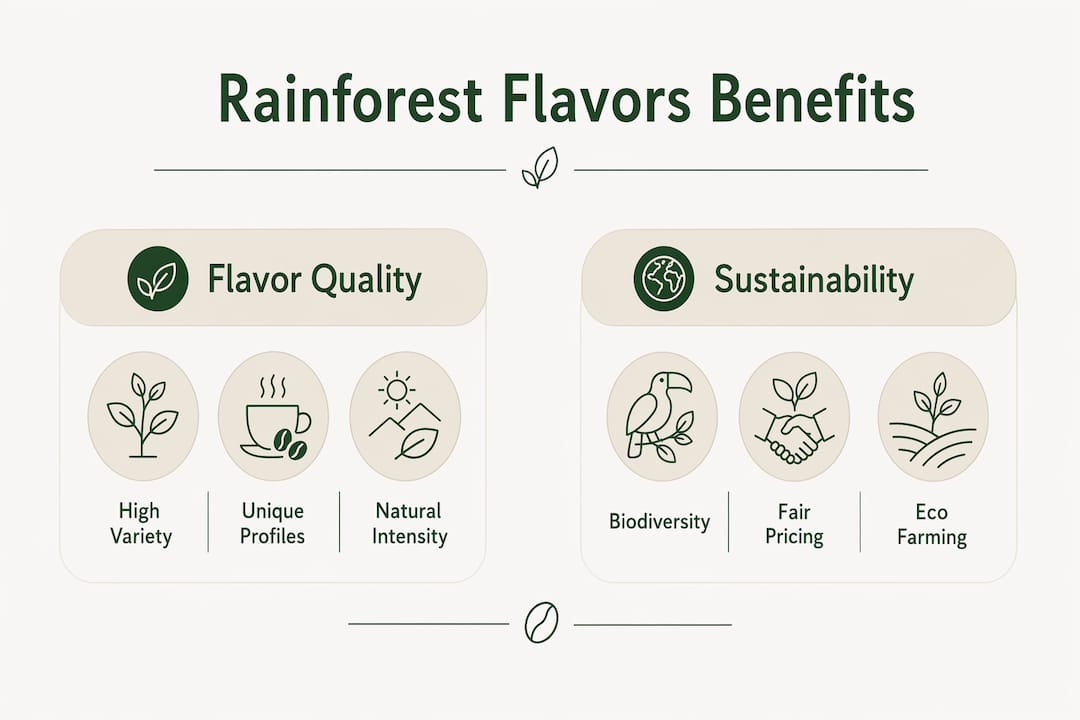
Rainforest flavors are ingredients harvested from biodiverse tropical ecosystems that deliver tastes no conventional farm can replicate. The global fruit powder market, including many rainforest-sourced ingredients, exceeded $26 billion in 2024, driven by consumers who want minimally processed, sustainable options. That number tells you something important: the shift toward rainforest flavors is not a niche trend. It is a mainstream movement backed by real demand. Understanding why choose rainforest flavors means looking at three things together: unmatched flavor diversity, genuine health benefits, and a positive impact on the planet and the people who tend it.
Why choose rainforest flavors over conventional options?
Rainforest flavors come from ecosystems that hold more edible variety than any farm system ever built. Rainforests contain more than 3,000 edible fruit and vegetable species, yet fewer than 200 have been commercially cultivated as of mid-2026. That gap represents a world of flavor waiting to reach your cup. Conventional agriculture, by contrast, relies on a narrow set of crops bred for yield and shelf life, not taste complexity.
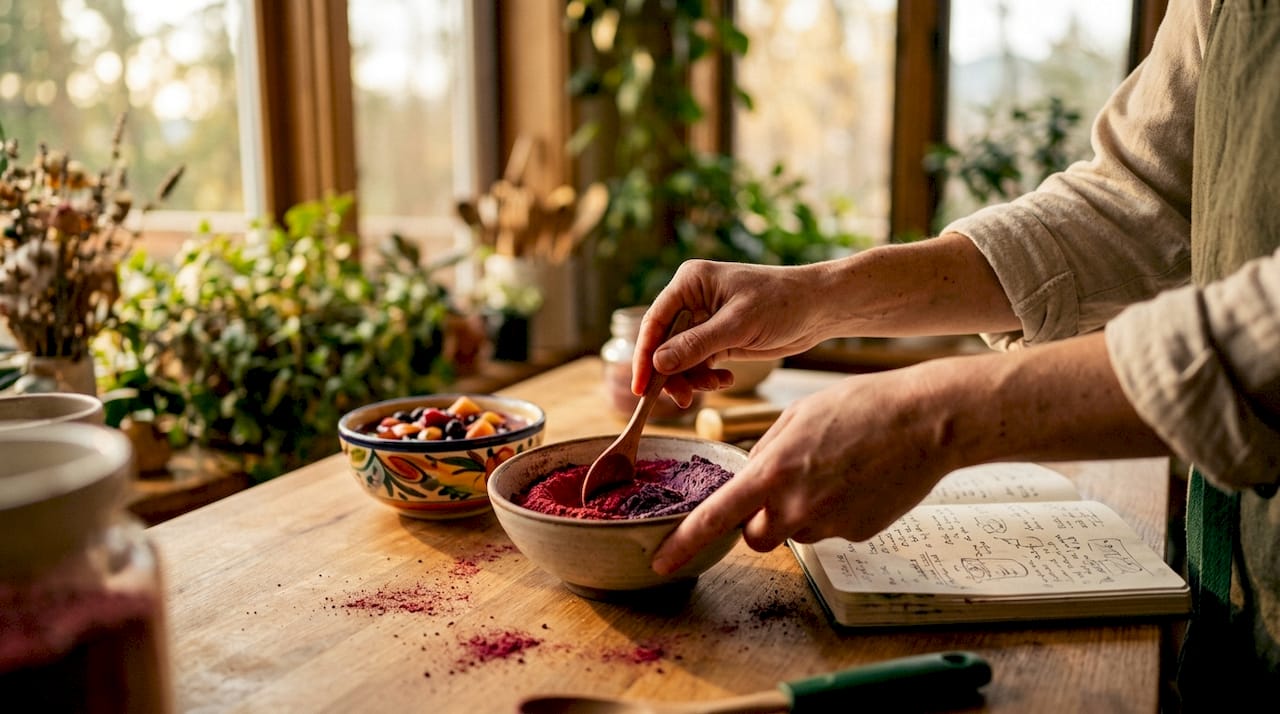
The benefits of rainforest flavors show up most clearly when you compare them to standard fruit extracts. A mass-produced strawberry flavoring is engineered to taste like a strawberry. A freeze-dried araza powder tastes like nothing you have had before: bright, citrusy, and faintly floral, with a depth that builds as you drink. That kind of sensory experience is simply not available from commodity ingredients.
Choosing rainforest flavors also means supporting a supply chain that values biodiversity over monoculture. That choice has ripple effects on ecosystems, communities, and the long-term health of the planet. The sections below break down each advantage in detail.
What flavor diversity do rainforest ingredients offer?
The flavor range inside a single rainforest outpaces anything a conventional ingredient catalog can offer. Each species carries a taste profile shaped by its specific microclimate, soil, and the native pollinators that visit it. Amazonian agroforestry benefits from diverse native pollinators, which improve fruit quality, disease resistance, and flavor complexity in ways that monoculture farming cannot reproduce.
A few standout examples show just how wide the flavor spectrum runs:
- Cacao pulp: Freeze-dried cacao pulp powder delivers a light citrusy sweetness and creamy texture, making it ideal for both sweet and savory beverages. Most people only know cacao as bitter chocolate. The pulp is its opposite.
- Araza: This Amazonian fruit offers a tart, tropical brightness with a creamy mouthfeel. It works beautifully in smoothies, sparkling drinks, and cold brew blends.
- Terung dayak: A wild eggplant native to Borneo with a savory, slightly smoky profile that chefs like Robbie Balcarek use to connect diners to Indigenous food traditions.
- Acai: Dense, berry-forward, and slightly earthy. Its natural phenolic compounds add both color and antioxidant depth to any drink.
What makes rainforest flavors special is also a matter of terroir. Amazon floodplain cocoa grows under a dense forest canopy that naturally irrigates and protects crops, producing flavor-rich yields that monoculture farming cannot match. The forest itself is the growing system, and that system creates taste profiles with genuine complexity.
Pro Tip: When you add a rainforest fruit powder to a beverage, start with a small amount and taste as you go. These ingredients are concentrated and layered, so a little goes further than you expect.
How do rainforest flavors support health benefits in beverages?
Rainforest ingredients are not just flavorful. They carry a nutritional profile that functional beverage brands are only beginning to tap. Amazonian araza is rich in phenolic compounds, vitamins A, B1, and C, and essential minerals, with documented benefits for immune support, anti-inflammation, and cardiovascular health. That is a meaningful functional profile for a single ingredient.
The way an ingredient is processed matters as much as what it contains. Freeze-drying preserves more flavor and nutrients than spray-drying or juice-based processing, and it avoids fillers like maltodextrin that dilute both taste and nutritional value. A freeze-dried acai powder added to a morning smoothie delivers its antioxidants intact. A spray-dried version with added maltodextrin delivers far less.
Here is a quick comparison of how processing methods affect ingredient quality:
| Processing method | Nutrient retention | Filler risk | Flavor intensity |
|---|---|---|---|
| Freeze-dried powder | High | None | Strong |
| Spray-dried powder | Moderate | Common (maltodextrin) | Mild |
| Juice concentrate | Low | Moderate | Diluted |
| Fresh whole fruit | Highest | None | Variable |
The practical takeaway for beverage formulation is clear. Freeze-dried rainforest powders give you the most nutritional and sensory return per gram. They dissolve well, blend cleanly, and do not require artificial stabilizers to hold their profile in a finished drink.
Pro Tip: Look for rainforest ingredient suppliers who list their processing method on the label. “Freeze-dried” and “no additives” are the two phrases that signal genuine quality.
What environmental and social advantages come from choosing rainforest flavors?
The advantages of rainforest tastes extend well beyond what ends up in your glass. Sustainable rainforest farming practices support ecosystem preservation, biodiversity, and fair-price models that protect local livelihoods and reduce deforestation pressure. Every purchase of a rainforest-sourced ingredient is a small vote for a farming system that keeps forests standing.
Compare that to conventional monoculture. A palm oil plantation or a conventional cocoa farm clears the canopy, depletes the soil, and supports a fraction of the biodiversity that a managed rainforest system does. The eco-friendly flavoring advantages of choosing rainforest-sourced ingredients are measurable in acres of forest preserved and in the number of species that continue to thrive there.
The social dimension is just as significant. Chef Robbie Balcarek points out that rainforest flavors like terung dayak preserve Indigenous food culture and the knowledge systems tied to it. When a community earns fair prices for wild-harvested ingredients, it has a financial reason to protect the forest rather than clear it. That connection between flavor, culture, and conservation is one of the most compelling reasons to select rainforest flavors over commodity alternatives.
Choosing rainforest-sourced ingredients does more than flavor your drink. It funds the communities who protect the forests, preserves culinary traditions at risk of disappearing, and keeps ecosystems intact that no amount of reforestation can quickly replace.
Key environmental and social benefits at a glance:
- Biodiversity protection: Managed rainforest farming supports thousands of plant and animal species that monoculture destroys.
- Deforestation reduction: Fair-priced harvesting gives communities an economic reason to keep forests standing.
- Cultural preservation: Indigenous knowledge of edible species is passed down when those species have commercial value.
- Carbon sequestration: Standing forests store carbon. Buying rainforest-sourced ingredients supports that storage.
- Certifications: Look for Rainforest Alliance Certified labels to verify that sourcing meets real environmental standards.
How can you practically select and use rainforest flavors?
Knowing the benefits of rainforest flavors is one thing. Putting them into your daily beverage routine is another. The good news is that sourcing and using these ingredients has become much more accessible as consumer demand grows. Here is a practical approach to getting started.
-
Choose freeze-dried, additive-free powders. This is the single most important quality signal. Freeze-dried powders retain flavor and nutrients without fillers. Check the ingredient list: it should contain only the fruit or plant name, nothing else.
-
Match the flavor profile to your drink base. Cacao pulp powder works beautifully in cold brew and sparkling water. Araza pairs well with green tea and light herbal blends. Acai adds depth to protein shakes and smoothie bowls. Understanding the flavor profile before you buy saves waste and produces better results.
-
Prioritize traceability. A quality supplier lists the origin country, the farming method, and the processing technique. If that information is not on the label or the product page, ask for it. Traceability is the foundation of ethical sourcing practices.
-
Start with single-origin ingredients. Single-origin rainforest ingredients carry a specific terroir that blended products erase. Starting with a single-origin araza or cacao pulp teaches you what the ingredient actually tastes like before you start combining it with others.
-
Follow market trends toward minimally processed options. Consumer demand for sustainable beverage ingredients is rising steadily. Brands that build their flavor profiles around rainforest-sourced ingredients now are positioning themselves ahead of a market shift already underway.
Pro Tip: Store freeze-dried rainforest powders in an airtight container away from heat and light. Moisture is their main enemy. A sealed jar in a cool pantry keeps them fresh and potent for months.
Key Takeaways
Rainforest flavors deliver the strongest combination of taste diversity, functional nutrition, and environmental benefit available in the beverage ingredient market today.
| Point | Details |
|---|---|
| Unmatched flavor variety | Over 3,000 edible rainforest species offer taste profiles unavailable from conventional farming. |
| Superior nutritional value | Freeze-dried rainforest powders retain vitamins, minerals, and antioxidants without fillers. |
| Environmental preservation | Sustainable rainforest sourcing reduces deforestation and supports biodiversity. |
| Cultural and social impact | Fair-priced harvesting funds Indigenous communities and preserves culinary heritage. |
| Practical sourcing tip | Choose freeze-dried, single-origin, additive-free powders with clear traceability. |
Why I think rainforest flavors are the most underrated shift in beverages right now
I have spent years watching beverage trends come and go. Matcha had its moment. Turmeric lattes peaked and faded. But rainforest flavors feel genuinely different to me, and here is why.
Most flavor trends are built on a single ingredient that gets overexposed fast. Rainforest flavors are built on an ecosystem with thousands of ingredients, most of which have never reached a commercial kitchen. That depth means the trend has room to grow for decades, not months.
What I find most compelling is the feedback loop between flavor and conservation. When a wild-harvested ingredient earns fair market value, the community that harvests it protects the forest. That is not marketing language. It is basic economics working in the right direction for once. The rainforest-friendly beverage options that exist today are proof that this model works at scale.
The honest challenge is sourcing quality. Not every product labeled “rainforest-inspired” is freeze-dried, additive-free, or traceable. Consumers who do not read labels carefully end up with spray-dried powders full of maltodextrin and very little of the actual ingredient they paid for. My advice: treat the ingredient label the same way you treat a nutrition label. Read it every time.
— LaSaundra
Ecoviberoast’s rainforest-inspired coffee pods
Ecoviberoast brings the spirit of rainforest-sourced flavors directly to your morning cup. Every product in the Ecoviberoast lineup is built around responsible sourcing, rich taste, and a genuine commitment to the planet.

The 60-pack single-serve coffee pods deliver a full-bodied, aromatic brew that reflects the same values this article covers: quality ingredients, sustainable sourcing, and a flavor experience worth waking up for. Each purchase also supports Ecoviberoast’s commitment to planting mangrove trees and removing ocean-bound plastics. If you want to taste what responsible sourcing feels like in your cup, the single-serve collection is the place to start.
FAQ
What are rainforest flavors exactly?
Rainforest flavors are taste profiles derived from ingredients sustainably harvested from tropical rainforest ecosystems. They include fruits, pulps, and plant extracts from species like araza, cacao pulp, and acai that are not found in conventional agriculture.
Why are rainforest flavors better for the environment?
Sustainable rainforest farming preserves biodiversity, reduces deforestation, and supports fair pricing for local communities. This model keeps forests standing, which is the most effective form of carbon storage and ecosystem protection available.
What makes freeze-dried rainforest powders the best choice?
Freeze-drying retains more nutrients and flavor than spray-drying and avoids fillers like maltodextrin. The result is a more potent, cleaner ingredient that delivers both taste and functional health benefits in every serving.
How do rainforest flavors support Indigenous communities?
Fair-priced harvesting of wild rainforest ingredients gives Indigenous communities an economic reason to protect their forests. It also preserves traditional culinary knowledge tied to species that would otherwise have no commercial value.
Are rainforest flavors practical for everyday beverages?
Yes. Freeze-dried rainforest powders dissolve easily in cold brew, smoothies, teas, and sparkling water. A small amount delivers strong flavor, so a single bag lasts longer than most conventional flavor additives.


