

TL;DR:
- Eco-friendly tea brewing involves using loose leaf tea, reusable infusers, and filtered tap water.
- Precise temperature control and small water amounts reduce energy waste and improve flavor.
- Reusing tea leaves and batch brewing further minimize waste and maximize sustainability.
You love a great cup of tea, but somewhere between filling the kettle and tossing out another soggy tea bag, a quiet guilt creeps in. Are you wasting energy? Is that plastic-wrapped bag ending up in a landfill? The good news is that brewing tea in a way that’s genuinely kind to the planet doesn’t mean sacrificing flavor. In fact, the most eco-friendly methods often produce the richest, most aromatic cups you’ve ever tasted. This step-by-step guide walks you through everything, from choosing the right tools to steeping like a pro, so every sip feels like a warm hug for both you and Mother Earth.
Table of Contents
- Gather your eco-friendly tea essentials
- Step-by-step process for eco-friendly brewing
- Compare brewing methods: energy, flavor, and waste
- Verify your process: taste, waste, and sustainability checklist
- Why eco-friendly tea brewing is about small changes, not perfection
- Try sustainable teas and coffee for an even greener cup
- Frequently asked questions
Key Takeaways
| Point | Details |
|---|---|
| Choose loose leaf tea | Loose leaf minimizes packaging waste and supports more sustainable transport. |
| Heat only what you need | Precise water measurement and temperature control cut energy use and avoid over-boiling. |
| Reuse leaves and compost | Using leaves for multiple steeps and composting reduces waste and benefits your garden. |
| Evaluate your process | Check flavor, waste, and energy use regularly to perfect your eco-friendly routine. |
Gather your eco-friendly tea essentials
After seeing what’s possible, let’s get your eco brewing station ready. Having the right setup from the start makes sustainable brewing feel natural rather than complicated.
Your core toolkit:
- Electric kettle with temperature control: This is your best friend for precision and energy savings. A kettle that lets you set the exact temperature means no guessing and no over-boiling.
- Reusable infuser or strainer: A stainless steel or silicone infuser eliminates the need for disposable bags entirely.
- A sturdy mug you love: Sounds simple, but a mug you actually enjoy using means fewer disposable cups in your life.
Choose your tea wisely. Loose leaf teas reduce overall production and transportation impacts compared to bagged teas, so they’re the smarter eco choice right from the start. Herbal blends tend to have an even lower footprint because they skip the processing steps required for traditional black and green teas. If you’re looking for eco-conscious tea selection tips, there are some fantastic options that align flavor and values beautifully.
Water source matters more than you think. Filtered tap water is the most sustainable option available to most people. It skips the packaging waste of bottled water and, when filtered properly, delivers clean, neutral water that lets your tea’s natural flavors shine through. Avoid distilled water, which can make tea taste flat and lifeless.
Packaging is part of the picture. When you buy tea, look for bio-based or recyclable packaging. Single-use plastic wrapping and individually foil-sealed bags add up fast. Exploring plastic-free tea options is one of the easiest swaps you can make today.
| Essential | Eco-friendly choice | What to avoid |
|---|---|---|
| Tea type | Loose leaf, herbal blends | Individually wrapped tea bags |
| Infuser | Stainless steel or silicone | Single-use paper filters |
| Kettle | Electric with temperature control | Stovetop with no heat control |
| Water | Filtered tap water | Bottled or distilled water |
| Packaging | Recyclable or compostable | Plastic-wrapped, foil-sealed |
Pro Tip: Many high-quality loose leaf teas can be steeped two or even three times before the flavor fades. Multi-steeping stretches your purchase further, reduces waste, and honestly, the second steep of a good oolong is something special.
Step-by-step process for eco-friendly brewing
With your materials ready, let’s brew eco-consciously step by step. Precision is your secret weapon here, both for flavor and for the planet.
-
Measure your water first. Fill your kettle with only as much water as you actually need for your cup or pot. Heating excess water wastes energy every single time, and it’s one of the most common habits that quietly inflates your carbon footprint.
-
Set the right temperature. Different teas need different heat levels. Green tea thrives at around 160 to 180°F (70 to 82°C), black tea loves 200 to 212°F (93 to 100°C), and most herbal teas do well at a full boil. Your temperature-controlled kettle makes this effortless.
-
Avoid prolonged boiling. Over-boiling is a major waste source and it actually harms your tea’s flavor by driving off the delicate aromatic compounds that make each variety unique. Heat to the target temperature and stop there.
-
Add your loose leaf tea to the infuser. Use about one teaspoon per eight ounces of water as a starting point, then adjust to your taste over time.
-
Steep for the right amount of time. Green tea: two to three minutes. Black tea: three to five minutes. Herbal blends: five to seven minutes. Going over these windows leads to bitterness, which is a sign of wasted potential in both flavor and resources.
-
Remove the infuser and enjoy. Don’t leave leaves sitting in hot water after steeping. Set them aside for a second steep or move straight to composting.
-
Reuse your leaves when possible. High-quality loose leaf teas are built for multiple infusions. For detailed in-depth sustainable brewing steps, you’ll find guidance on getting the most from every batch.
Did you know? Smarter brewing habits at a national scale could save the equivalent of up to 93,000 euros per year in energy costs, showing just how much those small kettle choices really add up.
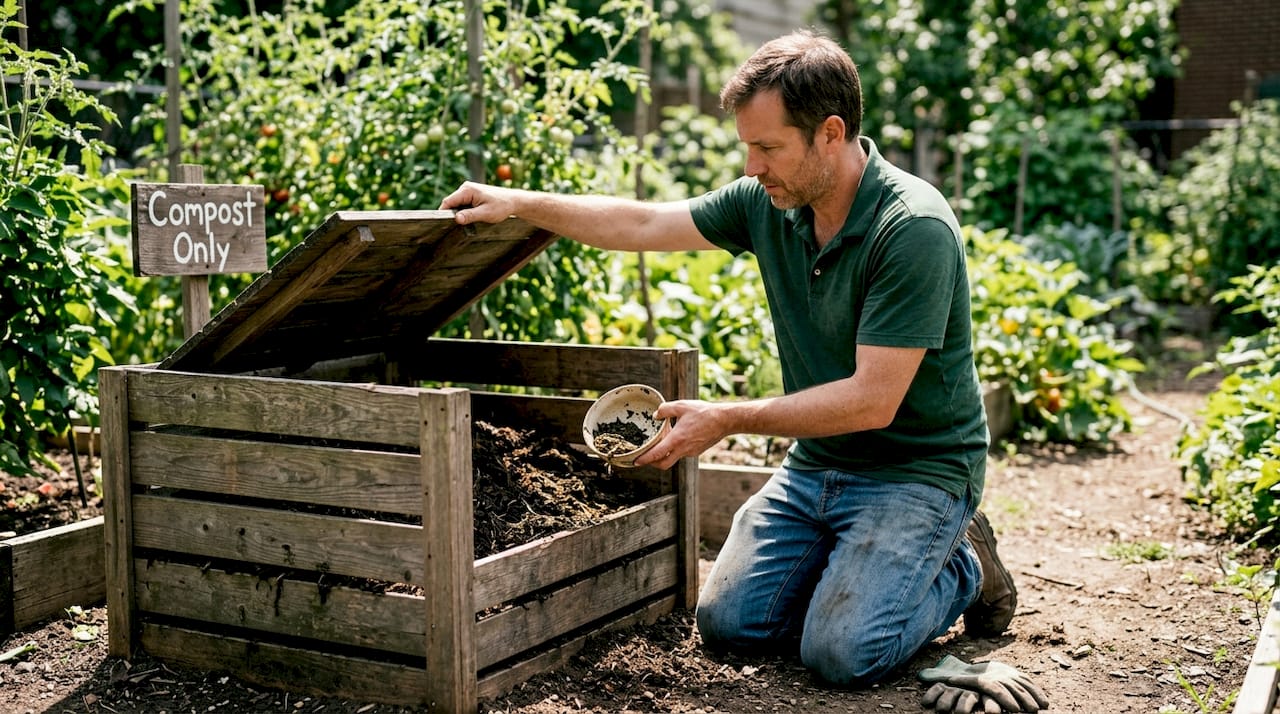
Pro Tip: After steeping, save your used tea leaves and scatter them around your garden plants or add them to your compost bin. They’re rich in nitrogen and make a surprisingly effective natural fertilizer.
Compare brewing methods: energy, flavor, and waste
Now that you have the basics, see which brewing approach fits your eco and flavor priorities. Not all methods are created equal, and understanding the tradeoffs helps you make smarter choices every morning.
Energy efficiency in brewing varies widely, from 31% to 70%, depending on the method you use. That’s a massive range, and it means your choice of brewing tool genuinely matters for your environmental footprint.
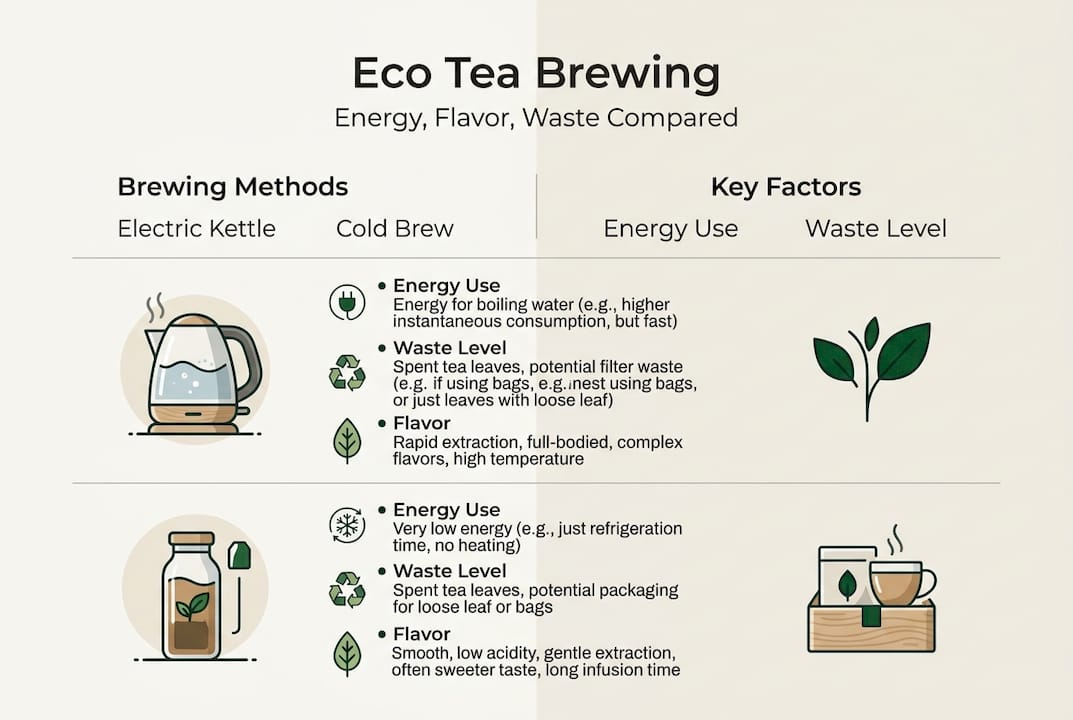
| Brewing method | Energy efficiency | Flavor quality | Waste level |
|---|---|---|---|
| Electric kettle (temp control) | High (up to 70%) | Excellent | Very low |
| Stovetop pot (small burner) | Moderate (40-55%) | Good | Low |
| Solar kettle | Very high (passive) | Good | Minimal |
| Cold brew | None (no heat) | Smooth, mellow | Very low |
Electric kettles with temperature control are the clear winner for most people brewing small batches at home. They heat precisely the amount of water you set, stop automatically, and let you dial in the exact temperature your tea needs. No wasted heat, no forgotten boiling water on the stove.
Stovetop brewing can still be eco-friendly if you use the smallest burner available and match your pot size to your batch. A large pot on a large burner to make a single cup is one of the biggest energy mistakes tea drinkers make. Pair your stovetop with energy-saving brewing tools to sharpen your setup further.
Solar kettles are a genuinely exciting option if you have outdoor space and sunny weather. They use zero electricity and produce a clean, gentle heat that’s surprisingly good for delicate green teas.
Cold brew tea eliminates boiling energy entirely. You simply combine loose leaf tea with cold filtered water and steep in the refrigerator for six to twelve hours. The result is a naturally sweet, smooth brew that’s especially lovely with herbal and green teas. The only caveat is that your refrigerator does use electricity, so batch brewing a larger jar at once makes the most of that energy.
Verify your process: taste, waste, and sustainability checklist
Having seen different methods, let’s make sure you’re doing it right every time. A quick checklist after each brew helps you catch small habits before they become costly ones.
Sustainability checklist:
- Did you heat only the water you needed?
- Did you use a reusable infuser instead of a disposable bag?
- Was your tea packaged in recyclable or compostable material?
- Did you steep at the correct temperature for your tea type?
- Did you reuse the leaves for a second steep or compost them?
- Was your water source filtered tap rather than bottled?
Following these steps leads to better flavor and a minimized environmental footprint, and the checklist above makes it easy to stay consistent. You can also explore a detailed sustainable tea checklist for a deeper look at each habit.
Troubleshooting common problems:
- Weak tea: You likely used too little leaf, too-cool water, or steeped for too short a time. Adjust one variable at a time.
- Bitter tea: Water was too hot or steep time was too long. Lower the temperature or shorten the steep by thirty seconds.
- Leftover water in the kettle: Pour it into a plant, use it for cooking, or let it cool for your next brew. Never just dump it.
- Dull, flat flavor: Your water may be over-filtered or distilled. Switch to standard filtered tap water for better mineral balance.
For more guidance on choosing eco tea products that make this whole process easier, there are some genuinely wonderful options available right now.
Pro Tip: Batch brewing is a game-changer for busy weeks. Brew a larger pot of herbal tea, let it cool, and refrigerate it in a glass jar. You’ll use far less energy per cup than brewing fresh each time, and your morning routine becomes wonderfully simple.
Why eco-friendly tea brewing is about small changes, not perfection
Now, let’s step back and look at the bigger picture of sustainable brewing. Here’s something we genuinely believe: you don’t need to overhaul your entire life to make a real difference. The idea that sustainability requires radical, all-or-nothing change is one of the most discouraging myths out there.
The truth is that the biggest environmental losses in tea brewing come from repeated small oversights. Boiling a full kettle for one cup, every single day, adds up to a surprising amount of wasted energy over a year. Tossing a plastic-wrapped tea bag every morning means hundreds of bags in a landfill by December. These aren’t dramatic failures. They’re just habits that haven’t been examined yet.
When you brew mindfully, something interesting happens: flavor and sustainability start pulling in the same direction. Precise temperatures protect delicate aromatic compounds. Shorter, accurate steep times prevent bitterness. Loose leaf teas, which are better for the planet, also tend to taste richer and more complex than their bagged counterparts.
Every thoughtfully brewed cup is progress. Share what you learn with a friend, post your cold brew setup, or simply tell someone about the eco tea health benefits you’ve discovered. Small ripples create real waves.
Try sustainable teas and coffee for an even greener cup
Ready to take the next step in your sustainable sipping journey? Everything you’ve learned today works even better when you start with teas that are sourced responsibly and packaged with the planet in mind.

At EcoVibe Roast, we make it easy to put these habits into practice. Our Mango Treat loose leaf tea is a vibrant, aromatic blend that’s perfect for multi-steeping and composting after use. If you’re also a coffee lover, our single-serve sustainable coffee options bring the same eco-conscious values to your morning ritual with minimal waste. Every purchase supports mangrove planting and ocean-bound plastic removal. See the full story of what we’ve accomplished together on our our environmental impact page.
Frequently asked questions
What is the most eco-friendly way to brew tea?
Use loose leaf tea with a reusable infuser, heat only the water you need, and avoid over-boiling to save energy and reduce waste. These three habits together have the biggest combined impact on your footprint.
Does the type of kettle or pot matter for sustainability?
Absolutely. Electric kettles with temperature control are the most energy-efficient option for small batches because they heat precisely what you set and stop automatically, eliminating wasted heat.
Can I re-use tea leaves to reduce waste?
Yes, high-quality loose leaf teas are designed for multiple infusions, often two to three steeps, which stretches both flavor and value while keeping waste genuinely minimal.
Is cold brew tea more eco-friendly?
Cold brew eliminates boiling energy use entirely, making it a resource-smart method, especially when you batch brew a full jar at once to maximize the energy your refrigerator uses.
Recommended
- Sustainable Tea Brewing: Step-by-Step Eco Guide 2026 – EcoVibe Roast
- Sustainable tea checklist: essential steps for eco-conscious drinkers – EcoVibe Roast
- Top tips for eco-conscious tea selection in 2026 – EcoVibe Roast
- Why Choose Eco-Friendly Tea for a Greener Planet – EcoVibe Roast
- Sustainable Coffee Wholesale | Eco Friendly Supplier | Devon Somerse


