

TL;DR:
- Making sustainable purchases involves choosing certified, durable, and low-waste products that support biodiversity and fair labor practices. Your shopping decisions significantly influence supply chains and environmental impact, especially when verified through reputable certifications and transparent supply information. Progress relies on consistent, high-impact choices rather than striving for perfection in every purchase.
You want every cup of coffee or tea you brew to mean something beyond what’s in your mug. But the moment you start shopping for “eco-friendly” options, you’re instantly hit with a wall of vague labels, green packaging, and bold claims that are impossible to verify without a research degree. It’s exhausting, and it can make even the most motivated eco-conscious shopper feel stuck. The good news? Real environmental impact from your purchases is absolutely achievable, and it doesn’t require sorting through endless marketing spin. This guide cuts through the noise and gives you clear, practical tools to shop with confidence and actual effect.
Table of Contents
- What makes a purchase environmentally impactful?
- Step-by-step: How to choose products that make a difference
- Choosing coffee and tea that supports the environment
- Reduce waste and maximize your impact
- How to verify a brand is genuinely eco-friendly (and avoid greenwashing)
- The uncomfortable truth: Progress over perfection in sustainable shopping
- Next steps: Make every cup matter with EcoVibe Roast
- Frequently asked questions
Key Takeaways
| Point | Details |
|---|---|
| Choose real certifications | Third-party labels like Rainforest Alliance and Fair Trade mark trustworthy sustainable products. |
| Reduce and reuse | Buy less, repair often, and use bulk or reusable options to cut waste and resource use. |
| Ask for transparency | Brands that share impact data and sourcing details are far likelier to deliver true eco-benefits. |
| Focus on high-impact choices | Prioritize major habits like coffee and tea over smaller eco gestures for the biggest results. |
What makes a purchase environmentally impactful?
Not every “green” product deserves that label. Truly sustainable purchasing, as outlined in resources on sustainable procurement strategy, means integrating environmental considerations into buying decisions by prioritizing certified products, reducing waste, and choosing durable goods. That’s the foundation. But what does that look like in practice?
Every purchase you make sends signals through the supply chain. When you buy coffee beans from a certified, shade-grown farm, you’re supporting biodiversity, soil health, and fair wages for farmers. When you grab the cheapest option in non-recyclable packaging, you’re telling suppliers that environmental costs don’t matter. It’s that direct. And the scale of those signals is bigger than most people realize.
“Procurement decisions account for over 90% of Scope 3 emissions in many sectors, and consumer purchases similarly drive supply chain impacts.”
That means your shopping cart is one of your most powerful environmental tools. Here’s a quick breakdown of the highest-leverage factors:
| Factor | Why it matters | Examples |
|---|---|---|
| Certifications | Third-party verified standards | Fair Trade, Rainforest Alliance, USDA Organic |
| Durability | Fewer replacements = less waste | Reusable mugs, whole-bean vs. pods |
| Waste reduction | Cuts landfill and ocean pollution | Compostable packaging, bulk options |
| Local or direct trade | Reduces transport emissions | Farm-direct coffee, local loose-leaf tea |
| Minimal packaging | Less plastic entering waste streams | Loose tea, bulk bins, paper bags |
So how do you recognize a genuinely impactful purchase versus greenwashing? Look for these signals:
Signs of real environmental support:
- Third-party certifications with clear standards and audits
- Specific impact metrics (acres protected, CO2 offset, fair wage data)
- Transparent supply chain information on the brand’s website
- Packaging that is recyclable, compostable, or minimal
Red flags for greenwashing:
- Vague terms like “eco-friendly,” “natural,” or “green” with no backing
- Generic nature imagery and no certifications
- No information about sourcing or farmer practices
- Big sustainability promises with zero accountability mechanisms
Understanding why supporting eco-friendly coffee matters at a supply-chain level helps you become a much sharper shopper, fast.
Step-by-step: How to choose products that make a difference
Now that the framework is clear, let’s walk through exactly how to evaluate a purchase before you commit. This process works for coffee, tea, and really any product category.
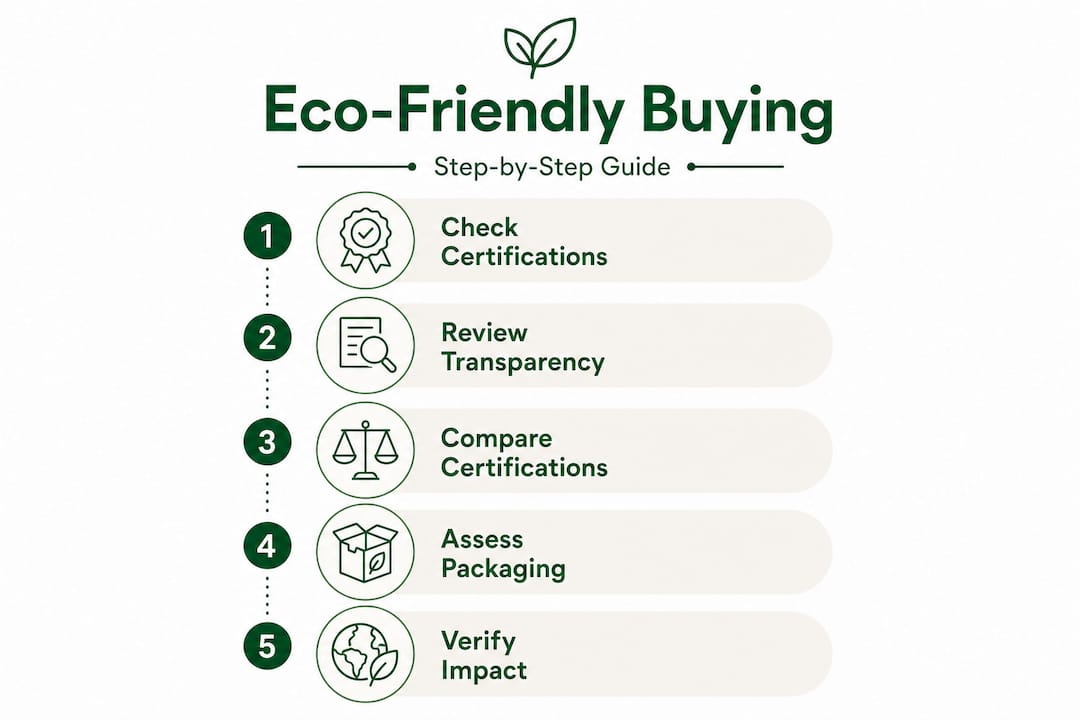
Step 1: Identify what certifications are relevant. Not all certifications are equal. For food and beverage, third-party certifications like ENERGY STAR, Fair Trade, Rainforest Alliance, and Organic are the most reliable tools for verifying environmental claims and avoiding greenwashing. These organizations conduct independent audits, so the label carries real accountability.
Step 2: Check the brand’s website for supply chain transparency. Reputable companies publish sourcing information, farm partnerships, and sometimes full sustainability reports. If a brand can’t tell you where its coffee or tea comes from, that’s a problem. Look for Scope 3 emissions data, direct trade partnerships, and pay transparency. This is also where you’ll spot whether a brand’s eco story holds up or falls apart.
Step 3: Research understanding coffee certifications before you buy. There are meaningful differences between certifications. Fair Trade focuses heavily on fair wages and community investment. Rainforest Alliance addresses biodiversity, soil, and water management. Organic certification eliminates synthetic pesticides and fertilizers. Knowing these distinctions helps you match your priorities to the right product.
Step 4: Apply the same approach to tea. A good tea certifications overview shows you what to look for on the tea side, including standards for pesticide use, worker welfare, and environmental management systems. Many of the same frameworks apply.
Step 5: Learn how to choose ethical coffee and tea from real examples. Seeing how brands actually implement ethical sourcing in practice makes the abstract principles tangible and much easier to apply on your next shopping trip.
Step 6: Trust but verify. After identifying a brand you like, do a quick search for their sustainability report or any third-party reviews of their practices. A two-minute search can reveal whether a company’s green claims are backed by action or just clever copywriting.
Pro Tip: Before buying from a new coffee or tea brand, search “[brand name] + sustainability report” or “[brand name] + supply chain.” If nothing comes up, that’s a red flag worth taking seriously.
Choosing coffee and tea that supports the environment
Your morning cup is one of the most frequent purchasing decisions you make all year. That frequency is actually an opportunity. Small, consistent choices in coffee and tea add up to real supply-chain pressure over time. Here’s how to make those choices count.
For coffee and tea specifically, certified sustainable options like Rainforest Alliance, Fair Trade, Organic, or Direct Trade address biodiversity, fair wages, reduced chemical use, and sustainable farming practices all at once. Each certification brings something slightly different to the table:
| Certification | Environmental focus | Social focus | Chemical standards |
|---|---|---|---|
| Rainforest Alliance | Biodiversity, soil, water | Worker welfare | Reduced use |
| Fair Trade | Some environmental standards | Fair wages, community fund | Moderate |
| USDA Organic | No synthetic pesticides/fertilizers | Limited | Strict |
| Direct Trade | Varies by brand | Strong farmer relationships | Varies |
| Conventional | None | None | No restrictions |
The Rainforest Alliance 2020 certification program specifically improved soil protection, reduced chemical use, and strengthened worker treatment on certified farms. That’s meaningful, measurable progress at the farm level.
Beyond certifications, the format you choose matters too. Shade-grown coffee, for instance, is grown under a forest canopy rather than in cleared, sun-baked fields. This preserves bird habitats, builds richer soil, and produces naturally aromatic beans that tanalize your taste buds with complexity. You can explore the full story of shade-grown coffee benefits to see just how much biodiversity a single sourcing choice can protect.
For tea, loose-leaf options typically use far less packaging than individually wrapped tea bags (many of which contain microplastics). A tin of loose-leaf tea is a warm, comforting ritual that’s also a genuinely lower-waste choice compared to boxed, single-use bags. If you want to explore even more eco-conscious coffee brand tips, there are great practical strategies for finding the right brands and products.
If you’re looking to try environmentally certified coffee beans, whole bean options with documented certifications are a great starting point.
Pro Tip: Buying coffee in larger quantities, like a 1 kg bag instead of multiple small ones, reduces packaging waste per serving and often cuts your cost per cup too. It’s one of those rare eco-wins that also saves money.
Reduce waste and maximize your impact
Even the most sustainable product can generate waste if you’re not thoughtful about how you buy and use it. The EPA recommends buying used or reusable items, repairing what you own, and buying in bulk to minimize packaging waste and resource use. These principles apply directly to your coffee and tea routine.
Here are practical habits that genuinely move the needle:
- Bring your own mug when buying coffee on the go. Many cafes now offer small discounts for it, and it keeps single-use cups out of the landfill.
- Buy in bulk where possible. Coffee beans, loose-leaf tea, and even sweeteners can often be purchased in larger, low-waste formats.
- Choose compostable or recyclable packaging when given the option. Brands that invest in sustainable packaging are making a real commitment worth rewarding with your purchase.
- Support brands with take-back or recycling programs. Some companies let you send back used pods or packaging for proper processing.
- Compost your coffee grounds and tea leaves. These kitchen scraps are fantastic for gardens and keep organic material out of landfills where it would otherwise produce methane.
- Repair and maintain your equipment. A well-maintained coffee grinder or French press lasts for years and keeps you out of the replacement cycle that generates so much waste.
It’s also worth distinguishing high-leverage habits from low-impact gestures. Switching to a bamboo stirrer feels good but doesn’t move the needle the same way choosing a certified, bulk-bought, low-packaging coffee does. You can dig into specific reduce coffee waste tips and eco-conscious tea selection strategies to focus your energy where it matters most.
For inspiration on how brands themselves can adopt sustainable shipping practices, it’s reassuring to see the industry moving in the right direction too.
How to verify a brand is genuinely eco-friendly (and avoid greenwashing)
This is where a lot of eco-conscious shoppers get tripped up. A beautiful green label and a story about rainforests does not automatically mean a brand is doing the work. According to a consumers guide to sustainable shopping, certifications don’t always ensure living wages, so it’s worth seeking brands with Scope 3 emissions data and direct trade relationships for full transparency.
Here’s a checklist for verifying a brand before you buy:
- Look for specific impact numbers. How many trees planted? How many farmers supported? How much CO2 offset per batch? Vague claims are easy. Numbers are hard to fake.
- Search for third-party audits or B Corp certification. B Corp status requires rigorous verification of social and environmental performance.
- Check if the brand publishes a sustainability or impact report. Annual reports with measurable goals and honest progress updates signal accountability.
- Look for direct trade partnerships with named farms or cooperatives. This level of supply chain detail is nearly impossible to fake.
- Ask the brand directly. Send a quick message or email asking about their Scope 3 emissions or sourcing practices. A transparent brand will answer clearly. An evasive one tells you something important.
Common greenwashing red flags include brands using terms like “conscious,” “planet-friendly,” or “eco” on packaging without any certification or data to support it. Generic nature photography is not evidence. Claims like “we care about the planet” mean nothing without actions behind them.
You can also learn more about how to understand stewardship claims and explore the circular economy beverage guide to build an even sharper eye for genuine sustainability. And for a broader look at how sustainable snack brands communicate their values, there are some useful comparisons to be drawn.
The uncomfortable truth: Progress over perfection in sustainable shopping
Here’s something most sustainability guides won’t tell you: you cannot shop your way to systemic environmental change. That’s not a reason to give up. It’s actually a relief.
The pressure to make every single purchase perfectly eco-aligned is exhausting and, frankly, counterproductive. It leads to paralysis, guilt over small choices, and sometimes swapping in a trendy “green” product that has more marketing than substance behind it. We’ve seen this pattern repeat often, and it’s worth naming clearly.
What actually moves the needle? Focusing your energy on high-impact decisions. Choosing certified over conventional when you can. Buying less overall and buying better quality. Supporting brands that publish real transparency data rather than brands with pretty green packaging and zero accountability. These are the choices that create actual supply chain pressure.
Verified certifications, reduced consumption, and collective demand for transparency consistently outperform the feel-good but low-impact gestures that get most of the attention. That doesn’t mean small changes are worthless. They add up, especially across a whole community of shoppers making similar decisions.
We also want to encourage you to push brands for better. Ask for Scope 3 data. Support companies that disclose where their money goes and how their farmers are treated. Explore meaningful support strategies for backing eco-conscious coffee and tea brands in ways that create lasting change.
Progress over perfection, every time. Steady, informed choices made consistently are worth far more than an impossible standard that burns you out.
Next steps: Make every cup matter with EcoVibe Roast
You now have a clear framework for making purchases that genuinely support the environment, from reading certifications to spotting greenwashing and building low-waste habits. The next step is putting it into practice with products you can actually trust.

At EcoVibe Roast, every purchase is connected to real environmental action, including planting mangrove trees and removing ocean-bound plastics. Our Single Serve Collection makes it easy to enjoy rich, aromatic coffee while supporting certified, sustainable sourcing. Whether you’re switching up your daily cup or exploring new certified favorites, we’ve built every product around transparency and impact. Explore our environmental impact efforts to see exactly what your purchase supports. Because your morning ritual can be a warm hug for both you and Mother Earth.
Frequently asked questions
What certifications have the most impact when buying coffee or tea?
Look for Rainforest Alliance, Fair Trade, Organic, or Direct Trade certifications, as they address both ecological and fair labor issues simultaneously and are backed by third-party audits.
How can I avoid falling for greenwashing when shopping?
Always check for third-party certifications like Fair Trade or Rainforest Alliance, and look for brands that disclose specific impact data and supply chain practices rather than relying on vague eco-language.
What’s the best way to reduce single-use packaging waste with coffee and tea?
Choose loose-leaf tea or bulk coffee, bring your own mug or container, and prioritize brands with compostable or recyclable packaging, as buying in bulk and using reusables significantly cuts packaging waste.
Do my everyday purchases really have an impact?
Individual choices may feel small, but consumer purchases drive supply chain impacts across entire industries, helping to push brands toward better environmental and social practices over time.


